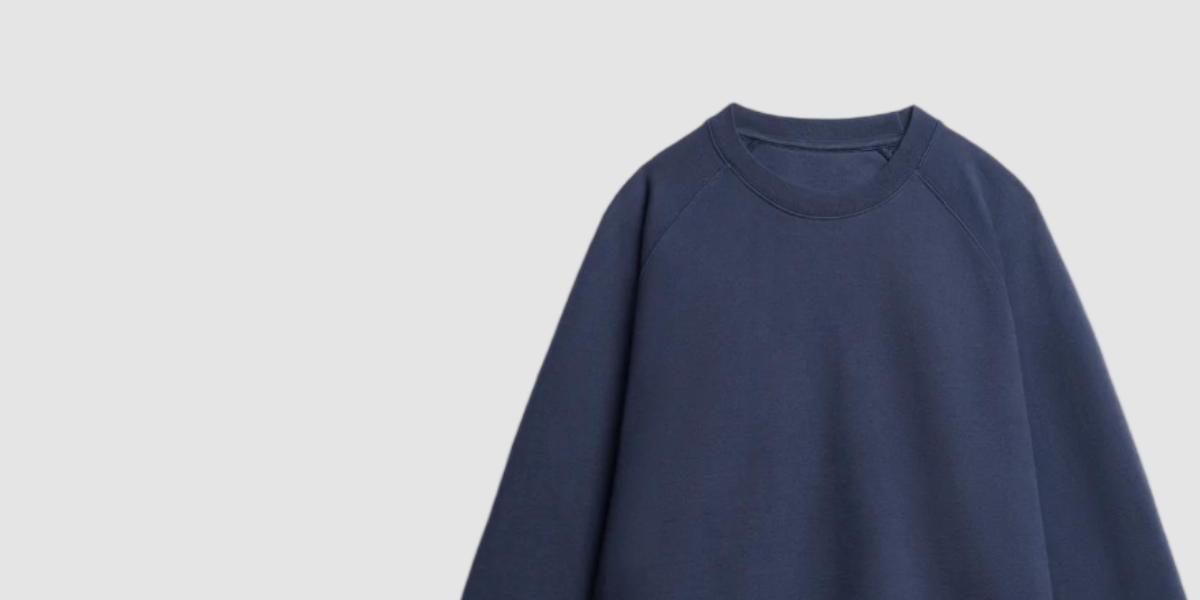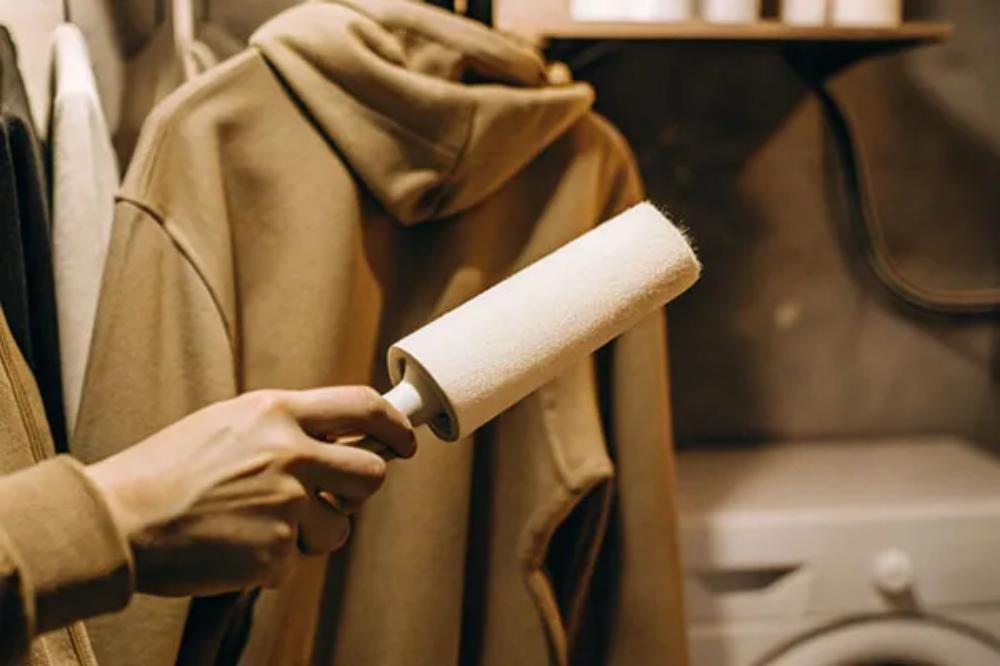
A new French Terry hoodie feels soft and plush. The same hoodie can turn stiff, faded, or shrunken after one wrong wash cycle. How do you keep French Terry garments soft, colorful, and perfectly shaped after repeated wear? The answer lies in a simple system. Caring for French Terry Garments means choosing cool water, mild detergent, and low heat. Hot water, bleach, and fabric softener are common enemies. With over 20 years of manufacturing French Terry for global apparel brands, NBJM knows exactly what ruins or preserves this fabric. Give your French Terry a little attention, and it will keep giving you the comfort you expect.
Key Takeaways
- Wash French Terry in cold water on a gentle cycle with mild detergent.
- Avoid bleach and fabric softener to keep colors bright and fabric soft.
- Air dry or tumble dry on low heat to prevent shrinking and damage.
- Fold garments instead of hanging to avoid stretching shoulders.
- Treat stains quickly and wash with similar fabrics to prevent pilling.
How to Prepare French Terry Garments Before Washing
Proper preparation helps protect French terry garments from color transfer, pilling, and unnecessary surface wear. Before washing, check the care label, sort garments, and prepare them correctly for the machine.
Check Care Labels and Garment Construction Before Washing
Always check the care label before washing French terry garments. The recommended water temperature, wash cycle, and drying method may vary by fabric composition and garment construction.
Pay particular attention to garments with prints, decorations, or special finishes. Following the manufacturer’s care instructions helps maintain the fabric’s appearance, shape, and overall performance.
Sort French Terry Garments by Color and Fabric Type
Separate French terry garments by color before washing. Keep dark and strongly dyed items away from light-colored garments to reduce the risk of color transfer, especially during the first few washes.
It is also helpful to group garments with similar fabric weights. Washing French terry with heavy items such as jeans or towels can increase friction and surface wear.
Turn French Terry Garments Inside Out Before Machine Washing
Turn French terry garments inside out before placing them in the washing machine. This reduces direct friction on the outer surface and helps protect prints, colors, and other garment details.
For garments with exposed loop-back construction, this simple preparation step can also help reduce unnecessary snagging and surface wear during washing.
How to Wash French Terry Garments Without Damage
Good habits beat any single wash. A gentle routine every time protects the fabric far better than one careful cycle followed by a harsh one. Caring for French Terry Garments rewards consistency. Read the care label first. Sort items by color and fabric weight. Then choose the right settings for the load.
Choose the Right Water Temperature for French Terry Garments
Cool water is the safest choice for French Terry. The French Terry Care Guide recommends a delicate cycle at 30°C / 86°F. This temperature helps stop colors from fading. Hot water does the opposite. It opens the cotton fibers, lets dye out, and causes shrinking. The looped back can also go flat in high heat.
A delicate cycle with a gentle spin protects the fibers. Fast movement rubs the loops together and causes pilling. A short, slow spin removes extra water without stressing the fabric. Warm water may work for light-colored items with no dye risk. Cold water is still the better default for dark or deeply dyed pieces.
Select a Mild Detergent for French Terry Fabric Care
Detergent choice matters as much as water temperature. A mild laundry gel without bleaching agents keeps colors rich and fibers soft. Powder detergents can leave residue inside the loops. That residue traps dirt and makes the fabric feel stiff.
High heat, bleach, and fabric softener are the three most common enemies of French Terry.
Bleach weakens cotton fibers and strips color. Fabric softener coats the loops with a waxy film. That film reduces absorbency and destroys the plush texture. Skip both products entirely. Measure the gel carefully. Too much detergent leaves soap behind in the thick looped backing. A small amount of mild gel cleans well and rinses out fully.
How to Dry French Terry Garments and Prevent Shrinkage

Drying correctly helps prevent shrinkage, stretching, and texture changes in French terry garments. Avoid excessive heat and handle wet garments gently.
Air Dry French Terry Garments to Minimize Heat-Related Damage
Air drying is a safe option for French terry. Lay the garment flat on a clean towel or drying rack and keep it away from direct sunlight. If tumble drying is allowed, use the lowest heat setting and remove the garment while slightly damp to reduce heat-related shrinkage.
Avoid Excessive Wringing to Help French Terry Keep Its Shape
Do not twist or wring wet French terry garments, as this can stretch the fabric and distort the garment shape. Gently press out excess water, then lay the garment flat on a clean towel.
While damp, smooth the collar, cuffs, hem, and waistband back into shape. Allow the garment to dry completely in a well-ventilated area before storing.
How to Iron and Reshape French Terry Garments Properly
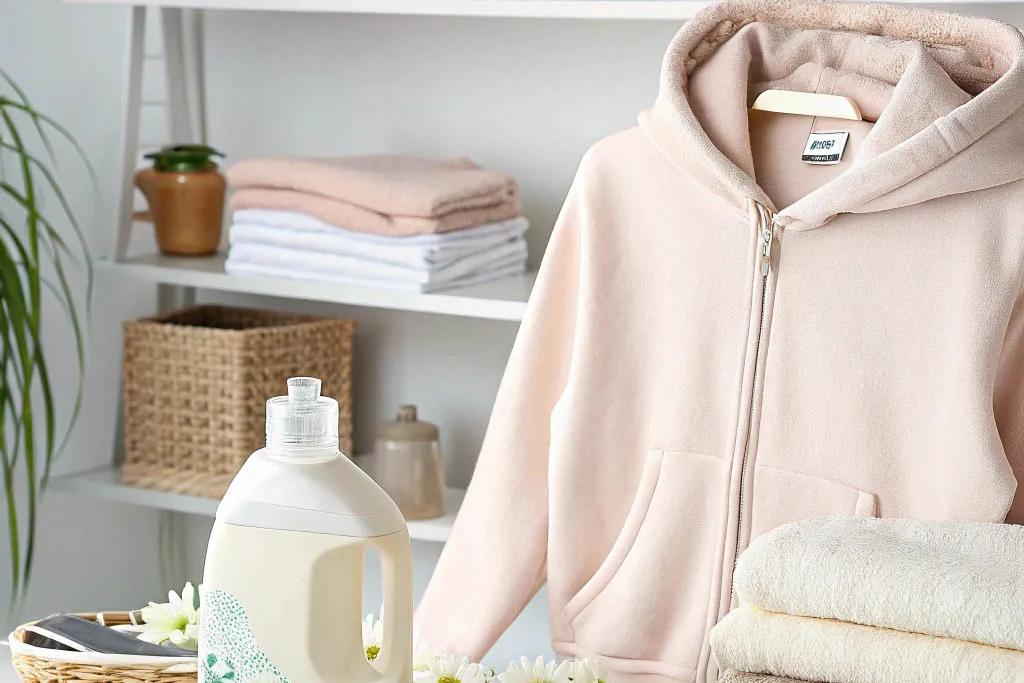
French terry should be handled gently when ironing because direct heat can affect its texture. Use low heat and avoid pressing directly on the looped side.
Use the Right Heat Setting When Ironing French Terry Garments
Use a low heat setting and place a pressing cloth between the iron and garment when needed. Iron the smooth side with gentle, continuous movements, especially around prints or embroidery. Steam can also help remove wrinkles without prolonged direct heat.
Prevent Stretching When Handling Wet French Terry Garments
Wet French terry becomes heavier and can stretch more easily. Support the garment fully when moving it and reshape the cuffs, collar, hem, and waistband while it is damp.
Lay the garment flat or air-dry it according to the care label. If tumble drying is permitted, use low heat and avoid over-drying to help maintain the garment’s original shape and fabric texture.
How to Store and Maintain French Terry Garments Long Term
Fold French Terry Garments Properly to Prevent Unwanted Stretching
For French Terry, folding is better than hanging. Hangers cause pressure points. Shoulders take the garment’s weight. The fabric stretches and bumps form.
Thin wire hangers can cause clothes to sag and leave “shoulder bumps.” Folding is best for knitwear.
Storage Method Recommendation Folding Fold neatly and keep in a cool, dry spot. Hanging If hanging, use wide, rounded hangers so shoulders do not stretch.
Fold along natural seams on a clean surface. Tuck the sleeves in. Fold the body in half. Stack pieces loosely. Heavy items flatten the loops. Keep French Terry in a breathable drawer or shelf. Avoid damp basements and direct sun.
Hanging works too. Pick wide, rounded hangers. They spread weight across a bigger area. That lessens shoulder stretch. Folding stays the safer choice for Caring for French Terry Garments.
Prevent Pilling, Fading, and Surface Wear During Garment Care
Handle stains right away. Blot gently with a clean cloth. Never rub the stain. Rubbing sends the mark deeper into the loops. Use a little mild detergent before washing. Stay away from harsh chemicals and chlorine bleach. These strip color and weaken cotton fibers.
Pilling starts when friction hurts the looped surface. Rough fabrics do the most damage. Towels, denim, and heavy canvas rub on the loops in the wash. Put these items in their own loads. Overfilling the washer also causes more rubbing.
| Harmful Habit | Effect on French Terry | Recommended Habit |
|---|---|---|
| Washing with rough items | Adds friction and causes pilling | Sort by texture; wash soft things together |
| Overloading the washer | Adds pressure and rubbing | Don’t overload; use a gentle cycle |
| High-heat drying | Roughens fabric and speeds fading | Tumble on low or air-dry |
| Sun drying | UV rays break down the dye | Dry in shade or with low heat |
Fading is gradual. Hot water opens fibers and releases dye. Harsh detergents speed this up. Cold washing helps. Turn garments inside out before washing. This shields the visible surface. Dry in the shade. Sunlight breaks down dye molecules. Low heat keeps color. These habits keep French Terry bright.
How to Solve Common French Terry Garment Care Problems
Proper French terry garment care can help reduce common issues such as shrinkage, pilling, and stains. The right treatment depends on the specific problem and fabric construction.
How to Prevent French Terry Garments From Shrinking After Washing
Heat can cause French terry garments to shrink, particularly when the fabric contains cotton. Follow the care label, use the recommended water temperature, and avoid excessive heat during drying.
Air drying is generally a safer option for maintaining garment size and shape. If a garment becomes slightly misshapen while damp, gently reshape it before leaving it to dry.
How to Deal With Pilling on French Terry Garment Surfaces
Pilling is often caused by repeated friction during washing and wear. Wash French terry garments with similar soft fabrics and avoid mixing them with rough items such as denim, towels, or heavy canvas.
Turning garments inside out before washing can also reduce surface friction. For existing pills, use a fabric shaver or lint remover carefully rather than pulling pills by hand.
How to Remove Stains Without Damaging French Terry Fabric
Treat stains as soon as possible and check the care label before applying any cleaning product. Gently blot the affected area instead of rubbing it aggressively, which can damage the fabric surface.
Use a mild detergent or stain treatment suitable for the fabric and test it on a hidden area first. Avoid high heat until the stain has been completely removed, as heat can make some stains more difficult to remove.
Our French Terry Garment Quality and Production Support for Brands
French Terry Garments Designed for Consistent Quality and Wear
NBJM has over 20 years of experience producing French terry clothing, serving 100+ brands across 30+ countries. Consistent fabric specifications help maintain garment quality, fit, and durability.
Fabric weight and loop construction affect warmth, softness, and surface performance. Proper storage also matters: folding French terry garments and keeping them in a dry, well-ventilated place helps prevent stretching and moisture damage.
Quality Control for Fabric Performance and Garment Construction
NBJM supports fabric evaluation and garment quality checks before bulk production. Key inspection areas include shrinkage, colorfastness, pilling, measurements, stitching, and overall appearance. These checks help brands maintain consistent quality across production runs.
With sample development typically taking 7–14 days and production and shipping planned within 30 business days, NBJM supports custom French terry apparel programs from sampling to bulk orders.
Frequently Asked Questions About French Terry Garment Care
How Often Should French Terry Garments Be Washed and Cleaned?
Wash French terry garments when they are visibly soiled, have noticeable odor, or need cleaning after regular wear. Washing too frequently can increase fabric friction and surface wear, so follow the care label whenever possible.
Can You Put French Terry Garments in the Washing Machine?
Yes. Many French terry garments are machine washable, but the care label should always be followed. Use the recommended cycle and temperature, and turn garments inside out to help protect the fabric surface.
Can You Use Fabric Softener on French Terry Garments?
Check the garment’s care instructions before using fabric softener. If permitted, use it sparingly. Excessive product buildup may affect the fabric’s feel and performance over time.
Should French Terry Garments Be Air Dried or Tumble Dried?
Air drying is generally the safer option for French terry because it minimizes heat exposure. If tumble drying is allowed, use a low-heat setting and avoid over-drying the garment.
Does French Terry Shrink After Washing and Drying?
French terry can shrink, particularly when it contains cotton and is exposed to excessive heat. Following the care label, using the recommended wash temperature, and avoiding high-heat drying can help maintain the garment’s original size and shape.