Yes, a 500 GSM hoodie is heavy. Heavy means the fabric is dense and thick, creating a substantial, warm garment. But heavy can be good or bad depending on your customers’ needs and brand goals.
Most standard hoodies fall between 320–360 GSM, while premium fleece hoodies and French terry hoodies can reach 400–500 GSM. A 500 GSM fleece hoodie offers exceptional warmth, durability, and a substantial feel.
| GSM Range | Market Position | Typical Use |
|---|---|---|
| 320–360 | Previous standard (US/EU) | Streetwear staples |
| 400–500 | Current top-tier standard (US/EU) | Premium, oversized, boxy fits |
| 500–600 | Ultra-heavy, luxury tier | Limited runs, collaborations, statement pieces |
For apparel brands, this weight signals premium quality. It works best for winter collections. As a wholesale supplier, NBJM can produce custom heavyweight hoodies.
Key Takeaways
- A 500 GSM hoodie is heavy and feels dense. It works best for winter and luxury collections.
- GSM shows fabric weight. But it does not show softness or warmth. Check fabric type and knit structure.
- Fleece traps heat better for cold weather. French terry breathes more for active use.
- Choose hoodie weight by climate and customer needs. 500 GSM is for very cold weather and premium brands.
- Partner with a manufacturer like NBJM for custom heavyweight hoodies. They handle every step from design to quality.
Where 500 GSM Sits in the Heavyweight Hoodie Range?
GSM means grams per square meter. This number shows how heavy the fabric is. Think of a sheet of printer paper – it’s about 80 GSM. Now picture a thick cardboard box. That could be 400 GSM. So a higher GSM means more material packed into each square meter.
Measuring GSM is simple. A supplier clamps the fabric flat. Then they cut a disc of set size with a GSM cutter. Next, they put that disc on a precise scale. The scale shows the GSM number. Buyers can do this check in about two minutes. This fast test checks if the supplier’s claim is true. It’s a reliable way to confirm quality.
GSM only tells about density. It does not measure softness, durability, or warmth directly. Those qualities come from other factors. The type of fiber matters a lot. Cotton feels different from polyester. Knit structure also matters. A tight knit makes the fabric feel firmer. Finishing processes also affect the final product. Brushing makes it softer. Compacting makes it denser. These factors work together with GSM to create the final garment.
The hoodie market breaks into clear weight groups. These groups help brands decide where to put their products.
| Weight Class | GSM Range |
|---|---|
| Lightweight | Under 237 GSM |
| Midweight | 237 to 339 GSM |
| Heavyweight | 339 GSM and up |
A 500 GSM hoodie sits firmly in the heavyweight group. It is well above the heavyweight cutoff. This placement shows maximum density and substance. The fabric feels heavy in your hand. It drapes with shape instead of hanging loose. For comparison, most streetwear hoodies are 320 to 360 GSM. A 500 GSM hoodie has about 40 percent more material weight. That difference makes it noticeably thicker and warmer.
This weight class works well for brands that want winter collections. It fits customers who care more about warmth than versatility. The density gives a premium feel. Many luxury streetwear brands use this weight for limited releases. As a wholesale supplier, NBJM makes custom heavyweight hoodies in this range. Making them requires careful work on knit structure and finishing. These details make sure the final product feels premium, not just heavy.
400 GSM vs. 500 GSM vs. 600 GSM Hoodies for Brands
The GSM you choose affects a hoodie’s warmth, structure, comfort, and overall market positioning. For brands, 400 GSM offers everyday versatility, 500 GSM adds a premium heavyweight feel, while 600 GSM creates the most substantial look and feel. Choosing the right weight helps match your product to its target customers and climate.
Choose 400 GSM Hoodies for Lighter Everyday Wear
A 400 GSM hoodie provides a practical balance of warmth, comfort, and durability. It feels substantial without the extra weight of thicker heavyweight fabrics, making it suitable for everyday collections and active lifestyles. French terry offers a lighter, more breathable feel, while a 400 GSM fleece hoodie provides additional warmth.
For brands targeting mild to cool climates, casualwear, or customers who prefer easier movement, 400 GSM is a versatile choice. It also offers a lower fabric weight that can help keep the final garment more comfortable for extended wear.
Choose 500 GSM Hoodies for Structure and Premium Weight
A 500 GSM hoodie delivers a noticeably thicker and more structured feel. It works especially well for oversized, boxy, and premium streetwear designs where fabric weight contributes to the garment’s visual impact. Fleece provides additional warmth, while French terry offers a structured feel with comparatively better breathability.
For brands building premium heavyweight collections, 500 GSM offers a strong balance between substantial construction and everyday wearability. It is also suitable for custom designs where a stable fabric surface and defined silhouette are important.
Choose 600 GSM Hoodies for Maximum Heavyweight Impact
A 600 GSM hoodie is designed for brands that want an exceptionally heavy and substantial garment. Its high fabric density creates a bold silhouette and a distinctly premium heavyweight feel, making it suitable for luxury streetwear, statement pieces, and limited-edition collections.
Compared with 400 GSM and 500 GSM, 600 GSM provides more fabric weight but can also feel warmer and less flexible. It is therefore better suited to colder climates and collections where maximum weight and visual presence are key selling points.
For brands comparing these three options, 400 GSM prioritizes versatility, 500 GSM balances premium weight and wearability, and 600 GSM delivers maximum heavyweight impact. NBJM can customize hoodie fabrics, including fleece and French terry, to match your target market, design, and performance requirements.
What Else Matters When Selecting the Right Hoodie Weight?
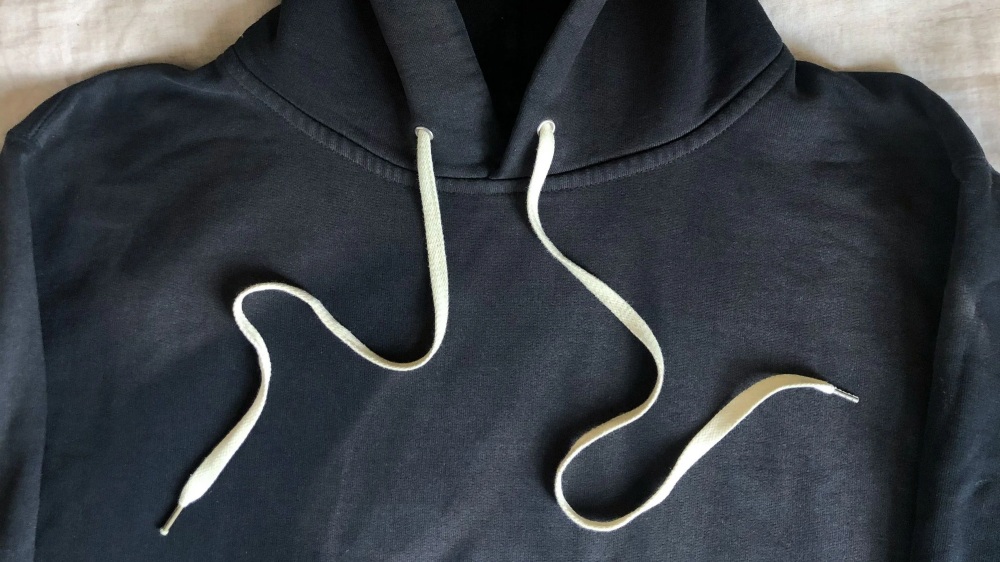
GSM shows how heavy the fabric is. It does not show how the fabric feels. Two hoodies can have the same GSM but feel very different. The fabric type and how it is made cause that difference. Smart brands look at more than just GSM.
Compare Fleece and French Terry Across Different Hoodie Weights
Fleece and French terry apparel are two popular choices for hoodies. Each fabric performs differently at the same weight. French terry has loops inside that stay intact, allowing air to move through easily. This makes French terry breathable and quick-drying. Fleece has a brushed inside that lifts the fibers to create a soft, thick layer that traps warm air.
| Attribute | French Terry | Fleece |
|---|---|---|
| Weight (typical) | 7–9 oz/yd² | 8–12 oz/yd² |
| Warmth (insulation) | Moderate: good for layering | High: traps insulating air |
| Moisture Wicking | Strong: loops absorb and release | Moderate: pile holds moisture longer |
The table shows a clear trade-off. French terry works better for active wear. It lets out sweat and heat quickly. Fleece keeps you warmer but holds moisture longer. The raised fibers slow drying. For a 500 GSM hoodie, fleece gives the most winter warmth. French terry at that weight gives structure with better airflow. Brands for cold places often pick fleece. Brands for active customers may pick French terry.
Consider Fabric Construction and Density Alongside GSM
GSM matters, but knit structure and density also affect durability and shape retention. Loose knits may stretch and deform after washing, while tight weaves maintain density and shape through repeated washes.
| Knit Density | Shape Retention |
|---|---|
| Loose knitting | May stretch and lose shape after washing |
| Tight weaves | Resists stretching and holds shape after 20+ washes |
Finishing and brushing also affect fabric feel and performance. Proper brushing creates a soft, warm inner layer, while poor finishing can cause pilling and shedding.
Construction details such as precise cutting, strong seams, and flatlock stitching improve the durability of heavyweight hoodies.
Fabric blends also influence performance. 100% cotton offers a natural feel but may shrink, while cotton-polyester blends improve stability and shape retention. Common blends include 85/15 and 80/20.
NBJM produces custom heavyweight fleece and French terry hoodies. With 20+ years of experience and 10 million pieces produced annually across 30 partner factories, we help brands select the right weight, density, and finishing for their needs.
How to Choose the Right GSM for Your Hoodie Collection

Match Hoodie Weight with Climate, Season, and Intended Use
The right GSM starts with where the customer lives. A hoodie for a mild spring day is not the same as one for a snowy winter. The table below shows which GSM works best for each weather and season.
| GSM Range | Seasonal/Climate Suitability |
|---|---|
| 160–200 | Spring/summer; breathable, cool feel |
| 200–280 | Warmer regions; year-round wear, warmth without overheating |
| 250–350 | Transitional seasons (spring/fall); blend of warmth and breathability |
| 350+ | Fall/winter; harsh weather, superior insulation, ideal for snow sports and outdoor work |
A 500 GSM hoodie is well above 350 GSM. That puts it firmly at the winter end of the scale. It works for harsh climates, heavy snow, and outdoor jobs. Customers who face very cold weather need this level of density. The fabric traps heat and blocks wind well.
Lighter weights serve different needs. A 200–280 GSM hoodie works for warmer areas. It gives warmth without making you too hot. A 250–350 GSM range fits spring and fall. It balances breathability with comfort.
For brands, the weight choice shapes the collection’s identity. A heavier weight shows the brand as a maker of premium, winter-ready goods. It appeals to customers who value substance over being useful in many seasons. Lighter weights attract a wider, more active group. These customers want flexibility across seasons.
Balance Hoodie Weight, Comfort, Quality, and Production Cost
Higher GSM can increase perceived value, but it also raises material costs and production requirements. Each weight range has different benefits and trade-offs:
| GSM Range | Key Benefits | Key Trade-offs |
|---|---|---|
| 240–280 GSM | Soft, breathable, drapey, lower cost | May wear faster and feel thin |
| 300–340 GSM | Substantial feel, versatile, holds decoration well | Less suitable for extreme cold |
| 360–420 GSM | Premium feel, durable, good shape retention | Higher material cost and slower production |
| 450–500 GSM | Maximum weight and durability, strong premium appeal | Highest cost and production complexity; niche use |
A 500 GSM hoodie offers maximum weight and durability, but requires more material, adjusted sewing equipment, and longer production time. It may also be less suitable for warm climates, so brands should consider their target market and pricing strategy.
An experienced supplier can help balance these factors. NBJM offers custom fleece and French terry with control over fabric weight, knit density, and finishing. With over 20 years of experience, we help brands achieve the right quality and feel while managing production costs.
Consider Shrinkage, Wash Performance, and Long-Term Durability
GSM alone does not determine how well a hoodie performs after repeated washing. Brands should also evaluate shrinkage, fabric recovery, pilling resistance, colorfastness, and shape retention during product development.
Pre-shrinking and controlled fabric finishing can help maintain consistent dimensions after washing. Testing samples before bulk production is also important for confirming the final GSM, fit, hand feel, and dimensional stability.
For long-term performance, choose a fabric construction that matches the product’s intended use and establish clear washing requirements. This helps reduce unexpected size changes and maintains the hoodie’s appearance throughout its expected lifecycle.
Our Custom Heavyweight Hoodie Manufacturing Solutions
NBJM provides custom heavyweight hoodie manufacturing for apparel brands, from fabric selection and sampling to bulk production and quality inspection. With over 20 years of manufacturing experience, we support custom fleece and French terry hoodies for different fits, weights, and brand requirements.
Custom 500 GSM Hoodie Development for Apparel Brand Collections
We help brands develop heavyweight hoodies around their target GSM, fabric composition, fit, and design. For 500 GSM collections, our development process can include:
- Heavyweight fleece and French terry fabric selection
- Custom GSM, composition, color, and finish
- Oversized, relaxed, and structured pattern development
- Custom labels, prints, embroidery, and other branding details
- Sample development and fit adjustments
- Pre-production confirmation before bulk manufacturing
Brands can select cotton, recycled, organic, or blended fabrics based on their performance, sustainability, and pricing goals. Our team helps match fabric construction and garment specifications to the intended market.
Heavyweight Hoodie Sampling and Specification Management
Sampling allows brands to confirm the hoodie’s weight, fit, hand feel, construction, and appearance before bulk production. We manage key specifications throughout development to reduce inconsistencies between approved samples and finished garments.
The process can include:
- Specification Review: Confirm GSM, fabric composition, measurements, fit, colors, and construction details.
- Sample Development: Produce samples for fit, fabric, and design evaluation.
- Revision and Approval: Adjust the sample based on feedback and finalize production specifications.
- Pre-Production Confirmation: Verify approved materials and garment details before bulk manufacturing.
This structured approach gives brands greater control over product consistency and helps identify potential issues before production begins.
Quality Control for Consistent Hoodie Weight and Production
Consistent GSM is important for maintaining the expected feel and fit of heavyweight hoodies. Our quality control process checks fabric and finished garments against approved specifications throughout production.
Key inspection areas include:
- Fabric Weight: Verify GSM against the approved fabric specification.
- Measurements: Check key garment dimensions and fit points.
- Construction: Inspect stitching, seams, hems, cuffs, and other structural details.
- Appearance: Check color, surface quality, printing, embroidery, and finishing.
- Pre-Shipment Inspection: Review finished garments before order completion.
By combining specification management with production inspection, NBJM helps apparel brands maintain consistent heavyweight hoodie quality from the approved sample through bulk production.
Frequently Asked Questions About 500 GSM Hoodies
Is a 500 GSM Hoodie Considered Heavyweight for Most Brands?
Yes. A 500 GSM hoodie is generally considered heavyweight, offering a dense, substantial feel compared with standard midweight hoodies. It is well suited to brands targeting premium, durable apparel.
Is 500 GSM a Good Weight for Premium Streetwear Hoodies?
Yes. 500 GSM provides the structured drape, substantial feel, and warmth often associated with premium streetwear. It works particularly well for oversized and relaxed-fit designs.
Is a 500 GSM Hoodie Too Heavy for Everyday Wear?
Not necessarily. While heavier than typical hoodies, 500 GSM can still be comfortable for everyday wear in cool weather. The choice depends on the climate, fit, and fabric construction.
Is 400 GSM or 500 GSM Better for a Heavyweight Hoodie?
For a more substantial heavyweight hoodie, 500 GSM is the stronger choice. A 400 GSM hoodie offers a lighter balance of warmth and comfort, while 500 GSM provides greater density and structure.
Is 500 GSM or 600 GSM Better for Winter Hoodies?
Both can work for winter, but 600 GSM offers more weight and insulation. A 500 GSM hoodie provides a practical balance of warmth, comfort, and wearability, making it suitable for many winter collections.
Does Higher GSM Always Mean Better Hoodie Quality?
No. GSM measures fabric weight, not overall quality. Fiber composition, knitting, finishing, construction, stitching, and shrinkage control also affect a hoodie’s durability, comfort, and appearance.
Does a 500 GSM Hoodie Shrink More After Washing?
It can, depending on the fiber composition and fabric finishing. Proper pre-shrinking and controlled washing instructions can help minimize dimensional changes and maintain the hoodie’s fit.