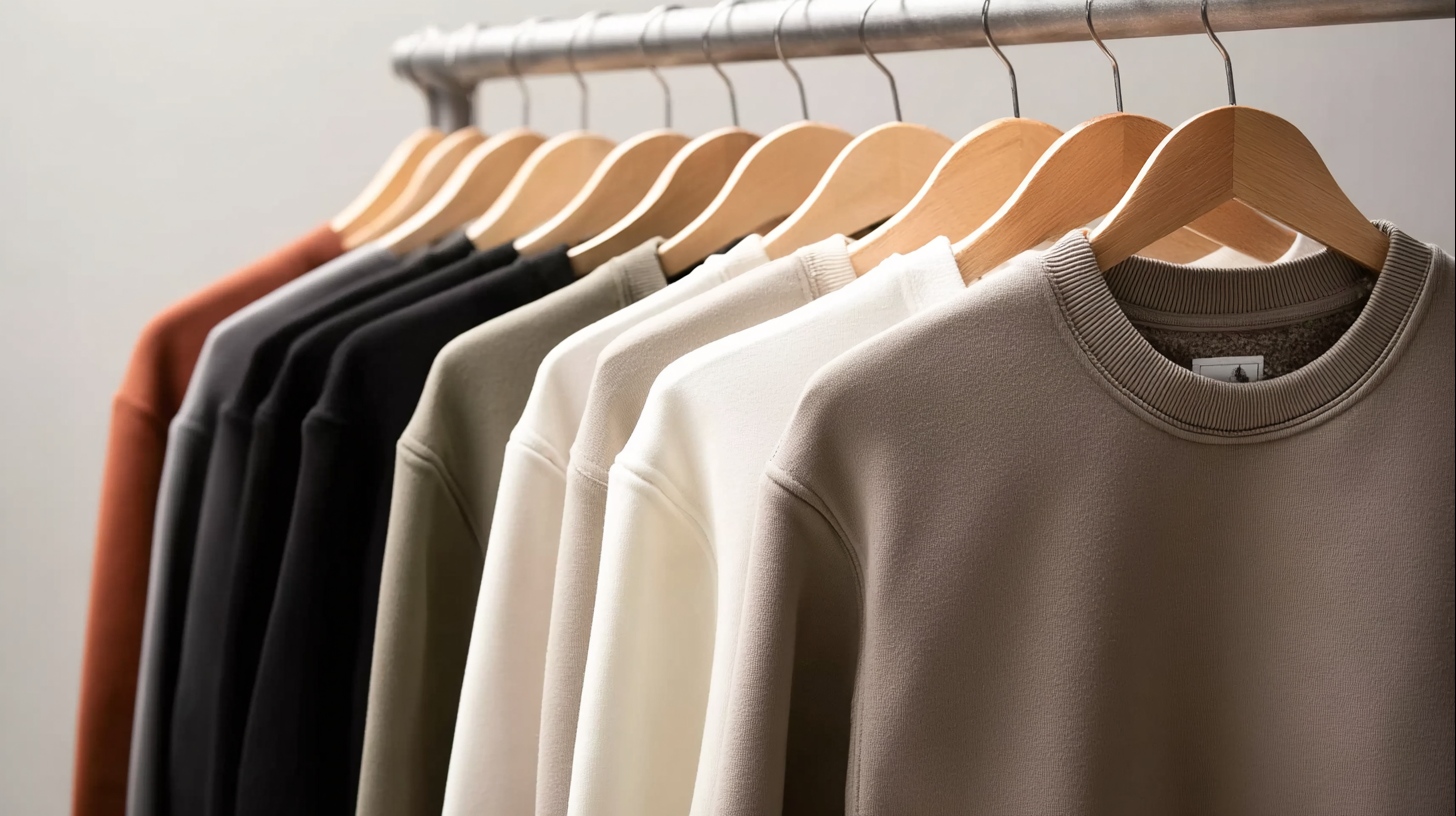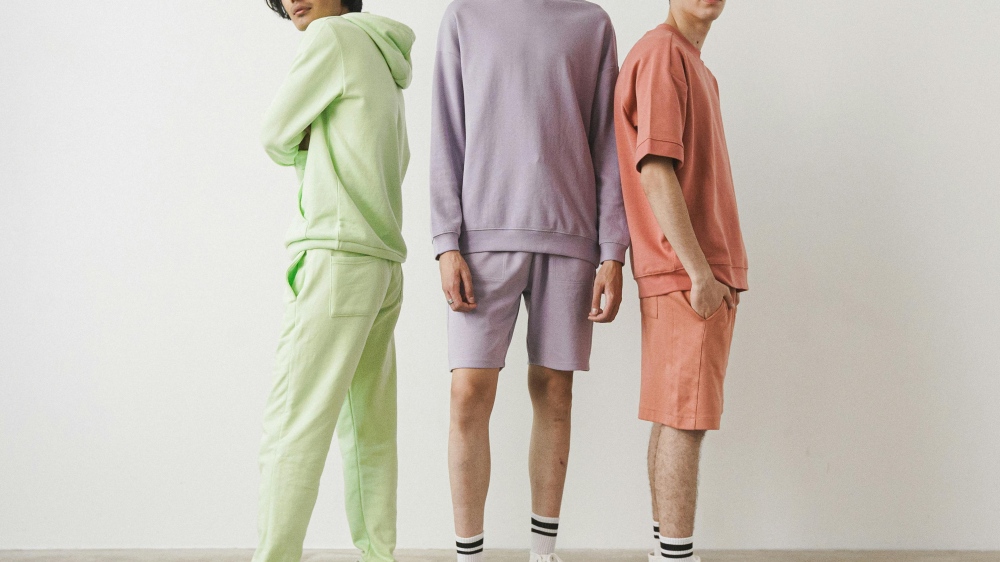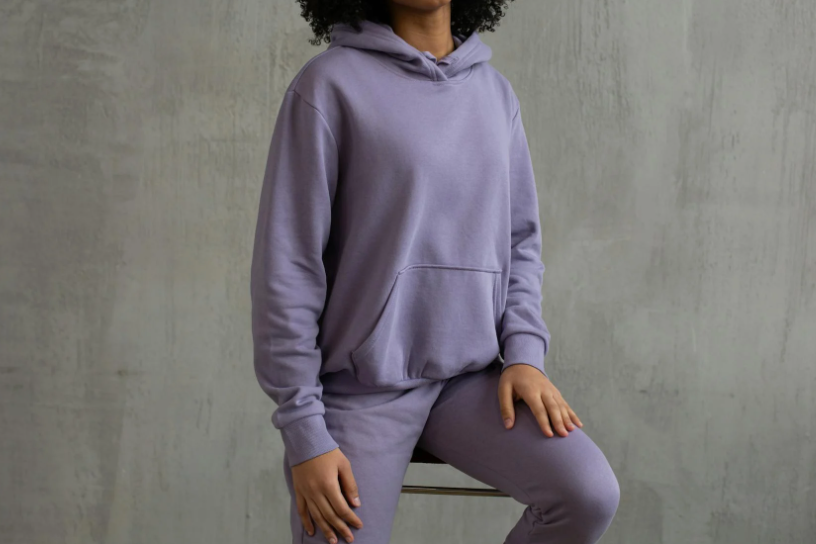
Brands often have a hard time finding a custom pullover manufacturer that gives them good quality, fair cost, and reliable service. This guide answers one main question: How do you pick the right manufacturing partner? It covers pullover types, fabric choices, sourcing models, vetting criteria, production steps, and real cost drivers. The result is a repeatable sourcing framework any brand can use right away. Use it to compare suppliers with confidence, not guesswork. A strong partner protects your margin, your schedule, and your reputation.
Key Takeaways
- Pick a way to make your product that works with your design and money.
- Figure out your fabric and customization needs before you reach out to suppliers.
- Check suppliers by looking at MOQ, lead times, and sample quality.
- Know what makes costs go up, such as fabric, labor, and order size.
- Choose a manufacturer that provides samples and communicates clearly.
Why Choosing the Right Custom Pullover Manufacturer Matters
The way a pullover is made shapes its fit, cost, and lead time. Cut-and-sew makes clothes from fabric yardage, cutting patterns and sewing them together. This method works well for bulky gauges and simple designs. It also gives faster production, usually 30–45 days from sample approval, with lower unit costs. Material waste is 15–20% because of cutting loss.
Knit-to-shape, or fully fashioned, knits the garment shape right into the process. This method makes contoured panels with less seam bulk and under 5% material waste. Fit precision is high. The downside is longer lead times, 45–60 days from sample approval, and higher labor costs for linking. Sample lead time also grows to 15–20 days plus 5–7 days for sourced yarn.
| Feature | Knit-to-Shape | Cut-and-Sew |
|---|---|---|
| Material Waste | Under 5% | 15–20% |
| Production Lead Time | 45–60 days | 30–45 days |
| Fit Precision | High | Moderate |
| Cost per Unit | Higher | Lower |
A simple rule applies: if a design handles cut edges and sewn seams without changing fit, appearance, or durability, cut and sew is commercially efficient. If cutting hurts shape, creates seam bulk, or removes engineered details, evaluate knit-to-shape first.
Fabric weight, measured in GSM, defines whether a pullover reads as lightweight or heavyweight. A lightweight base layer sits below 250 GSM. A heavyweight pullover or hoodie starts at 250 GSM and extends past 300 GSM. Standard sweatshirts fall in the 300–400 GSM range, placing them firmly in heavyweight territory. This classification guides fabric sourcing and end-use positioning.
| Weight Class | GSM Range | Interpretation |
|---|---|---|
| Lightweight Base Layer | Below 250 GSM | Not a heavyweight pullover |
| Heavyweight Pullover/Hoodie | 250–300+ GSM | Fleece/outerwear weight |
Minimum order quantities vary with product complexity. Simpler designs may allow lower thresholds. Complex constructions with specialized fabrics or decoration techniques push MOQs higher. Brands should confirm MOQ early, because this figure shapes inventory planning and cash flow.
What Customization Options Should Brands Consider for Pullovers?
Before working with a custom pullover manufacturer, brands should define a clear brief covering garment type, season, intended use, silhouette, GSM, fabric composition, and reference designs. This helps suppliers understand the requirements and reduces revisions during development.
How Fleece and French Terry Fit Different Pullover Applications
Fleece and French terry suit different pullover applications. Brushed fleece provides greater warmth and a soft inner feel for cold-weather hoodies and sweatshirts, while French terry offers better breathability for transitional seasons, lightweight hoodies, and activewear. Brands can select the fabric structure based on climate, end use, and desired comfort.
How Fabric Composition and GSM Affect Pullover Performance and Feel
Fabric composition influences softness, breathability, durability, and warmth. Cotton offers natural comfort, while polyester improves strength and shape retention. GSM determines garment weight and contributes to the overall hand feel, but higher GSM does not automatically mean better quality. Brands should also consider yarn quality, knit density, finishing, shrinkage, and color consistency when specifying custom pullovers.
How Custom Patterns and Fits Create Distinctive Pullover Designs
Custom patterns control a pullover’s silhouette, proportions, and fit. Brands can adjust shoulder width, chest, sleeve length, body length, hood shape, cuffs, and hems to create standard, relaxed, slim, or oversized styles. NBJM supports custom pattern development and size grading based on brand specifications and design references.
How Printing and Embroidery Support Different Brand Design Requirements
Printing and embroidery provide different ways to add logos and graphics to custom pullovers. Screen printing, digital printing, and heat transfer suit different artwork and placement needs, while embroidery creates a raised, textured finish. NBJM offers multiple printing and embroidery options for fleece and French terry apparel.
How Labels, Trims, and Packaging Complete a Custom Pullover Collection
Custom labels, tags, drawcords, ribbing, zippers, and other trims help maintain a consistent brand identity. Branded packaging can further support the finished presentation. NBJM provides private-label support for labels, tags, accessories, and packaging, helping brands coordinate these details with their custom pullover designs.
How to Evaluate a Custom Pullover Manufacturer Before Ordering
Every brand that works with a custom pullover manufacturer picks from three production models. OEM means the brand owns the design and IP. ODM means the manufacturer designs the product and the brand picks from options that already exist. Private label sits between these two. The brand customizes fabric, color, trims, labels, and packaging within a base pattern the factory already developed. New brands with smaller budgets and faster timelines benefit from ODM or private label. Established brands with unique silhouettes and technical requirements should choose OEM. The right model matches brand maturity, budget, and launch schedule.
How to Compare MOQ, Production Capacity, Lead Times, and Pricing
| Feature | OEM | ODM |
|---|---|---|
| Design Responsibility | Brand provides design | Manufacturer designs |
| IP Ownership | Brand owns all IP | Manufacturer owns design IP |
| Control | Full customization | Limited to offered options |
| Speed to Market | Longer development cycle | Faster ready-to-go designs |
| Cost Impact | Higher upfront | Lower initial cost |
| Best For | Established brands, unique IP | New brands, quick market entry |
MOQs show the combined minimums of fabric, trims, labels, packaging, and labor. For pullovers, typical MOQ ranges from 100 to 300 pieces. Heavier fabric and custom details push MOQs higher. Larger orders spread setup costs across more units, which lowers the cost per piece. Custom trims, dyed-to-order fabric, and embroidery push MOQs from 100 to over 250 pieces. Lead times change by order size and complexity. ODM orders run 15 to 30 days total. OEM custom apparel runs 25 to 40 days. A 30-day bulk cycle includes fabric readiness, decoration booking, garment finishing, inspection and packing, and custom trims. Key factors include order quantity, design complexity, yarn type, gauge, color count, and approval speed.
How to Evaluate Sample Quality Before Approving Bulk Production
A production sample should represent the materials and construction planned for the bulk order. Check measurements, fabric hand feel, stitching, seams, fit, color, printing or embroidery, labels, and overall finishing against the approved specifications. Wash testing can also help confirm shrinkage, colorfastness, and shape retention. Record required changes clearly and obtain final approval before bulk production starts.
How Quality Control Supports Consistent Custom Pullover Production
Quality control should continue throughout custom pullover production rather than only at final inspection. Manufacturers should monitor fabric quality, cutting accuracy, sewing consistency, decoration, measurements, and finishing at different production stages. Final inspection should confirm that finished garments match the approved sample and specifications before packing. For brands, a consistent QC process reduces variation between production batches and helps maintain the same fit, appearance, and construction across a pullover collection. NBJM combines production management with quality control to support consistent fleece and French terry apparel manufacturing.
What Is the Custom Pullover Manufacturing Process for Brands?
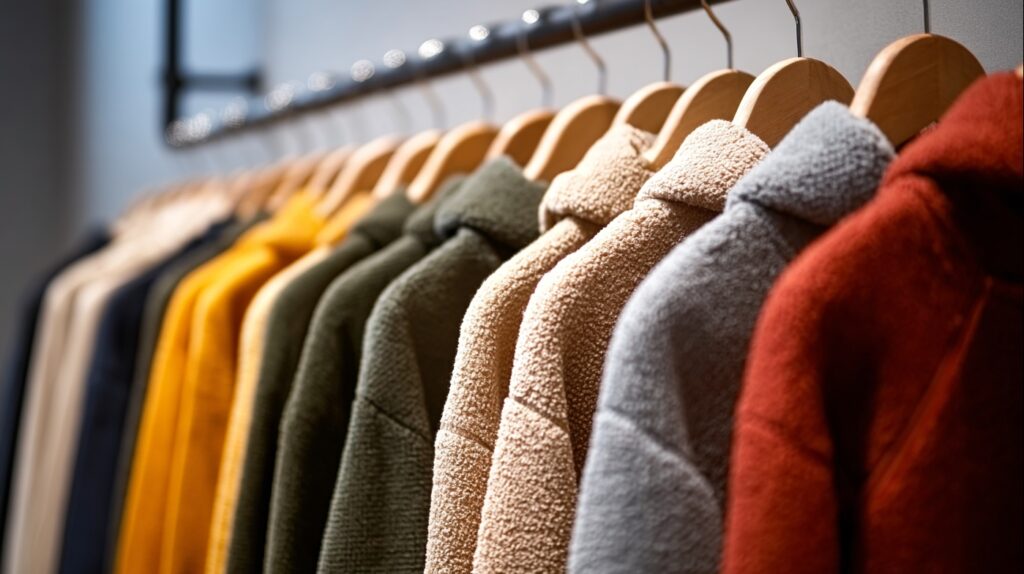
A custom pullover manufacturer typically follows a structured workflow from design review to final delivery. The main stages include requirement review, sample development, sample approval, bulk production, and quality inspection. A clear process helps brands control fit, materials, branding, and production consistency.
Step 1: Review Designs, Tech Packs, and Pullover Requirements
Brands provide reference designs, artwork, measurements, preferred fabrics, colors, trims, and other requirements. The manufacturer reviews the tech pack and checks whether the design is practical for cutting, sewing, printing, embroidery, and finishing. Any potential production issues should be identified before sampling. This early review helps align design expectations with manufacturing requirements and reduces avoidable revisions.
Step 2: Develop Fabrics, Patterns, and Initial Pullover Samples
Once the requirements are confirmed, the manufacturer develops the pattern, selects the required fabric and trims, and produces the initial pullover sample. The sample allows brands to evaluate fit, proportions, construction, fabric behavior, and overall appearance before bulk production. For fleece and French terry pullovers, the sample should also confirm how the fabric works with the selected pattern, ribbing, printing, or embroidery.
Step 3: Revise Samples and Confirm Final Production Specifications
Brands review the sample against the approved design and provide consolidated feedback on fit, measurements, construction, colors, branding, and finishing. The manufacturer then makes the required revisions and prepares the final production specifications. Before bulk cutting begins, both sides should confirm the approved sample, size grading, fabric, trims, artwork, labels, packaging, and other critical details. NBJM supports made-to-order apparel development and customization for fleece and French terry products.
Step 4: Complete Bulk Production and Final Quality Inspection
After final approval, the manufacturer moves into bulk fabric preparation, cutting, sewing, decoration, finishing, and packing. Production quality should be monitored throughout the process rather than relying only on the final inspection. The completed custom pullovers are checked against the approved specifications for measurements, construction, fabric, branding, labels, and finishing before shipment. A documented final inspection helps ensure the bulk order matches the approved sample and maintains consistent quality across the collection.
How Much Does Custom Pullover Manufacturing Cost for Clothing Brands?
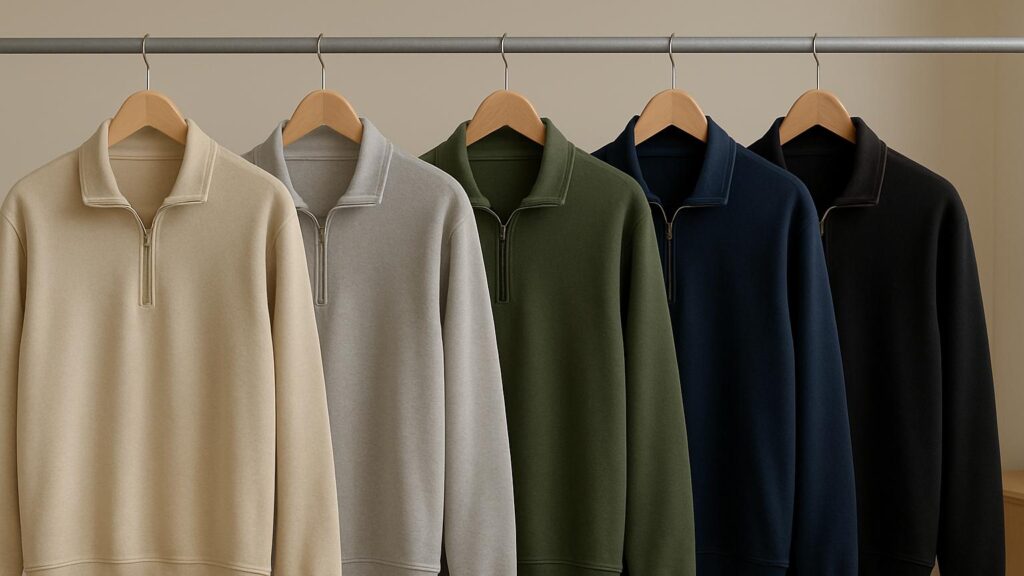
Cost talks get messy when brands just look at the price of one pullover without understanding what makes up that price. Four main things explain why quotes can be so different.
- Yarn type and consumption: The final weight of the garment doesn’t match the amount of yarn used. Yarn gets lost during knitting, linking, washing, and finishing. This loss directly affects how accurate the cost is.
- Fabric type and GSM: Fabric makes up 40–55% of the total cost. Standard open-end cotton-poly is cheapest. Ring-spun cotton adds 15–25% more. Organic cotton adds 20–40% more. A higher GSM makes fabric cost go up by the same amount.
- Labor intensity: Fine-gauge pullovers need more careful linking, stricter quality checks, and longer machine time. This raises the production cost even if less yarn is used.
- Embellishment: This is the part that changes the most. Screen printing setup costs $25–60 per color. Embroidery costs $0.80–2.50 per 1,000 stitches. Custom hardware adds $0.50–2.00 per unit.
GSM is not the only thing that drives cost. Two sweaters that weigh the same can have different costs because of gauge, knit construction, and finishing. Choosing the wrong fabric width or GSM can waste up to 12% extra fabric across 10,000 units. Heavier fabric also increases roll weight, storage space, carton size, and freight cost.
How Fabric, GSM, Design, and Decoration Affect Pullover Pricing
Puff print shows how decoration changes both cost and profit. Larger, detailed designs use more ink and need more setup. Bold, simple graphics stay cheaper. The raised, three-dimensional finish resists cracking, peeling, and fading. That durability makes the pullover feel more valuable, so brands can charge more and cover the higher production cost.
How Order Quantity and Customization Influence Production Costs
Fixed setup costs spread across more units as the order gets bigger. A 50-unit run and a 500-unit run can differ by 15–30% per unit.
| MOQ Tier | Units per SKU | Per-Unit Cost Impact |
|---|---|---|
| Trial | 100–199 | 22–40% higher than Bulk tier |
| Pilot | 200–499 | Moderate pricing |
| Bulk | 500–999 | Baseline for 800-unit MOQ |
| Volume | 1,000–2,500 | $4–9/unit lower than 500 units |
A buyer ordering 800 units across 4 styles with 200 units each gets 11–18% lower cost per unit than spreading the same total across more styles with smaller per-style amounts.
Mockup creation, sample development, and revision rounds add cost before bulk production starts. Second and third sample rounds are normal, and each is billed separately. Plate-making, film, dyeing, and mold charges sit on top of the sample fee. So the final invoice can be up to 30% higher than the original quote if these are not flagged. Bulk production then moves through cutting, sewing, decoration, inline checks, final QC, and packaging. Woven labels cost $0.15–0.40, hang tags $0.10–0.25, and polybags $0.20–0.80 per unit. Shipping mode, lead time, and documentation follow, with duty and freight adding more costs.
Our Custom Pullover Manufacturing Solutions for Clothing Brands
As a custom pullover manufacturer, NBJM provides fleece and French terry apparel solutions for clothing brands from design development through bulk production. The company coordinates fabric sourcing, pattern development, production, decoration, quality control, and packaging through its partner factory network. NBJM has served more than 100 brands in over 30 countries and produces 10 million ready-to-wear pieces annually.
Fleece and French Terry Pullover Production for Global Apparel Brands
NBJM specializes in fleece and French terry apparel, covering fleece pullovers, French terry pullovers, hoodies, sweatshirts, and related styles. Brands can select different fabric structures, weights, finishes, and construction details according to their collections. NBJM works with more than 30 partner factories and over 100 production lines, giving brands access to scalable production capacity and a wider range of apparel capabilities.
Made-to-Order Pullovers With Custom Fits, Designs, and Branding Options
NBJM offers 100% customizable designs, allowing brands to develop pullovers around their own fit, construction, colors, fabrics, decoration, labels, and packaging requirements. Pattern makers can adjust silhouettes, necklines, pocket placement, trims, and other garment details. Printing and embroidery options can also be selected according to the artwork and fabric. This made-to-order approach allows brands to create distinctive fleece and French terry pullovers rather than relying only on standard styles.
Sample Development and Bulk Production Support for Brand Collections
NBJM supports the development process from initial design and mockup to sample approval and bulk production. The team confirms fabric, materials, print quality, accessories, and design details before sampling. Its website states that paper patterns can be prepared within 1–3 days, samples within 7–14 days, and approved bulk orders can be manufactured and shipped within 30 business days. NBJM also coordinates quality control with partner factories, including production checks and inspection before shipment.
FAQs About Custom Pullover Manufacturers and Brand Sourcing
What Is the MOQ for Custom Pullover Manufacturing?
MOQ varies by manufacturer, fabric, design, and customization requirements. NBJM lists a minimum order quantity of 800 pieces per item per color for custom fleece pullovers. Brands should confirm whether the MOQ applies to each style, color, or production requirement before placing an order.
Can I Order Custom Pullover Samples Before Bulk Production?
Yes. Brands can request custom pullover samples before approving bulk production. NBJM provides fit samples to check materials, sizing, and patterns, followed by pre-production samples that confirm fabrics, accessories, printing, embroidery, and other specifications. Its standard garment fit sample takes about 7–14 days after requirements are confirmed.
How Long Does Custom Pullover Manufacturing Usually Take?
The timeline depends on fabric availability, design complexity, sampling, and order requirements. NBJM states that samples are generally completed within 7–14 days, while bulk production can be completed within 30 business days after all approvals are in place. Brands should also allow time for sample revisions, material confirmation, and shipping when planning a collection launch.
What Decoration Methods Can Be Used on Custom Pullovers?
Custom pullovers can use different decoration methods depending on the artwork, fabric, order volume, and desired finish. NBJM supports options including screen printing, heat transfer, sublimation, digital printing, and embroidery. Brands can also combine decoration with custom labels, packaging, and other branding details to create a consistent collection.