Anti-pilling fleece is a fabric made to stop pills on its surface. Most clothes use 300–400 GSM. Anti-pilling comes from picking fibers, spinning, and finishing — not just GSM. This guide helps buyers choose the right weight, check performance, and avoid buying mistakes.
Pilling causes many returns. Normal fleece has 6–12% return rates across the industry. Anti-pill fleece lowers returns to under 1.5%. One outdoor brand reduced returns from 8.4% to 1.3% after switching. For fleece fabric for clothing brands, these numbers are important.
Buyers who choose fleece GSM without checking the blend and finishing risk poor durability. The next sections show how construction, weight, and testing keep your collection safe.
Key Takeaways
- Anti-pilling fleece cuts return rates from 12% down to 1.5%.
- GSM alone does not stop pilling; fiber blend and finishing matter more.
- Use 130-280 GSM fleece for layering and 300-400 GSM for outerwear.
- Always test wash-tested samples to check real-world performance.
- Good pilling resistance builds customer trust and lowers complaints.
What Is Fleece Fabric and How Is It Made for Clothing Brands?

Anti-pilling fleece is a knit fabric that gets special treatment to stop pills from forming on its surface. This treatment keeps the surface smooth and strong even after you use it many times. For clothing brands, this means fewer items come back and customers are happier.
The shearing and finishing steps give anti-pill fleece the ability to buffer moisture and wick it away. The fabric will not unravel, run, or fray when you cut it. This makes it great for custom fleece clothes with complex patterns.
Micro anti-pill fleece usually falls between 130 and 400 GSM. It is often made from 100% polyester with high wicking quality. Premium fleece like 350 GSM combed cotton LSF fleece goes through heavy enzyme treatment. High-quality clothing brands ask for this level of finishing for their collections.
How Fleece Fabric Construction Affects Warmth and Surface Feel
Brushed or napped knit finishes lift fiber ends up off the main fabric body. This boosts apparent loft, thickness, and surface area. The raised structure holds more still air close to the textile surface. The mechanism works like this: raised surface fibers lead to more loft and trapped air, which can create greater dry thermal resistance compared with a flatter version of a similar fabric under controlled conditions.
This effect does not last forever. Compression from tight layers, repeated washing, long-term wear, and wind can all lower the effective loft and insulation.
| Knit structural feature | Effect on loft and airflow |
|---|---|
| Raised zones (grid/waffle) | Hold more air, creating localized loft |
| Recessed channels | Reduce material volume and allow greater moisture/air movement |
| Combined geometry | Redistributes loft and airflow, changing warmth-to-weight and ventilation |
Fabric structure adds to thermal resistance. Garment fit, moisture, compression, air permeability, activity, and surrounding layers decide how that insulation works in real conditions. Brushed and napped finishes can increase surface loft and thickness. Grid knits redistribute loft and airflow through raised zones and channels. Neither construction is automatically better. CLO should not be inferred from GSM, thickness, hand feel, or fiber name.
For coral fleece, softness goes up as fabric GSM increases. The best softness happens in the 250–300 GSM range. This suggests that fabric density is positively related to surface softness up to an optimal point. High fiber density gives better coverage and warmth. The material’s large surface area supports air permeability and moisture wicking. Double-sided brushing raises pile density, which traps air and improves both insulation and softness.
How Brushing Creates the Soft Surface of Fleece Fabric
Brushing changes the fabric surface. The process raises fiber ends and creates a plush hand feel. This mechanical action directly affects performance.
| Property | Brushed Fleece (Anti-Pill) | Unbrushed Fleece (French Terry) |
|---|---|---|
| Moisture Wicking Rating | Low (2/5) – moisture can be trapped | Excellent (5/5) – loops absorb and release moisture |
| Breathability | Reduced breathability due to brushed pile trapping air | Superior breathability; loops create micro-channels for air circulation |
| Thermal Insulation | High (traps air for warmth) | Moderate (warmth without overheating) |
| Comfort During Activity | Can lead to discomfort during active use | Better moisture management, suitable for active use |
The contrast matters for product development. Brushed fleece suits cold-weather garments where warmth is the priority. Unbrushed French terry works better for activewear and transitional pieces. Buyers sourcing fleece fabric for clothing brands must match the brushing method to the end use.
What GSM Range Works Best for Different Fleece Garments?
Fleece GSM affects warmth, thickness, drape, and garment structure. Lightweight fleece suits layering and transitional styles, midweight fleece supports versatile everyday collections, while heavyweight fleece provides more insulation and body for cold-weather designs. Brands should evaluate GSM together with fiber composition, brushing, and finishing.
How Lightweight Fleece Supports Layering and Transitional Wear
Lightweight fleece around 130–280 GSM works well for layering garments, lightweight hoodies, sweatshirts, and transitional sportswear. Its lower weight reduces bulk while adding warmth over a base layer, making it practical for spring, fall, and active collections.
For custom fleece apparel, brands should also check stretch, recovery, softness, and pilling resistance. A lightweight fabric with suitable finishing can maintain comfort and appearance through repeated wear without adding unnecessary weight.
Why Midweight Fleece Works Well for Everyday Brand Collections
Midweight fleece around 280–350 GSM offers a balance between warmth, comfort, and structure. It can support everyday hoodies, crewneck sweatshirts, joggers, and loungewear while remaining versatile across different seasons and fits.
For clothing brands, this range can work well for core collections because the same fleece specification can be adapted to multiple styles. However, GSM alone does not determine quality. Fiber blend, brushing quality, and finishing also affect softness, durability, shrinkage, and pilling.
How Heavyweight Fleece Supports Warm and Structured Garments
Heavyweight fleece from around 350 GSM upward provides greater body and insulation for winter hoodies, oversized sweatshirts, jackets, and premium loungewear. The added weight can help maintain structured silhouettes, substantial cuffs, and fuller hoods.
Brands should confirm the fabric’s construction and finishing before bulk production. A heavier fleece is not automatically more durable or resistant to pilling. Sampling helps verify GSM, hand feel, shrinkage, surface appearance, and shape retention for the intended garment design.
How Anti-Pilling Performance Affects Fleece Garment Quality
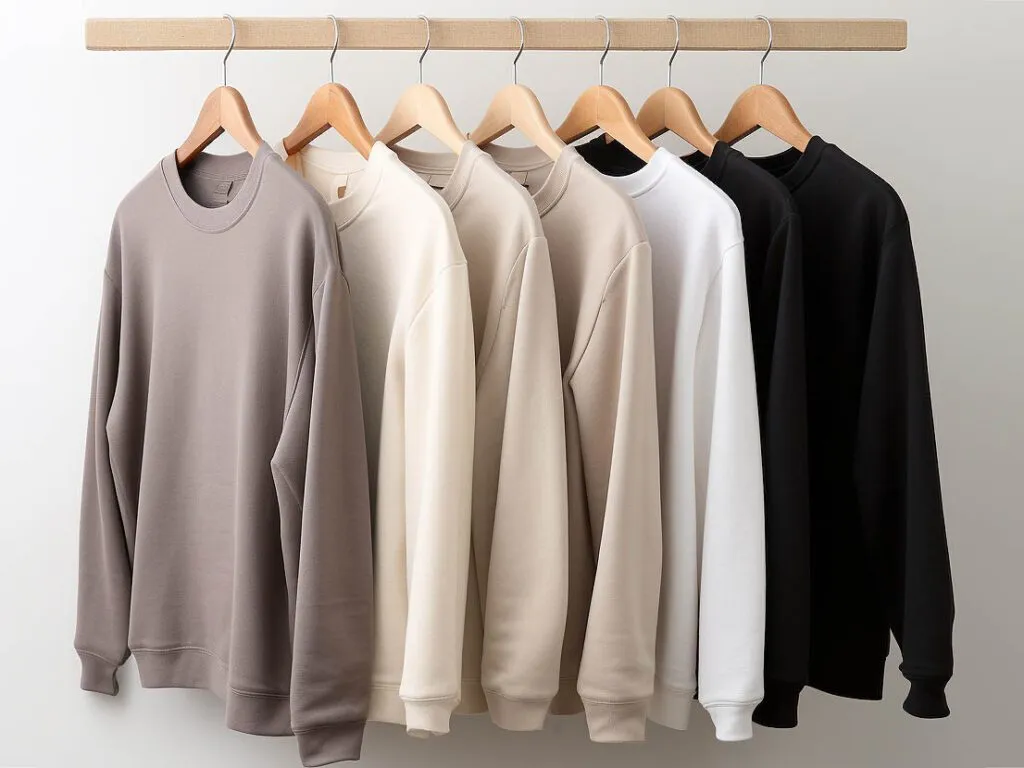
Anti-pilling performance affects how fleece garments look, feel, and hold up after repeated wear and washing. For clothing brands, fleece quality should be evaluated through fiber selection, fabric construction, finishing, and actual wash performance rather than GSM alone.
How Fiber Selection Influences Fleece Pilling and Durability
Fiber composition and yarn quality strongly influence fleece pilling. Longer, stronger fibers generally create a smoother yarn with fewer loose fiber ends, while shorter fibers are more likely to migrate to the surface during abrasion. Polyester can provide durability and strength, while cotton offers a soft, natural hand feel.
For custom fleece apparel, brands should confirm the exact fiber blend and yarn construction with their supplier. The right combination can improve surface stability, durability, and comfort, but performance still depends on knitting and finishing processes.
How Fleece Finishing Helps Maintain a Smooth Surface
Finishing can reduce loose fibers and improve the surface appearance of fleece. Processes such as brushing control, shearing, compacting, and anti-pilling treatments can help create a cleaner surface and improve resistance to repeated abrasion.
Brands should evaluate finishing together with fiber composition and fabric weight. A practical quality check includes washing and wearing samples before bulk production to assess pilling, shrinkage, softness, and surface appearance. This helps clothing brands select fleece that meets the expected performance for hoodies, sweatshirts, joggers, and other fleece garments.
How to Evaluate Fleece GSM and Anti-Pilling Before Production
Testing before you make a big order keeps your brand from losing money on returns. The ASTM D4970 test uses the Martindale Tester to check pilling. It rubs fabric pieces against rough material at a set pressure. Three round samples (38 mm wide) are kept at 21°C and 65% humidity. Fabrics get 9 kPa of pressure during the test. This standard gives buyers clear numbers to compare suppliers.
Why Brands Should Test Fleece Shrinkage and Colorfastness
Shrinkage and colorfastness tests show how fleece acts after many washes. A fabric that shrinks or fades loses its shape and looks bad. Ask for samples that have been washed like a real customer would. Lab numbers alone cannot tell you how a garment will behave after ten washes. Testing from real use finds issues that standard tests overlook.
How to Match Fleece Weight With Your Garment Collection
Different garments need different fleece weights. The table below compares common options.
| Fabric Type | Warmth | Breathability | Pilling Resistance | Cost |
|---|---|---|---|---|
| Anti-pilling fleece | High | Moderate | High | Moderate |
| Polyester fleece | High | Low | Moderate | Low |
| French terry | Moderate | High | High | Moderate |
Anti-pilling fleece works well for fleece jackets, hoodies, pullovers, and sweatshirts. French terry fits better for joggers, tracksuits, sweatpants, and shorts. Care instructions help your clothes last longer. Wash inside out in cold water. Avoid high heat. Tumble dry low. Skip fabric softeners that trap pills.
NBJM is a custom fleece maker and wholesale supplier with over 20 years of experience. The company does over $300 million in trade each year, works with more than 100 brands in over 30 countries, and makes 10 million pieces each year. The minimum order is 800 units with a 30-business-day production time and 24/7 support.
Check the blend and finishing before you order. Ask for wash-tested samples. Make sure the factory can do the job before you place a big order.
How Clothing Brands Can Choose the Right Fleece for Hoodies
Hoodies sit at the center of most fleece programs. The right pick starts with the garment’s job, not the fabric’s price. A hoodie needs a body that holds its shape, a hood that stands, and a surface that stays smooth after many washes. Weight sets the first filter. The 300–400 GSM band gives the warmth and structure a hoodie needs. Within that band, 340–380 GSM is the most commonly ordered mid-range for hoodies, jackets, and structured loungewear. A 380 GSM hoodie stands on its own and holds a crisp hood. A 350 GSM combed cotton LSF fleece with heavy enzyme treatment suits premium lines that sell at higher price points.
Blend and finishing decide pilling, not weight. A heavy hoodie with a weak blend still pills under abrasion. Buyers should confirm the fiber mix and the finishing method before bulk. Ask the supplier for wash-tested samples, not lab data alone. This step protects the brand from returns and keeps the surface smooth through repeated use.
How Fleece Fabric Supports Different Seasonal Product Lines
Season drives the weight choice. Spring and fall lines work well with 130–280 GSM fleece. A 200 GSM pullover hoodie layers over a tee and under a shell. It packs small and dries fast. Summer capsules often use lighter French terry for breathability. Winter lines move to 300–400 GSM. A 318 GSM polar fleece with a dense pile traps air for strong warmth retention. That weight suits cold-season hoodies, jackets, and loungewear.
A single silhouette can stretch across seasons when the weight changes. Brands order the same hoodie pattern in a light and a heavy version. This spreads development cost across more SKUs. NBJM, a custom fleece manufacturer and wholesale supplier, supports this approach with 800-unit minimums, 30-business-day production, and 24/7 support. The company brings 20+ years of experience, $300M+ in annual trade, 100+ brands served, and 10 million pieces made each year. Match the weight to the season, then lock the blend and finish before you commit.
Our Fleece Garment Manufacturing Solutions for Clothing Brands
NBJM provides custom fleece garment manufacturing for clothing brands, supporting fabric selection, garment development, customization, sampling, bulk production, and quality control. With over 20 years of apparel experience, NBJM works with brands across different collection sizes and product requirements.
Custom Fleece Garments for Different Brand Collections
Brands can customize fleece garments based on their collection positioning, including fabric composition, GSM, fit, colors, labels, trims, decoration, and packaging. Options such as embroidery, printing, custom neck labels, hangtags, and branded packaging help create a consistent brand identity across hoodies, sweatshirts, joggers, and other fleece apparel.
Flexible Fleece Production From Sampling to Bulk Orders
NBJM supports the production process from initial specifications and sample development to bulk manufacturing and final quality checks. Samples typically take 7–14 days, allowing brands to evaluate fit, GSM, hand feel, color, construction, and anti-pilling performance before bulk production.
The production process can be adapted to different collection requirements, from new product development to repeat orders. Brands can confirm the approved sample and fabric specifications before moving into bulk production, helping maintain consistency across fleece garment orders.
Frequently Asked Questions About Fleece Fabric for Clothing Brands
What GSM Range Is Common for Fleece Clothing?
Fleece clothing commonly uses different GSM levels depending on the garment type, season, warmth, and desired structure. Lightweight fleece can support layering, while midweight fleece is suitable for everyday hoodies and sweatshirts. Higher GSM fleece provides more warmth and a heavier, more structured feel. Brands should select GSM together with fiber composition and fabric construction rather than using weight alone.
How Can Clothing Brands Reduce Pilling on Fleece Garments?
To reduce pilling on fleece garments, brands should consider fiber quality, yarn construction, brushing, and finishing during fabric selection. Anti-pilling fleece treatments can also help improve surface performance. Before bulk production, brands should evaluate samples after washing and wear testing to check whether the fleece maintains a smooth surface over time.
Is Heavier Fleece Always More Resistant to Pilling?
No. Fleece GSM measures fabric weight, but it does not directly determine pilling resistance. A heavier fleece can still pill if its fibers, yarn structure, or finishing are not well controlled. Clothing brands should evaluate GSM alongside fiber composition, fabric construction, and anti-pilling performance when selecting fleece for a collection.
How Should Brands Test Fleece Before Bulk Garment Production?
Before bulk garment production, brands should test fleece samples for GSM, hand feel, color fastness, shrinkage, dimensional stability, and pilling performance. Washing and repeated-use tests can reveal changes that may not be visible in an initial fabric inspection. Confirming these results before production helps brands maintain consistent fleece garment quality across bulk orders.