How do you turn a clothing idea into thousands of finished pieces without expensive mistakes? The answer is a clear Apparel Development Guide. Many brands worry about unknown steps, long wait times, and quality issues. Whether you make fleece hoodies or French terry joggers, this guide gives you Fa simple step-by-step plan. It covers design, sourcing, sampling, production, quality control, and shipping. With the right partner, the process feels easier. You build confidence at each step, knowing the plan helps you avoid costly errors. Experienced partners like NBJM help you move through each phase smoothly. This Apparel Development Guide acts as your personal manufacturing handbook for successful production from idea to finished goods.
Key Takeaways
- A clear plan helps you avoid expensive errors when making clothes.
- A tech pack is a key document that helps factories.
- The fabric you pick changes how the garment feels and how well it works.
- Testing samples helps make sure the clothes fit well and are made well.
- Quality control checks help keep mistakes from happening.
Apparel Concept, Fabric and Material Development
Every garment begins with an idea. Start with a design brief that covers who will wear it, how it will be used, and what style it will have. Build mood boards and early sketches. The main result is a tech pack. A tech pack holds style details, measurements, material choices, and how the item is put together. It acts as the one true guide for factories.
Translating Creative Concepts Into Production-Ready Design Details
A full tech pack stops costly mix-ups. It includes flat sketches showing front and back views. It lists every measurement point with allowed limits. It states fabric type, weight, and fiber content. For fleece and French terry clothing, the tech pack must note fabric weight, loop or brushed finish, and blend percentage.
Other details should also be defined before sampling, including seam construction, rib specifications, pocket placement, closures, labels, and decoration requirements. Clear instructions give the production team a more precise reference when turning the original apparel concept into a physical sample.
Choosing Fleece or French Terry Based on Garment Requirements
Fabric choice changes how the garment feels and performs. Fleece gives great warmth and softness, making it suitable for cold-weather items such as hoodies, sweatshirts, and jackets. French terry offers a lighter feel and breathable looped structure, making it suitable for joggers, sweatshirts, shorts, and transitional apparel.
The choice should be based on the garment’s intended use rather than appearance alone. Consider climate, activity level, desired hand feel, stretch requirements, and whether the garment needs a brushed or looped interior. Fiber composition can also affect softness, durability, recovery, and care performance.
Matching Fabric Weight, Structure and Finish to the Product
Fabric weight, structure, and finish directly affect the final garment’s appearance and performance. GSM influences warmth, drape, thickness, and overall garment weight. A heavier fabric can create a more substantial feel, while a lighter option may be better for layering or warmer conditions.
Structure also matters. Brushed fleece creates a soft, warm interior, while French terry uses looped construction for a different texture and feel. Brands should consider how these structures interact with the garment’s silhouette, seams, cuffs, and other construction details.
Tech Pack, Pattern Making and Apparel Sample Development
Building a Complete Tech Pack for Accurate Apparel Production
A tech pack turns your approved design into clear instructions. This document tells the factory exactly how to make your garment. It includes flat sketches, measurement charts, build details, and trim specs. For fleece and French terry items, the tech pack must list fabric weight, fiber content, and how the fabric should feel. A 300 gsm brushed fleece needs different care than a 240 gsm loopback French terry. The document also notes stitch types, seam allowances, and label needs.
Professional tech packs cost money, but they prevent bigger losses from production mistakes. Industry pricing averages £250 per tech pack. Simple designs range from $100 to $400. Complex technical garments can reach $1,200 or more per style. This range depends on garment complexity, detail level, revisions, and production readiness. A complete tech pack stops costly mix-ups during bulk manufacturing.
NBJM’s design team helps brands build thorough tech packs. Their expertise covers fleece and French terry construction specifically. They know how fabric weight affects drape and durability. They understand how fiber content impacts breathability and warmth. This knowledge ensures your tech pack contains accurate, production-ready specs.
Creating Patterns and First Samples From Approved Specifications
Once the tech pack gets approval, pattern making starts. A pattern maker turns your measurements into templates for each garment piece. For fleece hoodies, this includes body panels, sleeves, hood pieces, and pocket shapes. French terry joggers require leg panels, waistbands, and cuff patterns. The pattern must account for fabric stretch and recovery properties.
The first sample, called a prototype or fit sample, brings your design to life. Manufacturers cut fabric using the new patterns and sew a single garment. This sample shows how the design works in real fabric. It reveals whether measurements match the tech pack. It exposes construction challenges before bulk production starts.
NBJM creates samples within 7–14 days. Their network of 30+ partner factories provides access to diverse production capabilities. Their fabric library includes custom options, including eco-friendly choices. This variety lets brands test different materials during sampling. A well-executed sample builds confidence for the next stage: fit testing and revisions.
Reviewing Sample Construction, Fabric Behavior and Workmanship
After the first sample is completed, brands should review more than the overall appearance. The sample should be checked against the approved tech pack for measurements, proportions, construction, and material performance. This stage helps identify problems before they reach bulk production.
For fleece and French terry apparels, fabric behavior is particularly important. Brands can check whether the fabric drapes as expected, whether seams remain stable, and whether cuffs, waistbands, and other areas maintain their intended shape. The sample should also be inspected for stitching consistency, seam finishing, pocket placement, print or embroidery quality, and overall workmanship.
Any differences found during the review can be marked for pattern or construction adjustments. A structured sample review creates a clear basis for revisions and final approval, helping manufacturers maintain the intended design when moving from apparel sample development to bulk production.
Fit Testing and Sample Revisions Before Production Approval
Evaluating Garment Fit, Measurements and Overall Product Appearance
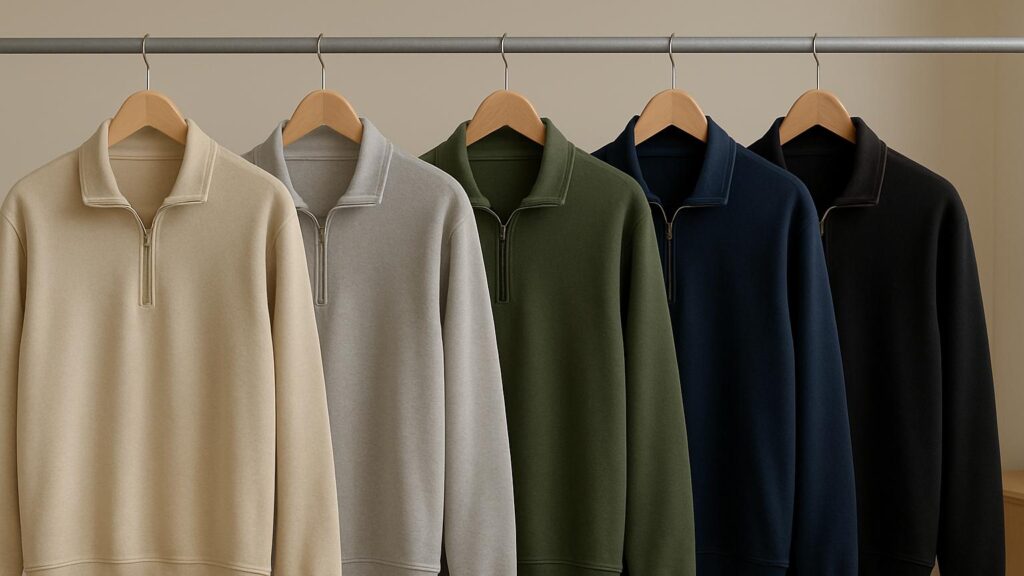
The first sample arrives. Now the real work begins. Fit testing checks how the garment sits on a real body. A fit model wears the sample. The team examines shoulder seams, armhole depth, and torso length. They look at how the hood drapes or how the jogger cuff sits at the ankle. They check the overall silhouette against the original design intent.
Measurement verification follows the visual check. Every point on the garment gets measured against the tech pack. Industry standards provide typical tolerance ranges. The table below shows common acceptable variations for different garment types.
| Garment Type | Measurement Point | Tolerance |
|---|---|---|
| T-shirt | Chest width | ±1 cm |
| Jeans | Waist | ±0.5 in (±1.3 cm) |
| Dress | Length | ±1 cm |
| Jacket | Sleeve length | ±0.7 cm |
These figures represent typical examples. Premium brands often demand stricter tolerances. Casualwear may permit wider ranges. Each brand sets its own quality bar.
Fabric behavior matters during evaluation. Fleece stretches differently than French terry. A hoodie that fits perfectly in rigid cotton may pull across the shoulders in brushed fleece. The evaluation team must account for each fabric’s unique properties.
Managing Sample Feedback and Revisions Before Final Approval
The fit session produces detailed notes. The pattern maker receives specific correction requests. Sleeve length may need adjustment. The waistband might require more elastic tension. Each revision gets documented clearly.
A common industry guideline helps standardize these adjustments. For body circumferences, manufacturers allow a tolerance of 25% of the size increment. For example, if the size difference between a Small and Medium t-shirt is 2 inches, the acceptable tolerance would be 0.5 inches. This tolerance applies consistently across all sizes, even when larger sizes have bigger increments. This approach simplifies quality assurance checks.
The revision loop continues until approval. Pattern drafting leads to a first prototype. The fit session reveals issues. Corrections go back to the pattern. A new sample gets produced. This cycle repeats until the garment meets every specification.
NBJM completes sample creation within 7–14 days. Their team offers 100% customization throughout this process. They maintain responsive 7-day communication during revisions. This rapid feedback loop keeps projects moving forward. Brands receive clear updates at each stage. The manufacturer handles all factory communication, so brands focus on design decisions rather than logistics. Once the sample passes final inspection, the garment moves to costing and pre-production planning.
Costing, MOQ and Pre-Production Planning for Bulk Manufacturing
Calculating Apparel Costs Based on Materials and Production Needs
Costing tells you if your product makes financial sense. Fabric is the biggest cost. Industry data shows fabric takes up 50–70% of total manufacturing costs. Trims make up 8–12%. Sewing and finishing labor adds 10–15%. Overheads and quality checks cover the rest. Using fabric more wisely saves more money than cutting labor costs by the same amount.
A simple example helps explain the math. A basic pullover hoodie costs $16–$28 per unit at mid-volume production. A premium zip-up version costs $34–$58 per unit. The price gap comes from materials. Premium versions use heavier fleece, better zippers, and branded drawstrings. Labor costs also go up with more complex designs.
Order size changes these numbers a lot. Orders under 500 units raise per-unit costs by 30–50%. Orders above 2,000 units lower costs by 15–25%. Bulk pricing for a 280gsm French terry pullover hoodie runs $2.70–$3.50 per piece FOB at 300+ pieces per color. Crewneck sweatshirts cost $0.60–$0.90 less per unit. NBJM helps brands understand these costs through their network of 30+ partner factories.
Setting Order Quantities and Production Timelines Before Bulk
Minimum order quantities (MOQs) shape how you plan production. NBJM sets an MOQ of 800 units per style. This number works for new brands and supports larger companies too. Their annual capacity of 10 million pieces means they can grow with your brand.
Lead times need careful planning. A typical bulk apparel order takes 3–6 weeks of factory time, not counting shipping. First orders need extra time for sampling. The full timeline from first contact to delivery takes about 3 months. Fabric sourcing takes 1–4 weeks. Sampling and revisions use 10–15 days per round. Knitting, dyeing, and relaxing need 1–2 weeks. Cutting and sewing take 20–25 days. Quality control, packing, and paperwork add 3–5 days. Sea freight takes 3–6 weeks.
Repeat orders skip the sampling step entirely. This shortcut removes about two weeks from the schedule. Clear communication prevents delays. NBJM promises email replies within 8 hours. Their team handles all factory communication, so brands get accurate updates during production. Setting quality standards early and keeping open communication keeps your timeline on track.
Confirming Materials, Packaging, Labels and Production Standards
Before bulk manufacturing begins, brands should confirm all final production details, including fabric specifications, trims, colors, labels, packaging, decoration, and quality requirements. A clear pre-production checklist helps prevent differences between the approved sample and bulk apparel.
NBJM supports customization across fabric, processes, decoration, labels, and packaging, allowing these requirements to be coordinated before production. This gives both the brand and manufacturer a clear reference for bulk manufacturing and reduces avoidable production errors.
Pre-Production Approval and Final Production Preparation
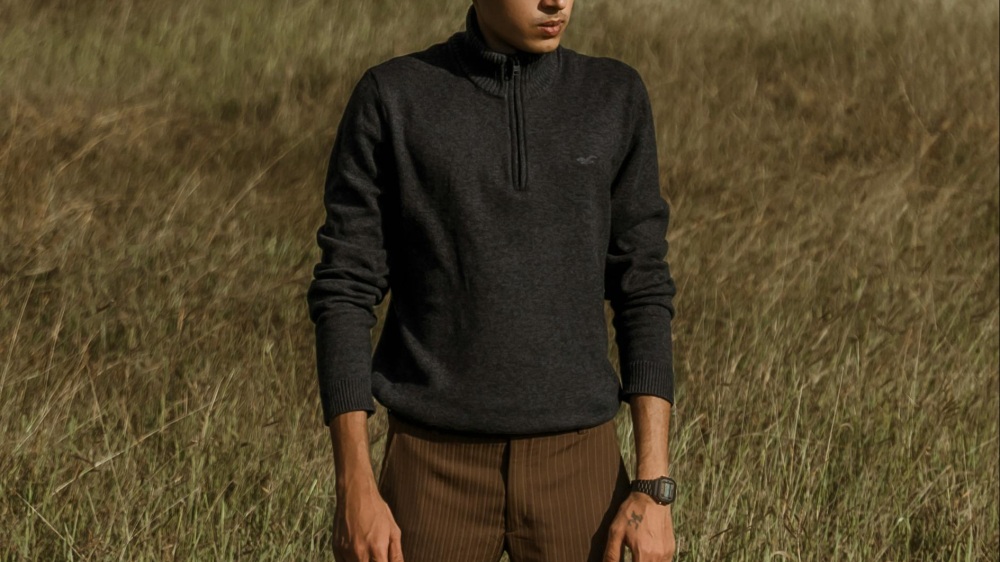
After sample approval, the pre-production phase begins. This stage checks every detail before bulk manufacturing starts. A small error here can waste thousands of units. The PP sample serves as the final bridge between sampling and mass production.
Reviewing PP Samples Against Approved Apparel Specifications
The pre-production sample comes from the actual production line. It uses the same fabric, trims, and sewing methods planned for bulk orders. This sample confirms that everything matches the approved specs. Factories produce one or two units from the planned production setup.
Common defects cause rejection at this stage.
| Defect Category | Key Evidence/Threshold | Rejection Impact |
|---|---|---|
| Color Discrepancy | Measured ΔE of 3.2 between batches (visible to naked eye) | Rejected under 2.5 AQL grade; most common commercial rejection cause |
| Measurement Deviation | Tolerance bands: ±1 cm for most points; ±0.5 cm for collar/cuff; wider for body length/inseam | Lot rejection triggered when >20% of sampled garments fall outside tolerance |
| Fabric/Trims Issues | Material-level defects found before cutting (fabric quality, trims/labels mismatch) | Catches problems before they propagate to every downstream unit |
A documented case found a ΔE of 3.2 between batches — a difference visible to the naked eye and enough to cause rejection under a 2.5 AQL grade. This demonstrates that color discrepancy is a leading, measurable cause of pre-production sample rejection.
Measurement deviation remains the most common rejection cause in garments. Tolerance drift accumulates gradually across a production run. Root causes include cutting table calibration drift, pattern grading inconsistencies mid-size-run, and accumulated variation across operators. When more than 20% of sampled garments fall outside tolerance, the lot faces rejection.
Finalizing Production Details Before Bulk Manufacturing Begins
Before production starts, every detail needs final confirmation. Manufacturers require a complete checklist before cutting begins. This prevents costly mid-production changes.
Order details must match the buyer’s PO. Fabric details like GSM and composition need shade band approval. Trims including zippers, labels, and hangtags require sign-off. Construction details such as stitch type and SPI must match the approved sample. Special processes like printing or embroidery need confirmation. Quality standards define inline and end-line inspection systems. Test requirements for color fastness and shrinkage get confirmed before cutting. NBJM, an experienced NBJM manufacturer, handles all factory communication and quality control coordination. Their 30-business-day production cycle moves projects forward efficiently. With an MOQ of 800 units and annual capacity of 10 million pieces, they support brands at every scale.
Bulk Apparel Production and Quality Control Management
Bulk production turns your approved sample into thousands of units, making consistent quality control essential. Manufacturers cut fabric in layers, sew components on assembly lines, and finish garments in batches. Problems at any stage can multiply across the production run. Inline and final inspections help identify defects before packing and shipping.
The Acceptable Quality Level (AQL) standard sets clear defect limits for apparel production:
| Defect Type | Acceptable Level | Examples |
|---|---|---|
| Critical | Always 0 | Missing zipper, unsafe button |
| Major | AQL 2.5 | Broken seam, mismatched size label, opening seam |
| Minor | AQL 4.0 | Loose thread, uneven topstitch |
Physical testing also verifies fabric and garment performance. Shrinkage tests measure dimensional changes after washing, while colorfastness tests check whether dyes bleed or fade. These checks help confirm that garments can withstand normal wear and care.
Third-party inspectors provide an independent assessment of production batches. They randomly sample finished garments and check them against agreed AQL standards, helping identify issues before goods are shipped.
NBJM coordinates quality control with its partner factories, including inline checks and third-party inspections. The team shares inspection results with brands and manages quality communication throughout production. With an annual capacity of 10 million pieces, this structured process supports consistent quality across custom apparel orders.
Our Apparel Development and Manufacturing Support for Brands
Supporting Fabric Selection With Fleece and French Terry Expertise
The fabric you choose affects how a garment looks, feels, and performs. NBJM has over 20 years of experience with fleece and French terry, supporting more than 100 brands in 30 countries. This expertise helps brands select suitable fabric weights, fiber blends, and finishes for different apparel applications.
The NBJM fabric library includes options from over 30 partner factories, from brushed fleece for warm hoodies to loopback French terry for breathable joggers. The team can also advise on how fabrics behave during cutting, sewing, and washing, helping reduce material selection errors.
NBJM supports customization from fabric and processing methods to decoration and garment design. Its design team can also help turn product concepts into production-ready specifications.
Providing Consistent Fabric Supply for Sampling and Bulk Production
A reliable fabric supply helps keep sampling and bulk production on schedule. NBJM works with its partner factories to source materials for both samples and larger orders, helping maintain consistency between approved samples and bulk production.
NBJM produces over 10 million ready-to-wear pieces annually, with an MOQ of 800 units per style. Its process can move from design approval to samples in 7–14 days, with production and shipping completed within 30 business days.
NBJM also supports custom labels, packaging, and shipping arrangements. Its team coordinates factory communication, quality checks, and logistics, allowing brands to focus on product development while the manufacturing details are managed.
Coordinating Development Requirements With Reliable Production Support
Apparel development involves more than fabric and samples. Pattern requirements, garment construction, decoration, labels, packaging, and quality standards must all remain aligned throughout production.
NBJM coordinates these requirements with its partner factories and provides a central point of communication for brands. From custom apparel development to bulk manufacturing and shipping, this support helps reduce communication gaps and keep production requirements consistent.
A well-managed process connects each stage of apparel development. Clear specifications, approved samples, consistent materials, and coordinated production support help brands move from concept to finished garments more efficiently.
FAQs About Apparel Development From Concept to Bulk Production
How Long Does the Apparel Development Process Typically Take?
The timeline depends on garment complexity, fabric selection, sample revisions, and order requirements. For custom apparel, brands should allow time for design development, fabric confirmation, pattern making, sampling, revisions, and bulk production.
NBJM can complete samples within 7–14 days after design requirements are confirmed. Its production process then moves from approved samples to bulk manufacturing, helping brands plan their apparel development timeline more efficiently.
What Information Does a Manufacturer Need to Develop Samples?
A manufacturer typically needs a design concept, technical drawings, measurements, fabric requirements, color references, trims, decoration details, and packaging or labeling specifications.
A complete tech pack makes these requirements easier to organize. For fleece and French terry apparel, brands should also provide the desired fabric weight, composition, structure, and finish where applicable.
Why Is a Tech Pack Important for Apparel Product Development?
A tech pack gives the manufacturer a clear production reference. It records measurements, construction details, fabric specifications, trims, labels, and other requirements in one document.
This helps designers and manufacturers work from the same specifications, reducing misunderstandings during pattern making, sampling, and bulk production. For custom apparel development, an accurate tech pack also makes revisions easier to track.
How Many Sample Rounds Are Usually Needed Before Bulk Production?
There is no fixed number of sample rounds. Simple styles may need only one or two rounds, while more complex garments may require additional adjustments for fit, fabric behavior, construction, or decoration.
Each round should focus on specific issues identified during review. Once the fit, appearance, materials, and workmanship meet the approved requirements, the final sample can be used as the reference for bulk production.
What Is the Difference Between Apparel Sampling and Bulk Production?
Apparel sampling creates a limited number of garments to test the design, fit, materials, and construction before committing to a larger order. Bulk production follows the approved specifications to manufacture the required quantity.
Sampling allows brands to identify and correct problems at an early stage. Bulk production focuses on consistent execution, quality control, and production efficiency across the full order.