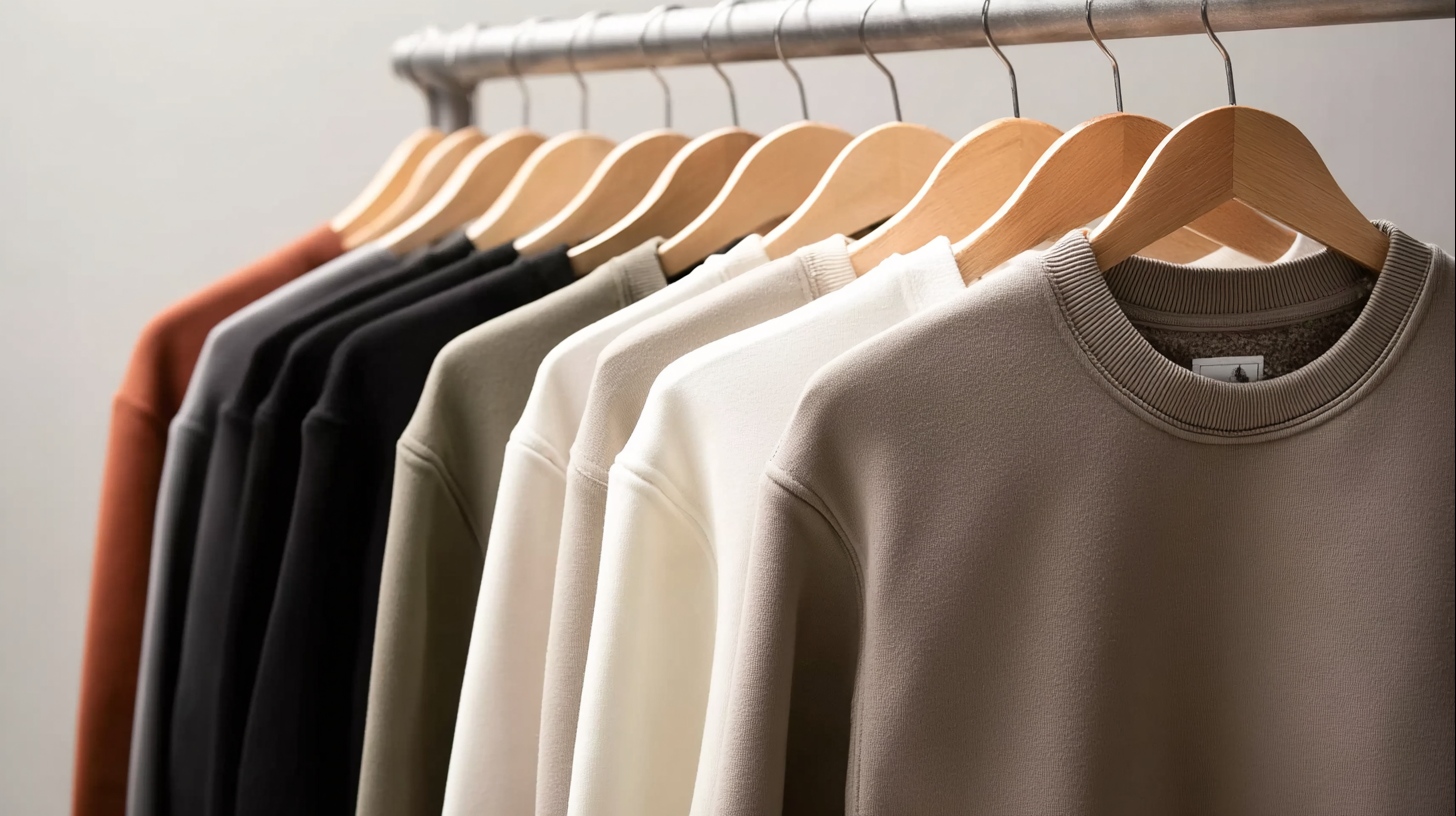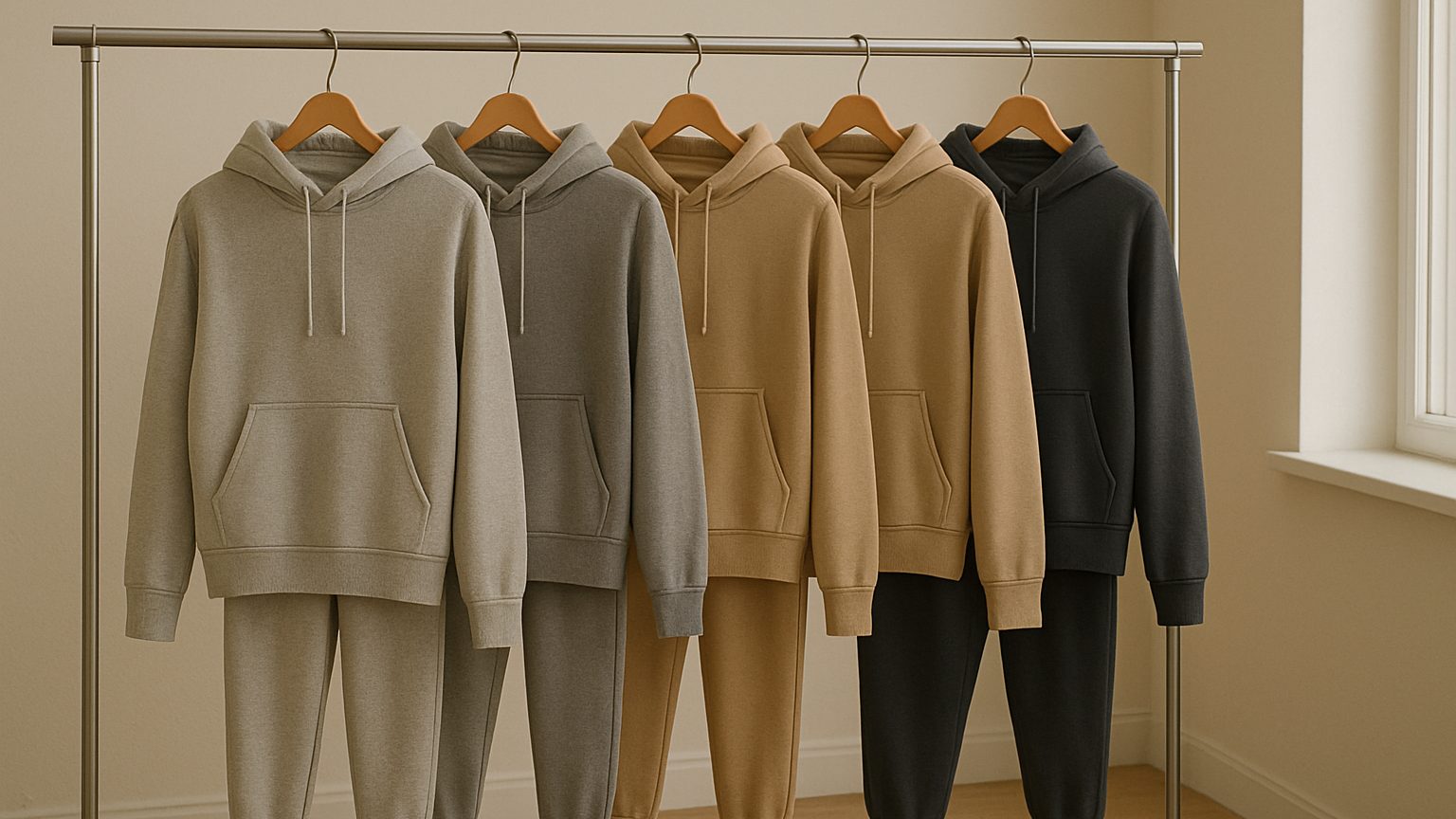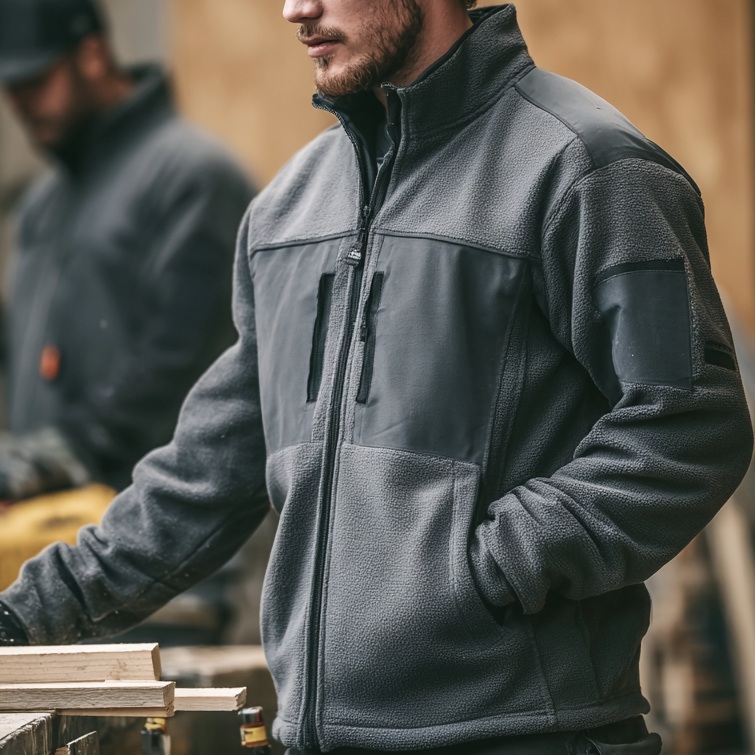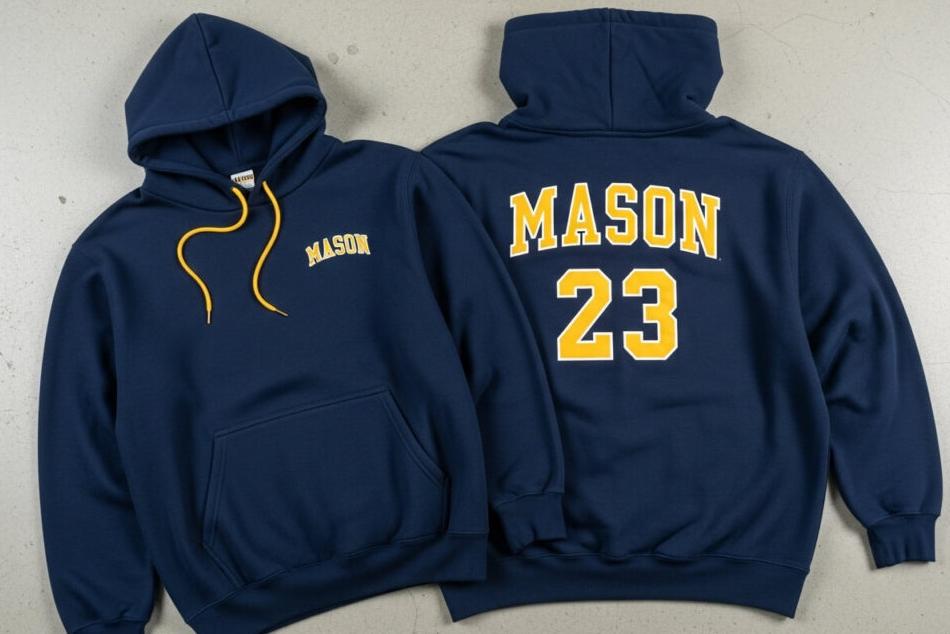
You’re launching a hoodie line, but which fabric will define your brand’s success? Brand owners face a tough choice among fleece, French terry, waffle knit, and scuba. Each option changes how a hoodie feels, how long it lasts, how well prints hold, and what production costs. That decision shapes your margins and your reputation. This post compares the top fabrics head-to-head. It weighs GSM, warmth, and printing methods side by side. The goal is simple: Which Is Right for Clothing Brands? Every fabric has a job. The right match depends on your customer, your price point, and your collection goals. Let’s break down the showdown.
Key Takeaways
- Fleece gives warmth and shape for hoodies worn in cold weather or made in big, loose styles.
- French terry lets air flow through and has a smooth surface for clear prints.
- Fabric weight (GSM) tells you what season it’s for: 280–320 GSM for mild weather, and 350+ for winter.
- Check sample pieces before full production to make sure the GSM, fiber content, and finish are right.
Why Hoodie Fabric Choice Matters for Clothing Brands
Fabric choice affects every stage of a hoodie’s life. It controls how the garment feels on day one and how it holds up after dozens of wash cycles. For brand owners asking Which Is Right for Clothing Brands?, the answer begins with knowing what fabric really does.
How Fabric Selection Affects Hoodie Comfort and Performance
Comfort depends on how a fabric lets air and moisture pass through. Cotton fleece allows the most air flow, while an 80/20 cotton-polyester blend allows the least. That same blend also has the lowest thermal conductivity, so it holds warmth well. Polyester keeps about 90% of its insulating power when wet, but cotton loses almost all warmth when damp. Breathability also matters during activity. Higher air flow lets heat escape through convection and evaporation. In a five-shirt comparison, a shirt with low air flow earned much worse thermal comfort scores than the rest. For printing, cotton soaks up ink evenly for rich colors. Polyester pushes away water-based inks and needs special formulas.
Why Fabric Weight Matters for Different Hoodie Collections
GSM tells you which season a hoodie fits. A summer hoodie works best at 180–250 GSM. A winter staple needs 350–400+ GSM for steady warmth. For layering under a shell, 250–300 GSM fits without extra bulk. Weight also shapes how consumers see your product. A 280–380 GSM hoodie feels solid and structured. Above 380 GSM, the fabric feels thick and warm. The real question for Which Is Right for Clothing Brands? is not which fabric wins overall. It is which fabric fits your collection’s purpose.
Fleece vs French Terry: Key Differences for Hoodie Brands

Fleece and French terry are the top fabrics for hoodies. Both start from similar cotton or cotton-blend yarns. But how they are finished makes them very different. Understanding these differences helps brand owners answer the question of Which Is Right for Clothing Brands? with confidence.
How Fleece Supports Warmth and Structured Hoodie Designs
Fleece is known for keeping you warm. The fabric has small, fluffy fibers on its surface. These fibers create many tiny air pockets. Air does not carry heat well, so trapped air stops heat from moving away. The fuzzy layer also holds warmth and lets it out slowly when the temperature drops. A thick texture blocks wind from getting through. Cold air stays out, and heat loss from wind-chill goes down. These three things explain why fleece hoodies feel so warm.
Weight ranges show that purpose. Fleece usually goes from 250 to 500 GSM. Mid-weight styles are about 300–350 GSM. Heavyweight options are 380–420 GSM. Very heavy streetwear pieces reach over 450 GSM. These numbers give the garment body and weight.
Decoration methods work well with fleece’s heavier feel. Embroidery, appliqué embroidery, puff print, and flock print all work great. Holiday graphics also come out strong. A smooth, even outer face is key for good quality. Always test on the real fabric before bulk production.
How French Terry Supports Breathable and Lightweight Designs
French terry takes a different approach. Its loops stay on one side and are not cut. That shape lets more air move through. It wicks away moisture to keep the wearer cool and dry during exercise. Yoga pants and activewear are a good fit. The stretch and comfort let the fabric move with the body.
Weight ranges for French terry go from 220 to 480 GSM. Common orders are between 280 and 380 GSM. Luxury heavyweight versions reach 400 GSM and above. Heavyweight winter styles can hit 450–500 GSM. The fabric hangs softly and feels light on the skin.
Printing results are also different. French terry has a smoother outer surface. Clean screen print, water-based print, and digital print all give sharp results. Graphic sweatshirts benefit from this smooth face. Both fabrics support printing and embroidery. Surface smoothness, thickness, and decoration method decide the best match.
As a textile supplier with over 20 years of experience, NBJM specializes in custom fleece and French terry apparel. The company has served more than 100 brands in over 30 countries. Brands that want wholesale or custom hoodie manufacture can count on that know-how.
Waffle knit and scuba round out the choices. Waffle knit has a textured grid surface. Scuba offers a smooth, firm feel. Both work well for special collections.
How Fabric Structure Affects Hoodie Fit and Performance
Fabric construction affects how a hoodie drapes, stretches, and holds its shape. Brushed fleece generally creates a fuller, warmer silhouette, while loopback French terry offers a lighter and more flexible feel.
When developing a custom hoodie, match the fabric structure and GSM with the desired fit, season, and end use. NBJM specializes in custom fleece and French terry apparel for brands across different markets.
How Clothing Brands Should Choose Hoodie Fabric
Match Fleece or French Terry With Collection Needs
The fabric you pick should fit what your collection is for. French terry is now the top pick for streetwear brands that want a look that works all year. Its smooth outer face and uncut loops inside give it shape, airflow, and sweat control. Athleisure labels that target style-focused buyers like French terry for these reasons. Fleece works better for lounge wear and classic oversized styles. Its soft inside traps heat, which is great for cold-weather drops.
Market data backs up this split. Cotton holds 36.2% market share in the material type segment. Over 60% of buyers care most about skin-friendliness and breathability when they pick hoodies. These numbers show that comfort drives what people buy. For brands asking Which Is Right for Clothing Brands?, the answer depends on who your customer is and what their climate is like.
Beyond these two fabrics, waffle knit and scuba give you special textures for special collections. Cotton-polyester blends give you durability and lower costs for mass production runs.
Choose Fabric Weight Based on Season and Hoodie Design
Fabric weight decides which season your hoodie is for. Spring and fall collections work well at 280–320 GSM. Fall and winter retail in the US and Europe usually uses 320–360 GSM. Colder climates need 380–420 GSM for steady warmth.
Oversized designs need heavier fabrics to hold their shape. Dropped shoulders and boxy bodies need denser materials that will not fall apart. French terry at 350–420 GSM works for premium year-round oversized hoodies. Statement pieces may reach 420–480 GSM for a stronger shape. Lightweight oversized styles at 280–350 GSM work when you want a relaxed drape.
New brands often make mistakes here. They pick fabric by look and feel alone. A soft 180 GSM cotton jersey cannot hold up an oversized zip hoodie. The pockets sag and the hood loses shape after one wash. Always test samples before bulk production. Confirm GSM, fiber composition, and finish with your supplier.
Balance Comfort and Performance With Target Customer Needs
Comfort should match how customers will actually wear the hoodie. For lifestyle and casual collections, softness, breathability, hand feel, and shape retention may be key priorities. For activewear or higher-use garments, moisture management, quick drying, durability, and color retention can become more important.
Brands should also evaluate fabric performance through samples before bulk production. Check hand feel, shrinkage, colorfastness, pilling, and dimensional stability after washing, then confirm the approved fabric specifications with the supplier. This helps maintain consistent quality across custom hoodie production and repeat orders.
Our Fleece and French Terry Hoodie Manufacturing Solutions

NBJM has over 20 years of experience in textile exports for hoodie projects. The company has worked with more than 100 brands in 30 countries. Yearly trade is over $300 million. This size helps brands that need a steady wholesale hoodie supply.
Custom Hoodie Development With Fleece and French Terry Fabrics
Brands can customize fabric composition, GSM, fit, colors, trims, printing, embroidery, labels, and packaging to match different collection requirements. NBJM supports both fleece and French terry hoodie development, helping brands refine fabric selection, patterns, construction, and decoration before bulk production.
Flexible Production Support for Different Hoodie Collections
NBJM supports the process from mockup and pattern making to samples, bulk production, QC, and shipping. Pattern development typically takes 1–3 days, while samples can be completed within 7–14 days. After approval, bulk production and shipping are handled through the established production network, helping brands manage different collection sizes and delivery schedules.
Frequently Asked Questions About Hoodie Fabrics
Is Fleece or French Terry Better for Clothing Brand Hoodies?
Neither fabric is universally better. Fleece is suited to warm, soft, and structured hoodies, while French terry offers a lighter and more breathable option for casual, activewear, and layering collections. Clothing brands should choose based on season, target customer, fit, and intended use.
Which Hoodie Fabric Is Better for Warm and Cold Weather?
Fleece generally works better for cold-weather hoodies because its brushed surface provides greater insulation. French terry is more suitable for mild or warmer conditions because its loopback construction allows more airflow. For transitional seasons, midweight French terry can provide a balance of comfort and coverage.
Is French Terry Suitable for Lightweight Hoodie Collections?
Yes. Lightweight French terry is well suited to spring, summer, activewear, and layering-focused hoodie collections. NBJM offers lightweight French terry from around 180–250 GSM, providing breathable comfort and easy movement without the bulk of heavyweight fabrics.
How Should Brands Choose Hoodie Fabric Weight and Thickness?
Brands should consider GSM, thickness, fabric construction, fiber composition, and the intended hoodie design together. Around 180–250 GSM suits lightweight styles, while 260–330 GSM offers greater versatility. Heavier 340–450 GSM French terry or heavyweight fleece can create more structured and substantial hoodies. Always test a physical sample to confirm the actual hand feel, drape, and performance before bulk production.