When it comes to sweatshirt vs. jacket, most clothing brands find sweatshirts to be the safer and more flexible winter pick. Jackets can set your brand apart and bring in more profit. The choice between sweatshirts and jackets shapes your brand plan. This quick comparison shows the main differences:
| Aspect | Sweatshirts | Jackets |
|---|---|---|
| Cost | Cheaper to make | Costs more per unit |
| Production Complexity | Easier to source and make | Harder to make (linings, zippers, insulation) |
| Style Versatility | Casual, easy to layer | Premium, protects from weather |
| Target Audience | Streetwear, comfort-focused | Outdoor, luxury-conscious |
Use this guide to decide what fits your brand goals and what your customers want.
Key Takeaways
- Sweatshirts cost less to make. They are easier to produce. They fit casual and streetwear brands.
- Jackets cost more to make. They build a premium image. They fit outdoor and luxury brands.
- Base your choice on your brand identity and customer needs. Comfort seekers want sweatshirts. Weather-conscious buyers want jackets.
- Test your winter line with a small batch. Order 800 units per design. This checks demand without big risk.
- Work with NBJM for custom fleece and jacket options. Their team handles design and production. Samples ship in 7 to 14 days.
Sweatshirt vs. Jacket: Key Differences for Clothing Brands
For clothing brands, sweatshirts and jackets serve different product roles. Sweatshirts focus on comfort, casual styling, and easy layering, while jackets can provide more structure and protection from outdoor conditions. The right choice depends on the collection’s target customer, season, and intended use.
How Sweatshirt and Jacket Construction Affects Brand Positioning
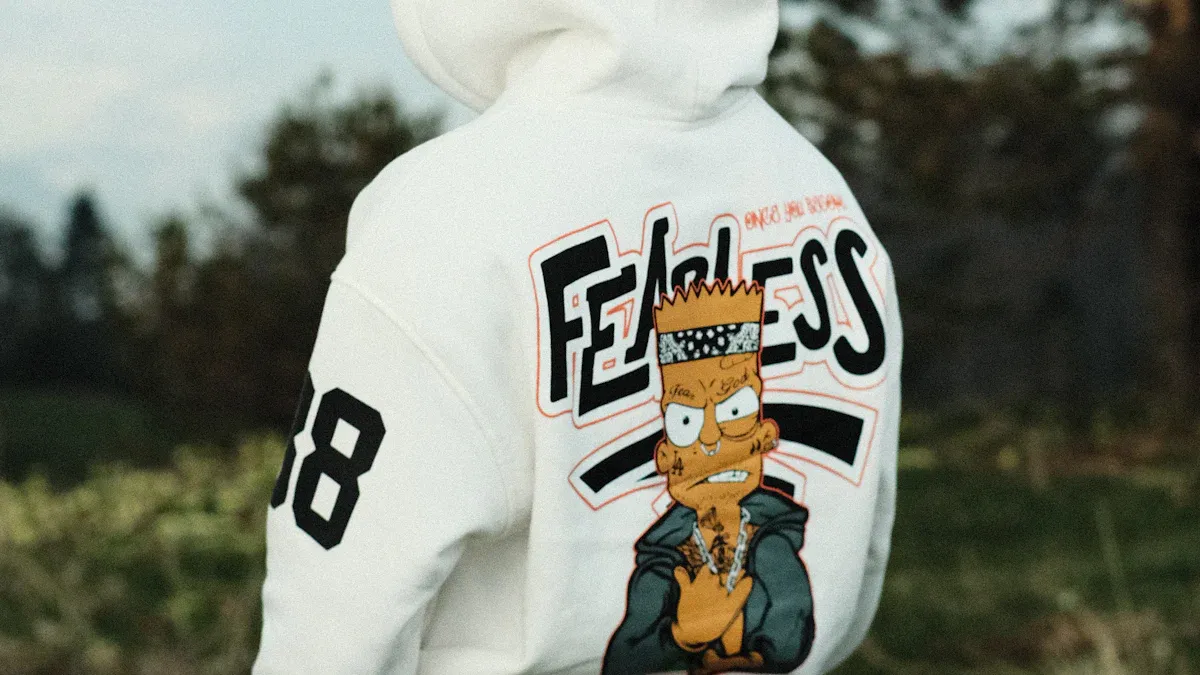
Sweatshirts generally use simpler constructions with fewer components, making them suitable for casual, streetwear, athleisure, and everyday collections. Hoodies, crewnecks, and pullovers can also be developed in different fits to create distinct brand aesthetics.
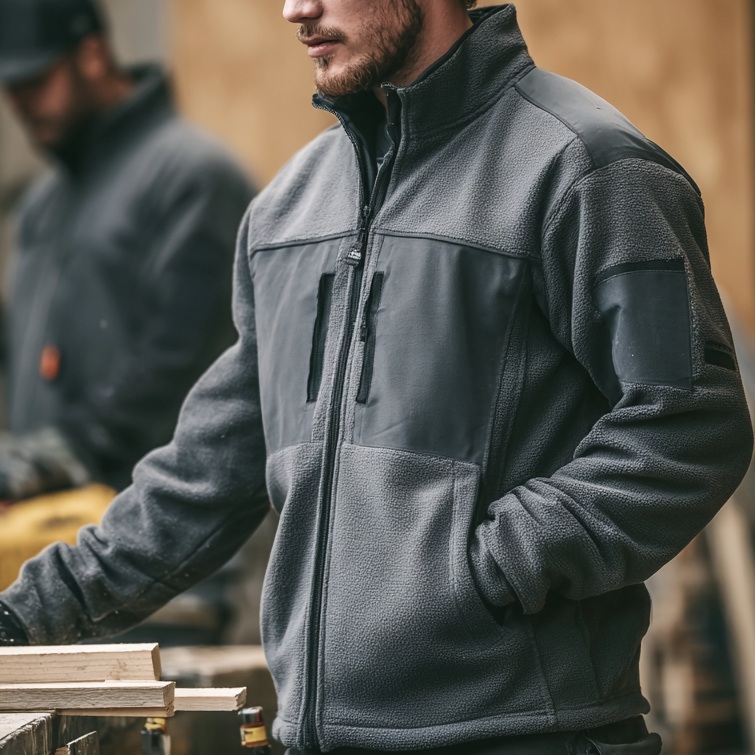
Jackets usually involve more construction details, such as zippers, pockets, linings, panels, or insulation. These features can create a more structured product and support collections positioned around outdoor use, technical performance, or premium outerwear.
How Fabric Choices Affect Warmth, Comfort, and Product Performance
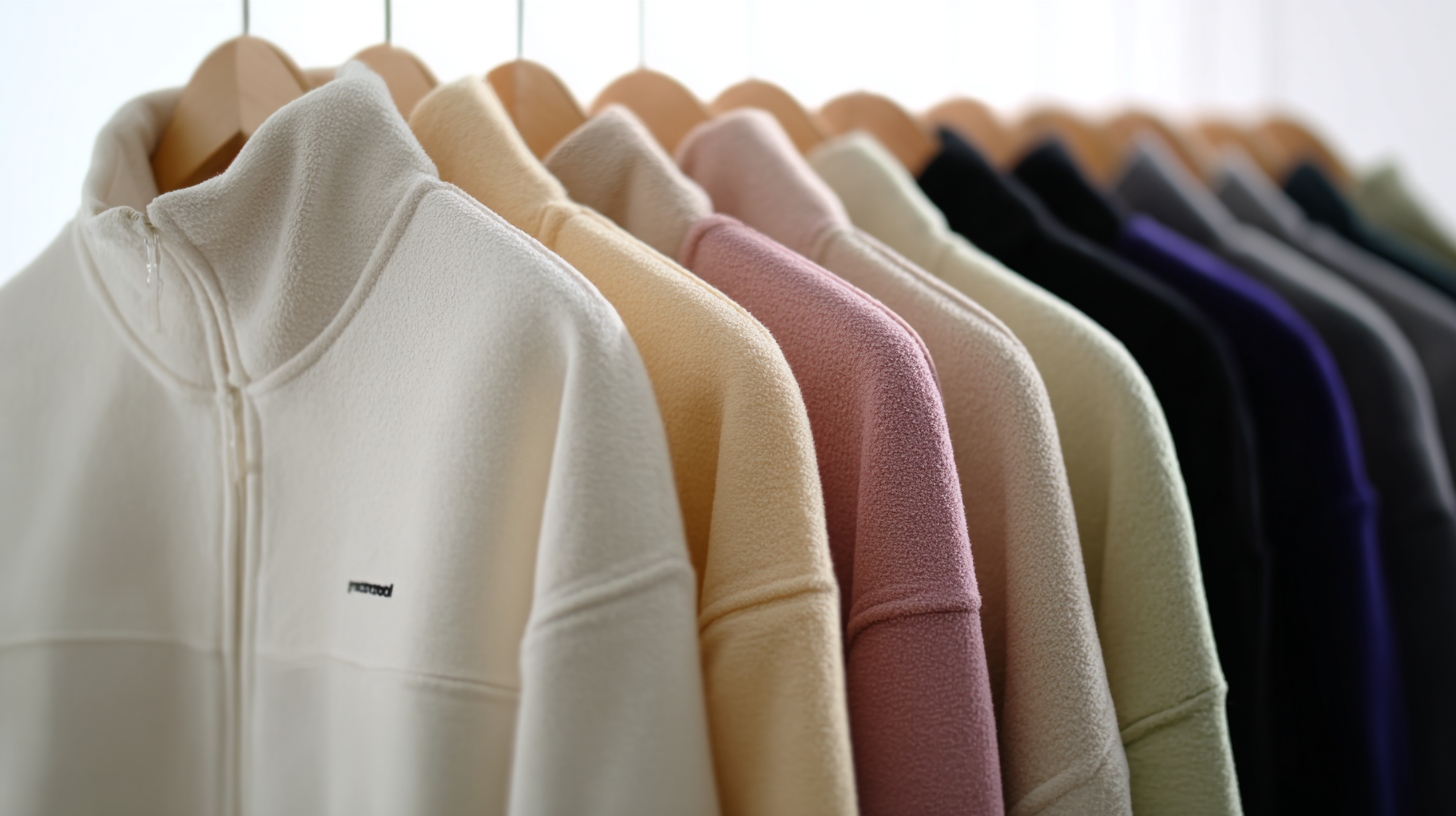
Fabric selection affects how a garment feels and performs. Fleece provides a soft, warm option for colder collections, while French terry offers a lighter construction for transitional weather and layering. Brands can explore different fleece apparel categories to select suitable styles, fabric weights, and designs for different winter collections.
Jackets can use shell fabrics, linings, and insulation depending on the required level of warmth, durability, and weather resistance. For clothing brands, the fabric should therefore be selected based on the garment’s intended use rather than warmth alone.
How Weather Protection Differs Between Sweatshirts and Jackets
Sweatshirts are mainly designed for comfort and everyday wear. They can provide warmth but generally offer less protection against wind and rain than purpose-built outerwear. This makes them suitable for mild weather, indoor use, and layering.
Jackets are more suitable when weather protection is a key product requirement. Their construction can incorporate wind-resistant shells, water-resistant materials, insulation, hoods, and adjustable closures. Brands should match these features to the expected conditions instead of treating a sweatshirt and jacket as interchangeable winter products.
When Should Brands Choose Sweatshirts or Jackets for Winter?
Winter collections need different products for different customers. The choice between a sweatshirt and a jacket depends on your brand identity and what your buyer needs. Each option serves a clear purpose in the winter market.
When Sweatshirts Fit Casual and Comfort-Focused Winter Collections
Sweatshirts work best for brands that target buyers who want comfort. A fleece sweatshirt is especially suitable for younger consumers aged 18–35 who prefer multifunctional pieces that combine subtle performance features with clean, wearable design. They want products that reduce overheating, pilling, or loss of stretch. Fleece and French terry fabrics can meet these expectations well.
Professionals aged 25–40 look for functional and polished styles. A well-made sweatshirt balances practical comfort with appearance. Features like flexible waistbands and adaptive fits have become basic requirements. Brands that add moisture control and thermal regulation into sweatshirts beat basic alternatives. The sweatshirt vs. jacket decision often comes down to this: sweatshirts offer year-round layering appeal, while jackets serve a narrower seasonal window.
When Jackets Suit Weather-Protection and Functional Winter Collections
Jackets serve brands that target harsh winter conditions. Water-resistant exteriors with reinforced seams guard against moisture and wind in snowy or freezing conditions. Storm cuffs, adjustable hoods, and reinforced shoulders give extra protection. Layered protection such as windproof exteriors, sealed seams, and storm flaps defends against snow, wind, and moisture.
These features build a premium brand image. Jackets carry higher perceived value because of their functional appeal. Wind and rain resistance, durability, and rugged construction justify higher price points. However, jackets involve more complex production with lining, zippers, and insulation. Shipping weight is also higher. Brands must weigh these factors against the premium positioning jackets deliver.
How Do Sweatshirts and Jackets Compare for Apparel Production?

Sweatshirts and jackets require different production considerations. Sweatshirts generally have simpler construction and fewer components, while jackets may require additional layers, hardware, and finishing processes. These differences affect material costs, MOQ planning, sampling, and quality control.
How Fabric and Construction Affect Sweatshirt and Jacket Costs
Fabric and construction are major factors in apparel production costs. Sweatshirts typically require fleece or French terry, with costs influenced by composition, GSM, color, and finishing. Jackets may require additional fabrics for shells, linings, insulation, or other functional components.
Construction also affects labor and material requirements. Zippers, pockets, panels, linings, hoods, and specialized finishes can add production steps to a jacket. For brands comparing sweatshirt vs. jacket production, the total cost should therefore consider both fabric requirements and garment construction rather than unit fabric price alone.
How MOQ and Production Complexity Differ Between Product Categories
MOQ depends on the manufacturer, product design, materials, and customization requirements rather than simply whether the product is a sweatshirt or jacket. More complex garments can involve more fabrics, trims, colors, and production processes, which may affect material planning and minimum requirements.
Sweatshirts can often use a more straightforward material and construction setup, while jackets may require coordination of multiple components. Brands should confirm MOQ by style, color, fabric, and customization before placing an order. For NBJM, made-to-order apparel generally starts at 800 units per design and color.
How Sampling and Quality Control Vary for Winter Apparel Styles
Sampling helps brands evaluate whether the garment matches the intended design before bulk production. For sweatshirts, brands can focus on fit, fabric weight, hand feel, stitching, cuffs, hems, and decoration. Jacket samples may require additional checks for lining, closures, pockets, panels, and other construction details.
Quality control should follow the approved sample and specifications throughout production. NBJM supports sample development before bulk production, allowing brands to confirm key details before scaling an order. This process helps maintain consistency across fleece, French terry, sweatshirt, and jacket collections.
How Should Brands Choose Between Sweatshirts and Jackets?
Choosing between sweatshirts and jackets depends on the brand’s target customers, price positioning, and winter collection structure. Rather than choosing only by garment type, brands should consider how each product fits the customer’s daily use and the role it plays within the wider collection.
How Target Customers and Winter Use Cases Shape Product Selection
Start with how customers are expected to wear the product. Sweatshirts and hoodies work well for everyday casual wear, streetwear, leisure, and layering. Jackets can be developed for customers who need more structure, durability, or protection from colder and changing weather.
The intended environment also matters. Urban customers may prioritize comfort and easy styling, while outdoor users may need additional protection from wind, rain, or low temperatures. Matching the garment to its actual use helps brands avoid developing products that do not fit customer expectations.
How Price Positioning Influences Sweatshirt and Jacket Development
Price positioning affects the materials, construction, and features selected during development. A sweatshirt can use different fleece or French terry weights, fits, and branding details to support different market levels. A jacket may require additional components such as linings, zippers, insulation, or specialized finishes.
Brands should therefore define their target price before finalizing the product specification. This helps determine which fabric, construction details, trims, and customization options are appropriate without adding features that do not support the intended product position.
How Layering Needs Can Help Define a Brand’s Winter Collection
Winter collections do not need to rely on one garment category. Sweatshirts can serve as mid-layers or everyday pieces, while jackets can provide an outer layer when additional weather protection is needed.
Brands can combine fleece, French terry, sweatshirts, hoodies, and jackets to create a more flexible winter assortment. Different weights, fits, and silhouettes also allow customers to build outfits for changing temperatures. This approach helps brands develop complementary products rather than treating sweatshirts and jackets as competing choices.
What Should Brands Consider When Sourcing Winter Apparel?
Sourcing winter apparel requires brands to consider fabric performance, garment design, and production planning together. For fleece, French terry, sweatshirts, and jackets, these factors affect comfort, appearance, product positioning, and seasonal availability.
How Fabric GSM and Composition Affect Winter Apparel Performance
GSM indicates fabric weight, but it should not be used as the only measure of warmth. Fiber composition, fabric construction, brushing, and finishing also influence how a winter garment feels and performs.
Fleece is commonly suited to warmer winter styles, while French terry can provide a lighter option for layering and transitional weather. Brands should evaluate GSM together with composition, hand feel, stretch, durability, and intended use when selecting fabrics for private label winter apparel.
How Fit, Details, and Decoration Shape the Final Product Design
Fit and garment details determine how a winter style looks and functions. Brands can adjust silhouettes, sleeves, hoods, cuffs, hems, pockets, and other construction details to create different product identities.
Decoration also supports brand differentiation. Printing and embroidery can be selected according to the artwork, fabric, placement, and desired appearance. NBJM supports 100% customizable designs, including fabrics, fits, decorations, labels, and packaging for private label apparel.
How Lead Times and Production Capacity Affect Seasonal Collections
Winter apparel must be developed early enough to allow for fabric preparation, sampling, revisions, bulk production, and delivery. Delays at any stage can affect a seasonal launch, making production planning an important part of sourcing.
Brands should also evaluate whether a manufacturer can support repeat orders and increasing volumes. NBJM works with more than 30 partner factories and supports brands developing fleece and French terry collections, providing production capacity for both new styles and ongoing private label programs.
Our Sweatshirt and Winter Apparel Manufacturing Solutions for Brands

NBJM provides custom sweatshirt and winter apparel manufacturing for brands developing fleece and French terry collections. With more than 20 years of experience, NBJM supports custom product development, private label branding, sampling, and bulk production for different market requirements.
Custom Fleece Sweatshirts for Comfortable Winter Brand Collections
Custom fleece sweatshirts are suitable for winter collections that prioritize warmth, softness, and everyday comfort. Brands can develop different fleece weights, fits, silhouettes, and garment details for hoodies, crewnecks, pullovers, and other sweatshirt styles.
Fleece can also be customized through printing, embroidery, labels, trims, and finishing options. Brands can adjust the garment’s construction and decoration to create different streetwear, casual, or lifestyle collections while maintaining a consistent product identity.
Custom French Terry Styles for Lightweight Layering Collections
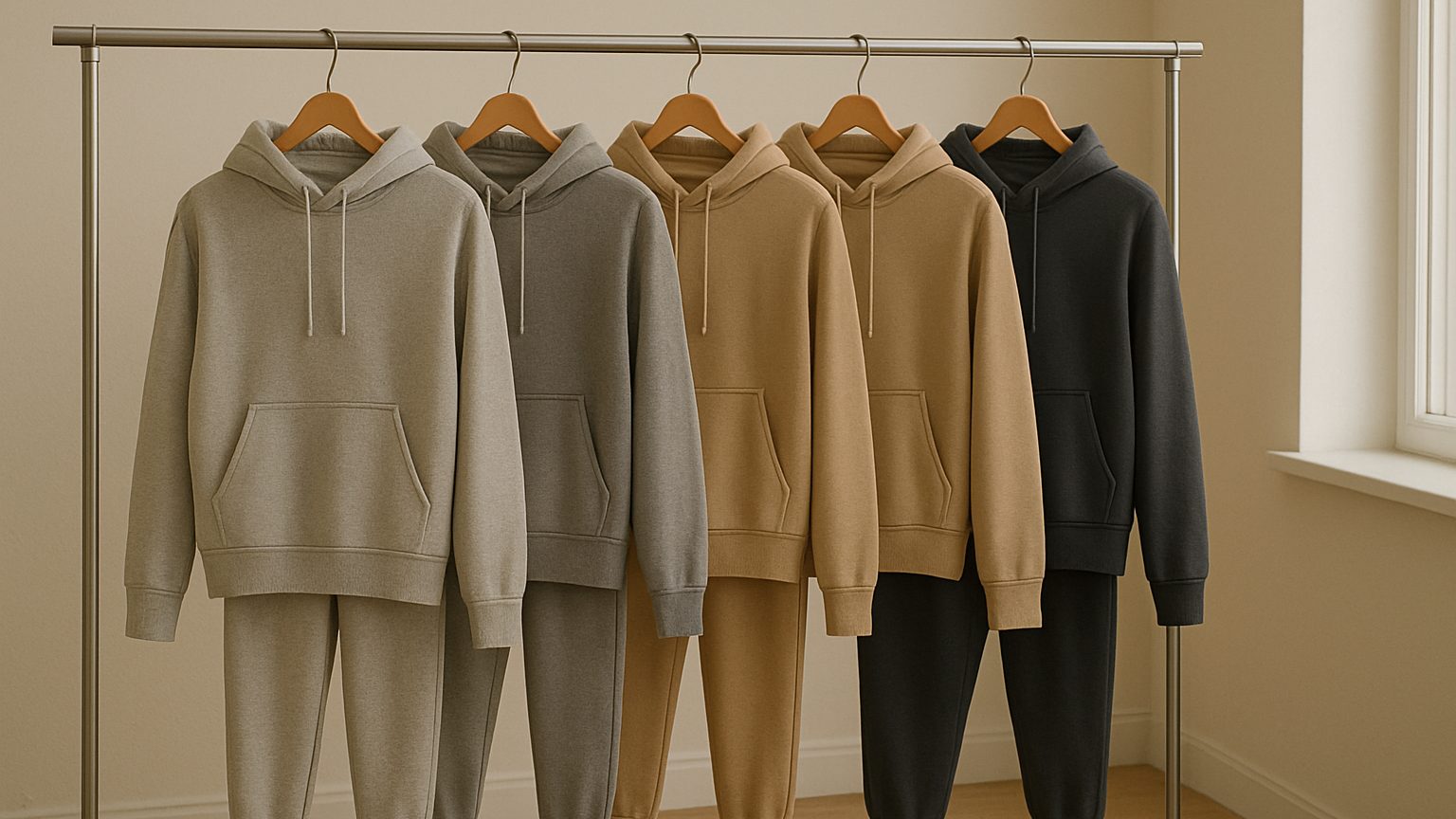
Custom French terry provides a lighter option for brands developing transitional and layering apparel. Its loopback construction makes it suitable for sweatshirts, hoodies, joggers, and coordinated sets designed for flexible everyday wear.
Brands can customize French terry garments through fabric weight, composition, fit, colors, patterns, trims, and branding details. This allows clothing brands to create lighter seasonal products that complement heavier fleece styles within the same collection.
Made-to-Order Winter Apparel With Custom Fits and Branding Options
NBJM offers made-to-order winter apparel with 100% customizable designs. Brands can develop custom fits, patterns, fabrics, colors, decorations, labels, and packaging according to their product requirements.
The manufacturing process can support designs from initial development and sampling through bulk production. Printing, embroidery, woven labels, care labels, hang tags, and packaging options help brands create finished private label products rather than relying on standard blank garments.
FAQs About Sweatshirts and Jackets for Clothing Brands
Are Sweatshirts or Jackets Better for Winter Clothing Collections?
Neither is universally better; the right choice depends on the role of the garment in the winter collection. Sweatshirts are suited to casual, everyday, and layering styles, while jackets provide a more structured outer layer for colder or less predictable conditions. Brands can also combine both to create a more complete winter apparel collection.
Which Is More Expensive to Manufacture: Sweatshirts or Jackets?
Manufacturing cost depends on fabric, construction, trims, customization, and order quantity. Sweatshirts generally use simpler construction, while jackets may require additional components such as zippers, linings, pockets, panels, or insulation. These added materials and production steps can increase the overall cost of custom jackets compared with simpler sweatshirt styles.
Which Winter Style Is Easier to Customize for Apparel Brands?
Sweatshirts are often straightforward to customize because brands can modify the fit, silhouette, fabric weight, colors, graphics, embroidery, labels, and other branding details without highly complex construction. Custom jackets can also be developed to meet specific design requirements, but additional components and construction details may require more technical development and sampling.
What Fabrics Are Commonly Used for Winter Sweatshirt Collections?
Fleece and French terry are common choices for custom sweatshirt collections. Fleece provides a warmer and softer hand feel for colder seasons, while French terry offers a lighter construction that works well for transitional weather and layering. Brands can select different fabric weights, compositions, and finishes according to the intended fit, warmth, and collection positioning.
Can Brands Develop Sweatshirts and Jackets With One Manufacturer?
Yes. A capable private label apparel manufacturer can coordinate different winter styles under one production workflow, from fabric and design development to sampling, branding, and bulk production. NBJM specializes in fleece and French terry apparel and supports custom sweatshirts, hoodies, and other winter styles, helping brands manage multiple products while maintaining consistent specifications and branding.