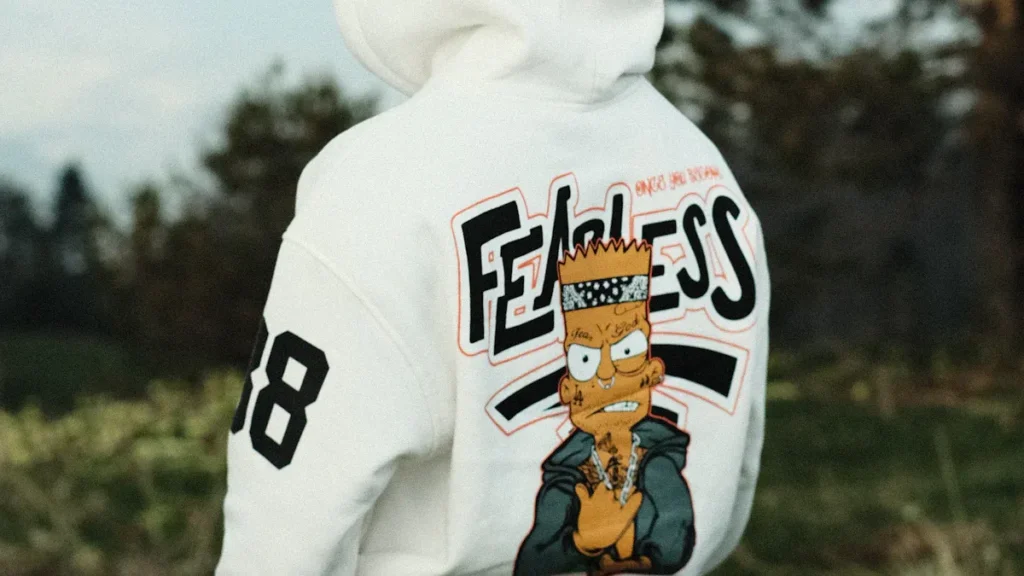
Why is the hoodie the new power suit? This question challenges outdated fashion rules built on formality and reflects a major shift: the clothing industry is no longer driven solely by seasonal colors and silhouettes. Instead, consumer values, innovative materials, and digital technology now guide design and production. According to a report from Coherent Market Insights, the sustainable fashion market was valued at $7.8 billion in 2023 and is projected to reach $33.05 billion by 2030—highlighting a growing demand for transparency and eco-friendly choices. To adapt and thrive, brands must stay attuned to evolving Apparel Trends, from shifting consumer preferences to advancements in fabric technology. Understanding today’s fashion landscape means balancing comfort, sustainability, and performance.
Key Takeaways
- What shoppers care about now shapes how clothes are made. Brands are using eco-friendly materials and being open about where their products come from.
- Hoodies and other flexible styles are taking the place of old-fashioned formal clothes, matching the needs of remote jobs and relaxed daily life.
- Fleece and French terry fabrics are strong and cozy, giving people the comfort and lasting quality they want.
- Digital tools like 3D sampling cut waste and make production quicker, helping brands react to trends faster.
- Customers stay loyal to a brand when it is fully open about how it makes products and keeps the same high quality in every batch.
Design Trends Influencing Modern Apparel Development and Production
Modern Apparel Trends show a big change in how brands plan. Shoppers no longer buy just because something looks trendy. They look for performance, value, and sustainability. A 2023 McKinsey report found that 67% of consumers think sustainable materials matter when buying. This demand pushes brands to show their whole supply chain clearly. Being open is now a business must, not a marketing extra.
NBJM works with both new and known brands adapting to this change. These clients ask for sustainable fabrics and functional designs that put comfort first without losing style. Fleece and French terry fabrics meet these needs with warmth, breathability, and durability. This hands-on experience shows how buyer values directly shape product design choices.
Comfort-First Designs Reflect Changing Consumer Lifestyles and Needs
Remote work and mixed home-office schedules have changed what people expect from clothes. They need outfits that work from morning meetings to evening errands. This trend boosts demand for soft, breathable fabrics that control temperature. French terry handles moisture well. Fleece gives steady warmth for colder seasons. Both fabrics support active days while still looking neat for video calls or casual trips.
NBJM clients often ask for custom fabric mixes that boost these features. They want materials that resist pilling, hold shape after many washes, and keep color steady across production batches. Comfort-first design now includes ergonomic cuts, careful seam placement, and fabric advances that support long daily wear. Quality must match these higher buyer expectations.
Versatile Silhouettes Bring Casualwear Into Everyday Wardrobes
Flexible shapes bring casualwear into daily outfits for both work and home. The hoodie shows this change well. It moves from home office to coffee shop to casual meeting easily. Brands now design pieces that fit many situations. A well-made jogger works for a morning walk or a relaxed office setting.
This flexibility needs close attention to cut and fabric. Loose fits allow layering over different base items. Drawstrings and elastic cuffs add useful function. Neutral colors make mixing and matching easier across seasons. NBJM helps this design method by offering adjustable silhouettes with steady quality in large production runs. Brands can order at least 800 units per style. This flexibility lets wholesale buyers test versatile designs and react to changing Apparel Trends without buying huge stock upfront.
Functional Details Add Practical Value to Modern Apparel Designs
Functional details such as pockets, zippers, drawcords, cuffs, and adjustable openings can improve both garment performance and everyday usability. These elements add practical value while supporting the overall apparel design without making garments overly complicated.
For apparel manufacturers, functional details also need to match the fabric and construction process. Their placement, size, and finishing can affect fit, durability, and production consistency. NBJM supports customized apparel development with different fabric, process, and decoration options, helping brands turn functional design ideas into production-ready garments.
By considering these details during sampling and production planning, brands can create apparel that combines practical performance with a consistent, market-ready design.
Fabric Trends Shaping Modern Apparel Materials and Performance
Circular fashion ideas now guide how brands design and make clothes. It is now normal to design clothes so they can be taken apart, recycled, and last a long time. Shoppers push for this change. Google’s data shows that circular fashion shapes today’s Apparel Trends. Digital tools like 3D design and virtual samples help make this change happen. These tools speed up design, reduce waste from samples, and let brands create more personalized items.
Fleece and French Terry Remain Key Fabrics for Comfort-Focused Apparel
Fleece and French terry fabrics help circular fashion because they are durable. Brands using these materials make clothes that last many seasons. This reduces how often people need to replace them and supports sustainable buying habits. Shoppers value long-lasting clothes that keep their shape and comfort.
These fabrics also give comfort in all seasons. Fleece gives warmth without being heavy, making it ideal for a fleece hoodie. French terry lets air flow and controls moisture. NBJM, a trusted supplier for over 100 brands, helps makers customize these fabrics. Custom blends improve resistance to pilling, keep color better, and feel nicer. This focus on quality helps make products that last longer.
Sustainable Materials Are Gaining Attention Across Apparel Markets
Surveys show many shoppers are willing to pay more for sustainable products. Around the world, 66% of shoppers say this. In Europe, that number is 72%. Brands that ignore this demand may lose customers. Using sustainable materials is now necessary for serious clothing makers.
The latest fabric innovations support this shift. Key technologies include:
| Innovation | Mechanism | Sustainability Benefit |
|---|---|---|
| Enzyme-based finishing | Bio-engineered enzymes replace harsh chemicals | Reduces water pollution and energy consumption |
| Digital textile printing | Waterless printing technology | Saves up to 90% printing costs and reduces water consumption by 50% |
| Microbial dyeing | Bacteria-based pigments replace synthetic dyes | Eliminates toxic dye waste |
| Nanotechnology | Nano-enhanced coatings (water-repellent, stain-resistant) | Avoids harmful PFAS chemicals |
| 3D knitting | Seamless single-piece production | Eliminates fabric waste from cut-and-sew |
One real example is NuCycl® technology by Evrnu. It turns cotton waste from clothes into new fiber that can be used again. The ‘Renu’ jacket by Pangaia Lab uses 100% cotton waste as raw material. This reduces the need for new resources and recycles textile waste. Smart fabrics are also becoming more common. Color-changing fabrics show when body temperature changes. Clothing with biometric sensors can check heart rate. Self-cleaning surfaces use nanotechnology to push away dirt and break down stains when exposed to light. Energy-harvesting fabrics turn movement into electricity for wearable sensors. These new ideas match the goals of performance and sustainability in modern Apparel Trends.
Performance and Lightweight Textiles Expand Modern Fabric Options
Lightweight textiles are giving apparel brands more options for garments that need to balance low weight with reliable performance. Fabrics with moisture management, quick-drying properties, stretch, breathability, and abrasion resistance are increasingly used in activewear, travel clothing, outerwear, and other performance apparel.
These materials also influence how manufacturers approach garment development. Lightweight fabrics may require different cutting, stitching, seam construction, and finishing methods to maintain their intended performance. Fabric weight, structure, stretch, and recovery should therefore be considered during sampling rather than only after the material is selected.
For brands developing customized apparel, performance requirements can also be combined with specific fabric compositions and finishes. NBJM provides fabric customization options for brands looking to develop materials with targeted characteristics for different apparel applications. This gives manufacturers more flexibility to match fabric performance with garment design and end-use requirements.
Consumer Priorities Influencing Apparel Purchasing and Product Choices

Shoppers today think about buying clothes in a new way. They figure out the cost per wear before they buy. They check what the fabric is made of and how it is put together. They ask hard questions about how long it will last and how well it works. These habits show a bigger change in how people value their clothes. The modern buyer wants items that earn their spot through many uses, not just short-lived trends.
Quality and Durability Shape Expectations for Everyday Clothing
Quality now means more than a fancy brand name or a soft feel. Buyers want fabrics that do not pill, keep their color after many washes, and stay strong through years of use. A 2023 survey showed that 67% of shoppers think sustainable materials matter when they buy. Durability links to sustainability because clothes that last longer create less waste.
Performance fabrics have stepped up to meet these needs. Breathability, moisture-wicking, and temperature control are no longer just for sports clothes. Everyday clothing now uses these technical features. French terry shows this shift with its soft inner loops and breathable outer side. Fleece gives steady warmth without being too heavy. Both fabrics look good after dozens of wash cycles.
NBJM has worked with over 100 brands for more than 20 years, making custom fleece and French terry clothes that meet these durability standards. Their fabrics go through strict tests for pilling and colorfastness. Brands that work with NBJM get materials built to last, not just to look good at first. This approach matches what buyers expect: clothes that last seasons, not just one trend.
Versatility and Practicality Influence Modern Apparel Purchases
Buyers are stepping away from trend-driven pieces. They now pick versatile items that work for many situations. Hybrid work schedules mean one outfit must go from morning video calls to afternoon errands to evening hangouts. This lifestyle needs clothes that do many jobs.
Practical features drive purchase choices for both women and men. Designers now add elements that meet real needs:
- Hidden deep pockets that hold phones and keys without adding bulk
- Adjustable closures that change fit for different body positions
- Water-repellent fabric treatments for rainy weather
- Convertible designs that change from one shape to another
Both luxury brands and small labels use these practical elements. Tactical pants with many pockets and adjustable waistbands show this trend well. Shoppers no longer pick between comfort and looks. They want both at the same time.
NBJM’s Fleece & French Terry collection directly answers these priorities. As a custom fabric supplier, NBJM offers wholesale fleece with adjustable features like drawstrings and elastic cuffs. Their joggers, hoodies, and tracksuits work for many settings. A well-made fleece sweatshirt fits travel, casual office life, and weekend activities. This versatility gives buyers more value from each purchase, matching the practical mindset that shapes today’s Apparel Trends.
Material Transparency Helps Consumers Evaluate Apparel Brands
Material transparency is becoming an important part of apparel purchasing decisions. Consumers want to know what their clothes are made from, how fabrics are finished, and whether product claims are supported by clear information.
For apparel brands, this means providing accurate details about fabric composition, weight, material properties, and care requirements. Clear specifications help shoppers compare products and understand the value behind different apparel choices.
For manufacturers, consistent fabric information is equally important. NBJM works with brands on custom fleece and French terry apparel, helping align fabric selection and garment development with the final product requirements. This clear communication gives wholesale buyers more confidence when evaluating materials and apparel suppliers.
Our Fleece and French Terry Solutions for Modern Apparel Brands
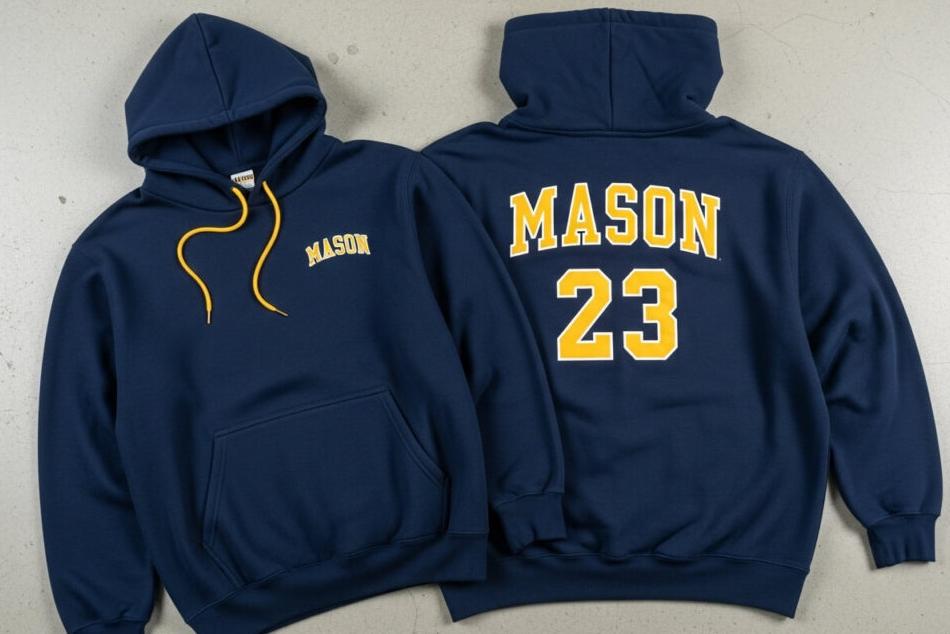
NBJM is a custom manufacturer and supplier with over 20 years of experience helping more than 100 brands in 30 countries. We trade over $300 million each year. We also make 10 million ready-to-wear pieces yearly with 30 global factories. This size lets us offer wholesale fleece and French terry options for both new and well-known labels.
Custom Fabric Options Support Different Apparel Applications and Needs
Different apparel categories require different fabric characteristics. Lightweight French terry can suit casual tops and transitional-season garments, while heavier fleece is better suited to hoodies, sweatshirts, joggers, and cold-weather styles. Fabric structure, weight, stretch, and surface finish can be adjusted according to the intended application.
This flexibility allows brands to build different product lines from a suitable fabric base rather than using one material for every garment. For example, a fashion label may prioritize drape and softness for a new sweatshirt collection, while an activewear brand may place greater emphasis on stretch, recovery, and moisture management. Matching fabric characteristics with the end use helps create more purposeful apparel products.
Consistent Fabric Quality Helps Brands Maintain Product Standards
Fabric consistency becomes especially important when a brand moves from samples to repeat production. Small differences in fabric weight, color, texture, or hand feel can affect the appearance and fit of finished garments. Maintaining stable specifications across production batches helps brands keep their products visually and functionally consistent.
For wholesale apparel buyers, reliable fabric quality also simplifies quality inspection and reduces the risk of unexpected differences between production runs. A stable material specification provides a stronger foundation for maintaining the same product standards across hoodies, sweatshirts, joggers, and other fleece or French terry styles.
Fabric Expertise Supports Efficient Product Development and Sourcing
Fabric expertise can shorten the path from an initial apparel concept to a production-ready product. Instead of selecting materials based only on appearance, brands can evaluate fabric weight, construction, stretch, recovery, and finishing based on the garment’s intended use.
NBJM’s experience with fleece and French terry allows brands to discuss material requirements before finalizing a design. This can help identify suitable fabric options earlier, reduce unnecessary sample adjustments, and make sourcing decisions more efficiently. For growing apparel brands, having fabric knowledge within the manufacturing process can also make communication between design, sourcing, sampling, and bulk production more straightforward.
FAQs About Apparel Trends, Fleece, French Terry and Consumer Demand
What Are the Biggest Apparel Trends Influencing Fashion Today?
Major Apparel Trends include comfort-focused clothing, relaxed silhouettes, functional details, sustainable materials, and personalized products. Casualwear is also moving into more everyday settings, increasing demand for adaptable designs and flexible fabric choices.
Fleece and French terry remain popular for hoodies, sweatshirts, joggers, jackets, and other casual or active styles.
Why Are Fleece and French Terry Popular in Modern Apparel?
Fleece and French terry offer different combinations of comfort and performance. Fleece provides a soft, warm surface for colder-season apparel, while French terry uses looped construction for greater breathability and moisture management.
Both fabrics are available in different weights, compositions, colors, and finishes. NBJM also offers options such as brushing, enzyme washing, anti-pilling, and moisture-wicking treatments.
How Is Consumer Demand Changing Apparel Design and Fabric Choices?
Consumers increasingly expect apparel to provide comfort, practical performance, and long-term value. This encourages brands to consider fabric properties earlier in the product development process.
Factors such as fabric weight, stretch, moisture management, and finishing can now influence material selection based on the garment’s intended use. NBJM helps brands develop custom fleece and French terry apparel for different product requirements.
What Should Brands Consider When Choosing Fleece or French Terry?
Brands should consider the garment’s intended use, climate, GSM, composition, stretch, and required performance. Fleece is generally suited to designs prioritizing warmth, while French terry works well when breathability and moisture management are more important.
Brands should also evaluate color, surface finish, and treatments such as anti-pilling or moisture-wicking. NBJM provides customizable fabric weights, compositions, colors, and finishes to match different apparel requirements.