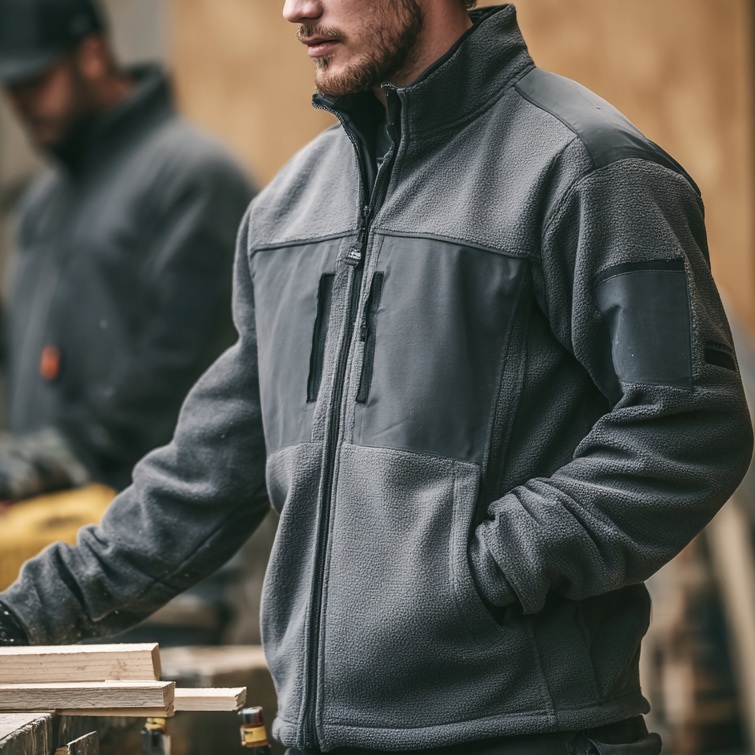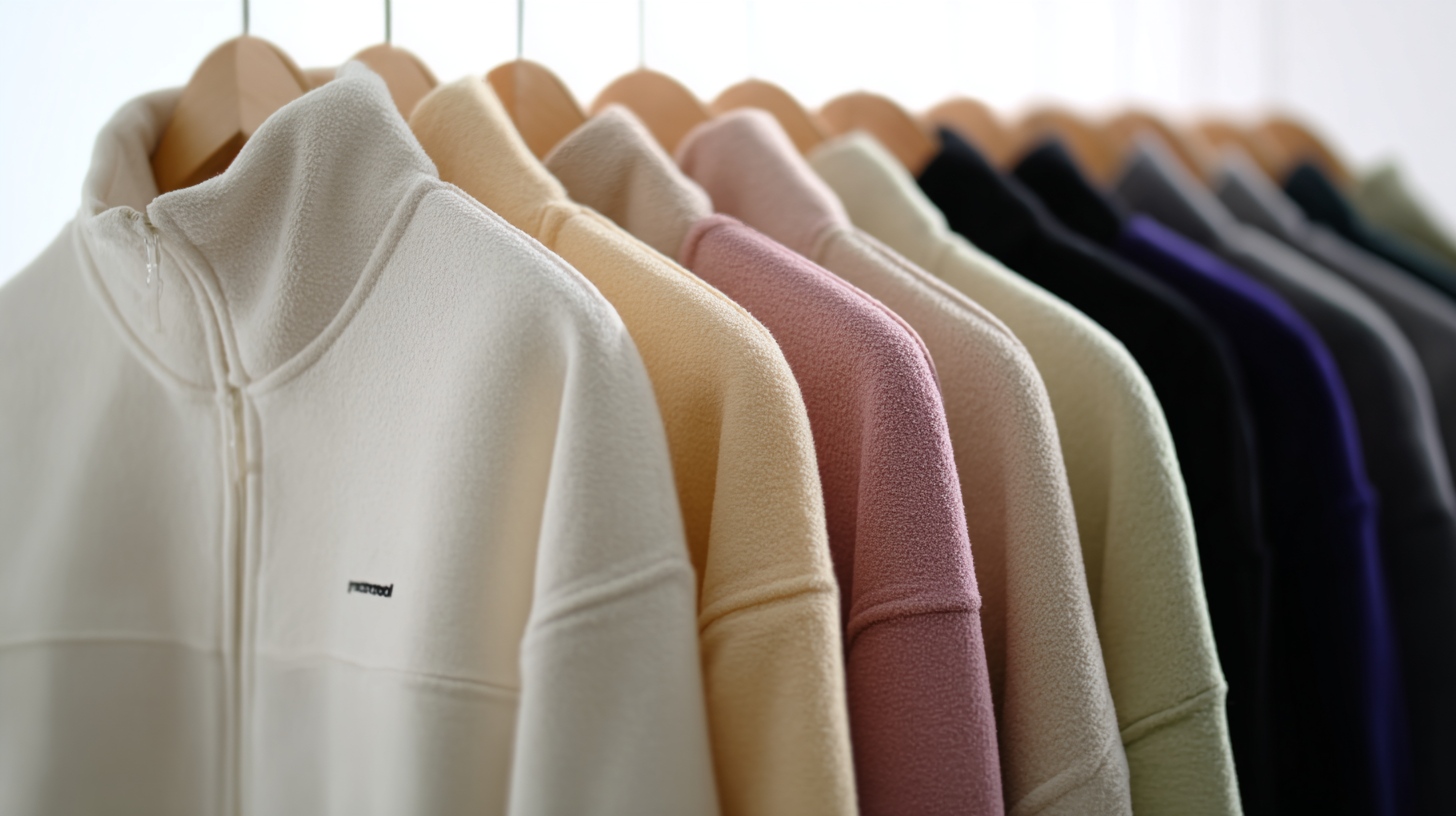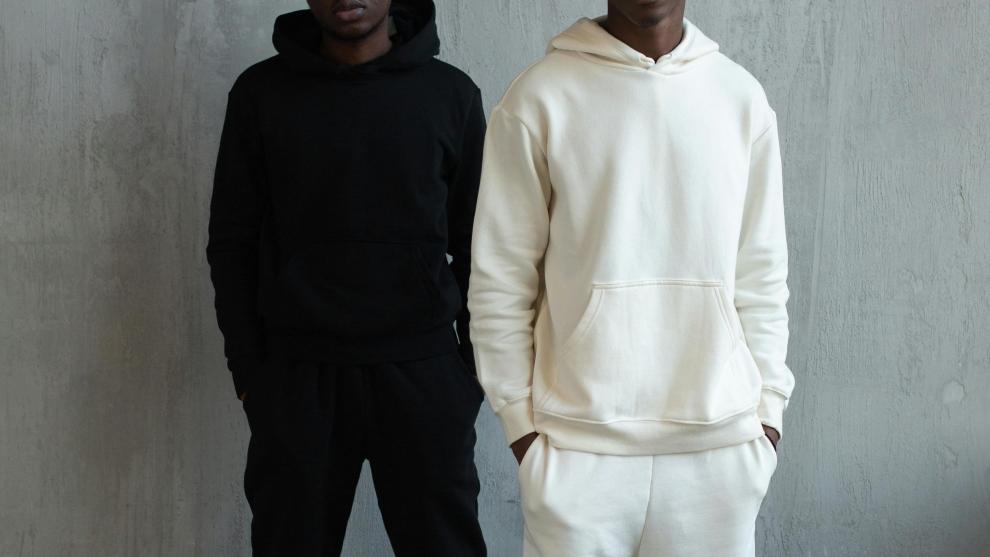
An apparel manufacturer faces an important choice: which embroidery technology is right for the fabric, design, and production needs? This decision affects embroidery quality, durability, efficiency, and overall garment performance. For custom apparel manufacturers, the right approach depends on factors such as fabric type, design complexity, embroidery style, and order volume. Fleece and French terry require different considerations from lightweight knits because of their weight, stretch, and surface texture.
Embroidery generally performs well on stable fabrics such as fleece, denim, canvas, and cotton blends, which can support stitches without excessive distortion. Stretchy or lightweight fabrics, including jersey and thin polyester, may require additional stabilization and carefully adjusted embroidery techniques to prevent puckering or shifting.
For apparel brands, choosing the right embroidery technology starts with understanding how the fabric and design interact. This guide provides a practical framework for selecting embroidery technology based on fabric characteristics, design requirements, and production needs.
Key Takeaways
- Match embroidery technology to the fabric. Fleece and French terry require appropriate needles, stitch density, thread, and stabilization for clean results.
- Choose the technique based on the design. Flat embroidery suits detailed logos and text, while 3D puff embroidery creates bold, raised branding.
- Prioritize digitizing and fabric testing. Professional digitizing, suitable backing, and pre-production testing help prevent puckering, distortion, and inconsistent embroidery.
- Consider the full production requirement. The right embroidery solution should balance design effect, garment quality, durability, and production consistency.
Why Embroidery Technology Matters for Apparel Brands
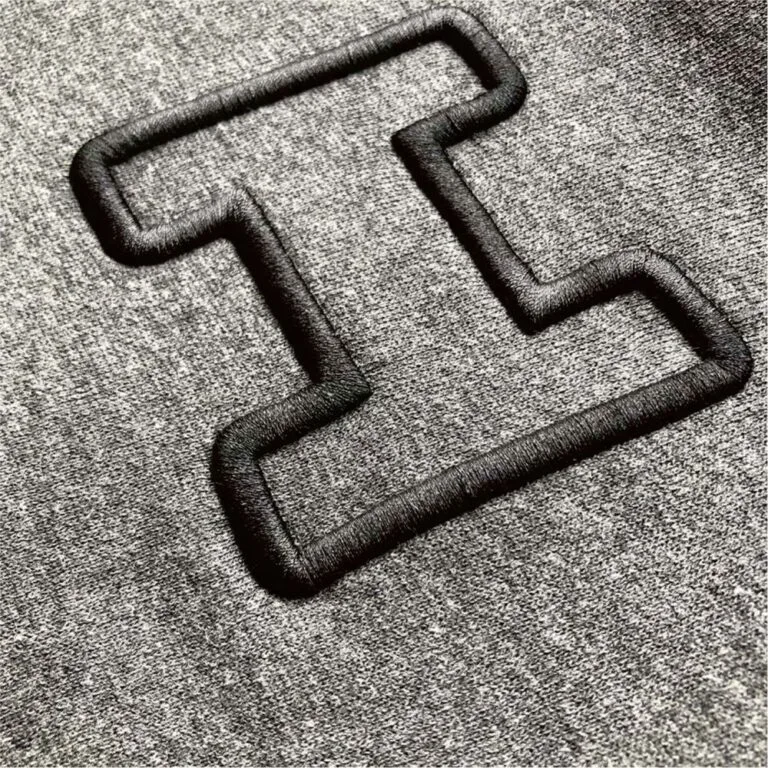
Embroidery can turn a basic garment into a distinctive branded product, but the result depends heavily on using the right embroidery technology. This is particularly important when embroidering products such as fleece hoodies, as their heavier weight, stretch, and surface texture require different embroidery settings from lightweight fabrics.
For these materials, needle size, stitch density, thread selection, and fabric stabilization all affect the final result. Proper settings help prevent puckering, distortion, visible needle marks, and misaligned designs while maintaining the garment’s original structure and comfort.
Embroidery technology also affects production consistency and efficiency. Professional equipment with adjustable tension, stitch speed, and fabric-handling capabilities can maintain accurate embroidery across larger production runs. Multi-head systems are especially useful for apparel brands requiring consistent results at higher volumes.
The right technology also gives brands more flexibility in decoration. Depending on the garment and design, manufacturers can use techniques such as flat embroidery, 3D puff embroidery, or specialty thread embroidery to create different visual effects.
Ultimately, embroidery technology is not just about the equipment itself. It determines how well the embroidery works with the fabric, design, production volume, and quality requirements. For apparel brands, the right embroidery process helps protect fabric integrity while delivering consistent, durable branding across the finished collection.
Key Embroidery Techniques Used in Apparel Manufacturing
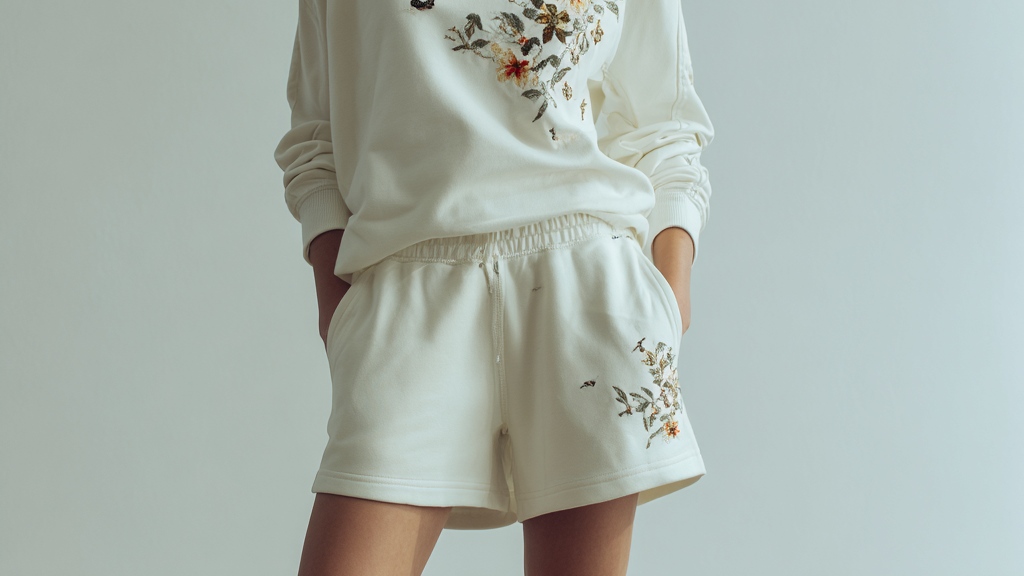
Apparel manufacturers use different embroidery techniques to create distinct visual and tactile effects. The right technique depends on the garment fabric, design complexity, desired appearance, and application. For fleece and French terry apparel, technique selection is especially important because fabric weight, texture, and stretch can affect the final embroidery result.
Flat Embroidery for Logos, Text, and Detailed Artwork
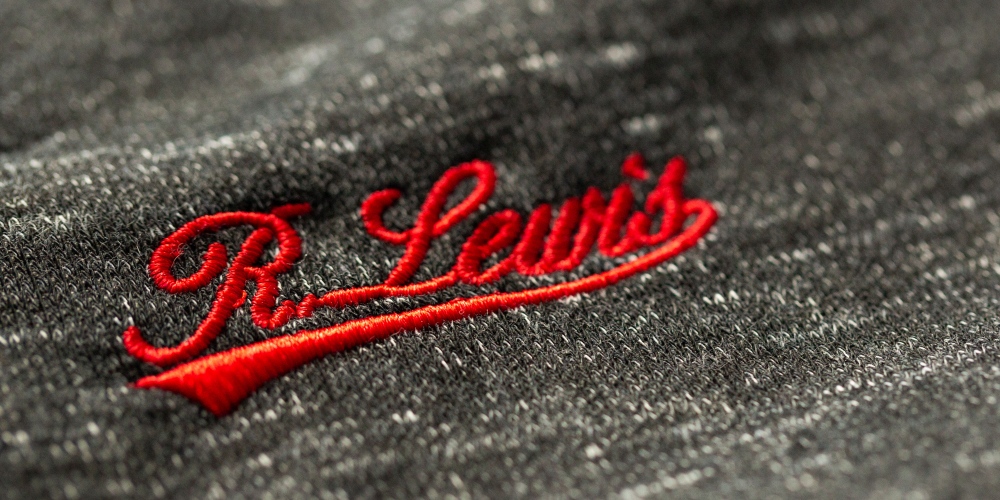
Flat embroidery stitches directly onto the garment surface to create a smooth and precise design. It is suitable for logos, lettering, fine details, and detailed artwork, making it a versatile choice for everyday apparel. Its relatively low profile also helps maintain the garment’s original drape and comfort.
3D Embroidery for Raised and Dimensional Brand Designs
3D puff embroidery uses a foam layer beneath the stitches to create a raised, dimensional appearance. It works particularly well for bold logos and simple graphic designs on hoodies, sweatshirts, and other structured garments. Fine details and small text are generally better suited to flat embroidery.
Patch Embroidery for Bold Logos and Decorative Applications
Patch embroidery creates a separate embroidered design that can be attached to the garment. It is useful for bold logos, badges, uniforms, jackets, and decorative branding. Patches also provide greater flexibility when brands want a distinct emblem or textured design element.
Sequin Embroidery for Fashion-Focused Statement Details
Sequin embroidery combines stitching with sequins to create reflective and eye-catching decorative effects. It is commonly used for fashion apparel, statement graphics, and accent details where visual impact is more important than a simple logo treatment.
Towel Embroidery for Soft and Textured Apparel Designs
Towel embroidery uses looped threads to create a soft, raised, and textured surface. It works well for casualwear, hoodies, sweatshirts, and fashion-focused designs that require a tactile finish. The technique is particularly effective for larger, simpler graphics rather than fine lettering.
How to Choose the Right Embroidery Technology for Apparel
Choosing the right embroidery technology requires more than looking at the design alone. Apparel brands should consider design complexity, fabric characteristics, placement, garment structure, and brand positioning. For fleece and French terry apparel, these factors help determine which embroidery technique can deliver the desired appearance while maintaining garment quality and comfort.
Match Embroidery Techniques with Design Complexity and Size
Design size and detail level are important when selecting an embroidery technique. Flat embroidery is suitable for small logos, lettering, and detailed artwork because it provides precise, clean stitching. 3D puff embroidery works better for larger and simpler designs that need a raised, dimensional effect. For highly decorative designs, techniques such as sequin or patch embroidery may provide greater visual impact.
Consider Fabric Type, Weight, Stretch, and Garment Structure
Fabric characteristics directly affect embroidery performance. Fleece and French terry have different surface textures, stretch, and structures, so embroidery settings and stabilization may need to be adjusted accordingly. Softer or stretchier fabrics generally require additional stabilization to prevent puckering or distortion, while thicker and more stable fabrics can support dimensional embroidery more effectively.
Garment construction also matters. Seams, pockets, zippers, sleeves, and curved areas can affect embroidery placement and stability. These factors should be considered during sampling to ensure the design sits correctly on the finished garment.
Select Embroidery Based on Placement and Intended Application
The location and purpose of the embroidery can influence the best technique. Chest logos and small branding details commonly suit flat embroidery, while larger back designs can accommodate dimensional or decorative techniques. Patches can work well on jackets and workwear, while towel or sequin embroidery can add distinctive texture to fashion-focused garments.
The intended use also matters. Everyday apparel may prioritize durability and comfort, while fashion collections may place greater emphasis on texture, dimension, and visual impact.
Align Embroidery Styles with Your Apparel Brand Positioning
Embroidery should support the overall identity of the apparel brand. Clean flat embroidery can suit minimalist and premium collections, while 3D puff, patch, sequin, or towel embroidery can create a more distinctive streetwear or fashion-oriented appearance.
Brands should also consider production consistency, garment quality, and target price point when selecting a technique. The right embroidery technology balances visual effect with practical production requirements, helping manufacturers deliver consistent results across the entire apparel collection.
What Defines High-Quality Embroidery in Apparel Production
High-quality apparel embroidery depends on more than the embroidery technique itself. Design digitizing, stitch construction, thread selection, backing, and fabric testing all work together to create clean, durable, and consistent results.
Professional Digitizing for Accurate Embroidery Design Execution
Professional digitizing converts artwork into embroidery instructions that match the garment and selected technique. Proper stitch direction, stitch density, underlay, and design scaling help preserve logo details while reducing puckering and distortion.
Thread, Stitch Density, and Backing for Durable Embroidery
Thread type and stitch density should match the fabric and design requirements. Appropriate backing and stabilization help support the fabric during embroidery, while balanced stitch density prevents excessive stiffness, pulling, or distortion. This is especially important for fleece and French terry garments.
Fabric Testing for Reliable Embroidery Performance
Testing embroidery on the actual garment fabric helps identify potential issues before bulk production. Manufacturers can evaluate stitch clarity, fabric distortion, thread tension, placement, and wash performance through sampling. This helps ensure consistent embroidery quality across the final apparel production run.
Our Custom Embroidery Solutions for Apparel Brands
NBJM provides custom embroidery solutions for apparel brands, supporting different garment designs, embroidery styles, and production requirements. Our experience with fleece, French terry, and other apparel fabrics helps brands achieve consistent embroidery quality across custom collections.
Custom Embroidery for Different Apparel Designs and Applications
We provide embroidery for hoodies, fleece jackets, sweatshirts, and other custom apparel, adapting the embroidery approach to the garment structure, design size, and placement. From small chest logos to larger back graphics, each design is developed to suit the finished garment.
Multiple Embroidery Techniques for Brand-Specific Requirements
Our custom embroidery capabilities support techniques including flat embroidery, 3D puff embroidery, patch embroidery, sequin embroidery, and towel embroidery. Brands can select or combine techniques based on their desired visual effect, garment type, and collection style.
End-to-End Embroidery Support from Sampling to Production
We support brands throughout the embroidery process, from design preparation and sampling to quality checking and bulk production. Sampling helps confirm embroidery appearance and fabric compatibility before production, while consistent production control helps maintain the approved design across larger orders.
Frequently Asked Questions About Apparel Embroidery Technology
What Are the Most Common Embroidery Techniques for Apparel?
Common apparel techniques include flat embroidery, 3D puff embroidery, patch embroidery, sequin embroidery, towel embroidery, and appliqué. The right option depends on the garment, design, and desired finish.
What Embroidery Works Best for Small Apparel Logos?
Flat embroidery is generally suitable for small logos because it provides clean detail without adding excessive thickness. Simple designs and appropriate stitch density also help maintain logo clarity.
Which Embroidery Technique Is Most Durable for Clothing?
Flat embroidery is one of the most durable options for everyday apparel because the stitches are securely integrated into the fabric. Durability also depends on thread quality, stitch construction, and proper garment care.
How Does Fabric Type Affect Apparel Embroidery Selection?
Fabric weight, stretch, texture, and construction can affect embroidery performance. Fleece and French terry, for example, may require different stabilization, stitch density, and needle selection than lightweight or highly stretchy fabrics.
Can Multiple Embroidery Techniques Be Combined on One Garment?
Yes. Brands can combine techniques such as flat embroidery, 3D puff embroidery, and patches to create layered or contrasting designs. The techniques should be planned together to maintain a balanced appearance and reliable production quality.
How Can Brands Choose the Right Embroidery Manufacturer?
Look for a manufacturer with experience in custom apparel embroidery, fabric-specific techniques, sampling, quality control, and bulk production. Reviewing previous embroidery work and confirming production capabilities can help ensure consistent results.