A apparel manufacturing partner for private label apparel at scale must provide full-service production, dedicated capacity, strict quality checks, and strategic teamwork—not just a low unit price. At high volume, any weakness in lead times, consistency, or communication grows into costly delays and brand damage. The global private label apparel market hit USD 81.2 billion in 2024 and is expected to reach USD 147.5 billion by 2033 (8.90% CAGR). This growth makes a dependable partner vital. NBJM, with over 20 years of experience, shows the kind of full-service support brands need. This article explains what brands should ask for from a manufacturing partner and how to judge one.
Key Takeaways
- Pick a manufacturing partner that gives you full-service production, not just low prices.
- Talking openly and sharing information clearly stops pricey delays and keeps your brand safe.
- Tight quality checks at every step keep products the same and keep customers coming back.
- Smart capacity planning takes care of repeat orders and seasonal demand well.
- Make detailed tech packs to avoid mistakes and reduce sampling rounds.
What Established Brands Need From a Private Label Partner
In the private label model, the manufacturer owns the main design setup. This covers patterns, shapes, and production systems. The brand owns the identity placed on the product. This split works well when both sides know their roles. A transactional supplier cares about unit price and gives no capacity promise. A true partner commits capacity, runs quality assurance systems, and gives strategic input. At scale, these differences matter. Inconsistent lead times, quality drift, and reputational damage grow with volume. A partner who treats your brand like their own keeps you safe from these risks.
How Production Expertise Supports Consistent Private Label Quality
Production expertise shows up in a few ways. A strong partner handles product development, fabric sourcing, sampling, quality control, and branding services. Without in-house pattern makers and production engineers, brands must find these resources somewhere else. That raises cost and complexity. Fabric sourcing is another key area. Experienced manufacturers help pick fabrics based on intended use, budget, care needs, weight, and durability. They can also suggest cheaper alternatives. Sampling lets brands check fit, workmanship, and measurement accuracy before bulk production. Fixing one sample is much cheaper than correcting mistakes after a full run.
Quality control systems split good manufacturers from great ones. Professional systems include checking materials on receipt, interim checks during production, and final inspection before dispatch. Factories with strong quality control systems usually make fewer defects and keep better consistency across bulk orders. This consistency builds customer loyalty and brand credibility.
Why Communication and Transparency Matter at Production Scale
Communication gaps stop production cycles. Poor buyer-supplier communication is a common bottleneck that causes delays upstream. Even when bulk production takes 30 to 45 days, most delays happen earlier due to unclear specs and many sample revisions. A Deloitte study found that 40% of supply chain companies named late delivery as their biggest problem, often due to simple miscommunication. A delay as little as 6 months can cut product profitability by 33% over the product’s life.
Transparent partners give status updates, meet deadlines, and document everything. They clarify who does quality checks, at which stages, and how defects are handled. This level of detail stops costly rework and keeps production on track.
How Manufacturing Capacity Supports Long-Term Brand Growth
A private label partner should have enough production capacity to support both current orders and future expansion. NBJM works with more than 30 partner factories and over 100 production lines, providing access to scalable apparel manufacturing across different product requirements. This network supports brands developing fleece and French terry collections while giving them room to increase production as their product ranges and order volumes grow.
What Does Full-Service Private Label Apparel Production Include?
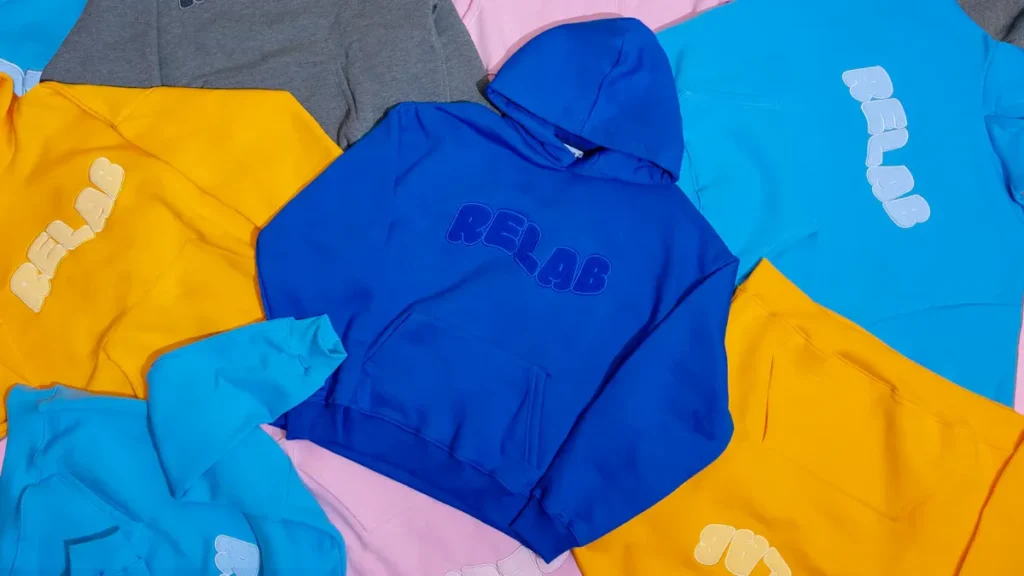
A full-service private label apparel partner connects product development, material selection, garment production, branding, and final packing under one workflow. Instead of coordinating separate suppliers, clothing brands can manage the development of a complete private label collection through one manufacturing partner. This is especially useful for fleece and French terry collections where fabric performance, fit, construction, and branding details need to work together.
How Design and Technical Development Support Private Label Collections
Design and technical development turn a brand concept into production-ready specifications. A private label apparel manufacturer can review sketches, reference garments, measurements, artwork, and construction details before creating patterns and samples. This helps identify potential issues with proportions, fabric behavior, fit, and garment construction early in development.
Technical development also keeps different styles within a collection consistent. Standardized measurements, grading, construction details, and approved specifications give production teams a clear reference when developing hoodies, sweatshirts, pullovers, joggers, or other fleece and French terry garments. For brands with seasonal collections, this creates a more repeatable development process while leaving room for custom fits and design updates.
How Fabric Sourcing and Garment Construction Affect Product Quality
Fabric sourcing should match the intended use, garment style, and target price rather than focusing on cost alone. For fleece and French terry apparel, composition, GSM, stretch, softness, drape, recovery, and finishing can all influence the final garment. The right fabric specification helps manufacturers determine suitable patterns, seam construction, ribbing, and finishing methods.
Garment construction then translates fabric characteristics into fit and durability. Seam types, stitch density, seam allowances, cuffs, hems, pockets, hoods, and reinforcement details should be considered together with the fabric. A fabric with more stretch, for example, may require different construction considerations from a heavier fleece. This coordination helps maintain consistent fit, appearance, and wear performance across private label production.
How Branding, Labels, Trims, and Packaging Complete Private Label Orders
Private label production extends beyond the garment itself. Branding elements such as woven labels, neck labels, care labels, hang tags, printed graphics, and embroidery help turn a standard garment into a brand-specific product. Trims such as drawcords, ribbing, zippers, buttons, and other selected components can also be matched to the garment design.
Packaging completes the order according to the brand’s requirements. Label placement, folding, poly-bagging, carton packing, and other packing instructions should be confirmed before bulk production. When branding, trims, and packaging are coordinated with the garment specifications, the finished products arrive ready for the brand’s intended sales and distribution process.
How Can Manufacturers Manage Multiple Brand Collections at Scale?
Managing multiple brand collections at scale requires manufacturers to coordinate production schedules, available capacity, and changing product requirements. A scalable private label apparel manufacturer needs to balance current bulk orders with repeat production and new collection development. NBJM works with more than 30 partner factories and supports brands across different markets, providing a production network for fleece and French terry apparel programs.
How Production Planning Helps Coordinate Multiple Collection Timelines
Production planning connects each collection’s development, material preparation, sampling, and bulk production requirements. Manufacturers can organize orders by delivery date, product type, fabric requirements, and production complexity to reduce conflicts between different brand programs.
A shared production schedule also makes dependencies easier to manage. Material availability, sample approval, production allocation, decoration, finishing, and packing all need to be considered before a final delivery date is confirmed. For private label clothing brands, this structured approach helps manufacturers coordinate multiple hoodies, sweatshirts, pullovers, joggers, and other styles without treating every order as an isolated project.
Regular production updates are also important when several collections are running at the same time. Clear milestones allow brands to track progress, confirm changes, and address issues before they affect the wider production schedule.
How Capacity Planning Supports Repeat Orders and Seasonal Demand
Capacity planning helps manufacturers reserve sufficient production resources for both ongoing programs and seasonal increases. Repeat orders can often be easier to plan when the manufacturer understands a brand’s established styles, materials, and expected order patterns.
For clothing brands, capacity also needs to account for collection launches and seasonal demand. A manufacturer with access to multiple production facilities can distribute suitable orders according to product requirements and available capacity. NBJM’s network of more than 30 partner factories provides production flexibility for brands developing and scaling fleece and French terry collections.
Effective capacity planning also supports more consistent delivery when order volumes change. Instead of focusing only on a single bulk order, manufacturers can consider upcoming repeat orders, new styles, and seasonal requirements when allocating production resources.
How Flexible Production Helps Brands Expand Their Product Assortment
Flexible production allows brands to add new styles without completely changing their existing sourcing structure. A private label manufacturer can support different garment types, fits, fabrics, colors, and branding requirements within the same broader product program.
For example, a brand may begin with a core fleece hoodie collection and later introduce crewneck sweatshirts, pullovers, joggers, or French terry styles. Coordinating these products through an experienced apparel manufacturing partner can simplify product development and maintain greater consistency across the collection.
This flexibility is also useful when brands test new designs before expanding them into larger seasonal ranges. Manufacturers that can coordinate custom development, sampling, bulk production, printing, embroidery, labels, and packaging give brands more options to expand their assortment while keeping production requirements organized.
How Can Private Label Manufacturers Protect Brand Consistency?
Maintaining brand consistency across private label apparel orders requires clear specifications, controlled materials, and repeatable quality checks. These systems help brands maintain consistent fit, appearance, fabric feel, and finishing across production runs.
How Standardized Specifications Maintain Quality Across Production Runs
Standardized specifications give manufacturers a clear reference for repeat orders. Approved measurements, fabric requirements, construction details, colors, artwork, labels, and finishing instructions can be documented and reused.
For fleece and French terry apparel, consistent specifications are especially important because changes in GSM, stretch, shrinkage, or finishing can affect fit and appearance. Updated specifications also ensure manufacturers follow the latest approved requirements.
How Fabric and Color Consistency Protects a Brand’s Product Identity
Fabric and color directly influence how a private label garment looks and feels. Manufacturers should check composition, GSM, finish, and color against approved material requirements before bulk production.
Consistent fabric selection helps brands maintain a recognizable hand feel across fleece and French terry collections. Approved color and material references also make repeat orders easier to match with previous production.
How Quality Inspections Reduce Defects Across Repeat Private Label Orders
Quality inspections compare finished garments with approved samples and specifications. Checks can cover measurements, stitching, fabric appearance, color, printing, embroidery, labels, trims, and finishing.
For repeat private label orders, consistent inspections also help identify recurring production issues. Manufacturers can use these findings to improve later runs and maintain consistent quality across different apparel collections.
What Should Brands Prepare Before Working With a Manufacturer?
Before working with a private label apparel manufacturer, brands should prepare clear product specifications, material requirements, and approval standards. Better preparation gives manufacturers a clearer basis for development, sampling, and bulk production.
What Technical Details Should Brands Include in Private Label Tech Packs?
A complete tech pack should give the manufacturer enough information to understand the garment without relying on assumptions. It can include technical drawings, fabric composition and GSM, measurements and tolerances, construction details, artwork placement, labels, trims, and packaging requirements.
For custom fleece and French terry apparel, brands should also specify details that affect fit and construction, such as hood shape, cuffs, hems, pockets, seams, and other garment features. Clear specifications make communication easier and provide a consistent reference throughout production.
How Brands Should Define Fabrics, Measurements, Colors, and Finishes
Brands should define fabric composition, GSM, color references, measurements, tolerances, and finishing requirements before sampling. Fabric selection should match the intended garment weight, fit, season, and use rather than relying on a general fabric name alone.
Measurement sheets should identify key points of measurement and size grading requirements. Color references and physical swatches can help manufacturers match the approved appearance, while finish requirements should cover details such as brushing, washing, printing, embroidery, or other treatments when applicable.
Why Sample Approval Matters Before Private Label Bulk Production
Sample approval gives brands an opportunity to confirm the product before committing to bulk production. The sample should be reviewed for fit, measurements, fabric, color, construction, decoration, labels, and overall appearance.
Once approved, the sample becomes a practical reference for bulk production. Any changes should be documented before manufacturing starts. For private label clothing brands, this step helps reduce misunderstandings and keeps the final fleece, French terry, hoodie, sweatshirt, or pullover closer to the intended design.
Our Private Label Apparel Manufacturing Solutions for Brands
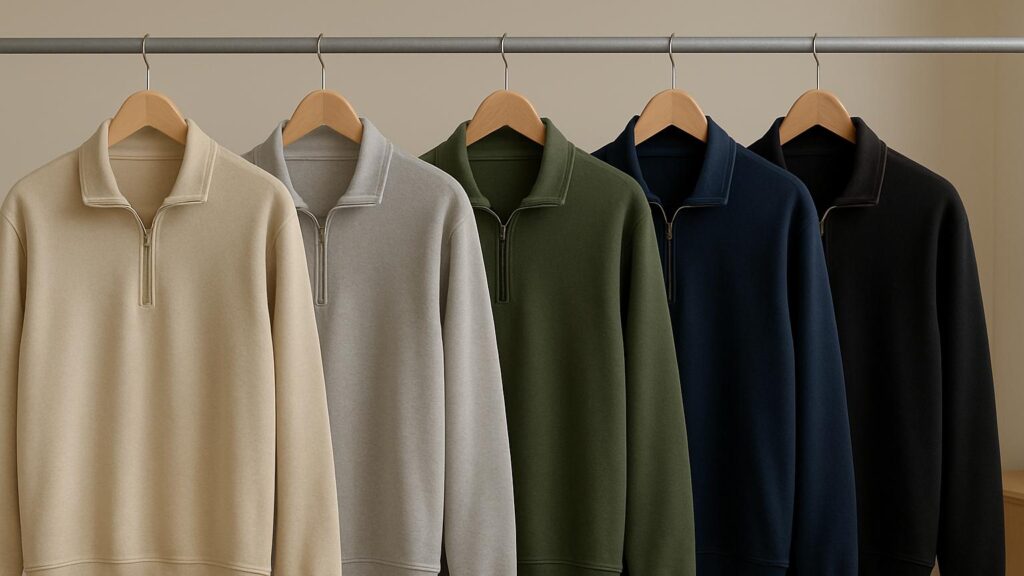
NBJM provides private label apparel manufacturing for brands developing fleece and French terry collections. With more than 20 years of experience, NBJM supports product development, customization, sampling, and bulk production for brands in different markets.
Fleece and French Terry Production for Private Label Apparel Collections
NBJM specializes in fleece and French terry apparel for private label collections. French terry offers a lighter, breathable construction for transitional and year-round styles, while fleece provides a warmer option for fall and winter garments.
Brands can develop different weights, compositions, fits, and constructions according to their collection requirements. These fabrics can be used across hoodies, sweatshirts, pullovers, joggers, and other custom apparel styles, allowing brands to build coordinated collections around their preferred materials.
Made-to-Order Private Label Apparel With Custom Branding Options
NBJM provides made-to-order private label apparel with 100% customizable designs. Brands can customize garment fits, patterns, fabrics, colors, decorations, labels, and packaging to match their product identity.
Custom branding can include printing, embroidery, woven labels, care labels, hang tags, and other garment details. This allows brands to develop products that go beyond standard blanks while maintaining consistent branding across different styles.
Sampling and Bulk Production Support for Growing Apparel Brands
NBJM supports brands from design development and sample creation through bulk production. Sample development allows brands to review fit, fabric, construction, decoration, and branding details before production requirements are finalized.
After approval, bulk orders are coordinated through NBJM’s production network of more than 30 partner factories. This provides flexibility as brands add new styles, increase order volumes, or expand fleece and French terry collections. More than 100 brands in 30 countries have worked with NBJM, supporting its experience in long-term private label apparel programs.
FAQs About Private Label Apparel Manufacturing at Scale
What Is the Typical MOQ for Private Label Apparel Production?
MOQ varies by manufacturer, garment type, fabric, and customization requirements. For NBJM, the minimum order quantity for made-to-order apparel is generally 800 units per design and color. Brands should confirm the applicable MOQ based on the specific style, fabric, and production requirements before ordering.
How Long Does Private Label Apparel Production Usually Take?
Private label apparel lead times depend on product complexity, material availability, sample approvals, and order volume. NBJM typically supports sample development within 7–14 days, while bulk production can be completed within 30 business days after the required approvals. Brands should also allow time for revisions, packing, and shipping.
Can Private Label Brands Customize Fabrics and Garment Details?
Yes. Private label brands can customize fabrics, GSM, colors, fits, patterns, and garment construction. NBJM supports 100% customizable designs for fleece and French terry apparel, including hoodies, sweatshirts, pullovers, joggers, and other styles. Brands can also customize printing, embroidery, labels, trims, and packaging.
What Should Brands Send to a Private Label Apparel Manufacturer?
Brands should provide as much product information as possible before development begins. Useful materials include sketches or reference images, tech packs, measurements, fabric requirements, colors, artwork, branding details, trims, and packaging instructions. Clear specifications help the manufacturer assess requirements and develop samples more accurately.