By 2026, the apparel sourcing playbook has been rewritten. Here are the five critical truths you must check before placing your next order. AI-driven production now sets the pace. Mandated circularity changes design rules. Nearshoring offers speed and lower hidden costs. Flexible MOQs reduce inventory risk. Traceability compliance becomes non-negotiable. These shifts demand a new approach to Apparel Manufacturing in 2026. This roadmap will guide your next sourcing decision. Each factor reshapes how brands plan, order, and deliver. Ignoring them risks delays, fines, and lost sales. Update your checklist now—before your next order ties you to outdated practices.
Key Takeaways
- Use AI design tools to make digital samples in a few days and reduce physical waste.
- Make complete tech packs with exact measurements and tolerances to avoid production delays.
- Know the four main cost groups—fabric, trims, labor, overhead—to control your final price.
- Use flexible MOQs or on-demand production to match your order sizes with what customers really need.
- Use tracking systems and certifications to follow new rules and gain buyer trust.
What Should Brands Know Before Ordering Apparel in 2026?
Apparel Manufacturing in 2026 needs more planning than before. Brands must decide every detail of a product before making it. This step stops costly mistakes and delays.
Define Product Specifications Before Starting Apparel Production
AI design tools now change how brands create clothes. Digital twins and predictive analytics help make samples with no waste. This method cuts down on physical sample waste and shortens lead times. Smart manufacturing with virtual prototyping speeds up design-to-sample time from about 6 weeks to just 3–5 days. Automated cutting paths and sensor-monitored stitching make sample production even faster. NBJM, a custom maker, uses digital mockup creation and sends samples within 7–14 days. This tech shows how speed and accuracy work together.
On-demand production and 3D knitting lower waste and allow small orders. These methods knit fabric directly into the final shape. This process reduces leftover material compared to classic cut-and-sew. The table below shows the main benefits.
| Metric | Benefit |
|---|---|
| Production cost savings | Up to 40% lower than standard methods |
| Material waste reduction | Up to 30% less waste |
| Waste reduction mechanism | Fabric knitted directly into final shape |
| On-demand benefits | Less inventory waste and shipping emissions |
| Scalability | Thousands of pieces per week with parallel machines |
NBJM makes 10 million pieces each year using a mix of automation and global factories. This size supports both fleece and French Terry clothing production.
Prepare Accurate Measurements, Construction Details, and Tech Packs
A complete tech pack gives the manufacturer clear instructions for production. Include flat sketches, measurements, tolerances, grading, fabric specifications, construction details, trims, and compliance requirements.
Accurate Points of Measure (POMs) help control fit and sizing across all sizes. Add clear “How to Measure” instructions where needed to avoid differences in interpretation between your team and the factory.
The tech pack should also define key construction and finishing details, such as stitching, seams, labels, and decoration placement. This gives the manufacturer a reliable reference for sampling, quality control, and repeat production.
What Should Brands Know About Apparel Manufacturing Costs?
Planning costs for Apparel Manufacturing in 2026 means you must see every input clearly. The details of a product drive the final price more than most brands think. Smart buyers break down each part before they ask for a quote.
Understand How Product Details Affect Your Final Manufacturing Cost
Each garment has four main cost buckets. Fabric takes the biggest share. Trims and accessories add a smaller piece. Cut, make, and trim labor forms the core of production. Overheads and profit finish the picture. The table below shows the usual ranges.
| Cost Component | Typical Percentage Range |
|---|---|
| Fabric | 40% – 60% |
| Trims / Accessories | 5% – 10% |
| CMT (Cut, Make, Trim) | 20% – 30% |
| Overheads & Profit | 10% – 20% |
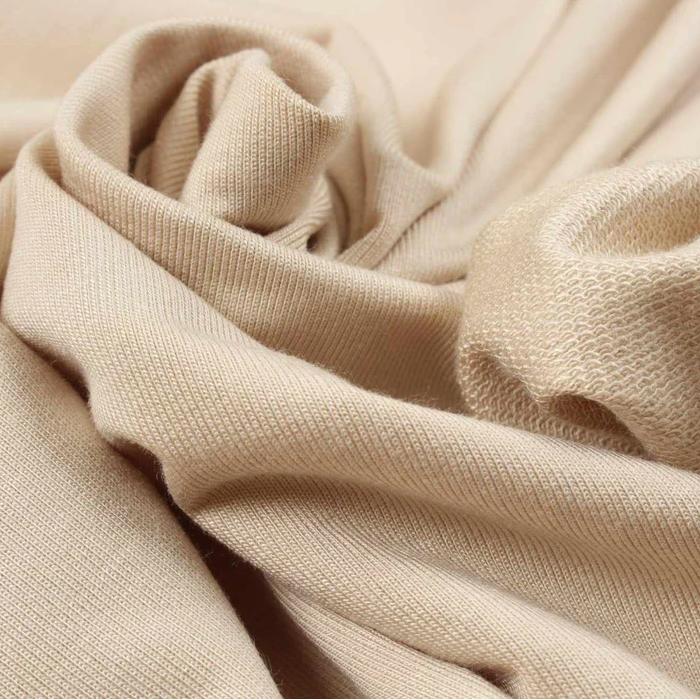
These ranges change with how complex the product is, the fabric type, and where it is made. A heavy fleece hoodie uses more fabric than a basic tee. That gap pushes the fabric share toward the high end. French Terry sweatshirts with custom dye lots also raise minimums and the cost of each unit.
New rules now add another cost layer. The EU Digital Product Passport starts to phase in from 2026. Factories that supply European brands must record where materials come from, how they are made, and what chemicals are used. Shoppers who want circularity also push this change. NBJM works with factories that offer eco-certifications. This step helps brands meet new rules without rushing later.
Consider Fabric Usage, Trims, Construction, and Order Quantity
Fabric use changes a lot with order size. Big runs reach 90–95% marker efficiency. Small runs fall to 80–85%. That gap raises the fabric cost for each garment on low-volume orders. Fixed costs also hurt small runs. Pattern development, fabric waste, trim sourcing, and screen or embroidery setup all spread over fewer pieces. Basic T-shirts cost $12–$20 at low MOQ (12–50 units) versus $3–$6 at high MOQ (500–1,000+ units). Custom labels, hangtags, and packaging have their own minimums that add setup fees.
Traceability and third-party certifications are no longer a choice. 72% of major buyers now require digital production traceability from textile suppliers. 73% of consumers will pay more for transparent brands. Blockchain allows tamper-proof certification records tied to specific lots, dates, and verified third parties. This replaces PDF certificates that can be faked. The blockchain-in-textile market was worth about $601M in 2025 and is expected to reach $2.04B by 2032. Product traceability makes up 24.5% of all blockchain supply chain use cases. SME adoption is growing at a 50.1% CAGR.
NBJM offers 100% custom designs. This lets brands pick sustainable materials and build traceability into the product from the start. Whether you need fleece jackets, French Terry hoodies, or wholesale sweatpants, NBJM custom manufacturing supports your cost and compliance goals.
How Do MOQ and Order Quantities Affect Apparel Production?
Minimum order quantities shape every production choice. Apparel Manufacturing in 2026 requires a clear view of MOQ rules before you commit to a run. Factories set minimums to protect their efficiency. Brands must match those minimums with real demand.
Understand MOQ Requirements Before Planning Your First Production Run
MOQ changes based on the product type and the factory size. The table below shows common ranges for popular categories.
| Product Category | Typical MOQ Range |
|---|---|
| T-shirts | 50–200 pieces |
| Hoodies | 100–300 pieces |
| Jeans | 200–500 pieces |
| Activewear | 100–300 pieces |
Big factories like orders in the thousands. They often turn down small-batch requests. Low-MOQ makers serve startups and niche brands instead. Fabric supplier minimums also limit what a factory can do. A standard fabric roll of 50–100 meters makes only 33–66 hoodies at 1.5 meters per unit. Custom-dyed colors may need a 300-meter dye lot. Specialty trims like custom labels can require 1,000 units. The final MOQ often depends on material suppliers, not just the factory.
Match Order Quantities With Product Demand and Brand Growth Plans
On-demand production lets smaller brands make exact unit counts. This approach manages cash flow and stops overstocking. Limited releases build excitement without tying up capital. Marketing agility depends on production agility. Flexible methods like Direct-to-Film transfers move ideas to reality in days.
AI tools help brands forecast demand and avoid making too much. Sharing sell-through rates with retailers makes wholesale relationships stronger. NBJM, a custom manufacturer, exports to 30+ countries with 30-business-day production. This hybrid model supports both fleece and French Terry orders at various scales.
Why Does Sampling Matter Before Placing a Bulk Apparel Order?
Sampling keeps your money safe before full production starts. One approved sample sets the quality bar for every piece in the run. If you skip this step, you risk costly mistakes that no price deal can repair.
Use Samples to Check Fit, Fabric Feel, Measurements, and Construction
A sample shows things a tech pack cannot. You can weigh a cut swatch to check the fabric matches the set gsm within range. A 240 gsm fleece spec that comes in at 210 gsm is a spec failure, not a small difference. Check shrinkage by washing at the care label temperature. Any size change over 3% should be raised before bulk production begins.
Construction details matter just as much. Count stitches per centimeter on straight seams. The industry standard is 4–5 stitches per cm, and lower density weakens durability. Put manual stress on shoulder, side, and crotch seams. Thread pullthrough points to future failures. Test zippers and buttons at least 10 times to confirm bartacking holds. For French Terry hoodies and sweatshirts, check surface stability for printing and embroidery. Logo distortion or puckering often comes from unstable fabric that passed visual inspection but failed under decoration.
Review Sample Corrections Before Approving the Final Production Version
The correction cycle follows a clear order. A proto sample tests technical feasibility. A fit sample refines silhouette on a live model. A size set verifies grading accuracy across XS–XXL. The pre-production sample uses actual production fabrics and trims to confirm the golden sample. Each stage needs documented revisions. Small changes like a swapped trim or misplaced label can cause production delays and repeated approvals.
Apparel Manufacturing in 2026 rewards brands that treat sampling as a contract, not a formality. NBJM custom manufacturing supports this discipline with sample creation in 7–14 days. Their 30-business-day mass production timeline stays competitive because approved samples remove guesswork. Whether you order fleece jackets or wholesale sweatpants, the approved sample becomes your legal quality standard. Review every correction carefully before you sign off.
What Quality Standards Should Brands Set Before Bulk Production?
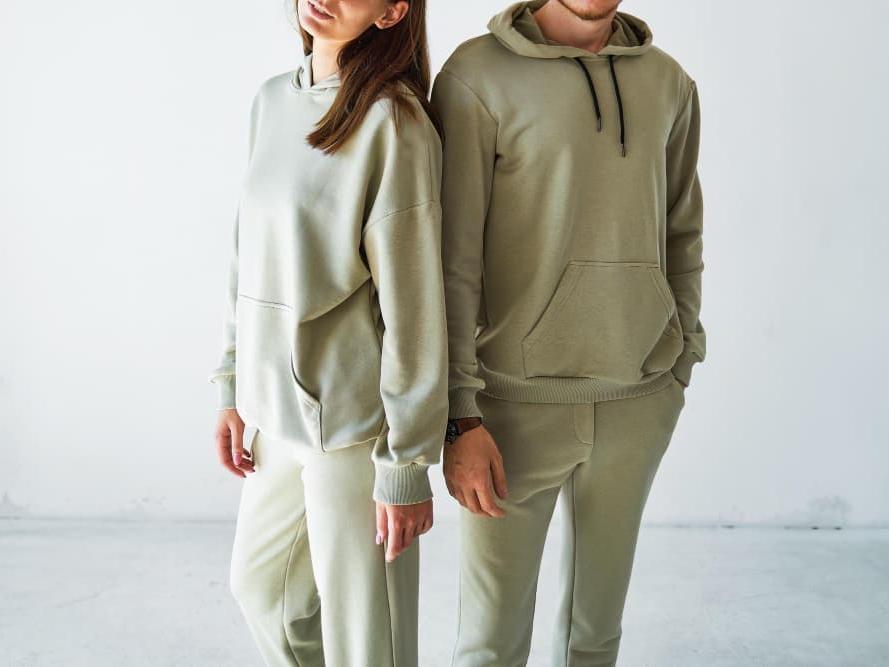
Quality assurance in Apparel Manufacturing in 2026 starts with a full product specification package. The tech pack is like a building plan. It must list fabric type, color standards, pattern pieces, stitch type, seam allowance, trims, label placement, and packaging. The approved sample shows a visual guide, but it is not enough. Pair every sample with a dated spec sheet and a bill of materials. That sheet shows what cannot be changed without new approval. A measurement standard also needs more than a size chart. For each point that controls fit, name the garment spot, the target size, the allowed difference, how to measure, and whether the garment lies flat or is stretched.
Supplier ethics checks form the next step. Global apparel brands must follow international rules for product quality, worker rights, and environment care. Good quality assurance goes beyond the factory. Regular supplier audits make sure they follow quality rules. Training programs teach suppliers what is expected and how to do it. Quick communication also matters. A reliable partner replies within eight hours. NBJM, a custom manufacturer with over twenty years of experience, guarantees that response time.
Define Fabric, Measurement, Stitching, and Appearance Requirements
The ten standards below form the core of any bulk production deal.
| No. | Standard or guideline | Decision it supports | Evidence to keep |
|---|---|---|---|
| 1 | Approved product file | What garment should be made? | Signed sample, BOM, construction notes |
| 2 | Measurement specification | Does the garment fit the right size? | Point-of-measure sheet and tolerances |
| 3 | Workmanship defect standard | Which sewn, finished, or look faults matter? | Defect definitions and reference photos |
| 4 | Fiber-content and origin labeling | Can the item carry its market textile identity? | Approved label artwork and garment photos |
| 5 | Care-label evidence | Are washing and care claims proven? | Care instruction, test basis, component review |
| 6 | Product-category compliance review | Does a destination market need a separate file? | Reports, certificates, warnings |
| 7 | ISO 2859-1 acceptance sampling | How are selected lot attributes inspected? | Lot size, sample plan, defect classes |
| 8 | Measurement-method discipline | Can the result be repeated against the spec? | Method, tool, point, result, tolerance |
| 9 | Packing and assortment standard | Does the carton deliver the right SKU mix? | Carton mark, ratio, fold, polybag, count |
| 10 | Release and corrective-action record | Can the buyer release, hold, or recheck a lot? | Inspection report, hold limit, recheck proof |
These standards cover fabric quality, fit, construction, and look. Every defect definition must be clear. Reference photos stop arguments about meaning.
Establish Clear Quality Standards for Fleece and French Terry Garments
Fleece and French terry fabrics need specific quality checks. The table below shows typical weight ranges.
| Fabric Type | Typical GSM Range | Warmth Level | Best Season |
|---|---|---|---|
| French Terry | 220–300 gsm | Moderate | Spring, Fall |
| Fleece | 280–360 gsm | High | Winter, Late Fall |
Beyond GSM, lab tests check safety and performance. Dimensional change testing follows AATCC 135. Seam strength testing follows ASTM D1683. Colorfastness testing follows ISO 105. Shrink testing must happen before mass production. Following OEKO-TEX STANDARD 100 or GOTS proves chemical safety. Final quality control uses AQL checks.
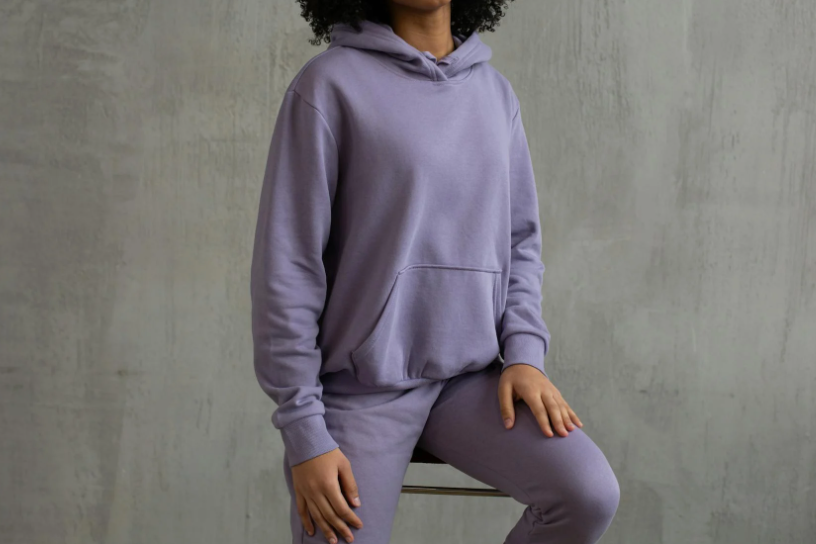
A 400 GSM French terry and a 400 GSM brushed fleece feel very different even though they weigh the same. Warmth, softness, and hand feel change by construction. For French terry, a 320–380 GSM range gives a good mix of comfort, structure, and cost. For brushed fleece, 420–500 GSM gives the warmth and structure expected in premium goods. Sewing, shrinkage, and shipping costs must also be considered. A 320–400 GSM fabric usually gives better stability depending on stitch density and design. NBJM custom manufacturer uses these benchmarks to guide fleece jacket and French terry hoodie production.
How Should Brands Plan Their Apparel Production Timeline?
A realistic schedule keeps every order safe. Apparel Manufacturing in 2026 does not allow for guessing. Brands must plan out each step before production starts.
Account for Sampling, Material Preparation, Production, and Inspection
A few things can push timelines off track. Fabric and trim arriving late is a top cause of delays. Machine breakdowns, skill gaps, and booked-up lines slow down output. Spec changes made after sample approval can mess up schedules. Failed audits lead to rework cycles. Port congestion and customs holds delay final delivery.
Fixing this starts with dependable suppliers. Check partners for reliability, not just price. Use backup suppliers for key items. Add buffer time to big orders. Put money into digital tools that show real-time production data. Talk early about any spec changes.
Communication gaps are still the most ignored cause of delay. Tech packs that are not complete make factories stop and ask questions. Time zones and language barriers slow down responses even more. Brands should give complete tech packs upfront, gather feedback into single replies, and answer factory questions within 24–48 hours. A 2–4 week buffer soaks up surprise problems.
Build Lead Time Around Order Quantity and Product Development Needs
Order size does not follow a set lead-time formula. Smaller orders still need prep, material handling, and setup. Larger orders need more capacity, though setup work spreads over more garments. Order structure matters too. One style in a simple size and color mix schedules faster than the same amount split across many variations.
| Factor | Impact on Lead Time |
|---|---|
| Incomplete tech packs | Review takes 1–3 days when specs are complete; missing info extends this |
| Multiple sample revisions | Typical program needs 2–3 rounds; each sample takes 7–10 days |
| Garment complexity | Embroidery, printing, or washing adds days to weeks |
| Large volumes | Bulk production runs 15–30 days; broader production 21–45 days |
Locking in quantities early lets manufacturers plan fabric, trims, labor, and line capacity. NBJM custom manufacturer supports fleece and French Terry programs with sample creation in 7–14 days and mass production in 30 business days.
What Should Brands Check When Choosing an Apparel Manufacturer?

Picking a manufacturing partner takes more than just looking at a price quote. For Apparel Manufacturing in 2026, brands need to confirm experience, communication, and capacity before they agree to production.
Evaluate Manufacturing Experience, Communication, and Production Capacity
Openness about operations shows what a factory can really do. Good manufacturers share production data like lead time breakdowns and quality control staffing ratios. They also share ways to handle technical problems. Being vague about units per day or workforce size points to unreliable systems.
Trial orders give the best clue about whether a partnership will work. A planned trial of 300 to 500 units tests how well they communicate and how skilled their work is. Check that measurements stay consistent and packaging is correct. Ask for references from American clients in the same product category.
Key performance indicators show capacity in numbers. Production efficiency measures output per labor hour. Capacity utilization compares real output to the highest possible output. Defect rate tracks faults per hundred units. Order accuracy shows how reliable the supply chain is. A factory that claims 50,000 units monthly with only two production lines cannot deliver. Checking equipment lists in person confirms these claims.
NBJM custom manufacturer promises 8-hour email replies and 24/7 team support. Check how well you work together, find out who is actually on your project team, and run financial checks before you commit.
Check Whether the Manufacturer Matches Your Product and Fabric Needs
Knowing your product category well prevents expensive mistakes. A fleece jacket needs different skills than swimwear or denim. French Terry hoodies require specific stitch quality, shrinkage testing, and knowledge of where to source fabric. These key questions help you judge if they are a good fit.
| Question to Ask | What a Strong Answer Includes | Red Flag |
|---|---|---|
| “What products like mine do you produce most often?” | Specific categories, fabrics, construction details | Vague “we do everything” with no proof |
| “What are your typical tolerances for this product type?” | Tolerance ranges and how they’re measured | “We don’t really do tolerances” |
| “How do you prevent reorder inconsistency?” | Tracking specs, BOM control, repeatable processes | No mention of repeatability systems |
Warning signs include a price quote before they review specs, not being able to explain fabric or construction, refusing to make a sample, unclear measurements, and changing materials without permission. A manufacturer who adds costs you did not approve after production starts should make you worried.
Checking certifications protects you from fraud. Go straight to the GOTS public database using the manufacturer’s exact legal name. Make sure the certificate status shows valid, the expiration date is within 12 months, and the product scope covers your garment types. Compare the facility address with the manufacturer’s contact information. Audit reports with parts blacked out and certificate numbers you can verify in a registry give you the transparency you need. A blanket refusal to share documents shows they do not have real systems in place.
Our Fleece and French Terry Apparel Manufacturing Solutions for Brands
NBJM provides custom fleece and French terry apparel manufacturing for brands at different stages. From initial sampling to bulk production, the process covers fabric sourcing, pattern development, production, and quality control.
Made-to-Order Fleece and French Terry Garments for Growing Brands
Made-to-order production helps growing brands develop fleece and French terry garments without relying on fixed stock styles. Brands can customize fabric, fit, color, construction, and branding based on their product requirements.
NBJM supports both smaller product tests and larger wholesale programs, allowing brands to develop collections according to demand and production needs.
Supporting Hoodie and Sweatshirt Production From Sampling to Bulk
NBJM supports the process from pattern making and material sourcing to sample development, bulk production, finishing, and shipping. Pre-production samples allow brands to confirm fit, fabric, and workmanship before bulk manufacturing.
Samples typically take 7–14 days, while bulk production can be completed within 30 business days after approval, depending on the order requirements.
Flexible Production Support for Different Brand Development Stages
Different brands need different levels of production support. New brands may focus on product testing and sample development, while established brands may need repeat production and larger quantities.
NBJM provides custom fleece and French terry manufacturing support across these stages, helping brands maintain consistent specifications as their apparel collections grow.
FAQs About Apparel Manufacturing and Ordering in 2026
What Should I Prepare Before Ordering From an Apparel Manufacturer?
Prepare your tech pack with garment measurements, fabric specifications, colors, decoration, labels, and packaging requirements. A clear specification helps the manufacturer create an accurate sample and quote.
What Is the Best Fabric for Fleece and French Terry Apparel?
Choose based on the garment’s purpose. Fleece is suitable for warmer styles, while French terry works well for lighter, breathable apparel. NBJM offers both fleece and French terry with customizable fabric and production options.
How Does MOQ Affect My First Apparel Production Order?
MOQ determines how much inventory and upfront budget you need. Confirm the MOQ for your specific fabric, design, and customization level before ordering. NBJM lists an 800-unit minimum for its custom apparel services.
How Long Does Custom Apparel Manufacturing Usually Take?
Timing depends on the design and approval process. NBJM typically completes patterns in 1–3 days, samples in 7–14 days, and bulk production and shipping within 30 business days after all approvals.