GSM, loop structure, and absorbency are the three main specs clothing brands must check when buying French Terry Cloth. These factors decide fabric weight, warmth, texture, durability, and moisture performance. Each spec directly shapes what a garment is used for, from light summer shorts to heavy winter hoodies. A fabric’s GSM affects how warm or breathable a finished piece feels. Loop structure controls stretch, softness, and pilling resistance. Absorbency affects comfort during wear and how fast a garment dries. This article gives practical tips for choosing activewear, loungewear, and casual garments. Brands that understand these three pillars make faster, more confident sourcing decisions.
Key Takeaways
- Check the GSM to match the fabric weight with how you will use the garment: lightweight for summer, midweight for all year, and heavyweight for winter.
- Pick a loop structure based on what you need: two-thread for stretch and a light feel, three-thread for strength and shape.
- Test absorbency for comfort: looped back pulls moisture away, but fiber blend changes drying speed.
- Check loop evenness to avoid defects: even loops prevent pilling, skew, and fit issues.
- Use these specs to make smart buying choices and create quality clothes that customers love.
What Is French Terry Cloth and How Is It Constructed?
French terry is a knit fabric made in a special way. Circular knitting machines create the fabric in one smooth step. The machine makes a smooth jersey face on one side. At the same time, a second yarn forms loops on the back. A fine face yarn with a coarser loop yarn gives good terry its smooth outside and plump inside. Loop height, density, and tension are the three settings that set the final GSM, absorbency, and feel.
Manufacturers follow a standard knitting process:
- Yarn Feeding: Pick yarn count, fiber mix, and loop yarn based on the target GSM and wanted surface look.
- Knitting: Use circular knitting machines to make a smooth jersey face while also creating a looped back.
- Loop Formation: Change loop height, density, and tension to control the fabric’s weight, absorbency, and texture.
- Finishing: Apply dyeing, softening, bio-polishing, compacting, pre-shrinking, or optional brushing as needed.
How French Terry Differs From Fleece in Fabric Construction
French terry and fleece start from different construction ideas. French terry uses looped yarns on the back for texture and absorbency. Fleece uses brushed fibers to make a fuzzy, insulating surface. This difference affects performance in several ways.
The table below compares shrinkage and stability for each fabric type.
| Fabric Type | Typical Shrinkage Rate After Repeated Washing | Dimensional Stability |
|---|---|---|
| French Terry | 5%–10% (can reach as high as 10% due to high cotton content) | Resists deformation and pilling, but cotton content may cause shrinkage; pre-washing and cold-water air-drying are recommended |
| Fleece | Generally does not shrink (almost always 100% polyester, heat-set and very stable) | Very stable; rarely shrinks, though high heat can melt the fibers |
French terry offers better breathability and a more structured drape. Fleece provides better warmth and a softer, fluffier feel. Brands choose based on garment end-use. French terry works well for hoodies, sweatshirts, and joggers where a clean look matters. Fleece suits cold-weather jackets and cozy loungewear.
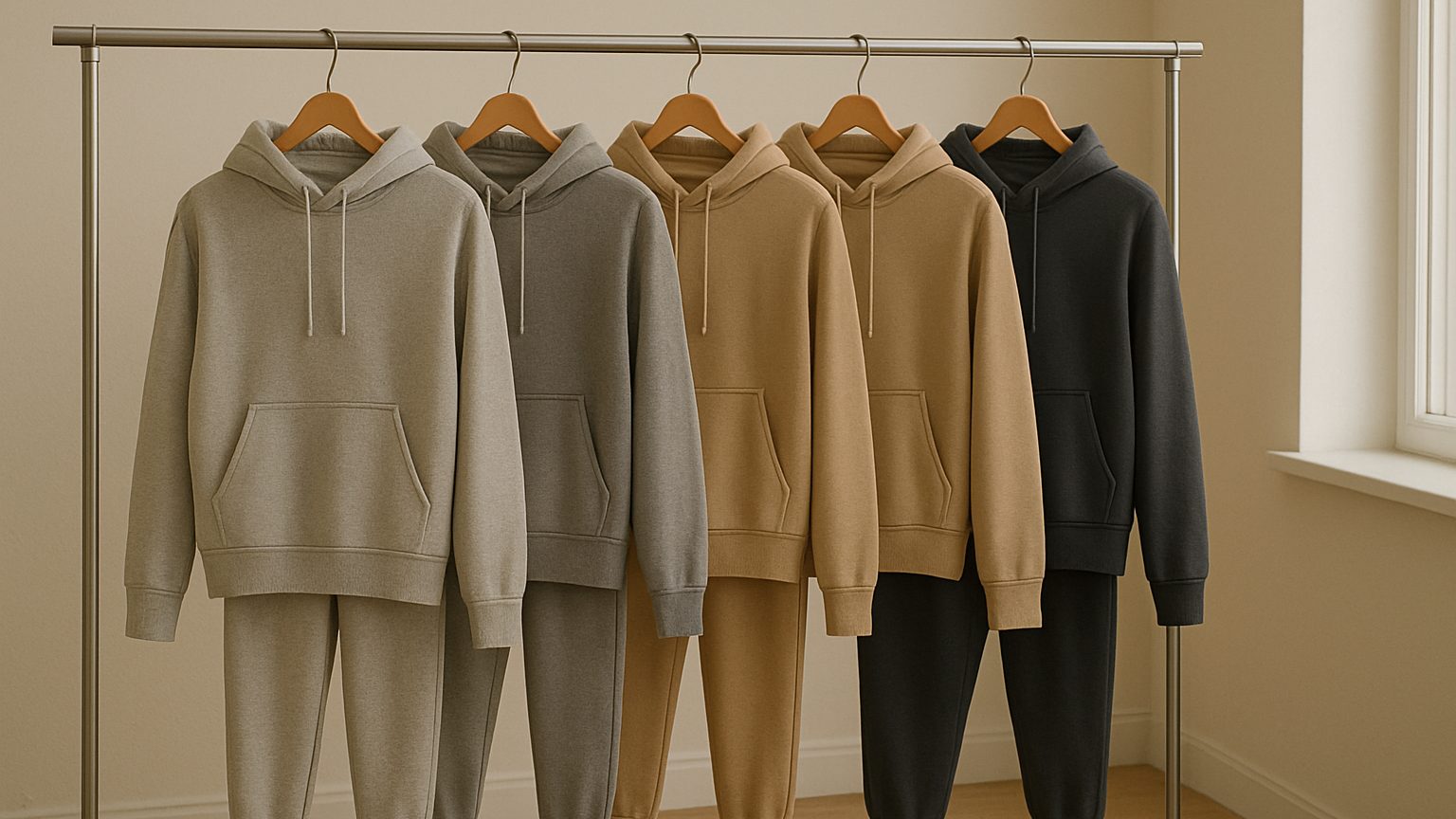
French Terry Cloth typically ranges from 240 to 320 GSM. This range covers most garment needs. Lightweight fabric under 240 GSM works for breathable spring and summer loungewear, shorts, and lightweight hoodies. Midweight fabric from 240 to 280 GSM suits versatile sweatshirts, joggers, and year-round activewear. Heavyweight fabric from 280 to 320+ GSM provides warmth and structure for winter styles, including a french terry hoodie. Higher GSM increases cost per yard, which can affect final garment pricing.
Why French Terry Has a Smooth Face and Looped Back
The unique construction of French terry creates two different surfaces.
French terry fabric is a type of knit textile with a smooth surface on the outside and a looped texture on the inside. These loops create a soft, absorbent, and breathable interior for comfort, while the smooth exterior gives a clean, polished look.
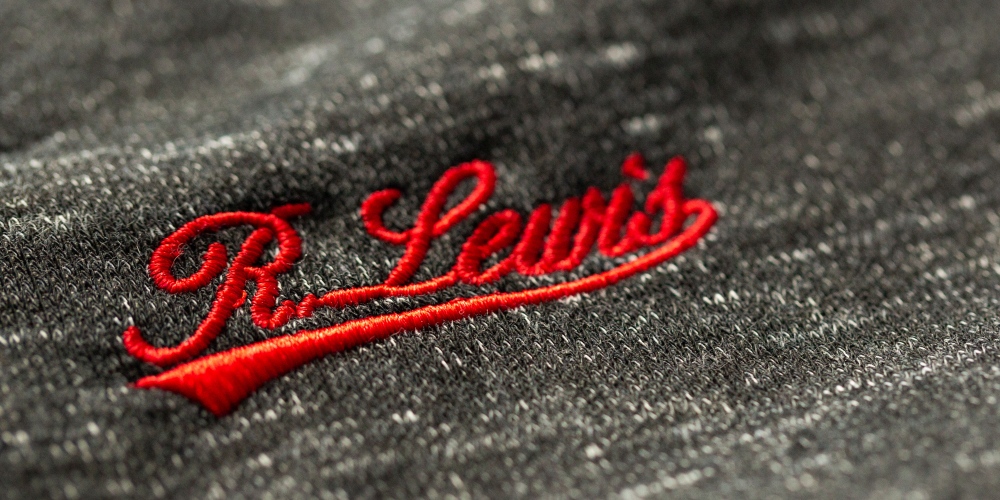
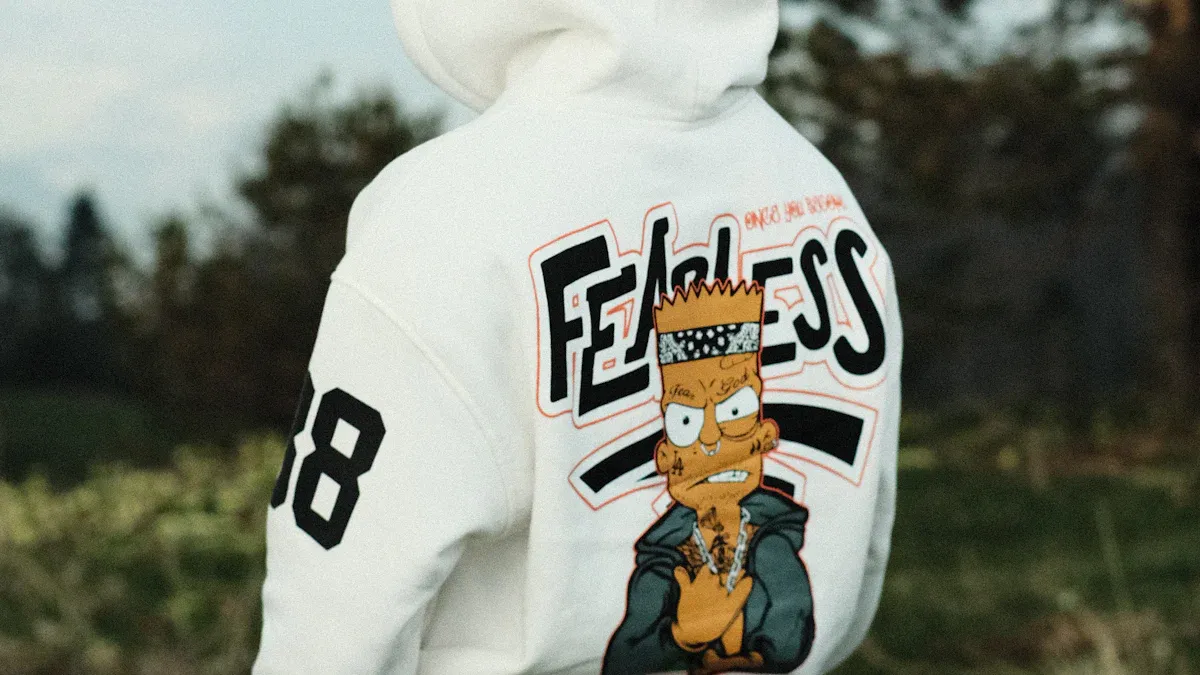
The smooth face allows for easy printing, embroidery, and branding. Brands can apply logos and designs without fabric distortion. The looped back provides softness against the skin. This combination makes French terry ideal for casual and active wear.
Loop consistency matters for garment quality. Even loops ensure uniform absorbency and a consistent feel. Uneven loops create weak spots and reduce fabric performance. Brands should ask for loop-density specs from suppliers. Care practices also affect fabric longevity:
- Polyester fleeces generally have much lower shrinkage rates and better dimensional stability.
- But polyester fleece can be prone to static cling or melting if exposed to high heat during printing or drying.
- Cotton fleece needs machine wash cold and tumble dry low to avoid too much shrinkage.
- Polyester fleece needs machine wash cold and tumble dry low or hang dry without fabric softeners.
- Wool fleece requires hand wash cold or dry clean with flat drying to prevent felting.
NBJM brings over 20 years of expertise in custom fleece and French Terry Cloth apparel. The company works with a minimum order of 800 units. Sampling takes 7 to 14 days. This simple process helps brands test fabric specs before buying large orders.
How Loop-Back Construction Shapes French Terry Performance
The loop-back structure allows air to move through the fabric more easily than a brushed construction, making French terry suitable for lightweight hoodies, transitional-season apparel, and layering pieces. Higher loop density or heavier GSM can provide more body and coverage, while lighter constructions create a softer drape and greater breathability.
For custom French terry apparel, brands should evaluate loop consistency, GSM, shrinkage, stretch recovery, and surface feel during sampling. These details help confirm that the selected fabric performs consistently before bulk production. NBJM supports custom fleece and French terry apparel development, with samples typically available within 7–14 days.
What French Terry GSM Range Fits Different Garment Needs?
The GSM of French Terry Cloth decides what a garment can be used for. Lightweight fabric under 240 GSM lets air through and feels soft on the body. Midweight fabric from 240 to 280 GSM gives a good mix of warmth and shape for all-year wear. Each GSM level matches a certain loop construction to get the right fabric performance.
How Lightweight French Terry Works for Layering Garments
Lightweight French terry below 240 GSM creates less bulk, making it suitable for layering tops, lightweight hoodies, shorts, and transitional apparel. Its loopback construction allows airflow while maintaining a smooth face for printing and embroidery.
For custom French terry clothing, brands should also check loop consistency, stretch recovery, and shrinkage. These factors help lightweight garments maintain their fit and appearance after repeated washing.
Why Midweight French Terry Suits Versatile Garment Collections
Midweight French terry around 240–280 GSM provides a practical balance between comfort, coverage, and structure. It can support hoodies, crewneck sweatshirts, joggers, and tracksuits across different seasons without the bulk of heavyweight fabric.
This range can also simplify sourcing for clothing brands developing coordinated collections. Using a consistent GSM across multiple styles helps maintain a unified fabric feel while allowing different garment designs and fits.
How Heavyweight French Terry Supports Structured Garment Designs
Heavyweight French terry from around 280 GSM upward provides greater body and a more substantial hand feel. It works well for oversized hoodies, heavyweight sweatshirts, premium joggers, and other designs that need a stronger silhouette.
Higher GSM does not automatically mean better quality. Brands should evaluate loop density, fiber composition, shrinkage, and shape retention together. NBJM supports custom French terry apparel development, allowing brands to match fabric weight and construction with specific garment requirements.
How Do French Terry Loops Affect Fabric Feel and Performance?
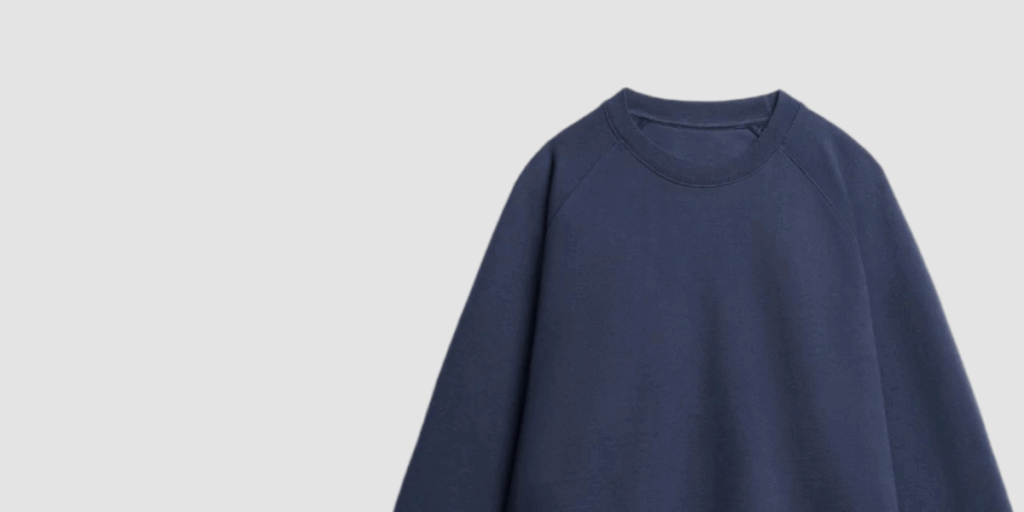
The looped surface of French Terry Cloth gives it high absorbency and fast moisture release. This structure pulls sweat away from the skin and speeds up drying. The result is better comfort while you wear it. Loop size, density, and consistency all shape how the fabric acts in a finished garment.
How Loop Size and Density Affect French Terry Fabric Feel
Larger, more open loops generally create a softer and more textured inner surface, while smaller, denser loops produce a more compact feel. Loop density can also affect fabric weight, airflow, and moisture absorption.
For clothing brands, the right balance depends on the garment. Softer, more open constructions can suit relaxed hoodies and loungewear, while denser French terry can provide greater body and structure for sweatshirts and joggers.
Why Loop Consistency Matters for Garment Quality and Fit
Consistent loops help maintain an even fabric surface, stable hand feel, and predictable garment performance. Uneven loop formation can contribute to variations in thickness, shrinkage, or surface appearance, which may affect the final fit after washing.
During fabric inspection, brands should check loop uniformity across the roll and test dimensional stability after washing. This is particularly important for custom French terry apparel, where consistent fabric construction helps maintain the approved fit from samples through bulk production.
How French Terry Loop Structure Supports Moisture Management
The unbrushed loops on the inside create small spaces that can absorb moisture while allowing air to circulate through the fabric. This makes French terry suitable for casualwear, activewear, and lightweight hoodie collections where breathability and comfort are important.
However, moisture performance also depends on fiber composition, loop density, and fabric weight. Cotton provides natural absorbency, while blended fibers can improve durability and drying performance. Brands should therefore evaluate the complete fabric specification rather than relying on loop structure alone.
How Does French Terry Absorbency Affect Garment Performance?
Absorbency affects how a garment feels when you wear it. French Terry Cloth takes sweat away from your skin and lets it go into the air. This keeps the person wearing it dry and comfortable. The loop structure and the fiber blend both control how well this works.
How French Terry Loops Help Manage Moisture During Wear
The looped back is what gives French terry its power to manage moisture. These loops add more surface area for better absorption than flat jersey knit fabric. Air pockets between the loops trap air and let it move around. This design stops sweat from building up during activity.
French Terry’s looped back construction gives the fabric a soft, fuzzy texture, and these loops also help to absorb moisture, making it a great choice for activewear and workout clothes. French Terry is an absorbent fabric that can wick away moisture from the skin, helping keep you dry and comfortable during intense workouts.
Mechanism How It Works Effect During High-Intensity Exercise Looped interior air pockets The loops trap air and allow it to circulate within the fabric structure Prevents sweat buildup and promotes a cooler, drier workout experience Absorbent looped fibers The looped back is absorbent and draws moisture away from the skin Manages sweat during intense exercise sessions, keeping the wearer comfortable and focused
Drying speed also matters. Brands should match the fabric to the activity level and the climate where the garment will be worn.
How Fiber Composition Can Affect French Terry Absorbency
The fiber you pick changes how French terry handles moisture. Cotton gives natural absorbency and a soft feel. Bamboo loop terry gives amazing softness and absorbency. Cotton-poly blends balance absorbency with durability for heavy wear.
A quick-reference matrix helps match fabric specs to garment end-use:
| GSM Range | Loop Type | Best Garment Use |
|---|---|---|
| Lightweight (under 240 GSM) | Two-thread | Summer loungewear |
| Midweight (240–280 GSM) | Three-thread | Year-round activewear |
| Heavyweight (280–320+ GSM) | Three-thread | Winter outerwear |
Sourcing teams should confirm GSM tolerance, ask for loop-density specs, and test absorbency with sample washes. Common mistakes include thinking higher GSM always means better quality, ignoring how loop type affects stretch, and missing how fiber blend affects absorbency.
NBJM makes this process simple. Brands share a design, approve a mockup, and get a sample in 7–14 days. Bulk production and shipping finish within 30 business days. With 30+ partner factories making 10 million pieces a year, NBJM serves 100+ brands across 30+ countries.
How Absorbency Influences Comfort in Different Garment Designs
The right absorbency level depends on the garment’s purpose. Lightweight French terry can provide breathable comfort for summer hoodies, shorts, and layering pieces, while midweight constructions suit everyday sweatshirts, joggers, and activewear.
For heavier hoodies and structured garments, absorbency is only one part of performance. Brands should also consider warmth, drape, drying time, shape retention, and fabric weight to create a balanced garment specification.
How Can Garment Brands Choose French Terry for Collections?
How to Match French Terry GSM With Seasonal Garment Needs
French terry GSM should match the season, climate, and desired garment feel. Lightweight options around 180–240 GSM suit spring, summer, and layering pieces, while 240–280 GSM offers greater versatility for year-round casualwear. Heavier fabrics from 280 GSM upward provide more body and coverage for fall and winter collections.
Brands should also consider fiber composition and loop construction rather than choosing GSM alone. A heavier fabric may provide more structure but can also increase garment weight and reduce breathability.
How to Select French Terry for Hoodies and Sweatshirts
For custom hoodies and sweatshirts, fabric weight should support the desired fit and silhouette. Around 240–280 GSM works well for lightweight hoodies and transitional styles, while 280–380 GSM can provide more body for classic, oversized, and colder-weather designs.
The loopback construction also gives French terry a breathable alternative to brushed fleece. When sourcing, brands should check GSM, loop consistency, stretch recovery, shrinkage, and hand feel through samples before bulk production.
How French Terry Supports Casual and Athleisure Collections
French terry works across casual and athleisure collections because its loopback structure combines softness, breathability, and comfortable movement. It can be used for hoodies, crewneck sweatshirts, joggers, shorts, and coordinated sets.
For casual collections, brands can prioritize softness, drape, and everyday comfort. Athleisure collections may place greater emphasis on moisture handling, stretch recovery, durability, and easy layering. This flexibility makes French terry useful for building coordinated collections around different customer needs.
Our French Terry Garment Manufacturing Solutions for Brands
NBJM provides custom French terry garment manufacturing for clothing brands, supporting fabric selection, garment development, customization, sampling, and bulk production. Brands can develop different styles while keeping fabric specifications consistent across a collection.
Custom French Terry Garments for Different Brand Collections
NBJM supports custom French terry garments including hoodies, sweatshirts, joggers, shorts, and coordinated casualwear. Brands can specify fabric composition, GSM, colors, fit, construction, labels, and packaging to match their collection positioning.
Decoration options can include embroidery, screen printing, digital printing, puff printing, and other branding techniques. This allows brands to select finishes based on artwork, fabric surface, garment style, and desired appearance without changing the core French terry construction.
Flexible French Terry Production From Sampling to Bulk Orders
NBJM supports French terry production from initial fabric selection and sample development through bulk manufacturing and quality control. Samples typically take 7–14 days, giving brands an opportunity to check GSM, loop structure, fit, color, and decoration before approving production.
With over 20 years of apparel manufacturing experience, NBJM works with more than 100 brands across 30+ countries. This production support helps both emerging and established clothing brands manage custom French terry collections with consistent specifications from sampling to repeat orders.
Frequently Asked Questions About French Terry Cloth
What GSM Range Is Common for French Terry Garments?
French terry commonly ranges from lightweight to heavyweight constructions, depending on the garment and season. Around 180–240 GSM suits lightweight layering pieces, 240–280 GSM works well for versatile everyday garments, and 280 GSM or higher provides more body for hoodies, sweatshirts, and cold-weather styles. Brands should confirm GSM together with fiber composition and loop construction.
How Do French Terry Loops Affect Absorbency and Comfort?
The looped back gives French terry greater surface area for moisture absorption while allowing air to circulate through the fabric. Smaller, denser loops can create a more compact feel, while larger loops can provide a softer, more textured surface. Fiber composition and loop density should also be considered when evaluating moisture performance.
Is French Terry Suitable for Hoodies and Sweatshirts?
Yes. French terry is widely suitable for custom hoodies and sweatshirts because its loopback structure provides a balance of breathability, softness, and structure. Lighter GSM works for transitional and layering styles, while heavier French terry can support oversized and more substantial hoodie designs.
Is French Terry More Breathable Than Fleece?
Generally, French terry is more breathable than brushed fleece because its inner loops leave more open space for airflow. Fleece has a brushed, raised surface that traps more air and provides greater insulation. For lightweight, layering-focused collections, French terry can therefore offer a cooler feel, while fleece is better suited to warmer designs.