Quality failures in clothing cost a lot. Returns, a harmed brand image, and lost sales add up fast. Many brands see quality checks as a last step. That plan is too late. Good quality control must start with the first sample and keep going through every step of making the product. This Apparel Quality Control Guide gives a clear path. It includes planning before production, checking during sewing and finishing, and a final look before shipping. Learning this process creates a dependable supply chain. It makes sure your customers get steady quality, every time they order.
Key Takeaways
- Check quality before you start making products in large amounts.
- Use the 4-Point System to check fabric rolls.
- Set a Golden Sample and a TOP sample as your standards to compare against.
- Check clothes while they are being sewn to spot problems early.
- Do a last check of the goods using AQL rules before you send them out.
Why Apparel Quality Control Must Start Before Bulk Production
Quality control should not start at the final inspection. For fleece and French terry production, many problems begin with fabric defects, inconsistent materials, or unclear production standards. A complete Apparel Quality Control Guide should therefore start before cutting and sewing.
Inspecting Incoming Fabric with the 4-Point System
Fleece and French terry rolls should be inspected before cutting. Common issues include shrinkage, pilling, color shading, holes, stains, and uneven fabric surfaces. These defects can affect garment appearance, fit, and durability.
The 4-Point System assigns penalty points according to defect size, making fabric quality easier to measure consistently. Only fabric that meets the agreed quality threshold should move to cutting.
Early fabric inspection prevents defective rolls from entering production and reduces material waste, rework, and bulk quality problems.
Setting the Golden Sample and TOP Sample
Fabric inspection is only the first step. Brands also need clear physical references for finished garment quality.
The Golden Sample represents the approved final product, including fabric, color, measurements, construction, and finishing. The TOP Sample (Top of Production) is taken from the beginning of bulk production to confirm that the factory can reproduce the approved standard under actual production conditions.
Comparing bulk garments with these approved samples helps identify changes in fit, stitching, fabric appearance, or finishing before defects spread across the full order.
Starting quality control with incoming materials and approved samples gives manufacturers clear standards before bulk production begins. This proactive approach helps growing brands reduce rework, delays, and inconsistent fleece and French terry apparel.
Sampling and Pre-Production Quality Control for Apparel
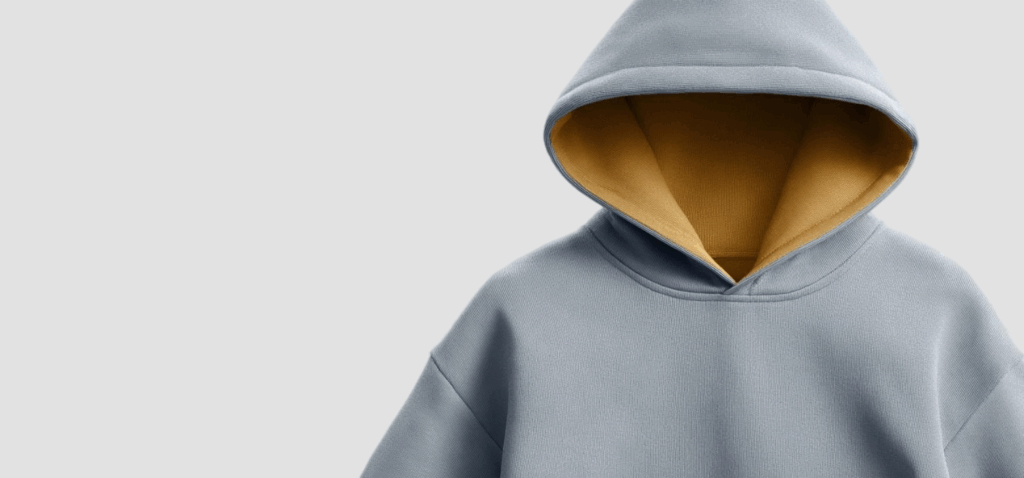
The sampling phase turns a design concept into a real garment and provides an important quality checkpoint before bulk production. Each sample type has a different purpose, helping brands identify design, fit, material, and construction issues early.
Reviewing Proto, Fit and Size Set Samples Against Specifications
The proto sample is the first physical version made from the tech pack. It checks the basic design, construction, proportions, and pattern feasibility before more detailed testing begins.
The fit sample then focuses on how the garment looks and feels when worn. Brands check areas such as shoulder slope, armhole depth, sleeve length, and overall movement. For fleece and French terry apparel, the fabric’s actual drape and stretch should also be considered.
After fit approval, the size set sample checks the full size range against the graded specifications. Inspectors review measurements, proportions, construction, trims, labels, and workmanship across sizes to ensure the approved design can be reproduced consistently.
Checking Fabric Quality, Shrinkage and Construction Before Approval
Fabric testing should take place before bulk cutting. For fleece and French terry, brands should check fabric weight, fiber content, color, hand feel, shrinkage, and surface stability.
Shrinkage testing helps confirm whether garments will maintain their intended measurements after washing. Colorfastness checks help prevent fading or bleeding, while construction inspections review seams, stitching, hems, cuffs, and reinforcement points.
An approved lab dip or fabric swatch can also serve as the color and material reference. These checks give manufacturers clear requirements before bulk apparel production begins.
Using the Pre-Production Sample to Set the Bulk Quality Standard
The approved pre-production sample becomes the main reference for bulk manufacturing. It confirms the final fabric, fit, construction, color, trims, labels, and finishing requirements.
For fleece and French terry apparel, the reference should match the approved fabric weight, hand feel, surface finish, and measurements. Production teams can compare early bulk pieces against this standard to identify differences before they affect the full order.
NBJM coordinates sample approval with production requirements, helping brands establish a clear standard before bulk production. This gives quality inspectors a consistent reference and reduces avoidable production issues.
Fabric and Cutting Quality Control Before Apparel Production

Fabric inspection protects the production run before cutting begins. For fleece and French terry, manufacturers should confirm GSM, width, color, surface quality, and material stability before approving fabric. Early checks help prevent defects from being repeated across hundreds or thousands of garments.
Inspecting Fleece and French Terry for Weight, Width and Defects
Fabric weight affects warmth, drape, and overall garment feel. Inspectors should measure GSM at multiple points across each roll to confirm it matches the approved specification and tolerance.
Width also affects fabric utilization and pattern layout. Uneven width can increase material waste or require pattern adjustments. Visual inspection should identify holes, runs, stains, uneven texture, and other surface defects before cutting.
For fleece and French terry apparel, checking both fabric specifications and appearance ensures that the approved material is suitable for the intended garment.
Controlling Fabric Shrinkage, Color Consistency and Material Stability
Shrinkage can change garment measurements after washing, making early testing essential. Manufacturers should test fleece and French terry using the intended washing method and record dimensional changes before finalizing patterns.
Color consistency should also be checked against an approved lab dip or color standard. Different dye lots can create visible shade differences, so bulk fabric should be reviewed before cutting.
Material stability includes shrinkage, stretch, recovery, and surface behavior. Pre-shrinking or suitable fabric finishing can help control dimensional changes and improve consistency throughout bulk apparel production.
Checking Cutting Accuracy Against Approved Patterns and Measurements
Once fabric is approved, cutting must follow the finalized patterns and measurement specifications. Operators should check pattern placement, grain direction, fabric alignment, and cutting dimensions before production continues.
For fleece and French terry garments, accurate cutting helps maintain consistent garment measurements and reduces fabric waste. Key points of measurement should be checked against the approved pattern before sewing begins.
A clear cutting inspection process connects fabric quality control with accurate garment construction, giving the production team a reliable foundation for the next manufacturing stage.
In-Line Quality Control During Bulk Apparel Production
Measurement drift poses another threat. Operators sew faster as they gain confidence. Their stitching patterns shift slightly. A fleece hoodie body may grow 1 centimeter wider by mid-morning. Inspectors measure key points every hour. They check chest width, sleeve length, and body length against the spec sheet.
Monitoring Sewing Quality, Stitching and Garment Measurements
Fleece and French terry fabrics create special sewing challenges. Their bulky loops and brushed surfaces hide stitch problems. Skipped stitches appear when needles fail to catch the loop. Uneven seam allowances occur when operators rush. Seam puckering happens when tension settings do not match fabric thickness. These defects ruin garment durability and appearance.
Measurement drift poses another threat. Operators sew faster as they gain confidence. Their stitching patterns shift slightly. A hoodie body may grow 1 centimeter wider by mid-morning. Inspectors measure key points every hour. They check chest width, sleeve length, and body length against the spec sheet. The 7-point system scores defects by severity and location. This method works well for evaluating garments on the line. It assigns penalty points that help inspectors track problem patterns across sewing stations.
Color shading between production lots appears during sewing. Dye lots from different fabric rolls may differ slightly. Inspectors watch for mismatched panels as pieces come together. They flag any visible difference immediately.
Checking Printing, Embroidery and Finishing During Production
Decoration requires its own inspection routine. Print and embroidery defects appear quickly when operators miss setup steps. Factories must mandate strict artwork flows and strike-off approvals before bulk decoration begins. Operators check their first piece against a signed golden sample. This first-piece check catches registration errors early.
| Quality Check | What Inspectors Verify |
|---|---|
| Color Consistency | Matches Pantone or digital swatch within specified delta E |
| Placement Tolerance | Within ±5mm of intended location |
| Stitch Density | Consistent fill without crowding or gaps |
| Surface Appearance | No loose threads, wrinkles, or visible distortion |
| Stretch Test | Light stretch should not break or lift ink layer |
| Wash Test | After 3–5 washes, look for cracks or peeling |
| Rub/Fade Test | Rub white cloth across design to check for loose pigment |
| Durability Tests | Survives at least 5 machine washes at 40°C |
Factories should stretch-test every print batch 50 times. This test guarantees zero cracking before bulk production continues. They also require AATCC wash and crock testing for colorfastness. Custom acrylic templates for each size grade ensure consistent logo placement.
Root cause analysis links line problems back to earlier failures. Poor stitching often traces to inadequate operator training. Measurement drift points to unclear spec sheets. Color shading originates at the dye house. Clear communication between brand and factory prevents repeat issues. Brands should share inspection reports promptly. Factories should document corrective actions. This feedback loop builds steady quality across every production run.
Final Apparel Inspection and Quality Control Before Shipment
Final inspection is the last quality checkpoint before bulk apparel leaves the factory. Inspectors compare finished garments with the approved samples, specifications, packaging requirements, and purchase order. This step helps identify defects or inconsistencies before shipment.
Checking Finished Garments Against Approved Samples and Specifications
Inspectors first verify the order quantity and carton assortment against the purchase order. Random garments are then selected for inspection based on an agreed sampling plan.
Each selected garment is compared with the approved golden sample and TOP sample. Inspectors check measurements, fabric appearance, colors, trims, labels, and construction details against the approved specifications.
For fleece and French terry apparel, they also check surface defects, color shading, pilling, and other material issues that may affect the finished product.
Reviewing Measurements, Appearance, Workmanship and Packaging Quality
The inspection covers key measurements such as body length, chest width, waist, and sleeve length. Inspectors also review sewing quality, seam strength, stitching, embroidery, zippers, buttons, and overall garment appearance.
Packaging is checked at the same time. Cartons, shipping marks, labels, size assortments, and packing quantities should match the approved requirements. This helps ensure garments arrive correctly packed and ready for distribution.
Using AQL Inspection to Assess Bulk Apparel Quality Consistently
AQL inspection provides a consistent method for evaluating bulk apparel quality. Critical defects normally follow AQL 0, while major and minor defects are commonly assessed using AQL 2.5 and AQL 4.0.
The selected sample is checked against the agreed defect limits. If the number of defects exceeds the acceptance criteria, the lot may require rework, additional inspection, or rejection.
For growing apparel brands, a clear final inspection standard creates an objective quality benchmark. It helps both manufacturers and buyers make consistent decisions before goods are released for shipment.
Our Apparel Quality Control Support for Growing Brands
Growing brands need consistent quality across every production run. Changes in fabrics, factories, or production conditions can create differences between orders. NBJM helps establish clear quality requirements for fleece and French terry apparel and coordinates them throughout production.
Maintaining Consistent Fleece and French Terry Quality Across Orders
Consistency starts with clear fabric specifications. French terry provides breathability and shape retention, while brushed fleece offers warmth and softness. Defining the right fabric for each product helps maintain a consistent customer experience across seasonal collections.
NBJM works with partner factories to keep approved fabric specifications consistent across orders. Key requirements such as GSM, composition, color, hand feel, and surface finish can be confirmed before production begins. This gives factories a clear reference for repeat orders and new styles.
Supporting Sample Approval and Production Standards From Start to Finish
Sample approval establishes the standard for bulk production. NBJM helps coordinate sample submissions, specification reviews, and inspection requirements before production begins. This allows brands to identify issues with fabric, fit, construction, or trims at an early stage.
Once a sample is approved, its specifications provide a reference for production teams and quality inspectors. NBJM coordinates communication between brands and partner factories so approved requirements remain clear throughout the manufacturing process.
Coordinating Quality Checks for Reliable Bulk Apparel Production
Quality control continues during bulk apparel production, not only during sampling. NBJM coordinates quality requirements with its partner factories and helps monitor key production checkpoints, from fabric preparation and cutting to sewing, finishing, and final inspection.
For fleece and French terry apparel, checks can cover fabric consistency, measurements, stitching, surface appearance, and finishing details. Clear inspection standards help identify problems early and reduce the risk of inconsistent products reaching the final shipment.
This coordinated approach gives growing brands one quality process across sampling, production, and shipment. It supports more reliable custom apparel manufacturing as order volumes and product ranges grow.
FAQs About Apparel Quality Control From Sampling to Bulk Production
What Is Checked During Apparel Quality Control and Inspection?
Apparel quality control covers fabric, measurements, stitching, construction, color, trims, labels, and finishing. For fleece and French terry apparel, checks can also include shrinkage, pilling, colorfastness, and fabric consistency. NBJM applies quality checks from fabric preparation through finishing and packing.
When Should Quality Control Begin in Apparel Manufacturing?
Quality control should begin before bulk production, starting with fabric and sample approval. Checking materials, fit, construction, and specifications early allows problems to be corrected before they are repeated across the full order.
Why Can Bulk Apparel Differ From an Approved Production Sample?
Differences can occur when fabric lots, measurements, colors, construction, or finishing change during scaling. A clearly approved sample gives the production team a fixed reference. NBJM uses approved samples and specifications to guide bulk manufacturing and quality checks.
What Is AQL in Apparel Quality Control and Final Inspection?
AQL, or Acceptable Quality Limit, is a sampling method used to evaluate defect levels in a production lot. Buyers and manufacturers agree on the sampling plan and acceptance criteria before inspection, creating a consistent basis for deciding whether bulk apparel meets the required quality level.
How Can Brands Reduce Quality Problems Before Bulk Production?
Start with clear specifications, approved materials, accurate patterns, and a physical pre-production sample. Brands should confirm fabric, fit, measurements, decoration, labels, and packaging before giving bulk production approval. NBJM supports sample development and revisions before moving into mass production.