When starting a clothing brand, one of the first choices you need to make is which different types of sweatshirt styles to sell. You can pick from crewneck, hoodie, zip-up, oversized, cropped, and specialty styles such as fleece and French terry. Each different type of sweatshirt has its own special features and target buyers. Choosing the right mix of different types of sweatshirt is important for a successful product line. Customization options, fabric choices, and production partners can affect which styles a brand should focus on. A custom apparel manufacturer offers fully customizable designs and requires a minimum order quantity for wholesale. Knowing the different types of sweatshirt helps you plan a collection that matches your brand identity and customer base.
Key Takeaways
- Pick sweatshirt styles that fit your brand and your customers.
- Begin with classic crewnecks and hoodies to build a strong base.
- Choose the right fit: oversized, regular, or cropped.
- Pick fleece to stay warm, or choose French terry to let air flow.
- Work with a maker like NBJM to get your own designs and order small amounts.
Why Different Sweatshirt Types Matter for Clothing Brands
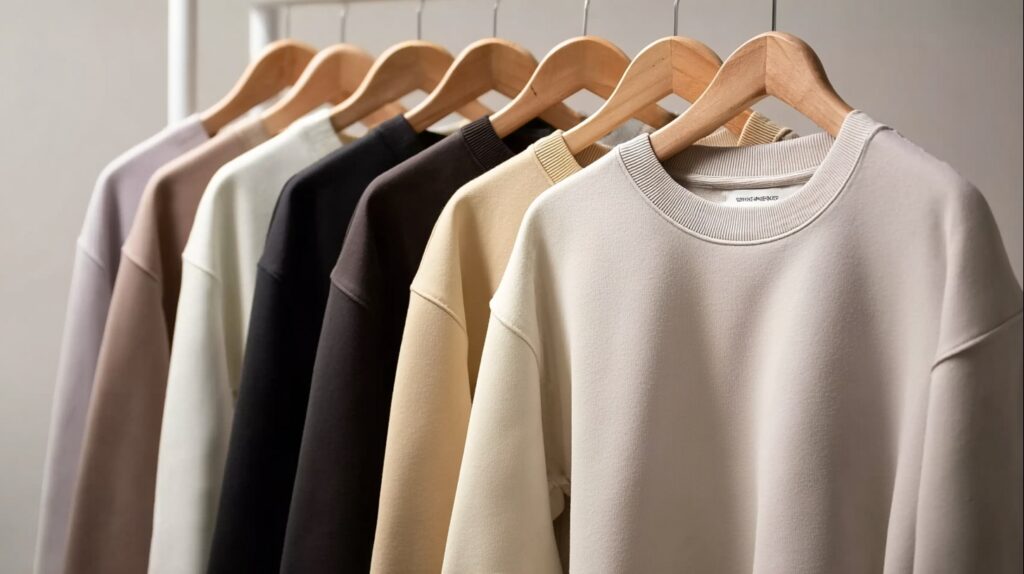
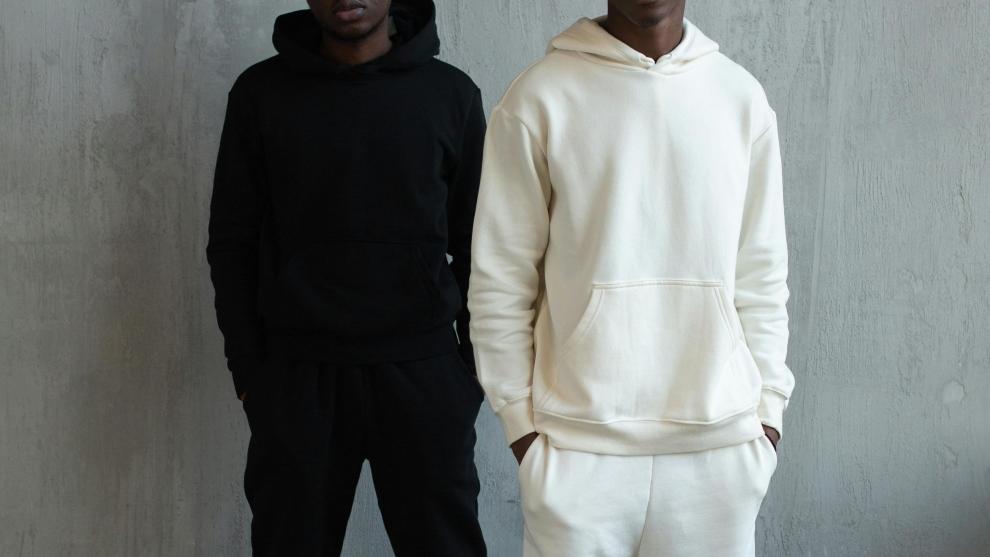
Crewnecks and pullover hoodies form the foundation of many sweatshirt collections. Their familiar designs suit casualwear, streetwear, teamwear, and everyday apparel, making them practical starting points for clothing brands.
The classic crewneck has a simple, hood-free design with a clean surface for logos and graphics. It works well for minimalist collections, company merchandise, and versatile everyday wear.
Pullover hoodies add a hood and kangaroo pocket for extra warmth and practicality. Their familiar silhouette makes them especially popular in casualwear, streetwear, athletic, and university apparel.
Choosing different sweatshirt types allows brands to build a more complete collection. NBJM supports custom fleece and French terry production, allowing brands to adjust fabrics, fits, decoration, and other details for different seasonal and customer needs.
Core Sweatshirt Styles for Different Clothing Brand Collections
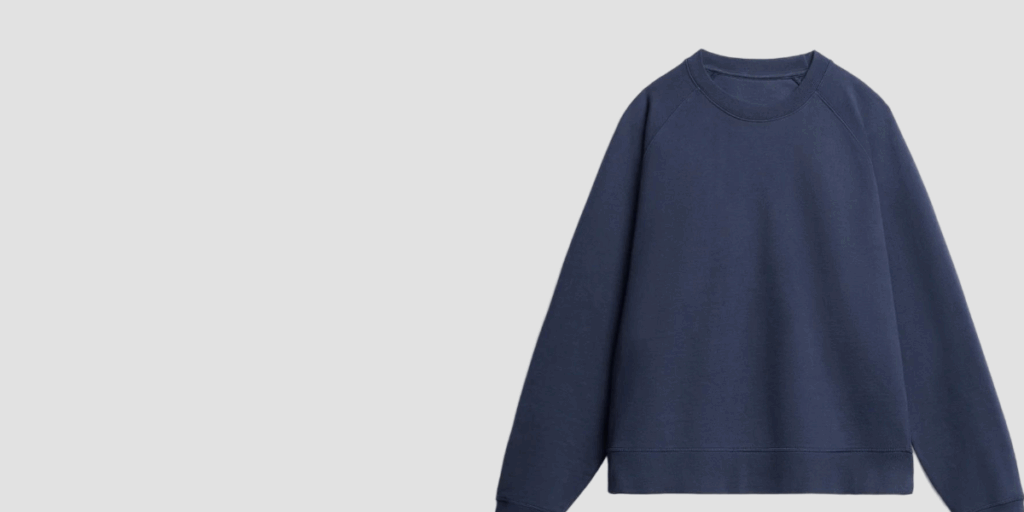
Different sweatshirt styles serve different product and branding needs. For clothing brands, choosing the right base style helps create a balanced collection across casual, streetwear, active, and lifestyle categories.
Classic Crewneck Sweatshirts for Versatile Brand Collections
Crewneck sweatshirts are a versatile foundation for many clothing collections. Their simple neckline and clean front work well with screen printing, embroidery, and other branding details.
This style fits casualwear, everyday basics, teamwear, and merchandise collections. Brands can also vary the fabric weight, fit, and finishing details to create different product tiers.
Pullover Hoodies for Casual and Streetwear Clothing Brands
Pullover hoodies combine a hood, kangaroo pocket, and simple one-piece front, making them a strong choice for casual and streetwear collections.
Brands can customize the fit, fabric, graphics, labels, and trims to create a distinctive product. Fleece works well for warmer, structured styles, while French terry suits lighter designs.
Zip-Up Hoodies for Layered and Functional Brand Collections
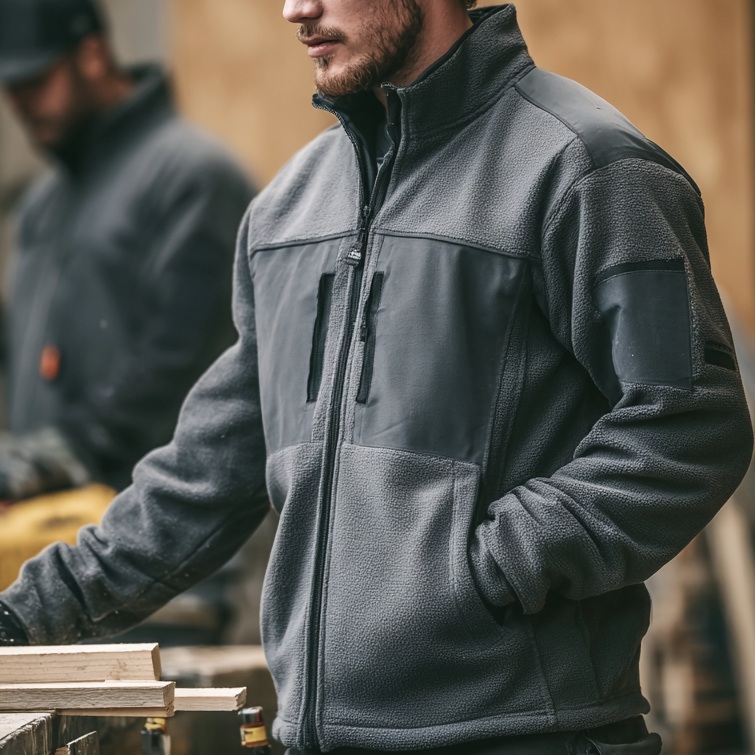
Zip-up hoodies are designed for easy layering and flexible wear. The full-front zipper allows wearers to adjust coverage and makes the style suitable for activewear, athleisure, outdoor, and everyday collections.
The divided front also changes decoration planning. Chest, sleeve, and back areas can be used for logos or graphics without interfering with the zipper.
Quarter-Zip Sweatshirts for Modern Layered Apparel Collections
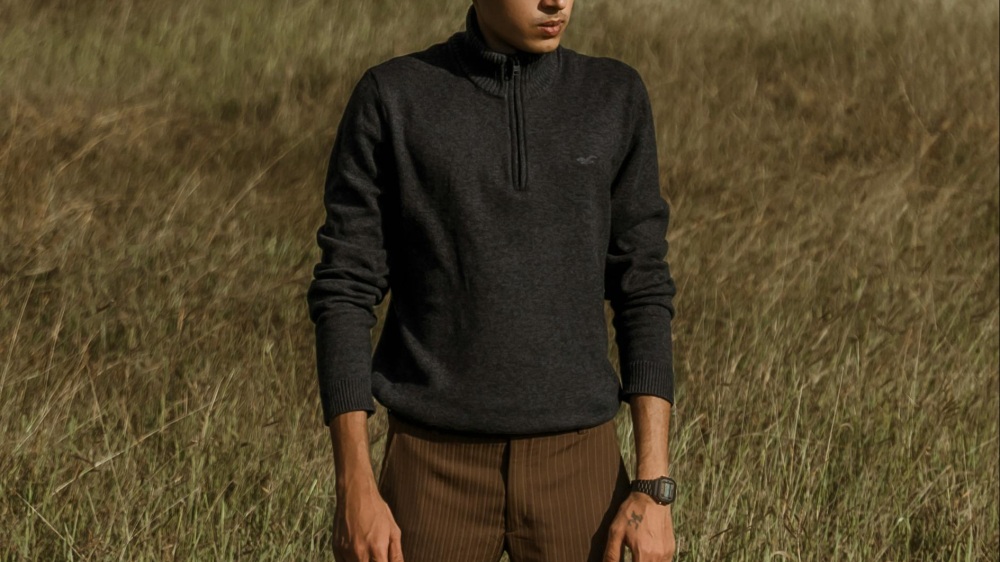
Quarter-zip sweatshirts offer a more structured look with a partial zipper and higher neckline. They work well for modern casualwear, golf, corporate apparel, and lifestyle collections.
The chest and sleeve provide practical areas for embroidery or other branding. Brands can further differentiate the style through fabric weight, fit, trims, and color selection.
How Sweatshirt Fits Shape Your Brand’s Product Positioning
Fit and silhouette set modern brands apart more than color or logo placement. Two labels can sell the same crewneck fabric and still reach very different customers. One cuts it loose and boxy. The other keeps it close to the body. Buyers notice this difference before they even read a tag.
Oversized Sweatshirts for Relaxed and Streetwear Brand Styles
Oversized sweatshirts have a relaxed, baggy fit. The shoulders drop past the natural shoulder line. The body hangs loose through the waist and hips. This shape sends a message of comfort and confidence. Streetwear labels, Gen Z shoppers, and fashion-forward brands built whole collections around it. A boxy oversized hoodie looks great with baggy jeans or cargo pants. The extra fabric also gives screen printers a bigger canvas for bold graphics.
Regular-Fit Sweatshirts for Everyday Commercial Collections
Regular-fit sweatshirts follow the body without clinging. The shoulder seam sits near the natural shoulder. The hem rests at the hip. This classic cut works well for everyday commercial collections. Corporate merch programs, uniform suppliers, and mainstream retail brands rely on it. Customers already know how it fits, so returns stay low. A wholesale custom crewneck in a regular fit becomes a steady repeat seller for any manufacturer.
Cropped sweatshirts go the opposite way. The hem stops above the waist. Women’s fashion, athleisure, and festival wear brands use this silhouette to reach younger female buyers. The shorter length changes the whole proportion of an outfit.
These styles need careful pattern-making and grading. A cropped hem must sit right on every size, and an oversized drop shoulder must stay balanced across the range. Poor grading ruins the look. The design team handles this work from pattern design to garment creation. The company offers full customization, so brands can adjust fit, fabric, and decoration together. With a minimum order quantity, growing labels can test a new silhouette without risking a huge production run. Choosing among the different types of sweatshirt starts with fit, because fit decides who wears your brand.
How Fleece and French Terry Change Sweatshirt Performance
Specialty sweatshirts are made for niche markets and special branding needs. The fabric inside the garment often matters more than the cut. Fleece and French terry are the two main choices for custom sweatshirt production. Each fabric changes warmth, breathability, and how a print sits on the surface.
| Feature | French Terry | Fleece |
|---|---|---|
| Warmth | Moderate warmth | Excellent insulation |
| Breathability | Breathable | Traps body heat |
| Thermal role | Moderate warmth with airflow | Traps body heat for maximum warmth |
Fleece Sweatshirts for Warmth, Structure, and Brushed Comfort
Fleece traps dead air in its brushed, lofty fibers. This works as a thermal barrier. In a static test at 65°F (18°C), a 280 GSM fleece kept the wearer warmer than a heavier 350 GSM French terry. Fabric weight can fool buyers here. A thin 200 GSM microfleece often traps more body heat than a heavy 450 GSM French terry because of its brushed nap.
For heavyweight fleece intended for winter apparel, the recommended GSM is 350+ GSM.
Graphic sweatshirts need a print-ready surface. Smooth fleece holds screen-printed graphics and embroidery well. The manufacturer offers decoration styles like screen printing and embroidery for these garments.
French Terry Sweatshirts for Lightweight and Breathable Layers
French terry wins for active temperature regulation. Its looped interior lets air move around, which stops sweat buildup and keeps a workout cooler. The fabric handles sweat during hard exercise and keeps the wearer dry. This mix suits activities from yoga to high-intensity training. Cotton-polyester blends in French terry boost moisture-wicking and thermal regulation.
The difference between fleece and terry comes down to breathability versus warmth: French terry sweatshirts excel at moisture-wicking and ventilation, while fleece sweatshirts prioritize maximum coziness and heat retention.
Sustainable sweatshirts appeal to eco-conscious buyers. The manufacturer focuses on eco-friendly fabrics and brings export experience to every order. The manufacturer’s minimum order quantity suits growing brands testing new fabric directions. Choosing among the different types of sweatshirt starts with the fabric that fits the season and the customer.
How to Choose Sweatshirt Types for Your Clothing Brand
The right sweatshirt types should match your customers, product positioning, and seasonal needs. Instead of choosing styles individually, consider how fabric, fit, and construction work together across your collection.
Match Sweatshirt Styles With Your Brand’s Target Customer
Start with your target customer’s lifestyle and buying habits. Streetwear brands may focus on oversized hoodies and relaxed crewnecks, while professional collections may suit quarter-zips and clean regular-fit sweatshirts.
Also consider where the products will be worn. Casual, athletic, outdoor, and corporate customers can have different expectations for comfort, mobility, and appearance.
Select the Right Fabric Weight for Each Sweatshirt Style
Fabric weight should match the season, climate, and intended use. Lightweight French terry works well for layering and warmer weather, while heavyweight fleece provides more warmth and structure for winter styles.
Consider fabric composition as well as GSM. Cotton-rich fabrics offer a natural hand feel, while blends can provide different durability and performance characteristics.
Balance Sweatshirt Style, Fit, and Fabric for Product Planning
Style, fit, and fabric should be planned as one product specification. A heavyweight fleece may suit an oversized hoodie, while a lighter French terry can work better for a relaxed zip-up or layering piece.
For a clothing brand, creating different combinations across the collection can provide product variety without making every style completely different. A custom sweatshirt manufacturer can help translate these specifications into samples and bulk production.
Build Your Sweatshirt Collection With Our Manufacturing Expertise
Fabric and Production Support for Fleece and French Terry Sweatshirts
NBJM specializes in custom fleece and French terry apparel, including hoodies, pullovers, sweatshirts, joggers, tracksuits, jackets, and shorts. Brands can customize fabric, fit, decoration, and packaging to match their collections.
From design and sampling to bulk production, NBJM supports the complete manufacturing process through its partner factory network.
Custom Sweatshirt Manufacturing for Growing Clothing Brands
NBJM provides made-to-order sweatshirt manufacturing for brands developing and expanding their collections. Custom pattern development allows brands to adjust fit, construction, and fabric specifications instead of relying on standard styles.
With experience serving brands across international markets, NBJM supports different product requirements from fleece hoodies for colder seasons to lightweight French terry apparel for warmer collections.
Frequently Asked Questions About Sweatshirt Types for Clothing Brands
What Is the Most Popular Sweatshirt Style for Clothing Brands?
Crewneck sweatshirts and pullover hoodies are common starting points for clothing brands because they suit casualwear, streetwear, and everyday collections. Zip-ups and quarter-zips can be added for layering or more functional product lines.
Which Sweatshirt Fabric Is Best for a Clothing Brand Collection?
There is no single best fabric. Fleece works well for warm and structured garments, while French terry suits lightweight, breathable, and layering-focused styles. Choose based on your target market, season, and product positioning.
Are Fleece or French Terry Sweatshirts Better for Brand Collections?
Both can work well when matched to the right product. Fleece is better suited to warmer collections and heavier silhouettes, while French terry offers a lighter option for transitional and activewear styles. Using both can also create a more versatile collection.
How Should Clothing Brands Choose Sweatshirt Fabric Weight?
Choose GSM based on climate, season, fit, and intended use. Lightweight fabrics suit layering and warmer weather, while higher-GSM fleece provides more warmth and structure. The final weight should also match your target price and garment design.