Which Should Your Brand Produce First? Pick pullover hoodies first for streetwear or graphic-heavy brands. They cost less and give a clean front panel for big designs. Pick zip-up hoodies first for activewear, corporate, or outdoor brands. They offer more ways to layer. The right choice depends on cost, decoration options, target market, and versatility. This article compares both styles and gives a simple decision framework. The framework helps answer which one your brand should produce first.
Key Takeaways
- Pullover hoodies cost less and give you a clean front area for big graphics. They are great for streetwear brands.
- Zip-up hoodies make it easy to add or remove layers and control your temperature. They work best for activewear and outdoor clothing lines.
- Pick pullovers for simple designs and bold front logos. Choose zip-ups for more ways to wear them.
- Begin with one hoodie style, test demand, then grow. Keep your first production run simple.
What Are the Key Differences Between Pullover and Zip-Up Hoodies?
The main difference begins with the front panel. A pullover hoodie uses one whole piece of fabric across the chest. A zip-up hoodie adds a zipper that splits that panel into two parts. This one design choice changes decoration options, warmth, and the best use for each style.
Pullover Hoodies Offer a Simpler Structure for Brand Production
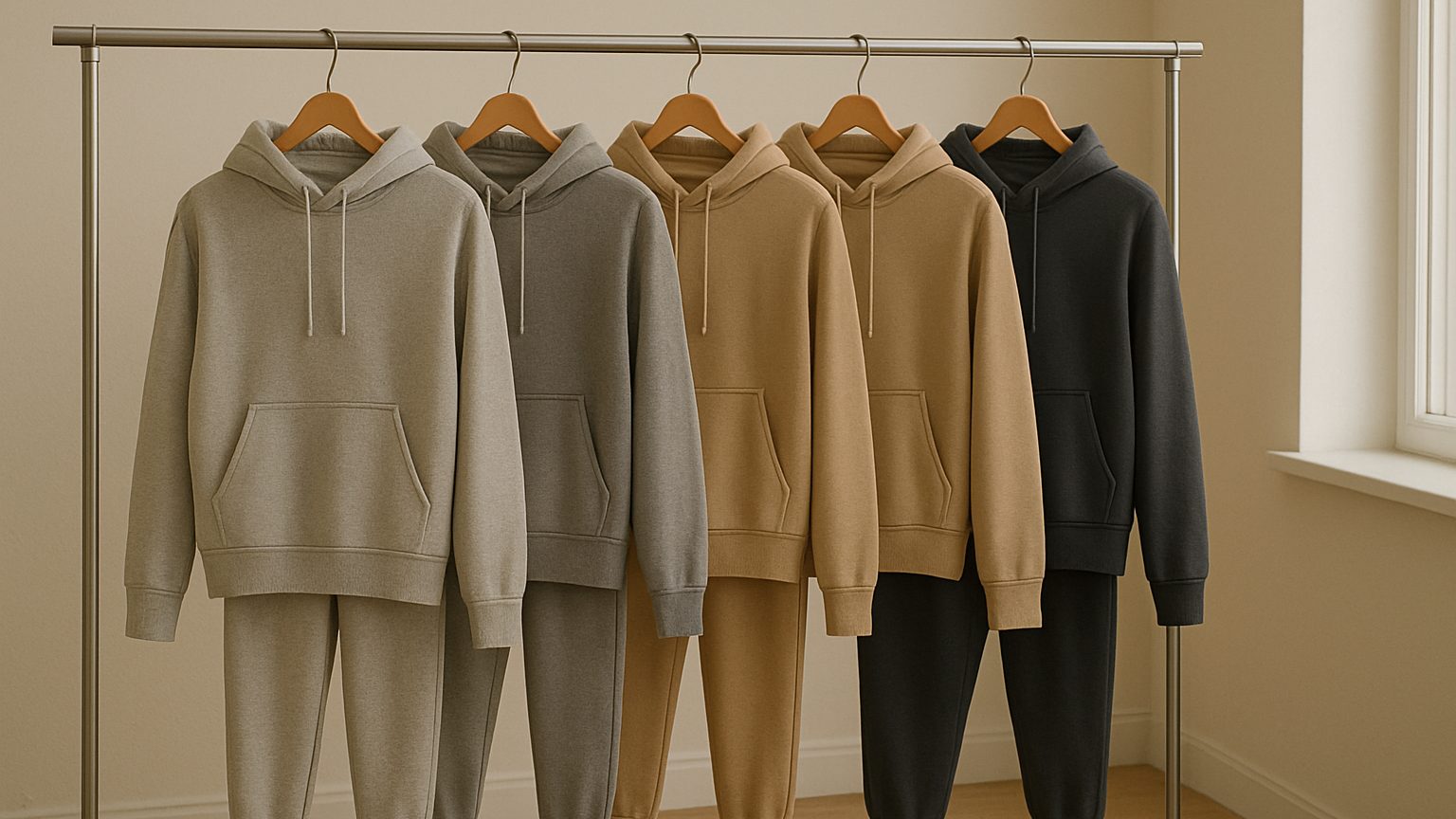
The unbroken front panel makes a flat, clean space for big graphics and logos. Streetwear brands and merch-focused lines like this layout. No zipper also means fewer production steps and lower hardware costs. Pullover hoodies hold body heat better because cold air cannot get in through a front gap. With the same fabric weight, the pullover gives clearly more warmth. Consumer scores back this up: pullover gets 5 out of 5 for warmth, price, and style. The unbroken panel stays flat without zipper rippling, so it drapes more cleanly.
These features make pullovers great for casual comfort lines and cold-weather use. Brands making uniform merch or graphic-heavy drops often start with pullovers. The simple structure supports strong front branding with no design breaks.
Zip-Up Hoodies Add Zippers and More Construction Considerations
A zipper splits the front decoration area. Designers must put branding around the opening, often on the left chest or back. Zipper installation needs careful alignment and quality hardware, which adds cost and complexity to production. But the trade-off is more versatility. A zip-up can be worn fully zipped, half-zipped, or open as a jacket. This makes it perfect for layering in changing weather or active settings.
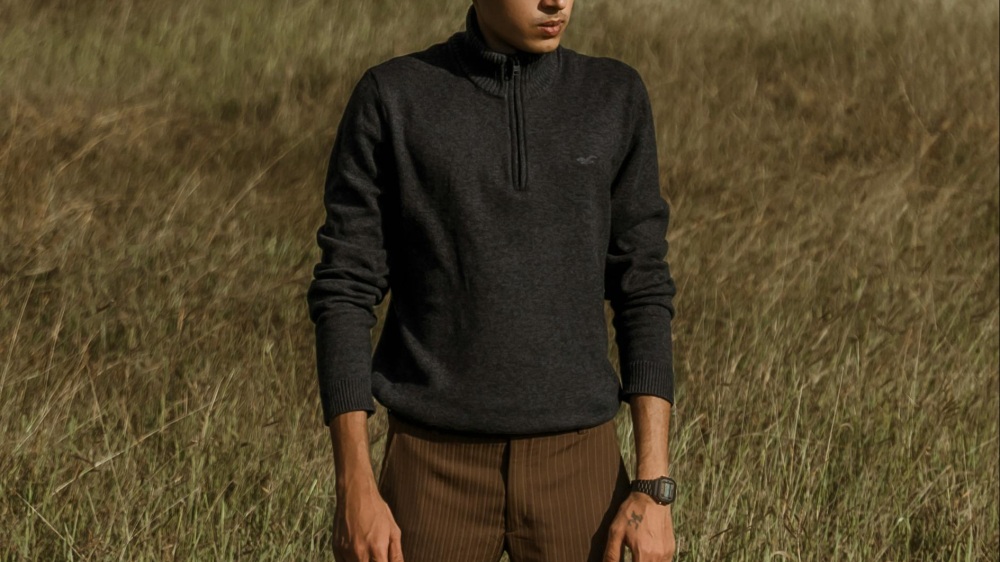
Consumer data rates zip-ups 5 out of 5 for convenience and layering. The hoodie comes off fast without catching on glasses. It can release heat quickly during high-output use. Activewear, corporate uniforms, and outdoor brands often pick zip-ups first. The hoodie adjusts easily to temperature changes throughout the day.
How Do Pullover and Zip-Up Hoodies Compare in Production?
Production steps differ most in how many parts are used and how long assembly takes. A pullover has no zipper, so the front panel stays whole from cutting to finishing. A zip-up adds hardware, a cut down the center, and a step to install the zipper. These differences shape cost, lead time, and how each style gets decorated.
Pullover Hoodies Require Fewer Components and Sewing Operations
A pullover hoodie skips zipper hardware completely. The body panel is cut as one piece, sewn once at the sides, and finished at the neck and hem. Fewer parts mean fewer sewing steps, less handling time, and fewer spots where quality can drop. For a custom hoodie manufacturer, this simpler build also makes bulk runs more predictable.
Decoration gains from the same simplicity. Screen printing, embroidery, and heat transfer all rest on a flat, unbroken surface. Large back prints and full-chest graphics line up without working around a seam. That is why pullovers lead in graphic-heavy drops and logo-as-hero merch. The downside is fixed coverage: the wearer cannot open the front to release heat.
Zip-Up Hoodies Need Careful Zipper Selection and Installation
A centered zipper splits the front panel into two halves. That split changes decoration planning. Artwork must stay away from the zipper line, so logos move to the left chest, back, or sleeves. Zipper choice matters too. Full-zip and half-zip builds, plus metal versus nylon tape, each change cost, weight, and feel. Installation demands straight alignment and even tension, or the front ripples.
The payoff is layering and temperature control. A zip-up opens without pulling over the head, so it works over a tee, under a jacket, or alone. Activewear, corporate, outdoor, and performance lines favor this. NBJM builds both styles as a custom fleece and French terry supplier, with sampling in 7–14 days and mass production in 30 business days.
Which Fleece or French Terry Works Best for Each Hoodie Style?
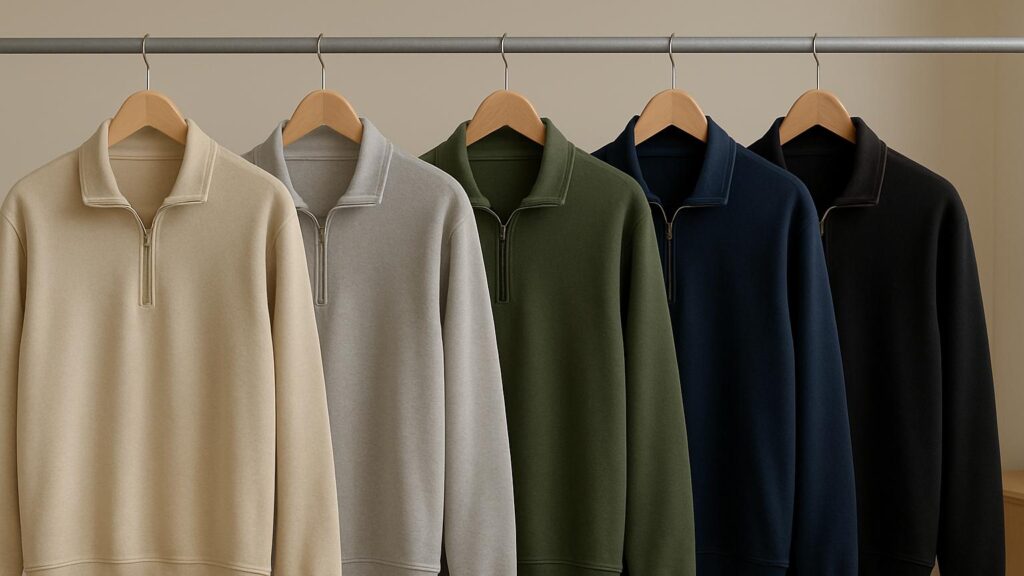
The fabric you pick changes how a hoodie feels, hangs, and works. Fleece and French terry are the two main choices for custom hoodie production. Each one goes better with a certain hoodie style. The best match depends on warmth needs, decoration plans, and how the wearer uses the garment.
Fleece Is Well Suited to Structured and Warmer Pullover Hoodies
Fleece is a strong choice for structured pullover hoodies where warmth and shape are priorities. Its brushed surface adds softness and insulation while helping heavier garments maintain their form.
For streetwear and winter collections, heavyweight fleece can also support oversized silhouettes and large front graphics. This makes it a practical option for brands developing warm, statement-focused hoodies.
French Terry Works Well for Lightweight and Layering-Focused Styles
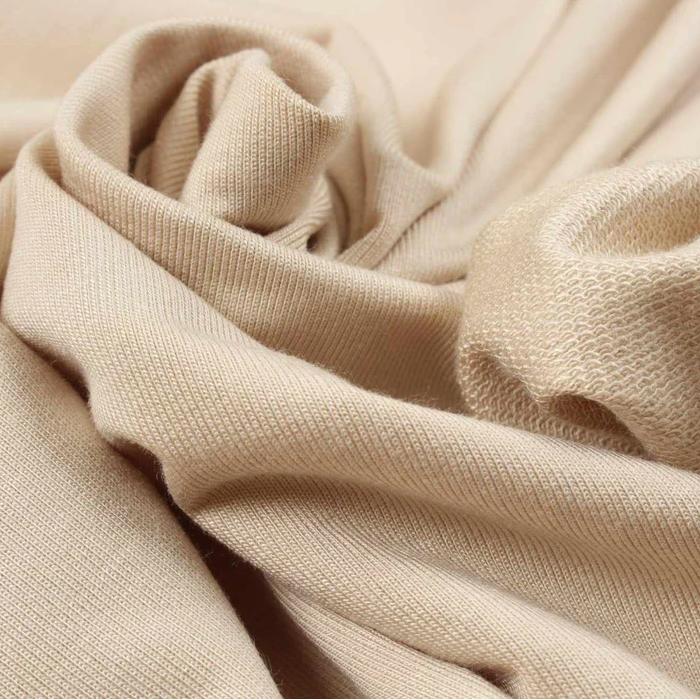
French terry is well suited to lightweight hoodies designed for layering and everyday wear. Its loopback construction provides a lighter feel and allows easier movement.
A French terry zip-up can be worn over T-shirts or under outerwear, making it useful for transitional-weather and activewear collections. Its smoother outer surface also provides a clean base for branding and decoration.
Fabric Weight and Construction Should Match the Hoodie Design
GSM should be selected according to the hoodie’s silhouette and intended use rather than treated as a standalone quality measure. Lighter fabrics work well for layering, while heavier fabrics provide more structure and warmth.
Construction matters too. Brushed fleece can add volume to relaxed silhouettes, while loopback French terry keeps a cleaner, lighter profile. NBJM supports brands with both fleece and French terry production for different custom hoodie requirements.
How Does Hoodie Style Affect Branding and Customization Options?
Hoodie construction directly affects decoration space, branding placement, and finishing choices. The main difference is whether the front provides one continuous panel or is divided by a zipper.
Pullover Hoodies Provide a Large Continuous Area for Front Graphics
Pullover hoodies offer an uninterrupted front panel, making them suitable for large logos, screen prints, embroidery, and graphic designs. This works particularly well for graphic-led streetwear, promotional collections, and logo-focused products.
The pocket, hood, and seams should still be considered when setting the final artwork size and position. A clear decoration specification helps the manufacturer keep the design aligned across sizes.
Zip-Up Hoodies Require Branding Placement Around the Front Opening
Zip-up hoodies divide the front with a center zipper, so large front graphics may not be practical. Brands can instead use the left chest, sleeves, or back for logos and artwork.
This construction works well for layering-focused collections, teamwear, and active styles. The back remains a continuous surface for larger graphics, while smaller areas are suitable for embroidery or simpler branding.
Labels, Trims, and Details Can Change With the Hoodie Construction
Customization extends beyond printed graphics. Labels, drawcords, zipper pulls, cuffs, pockets, and other trims can be selected to match the hoodie design and brand identity.
For example, a zip-up may require branded zipper hardware, while a pullover can place more emphasis on drawcords, labels, and pocket details. NBJM supports custom fleece and French terry hoodies with different branding and finishing requirements.
When Should Your Brand Produce Pullover Hoodies First?
Choose Pullovers for Simpler Designs and Strong Front Branding
Pullovers work well when the design is simple and the front graphic is the main focus. The whole chest panel gives screen printers and embroidery machines one flat surface. A big centered logo or a full front print fits with no breaks. Zip-ups make artwork go around a zipper in the middle, so logos shift to the left chest or sleeve. That split adds design work and limits how big the art can be.
Cost points the same way. Industry experts say zip-ups cost about $2–$5 more per unit. That comes from zipper hardware, tape, the pull, and extra steps to build it. A custom pullover from a wholesale supplier skips those costs. Brand positioning matters too. Pullovers lead in streetwear and graphic-heavy labels, while zip-ups fit activewear, outdoor, and corporate merch. Experts also say to check what your top three competitors lead with. A crowded pullover market may mean a zip-up is the better pick.
Pullovers Can Suit First Collections With Straightforward Construction
A first collection does better with fewer moving parts. Pullovers skip zipper choices — full-zip or half-zip, metal or nylon — that change cost and feel on zip-ups. Fleece and French terry are still the two main fabric options, and NBJM offers both with eco-friendly choices. Fit also stays simple. Regular and oversized cuts work well with front decoration, while cropped and performance cuts need more planning.
Decoration methods for zip-ups — left-chest logos, back prints, sleeve prints, and embroidery that stays clear of the zipper line — all add steps a pullover does not need. Production stays predictable. NBJM handles mockup creation and approval, makes samples in 7–14 days, and finishes mass production and shipping in 30 business days. That timeline lets a new brand test one style, learn from real sales, and decide which should your brand produce first before committing to a second run.
What Should Brands Think About Before Picking Their First Hoodie?
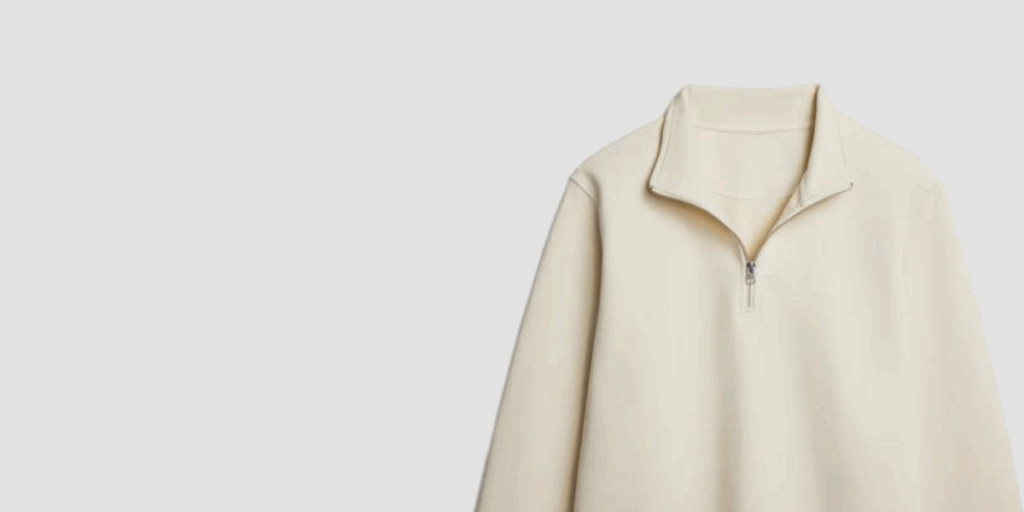
Compare Target Use, Design Details, Fabric Weight, and Production Needs
The buyer you want decides the hoodie style first. Streetwear shoppers want pullover hoodies with big front graphics on fleece fabric. Activewear and corporate clients need zip-up hoodies in French terry so they can layer easily. Design details follow the same rule. A pullover works best when the logo or artwork is the star. A zip-up suits uniforms worn over other clothes or outdoor use in changing temperatures.
Fabric weight links to both style and season. Fleece supports pullover structure and holds warmth. French terry at 220–260 GSM fits lightweight zip-ups made for layering over another layer. Production costs differ too. A pullover has fewer parts and no zipper hardware. A zip-up needs careful zipper selection and installation steps. Those steps add extra cost per unit.
Sampling costs deserve attention before the first order. A new hoodie style often needs one to three rounds of revisions. Each prototype costs about three times the target manufacturing price. Pattern digitizing, machine setup, and international courier fees drive that cost higher. Budget planning helps manage these expenses for a custom hoodie manufacturer like NBJM.
The budget table below shows realistic ranges for a debut collection.
| Total Budget | Sampling Allocation | Notes |
|---|---|---|
| $5,000 | $500–$1,000 | Samples cost $50–$200 per style; two rounds typical |
| $10,000 | $2,000–$3,000 | Covers sampling, branding, photography, and initial marketing |
A $5,000 budget leaves $4,000–$4,500 for production after sampling. A $10,000 budget gives $7,000–$8,000 for the first run of custom hoodies.
Consider MOQ, Sampling, Lead Times, and Expected Order Volumes
Minimum order quantity sets the floor for the first production run. NBJM requires an 800-unit minimum per style across fleece and French terry apparel. This MOQ suits brands testing a single hoodie style first. Sampling takes 7–14 days from mockup approval to sample delivery. Mass production finishes within 30 business days after sample sign-off.
Expected order volume should match the MOQ. A new brand with limited storage may start with one style at 800 units. A brand with existing demand may order 1,600–2,400 units across two colors. The 800-unit MOQ allows a manageable first shipment. The 30-day production window gives time to prepare marketing and sales channels.
NBJM offers 100% customizable designs as a custom hoodie manufacturer and supplier with over 20 years of experience. The company serves 100+ brands across 30+ countries. Brands can start with pullover hoodies for streetwear or zip-ups for activewear, test market response, and expand to the second style in the next wholesale order.
Our Fleece and French Terry Hoodie Manufacturing Solutions
NBJM provides custom fleece and French terry hoodie manufacturing for brands developing different product lines. With more than 20 years of experience, the company supports both pullover and zip-up styles for wholesale production.
Custom Pullover and Zip-Up Hoodies for Different Brand Requirements
Brands can customize hoodie fabric, fit, color, decoration, labels, trims, and packaging. Pullover hoodies work well for graphic-focused designs, while zip-up hoodies offer more flexibility for layering and everyday wear.
NBJM supports cut-and-sew production, allowing brands to develop their own measurements and construction details instead of relying only on standard patterns.
Fleece and French Terry Production Across Different Hoodie Styles
Fleece and French terry can be matched to different hoodie designs and seasonal requirements. Fleece is suitable for warmer, structured styles, while French terry works well for lighter and layering-focused hoodies.
NBJM offers custom fleece and French terry production with sampling typically completed within 7–14 days, helping brands evaluate their designs before bulk production.
Made-to-Order Hoodie Production for Growing Apparel Collections
Made-to-order production allows brands to develop hoodies according to their approved specifications rather than choosing fixed stock styles. This supports consistent fabric, fit, branding, and finishing across new collections.
NBJM works with brands from sampling through bulk production, helping growing apparel collections expand from one hoodie style to multiple fleece and French terry designs.
FAQs About Pullover and Zip-Up Hoodie Production
Is a Pullover or Zip-Up Hoodie Better for a First Collection?
A pullover is often a practical starting point for a first collection because its construction is simpler and it provides a large area for branding. A zip-up can be added later when layering or more versatile styling is important.
Are Pullover Hoodies Easier to Manufacture Than Zip-Up Hoodies?
Generally, yes. Pullover hoodies have fewer components and do not require zipper installation, making production more straightforward. Zip-up hoodies require additional steps for zipper placement, installation, and quality checking.
Which Fabric Works Best for Pullover and Zip-Up Hoodies?
Fleece works well for warm, structured pullover hoodies, while French terry is suitable for lightweight and layering-focused styles. The final choice should match the hoodie’s intended weight, fit, season, and use.
Do Zip-Up Hoodies Cost More to Produce Than Pullover Hoodies?
They can cost more because of zipper hardware and additional sewing work. However, the final price also depends on fabric, GSM, decoration, customization, order quantity, and other production requirements.