French Terry Fabric Selection starts with GSM—grams per square meter—which affects every fabric choice. A 200 GSM t-shirt and a 340 GSM hoodie serve very different purposes. The right weight depends on the clothing type and season the brand plans to sell in. A summer short needs breathability, while a winter jogger requires warmth and shape retention. Choosing French Terry Fabric Selection means matching the weight to the intended use, not just picking the heaviest option. This guide gives brands clear rules for GSM ranges, fiber blends, quality checks, and sourcing. NBJM, a custom French Terry manufacturer, supplies wholesale programs that follow these standards.
Key Takeaways
- Pick the fabric weight (GSM) that matches your clothing: light for summer, medium for hoodies, heavy for winter clothes.
- Pick a fiber blend that gives you the feel you want: 100% cotton for softness, or blends for strength or stretch.
- Check the loop density and finishes to control warmth, breathability, and resistance to pilling.
- Always test samples for GSM consistency and shrinkage before you place a big order.
What Should Clothing Brands Check Before Choosing French Terry?
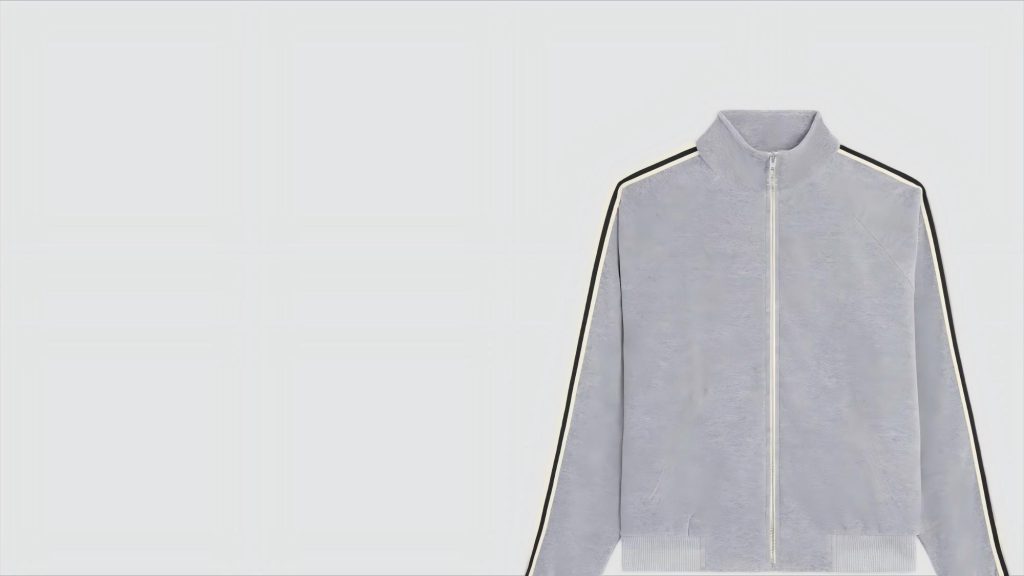
The most important thing to check is GSM — grams per square meter. GSM affects warmth, drape, breathability, and cost. A fabric that is too light cannot hold its shape. It becomes see‑through and stretches out. A fabric that is too heavy blocks airflow and raises production and shipping costs. GSM also changes the final cost. Heavier fabrics cost more to make and ship. A 10 percent increase in GSM can raise the per‑yard cost by 8 to 12 percent. French terry is midweight. It falls between standard t‑shirt jersey and fleece in thickness. This makes it useful across many seasons. But the GSM must match the garment you plan to make. A general guideline for French terry GSM ranges appears in the table below.
| Garment Type | Recommended GSM Range |
|---|---|
| T‑shirts, shorts | 200 – 250 GSM |
| Hoodies, sweatshirts | 280 – 320 GSM |
| Heavy joggers, winter sweatpants | 320+ GSM |
These ranges are just a starting point. Brands should order swatches and weigh samples to confirm the actual GSM before bulk production.
Why French Terry Fabric Selection Matters for Garment Quality
French Terry Fabric Selection starts with weight because weight drives performance. A 220 GSM tee feels light and drapes softly. It stays opaque and keeps its shape through many wears. A 300 GSM hoodie gives enough warmth for cool weather. Its structure holds pockets and cuffs without sagging. Picking a weight too light for the garment causes transparency and poor shape memory. Customers see skin or undershirts through the fabric. The garment loses its fit after a few washes. Going too heavy makes the fabric stiff and hot. It also raises the unit cost by 10 to 15 percent. A 250 GSM tee works well for summer. A 320 GSM hoodie works for fall. A 340 GSM jogger works for winter. The right GSM makes sure the fabric matches the season, the garment cut, and what the customer expects. Brands that check GSM early reduce returns and improve satisfaction.
How Fabric Construction Affects Comfort, Drape, and Performance
GSM alone does not tell the whole story. Construction choices like loop density, yarn type, and finishing treatments change how the fabric feels and wears. Loop density means the number of loops per square inch on the inner side. Higher density loops make a softer, more insulating fabric. Lower density loops make a lighter, more breathable fabric but may pill faster. The outer face of French terry is smooth. This surface keeps screen prints and embroidery crisp. It also stops puckering around seams. Yarn quality matters. Ring‑spun cotton is softer and more durable than open‑end yarn. Combed cotton reduces pilling because shorter fibers are removed. Finishing treatments add value. A brushed back makes the fabric feel fleecy without adding weight. Pre‑shrink finishes limit size changes after washing. Anti‑pilling treatments extend garment life. Moisture management is another factor. A dense loop structure traps more moisture against the skin. A looser loop structure wicks better. Brands making activewear should look for lower loop density or special finishes. Brands should ask their supplier for loop density counts and finish specifications. These details decide how the garment will perform in daily use and after repeated washing.
How Should Brands Choose the Right French Terry GSM?

GSM is an important factor in French terry fabric selection, but brands should also consider garment construction, fit, drape, and intended use. Choosing the right fabric weight helps balance comfort, structure, and seasonal performance.
How Lightweight French Terry Works for Layering Garments
Lightweight French terry is useful for garments designed to provide easy layering without adding excessive bulk. Its lighter construction can work well for transitional collections, lightweight sweatshirts, shorts, and other casual styles where breathability and movement are priorities. Brands should also consider the fabric’s fiber composition and loop structure when evaluating how it will perform in warmer conditions.
Why Midweight French Terry Suits Versatile Garment Collections
Midweight French terry offers a practical balance between comfort, coverage, and structure. It can support versatile collections featuring sweatshirts, hoodies, joggers, and everyday casualwear. This weight is suitable when brands need garments that can transition between seasons and work for both standalone wear and layering. Sample testing can help confirm whether the selected GSM provides the desired drape and garment shape.
How Heavyweight French Terry Supports Structured Garment Designs
Heavyweight French terry provides greater fabric body, making it suitable for structured hoodies, premium sweatshirts, joggers, and heavier seasonal designs. The added weight can create a more substantial hand feel and help garments maintain their shape. However, higher GSM does not automatically mean better performance, so brands should also assess loop construction, fiber composition, shrinkage, and finishing before bulk production.
How Does Fiber Composition Affect French Terry Performance?
Fiber composition affects the feel, stretch, moisture management, shrinkage, and long-term performance of French terry garments. Brands should evaluate the fiber mix together with GSM, loop structure, and garment construction when selecting fabric for a collection.
How Cotton Content Influences French Terry Comfort and Feel
Higher cotton content generally gives French terry a softer, more natural hand feel and good breathability. Cotton-rich fabrics can also provide a comfortable surface for everyday sweatshirts, hoodies, and casualwear. However, brands should consider shrinkage and care requirements when choosing high-cotton French terry, particularly for garments that need consistent sizing after washing.
How Fiber Blends Can Change Durability and Fabric Performance
Blending cotton with polyester or other fibers can change the fabric’s strength, shape retention, drying behavior, and stretch. Cotton-polyester French terry can offer greater dimensional stability and durability, while cotton-spandex blends provide additional stretch and recovery for movement-focused garments. The final performance depends on the blend ratio and fabric construction, so sample testing remains important.
How Brands Should Match Fiber Composition With Product Needs
French Terry Fabric Selection should start with the intended garment function. Cotton-rich French terry can suit soft, breathable casual collections, while cotton-polyester blends may work better for garments requiring durability and easier shape retention. Stretch blends are useful when mobility and recovery are priorities. Brands should confirm hand feel, shrinkage, colorfastness, and performance through samples before bulk production. NBJM supports custom French terry apparel development with fabric and design options for different brand requirements.
How Do French Terry Loops and Finishes Affect Garment Quality?
Loop construction and surface finishing influence how French terry performs after cutting, sewing, washing, and regular wear. For consistent garment quality, brands should evaluate these factors together with GSM, fiber composition, and the intended product use.
How Loop Size and Density Affect French Terry Fabric Performance
Loop size and density influence the fabric’s texture, airflow, moisture handling, and overall body. Smaller, denser loops can create a more compact surface and support garments that need greater structure, while larger or more open loops can provide a lighter, more breathable feel. Consistent loop formation is also important because uneven loops can affect appearance and fabric stability during garment production.
When Brushed or Unbrushed French Terry Fits Different Products
Unbrushed French terry retains its characteristic looped back, making it suitable for lightweight sweatshirts, hoodies, joggers, and layering pieces where breathability is important. Brushed French terry has a softer raised surface that can provide a warmer hand feel for heavier or cold-season garments. Brands should select the finish based on the desired warmth, texture, and garment weight rather than treating one option as universally better.
Why Surface Finish Matters for Comfort and Garment Appearance
Surface finishing can influence softness, smoothness, shrinkage, pilling, and the final appearance of French terry garments. Finishes such as pre-shrinking can help control dimensional changes, while appropriate anti-pilling treatments can improve surface durability. Brands should evaluate fabric samples after washing to check whether the finish maintains the expected hand feel, appearance, and garment dimensions before bulk production.
How Should Brands Match French Terry to Garment Types?
French Terry Fabric Selection should consider the garment’s construction, fit, season, and intended use. The same fabric weight may perform differently across hoodies, joggers, and lightweight casual styles, so brands should evaluate fabric samples against the finished product requirements.
How to Select French Terry for Hoodies and Sweatshirts
Hoodies and sweatshirts generally benefit from French terry with enough body to support the garment’s silhouette. Midweight and heavier options can provide a balanced combination of warmth, drape, and structure. Brands should also check the outer surface for printing or embroidery requirements and evaluate shrinkage before finalizing the fabric for production.
How French Terry Works for Joggers and Casual Garment Lines
Joggers require a combination of comfort, movement, and shape retention. French terry with suitable stretch and recovery can support active movement, while cotton-rich options can provide a softer feel for casual and lounge collections. For relaxed garment lines, brands should also consider how the fabric drapes around the body and whether it maintains its shape after repeated washing.
How Fabric Weight and Structure Suit Seasonal Brand Collections
Seasonal collections can use different French terry weights to achieve the required level of coverage and comfort. Lighter constructions can support spring, summer, and layering styles, while midweight options offer greater versatility for transitional seasons. Heavier French terry provides more body and warmth for colder-weather collections. Brands should compare GSM, loop structure, fiber composition, and finishing together rather than selecting fabric weight alone.
What Should Brands Check Before Ordering French Terry in Bulk?
Before placing a bulk French Terry order, brands should confirm fabric specifications through physical samples and production records. GSM, construction, shrinkage, color, hand feel, and finished garment measurements should all match the approved sample and agreed specifications.
How to Check French Terry GSM and Construction Consistency
GSM should be checked across different areas of the fabric to identify weight variations between sections or rolls. Brands should also inspect loop formation, fabric width, surface appearance, and overall knitting consistency. Comparing production samples with the approved swatch helps confirm that the bulk French terry maintains the required weight and construction.
Why Brands Should Test Shrinkage Before Bulk Garment Production
Shrinkage testing helps brands understand how French terry changes after washing and drying. Both lengthwise and widthwise changes should be measured because uneven shrinkage can affect garment dimensions and fit. Brands should use washing conditions that reflect the intended care instructions and confirm acceptable shrinkage limits with the supplier before production.
How Sample Testing Helps Confirm French Terry Quality and Fit
A complete sample evaluation should go beyond fabric inspection. Brands can make a finished garment sample to assess fit, drape, hand feel, stretch, seam appearance, and overall construction. Washing the sample before approval can reveal changes in dimensions, texture, and appearance. Once the sample meets the required standards, its fabric and garment specifications can serve as the reference for bulk production and quality control.
Our French Terry Garment Manufacturing Solutions for Brands
NBJM provides French terry garment manufacturing support for brands developing custom casualwear and activewear collections. With over 20 years of apparel experience, the company supports fabric selection, garment development, sampling, customization, bulk production, and quality control.
Custom French Terry Garments for Different Brand Collections
Brands can customize French terry garments according to their collection requirements, including GSM, fiber composition, colors, fit, garment construction, labels, trims, printing, and embroidery. NBJM supports products such as hoodies, sweatshirts, joggers, shorts, and jackets, allowing brands to develop consistent styles across different collections.
The fabric can also be selected according to the desired hand feel, breathability, stretch, structure, and seasonal use. This gives clothing brands greater control over both garment performance and overall collection positioning.
Flexible Production Support From Sampling to Bulk Orders
NBJM supports French terry programs from initial specifications and sample development through bulk garment production and quality checks. Sample development allows brands to review fabric weight, fit, construction, color, and finishing before approving production.
After sample approval, the confirmed fabric and garment specifications can be used as references for bulk manufacturing. This helps maintain consistency between the approved sample and finished French terry garments while giving brands a clearer process for managing repeat orders and new seasonal collections.
Frequently Asked Questions About Choosing French Terry Fabric
What GSM Should Clothing Brands Choose for French Terry Garments?
The right French terry GSM depends on the garment type, season, and desired structure. Lighter weights can work for layering and warm-weather styles, while midweight French terry suits versatile hoodies, sweatshirts, and joggers. Heavier weights provide more body and warmth for structured or cold-season garments. Brands should evaluate GSM together with fiber composition and loop construction.
Is Cotton or a Cotton Blend Better for French Terry Garments?
There is no single option for every collection. Cotton-rich French terry can provide a soft, breathable, natural hand feel, while cotton-polyester blends can offer greater shape retention and durability. Cotton-spandex blends can add stretch and recovery for movement-focused garments. Brands should select the fiber composition according to the required comfort, performance, and garment construction.
Should Brands Choose Brushed or Unbrushed French Terry Fabric?
Unbrushed French terry retains its looped back and generally provides a lighter, more breathable construction. Brushed French terry has a raised surface that creates a softer and warmer hand feel. The choice should depend on the product’s intended season, warmth, texture, and overall design rather than GSM alone.
How Can Brands Test French Terry Before Bulk Garment Production?
Brands should request physical fabric samples and check GSM, fiber composition, color, hand feel, loop consistency, shrinkage, and pilling performance. Making and washing a finished garment sample can also reveal changes in fit, drape, and construction. Confirming these specifications before bulk garment production helps ensure the finished order matches the approved French Terry fabric selection.