A sweater is a knitted piece of clothing, often made from wool or cotton, designed to keep you warm and look neat. A sweatshirt is a pullover with a soft, fleece inside, made from cotton fabric, built for casual comfort and sports. In 2024, the global sweater market was worth 37.3 billion USD, showing how important it is in business. The Sweater vs Sweatshirt difference also comes down to how they are made: sweaters use spun yarns in detailed knits, while sweatshirts use brushed fleece or French terry for a soft feel. Sweaters often include wool, cashmere, or cotton mixes, while a fleece sweatshirt is usually made from cotton fleece.Sweaters have a long fashion history, while sweatshirts started in athletic wear. The choice between them depends on the situation and the look you want.
Key Takeaways
- Sweaters give a neat, dressy look for work or special events. Sweatshirts provide relaxed comfort for daily activities.
- Sweaters are made from knitted wool or cashmere to keep you warm. They need gentle washing. Sweatshirts use fleece, which is easy to care for and lets air flow.
- Pick a sweater when it’s cold outside and you want a neat, fitted look. Pick a sweatshirt when you’re being active or just relaxing.
- For brands, sweaters fit well in high-end fashion lines. Sweatshirts give a simpler, cheaper option with rising demand.
Sweater vs Sweatshirt: What Is the Basic Difference?
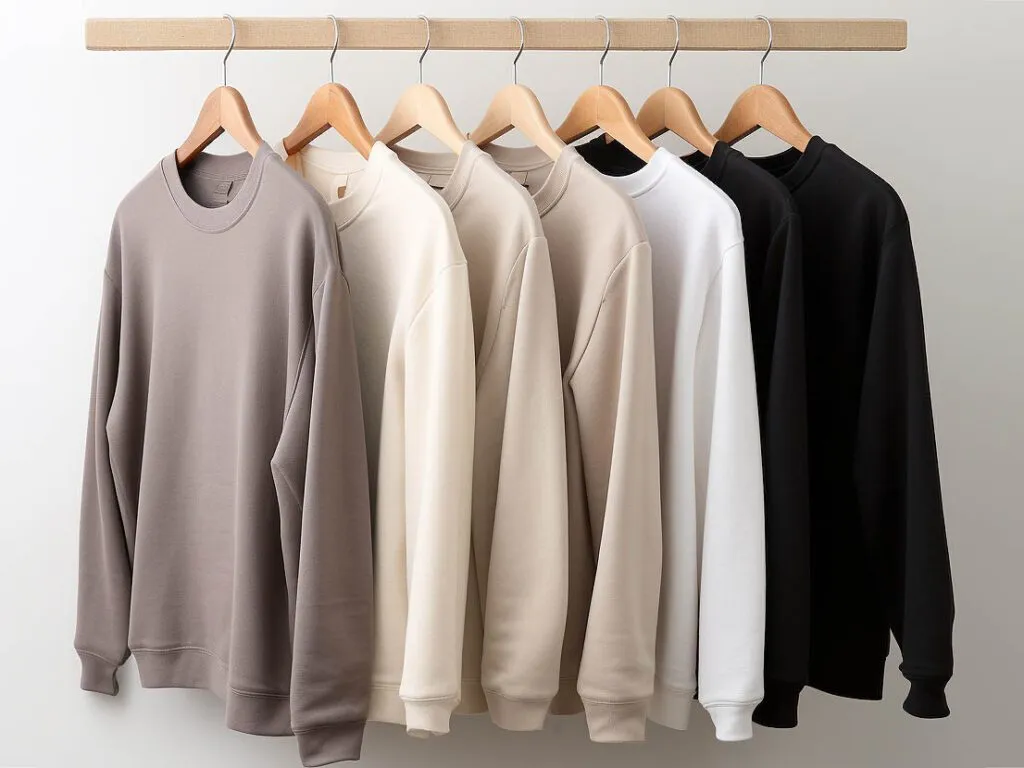
A sweater is made by knitting or crocheting yarn into a fabric. Common materials include wool, cashmere, and cotton. The knitted structure creates a textured appearance and can provide different levels of warmth depending on the yarn and knit density. Common sweater styles include pullovers, cardigans, and turtlenecks.
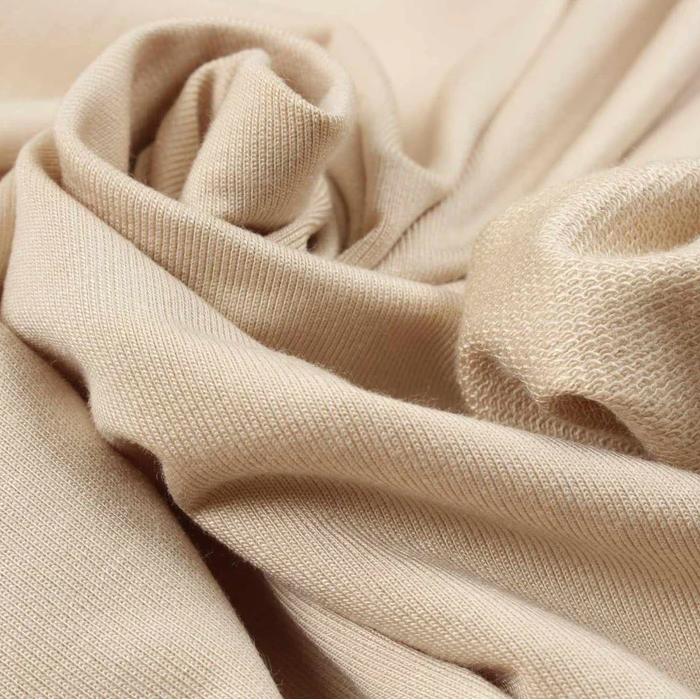
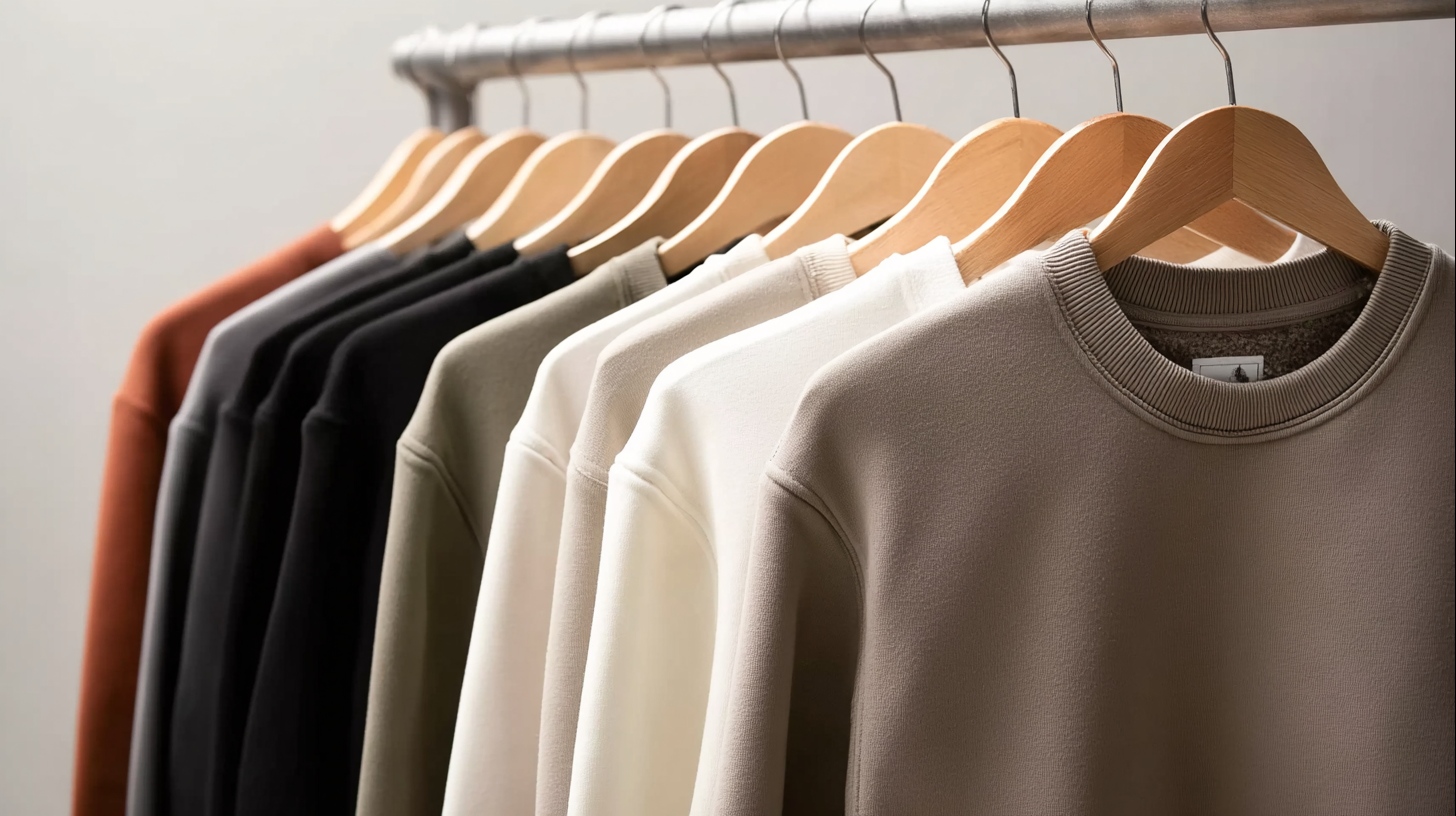
A sweatshirt is typically made from jersey fleece or French terry, both common materials for fleece apparel. These fabrics have a smooth outer surface and a soft inner side, especially when brushed fleece is used. Sweatshirts are usually cut and sewn into simple shapes, giving them a relaxed fit suited to casual wear, everyday activities, and light exercise.
The main difference is the construction and fabric. Sweaters are knitted directly from yarn, while sweatshirts are made by cutting and sewing fabric pieces. This affects their appearance, texture, fit, and typical use. Sweaters often create a more polished look, while sweatshirts focus on comfort and casual styling.
Sweater vs Sweatshirt: What Are the Key Design Differences?
Comparing Fit, Silhouette, and Styling Options for Each
The design differences between sweaters and sweatshirts mainly come from their construction. Sweaters are knitted from yarn, while sweatshirts use cut-and-sew fabric. This creates different fits, silhouettes, and styling options.
| Attribute | Sweater | Sweatshirt |
|---|---|---|
| Silhouette | Tailored or form-fitting | Loose and relaxed |
| Fit | Snug | Relaxed with greater movement |
| Construction | Knitted from yarn | Sewn from cut fabric |
| Design features | Crew neck, V-neck, cardigan, turtleneck | Hood, front pocket, ribbed cuffs |
| Typical materials | Wool, cotton, cashmere | Fleece, French terry |
Sweaters are available in different necklines and silhouettes, including crew necks, V-necks, cardigans, and turtlenecks. Their knitted structure gives them a more structured appearance and makes them suitable for layering with shirts, blazers, or jackets.
Sweatshirts generally have a more relaxed construction. Hoodies can include hoods and front pockets, while crew-neck and zip-up styles offer simpler alternatives. Ribbed cuffs and waistbands are also common features that help maintain the garment’s shape.
These differences affect styling. Sweaters can create a polished or dressier outfit, while sweatshirts are commonly used for casual, streetwear, and active lifestyles. For brands, the choice depends on the desired silhouette, fabric performance, and target customer.
Sweater vs Sweatshirt: How Do They Differ in Warmth and Comfort?
When picking between a sweater and a sweatshirt, warmth often matters most. Sweaters, especially wool ones, trap body heat in their tight knit. This makes them great for cold days. Sweatshirts use brushed fleece to hold warmth, but their looser weave lets more air move through. This matters if you plan to be outside in winter versus moving around inside.
Comparing Warmth and Insulation for Different Weather Conditions
Fabric weight plays a big role in warmth. Makers measure this in grams per square meter, or GSM. This number shows how dense and heavy a fabric feels. Brands use GSM when picking materials for their fleece and French terry lines. The table below shows how GSM affects warmth and comfort.
| GSM Range | Warmth & Comfort Effect |
|---|---|
| 200–250 GSM | Thin, breathable, lightweight; best for summer or indoor wear; minimal warmth |
| 250–350 GSM | Balanced warmth and breathability; ideal for mild/cool weather and all-season casual wear; most popular choice (75% of US consumers) |
| 350–450 GSM | Warmer, softer, more durable; holds shape well; recommended for cold weather |
| 450+ GSM | Maximum warmth; heavy and highly insulating; suited for extreme cold or outdoor winter activities |
A wool sweater often falls into the higher GSM ranges. Its dense knit blocks wind and keeps heat in well. A standard sweatshirt usually sits in the 250–350 GSM range. This weight works for cool autumn days or brisk spring mornings. For freezing temps, a heavy sweatshirt above 450 GSM can match a light sweater. But the sweater still wins for sitting still, like at a desk or watching an outdoor game.
Comparing Breathability, Softness, and Everyday Wearing Comfort
Breathability sets these two apart in daily use. Sweatshirts let moisture escape well. The cotton fleece pulls sweat away from the skin. This makes sweatshirts great for light exercise, walking, or errands. Sweaters, especially wool ones, trap more heat and moisture. This makes them less comfy during physical activity.
Softness also differs. A brushed fleece sweatshirt feels plush and cozy against the skin. The brushed inside creates a gentle, fuzzy texture. Sweaters offer different textures based on the yarn. Cashmere feels very soft and luxurious. Wool can feel scratchy for some people. Cotton sweaters give a softer, lighter option.
Everyday comfort depends on what you are doing. A sweatshirt lets you move freely. Its relaxed fit and stretchy fabric support active lifestyles. A sweater offers a snug, structured feel. This works well for offices or dressier events. For lounging at home, most people grab a sweatshirt. For a dinner out or a business meeting, a sweater fits better. Choose based on what you plan to do and how warm you need to be.
Sweater vs Sweatshirt: How Do Their Care Needs Compare?
The way a garment is made tells you how to clean it. Sweaters use soft yarns knitted into shapes. These fibers can shrink, stretch, or get fuzzy if handled roughly. Sweatshirts use strong cotton fleece or French terry. Their simple sewn design can handle machine washing well. This care difference affects how long each piece lasts and how much work you put into it.
How Construction Affects Garment Care and Long-Term Durability
Wool sweaters need the most care. The natural fibers have scales that stick together when moved in hot water. This makes them shrink. Cotton sweaters are easier but can still lose their shape in a dryer. To keep a sweater looking new, follow these steps:
- Wash less often and let the sweater air out. Wool naturally fights smells and just needs fresh air to stay clean.
- Clean small stains with a damp cloth instead of washing the whole sweater.
- Store the sweater folded flat in a closed container to stop stretching and moth damage.
- When you must wash it, use cold water (max 30°C/85°F) with a special wool soap. Press gently and never twist the sweater.
- Dry the sweater flat on a towel and shape it as needed. Never hang it wet and avoid dryers or direct heat.
- Remove fuzz with a fabric shaver or wool comb. Pilling is normal and does not mean the sweater is damaged.
Sweatshirts are much easier to care for. Most fleece items go straight into the washing machine with similar colors. Use cold or warm water and dry on low heat. The brushed inside hides small wear marks. The strong cotton fibers resist shrinking when dried right. This easy care makes sweatshirts a good choice for daily use.
Cost also separates these two types. Sweaters use finer yarns and complex knitting. These things raise the price. Sweatshirts use simpler materials and faster methods. They cost less to make and buy. For clothing brands, this cost difference creates chances to customize. Many manufacturers offer fully customizable fleece and French terry clothes with low minimum order quantities. This lets new brands order unique pieces without a big upfront cost. Some manufacturers produce millions of ready-to-wear items each year across multiple partner factories, keeping unit costs low while still maintaining quality.
The Sweater vs Sweatshirt care comparison shows a clear trade-off. Sweaters reward careful handling with years of classy wear. Sweatshirts forgive casual treatment and still look good. Choose based on how much you want to care for the garment and the look you need.
Sweater vs Sweatshirt: Which Is Better for Clothing Brands?
When a clothing brand picks between sweaters and sweatshirts, it must think about its style and its customers. Each type of clothing serves a different group of buyers. Sweaters draw in people who want nicer, more formal pieces. Sweatshirts attract shoppers who care about comfort and a relaxed look. Knowing these groups helps brands choose the right path.
Choosing Sweaters for Knitted and Refined Fashion Collections
Sweaters fit best in collections that focus on skilled work and high-quality materials. Stores that buy fine knitwear look at several things. Natural fibers like Merino, cashmere, and mohair show better quality. Tight knitting means the piece is built well and will last. Seam strength and rib shape matter for how the sweater holds up. Brands also need to check how much pilling may happen before they pick fabrics.
The 2024 fashion shows showed popular sweater styles. Big sweaters worn with loose matching pants appeared at Zankov. Large sweaters with a school look showed at Hilfiger. Jason Wu brought off-the-shoulder sweater gowns. Khaite showed knits that left shoulders bare, paired with long opera gloves. Chunky-knit scarves that touched the floor and had stripes finished many outfits.
Market trends favor knitwear for new brands. People still want to make things at home. Online guides and yarn subscription boxes support this hobby. Shoppers look for special, handmade goods. Custom knitwear works well for made-to-order items. But buying small amounts of recycled yarn may cost more. Brands should think about these points carefully.
Choosing Sweatshirts for Fleece and French Terry Collections
Sweatshirts offer a different chance. The fleece clothing market is growing fast. Experts expect a 5.9% yearly growth from 2026 to 2033. More outdoor activities and eco-friendly fashion trends push this growth.
Being green matters a lot in fleece sourcing. Polartec has turned over 1.5 billion plastic bottles into recycled fleece yarn. This steady supply gives fleece brands an edge. Recycled fibers are easy to get in large amounts. Custom knitwear brands may find it harder to get small batches like this.
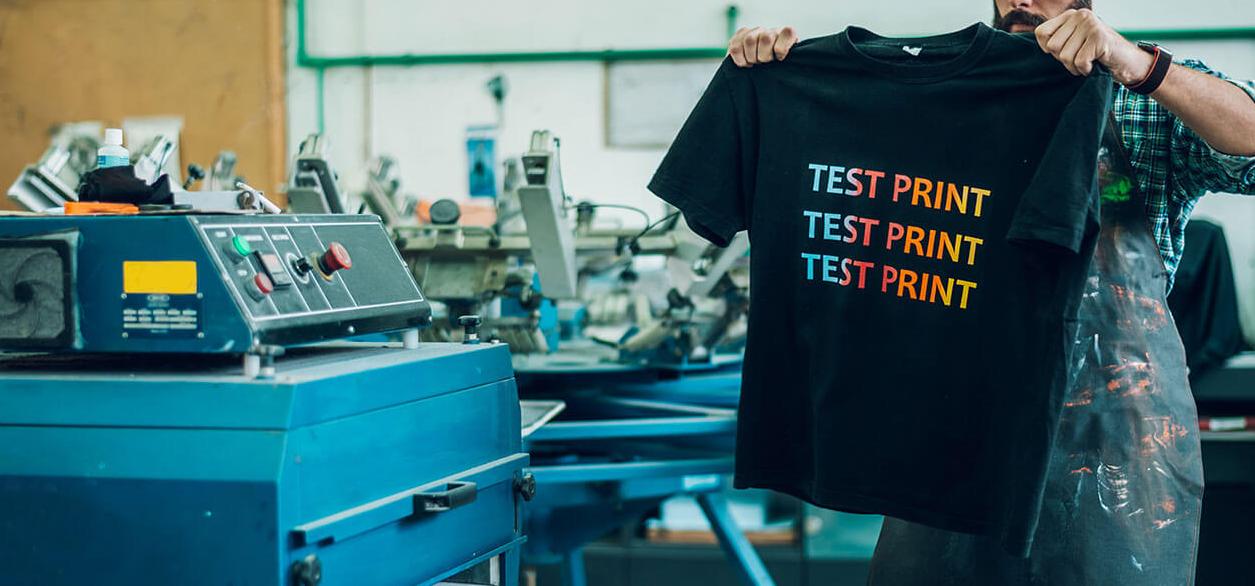
Makers offer many ways to customize sweatshirts, including various printing methods, a range of fabric weights, and a variety of fabric options such as organic cotton and blends. Custom labels, hang tags, and packaging finish the product.
New brands can use online stores to sell personalized items. Virtual color tools let customers pick shades for fleece lines. Performance fabrics that resist pilling and pull sweat away suit athletic wear. The simpler build of sweatshirts keeps costs down. This ease makes fleece lines a good start for new labels.
How We Make Custom Fleece and French Terry Sweatshirts
Custom Sweatshirt Development for Clothing Brands and Collections
The process starts with an idea and a drawing. Clients share their design ideas with the team. The team then makes a tech pack. This document has measurements, materials, stitch details, and graphic placement. Next, fabric is chosen. Clients pick from cotton fleece, French terry, or polyester blends based on feel and weight. Pattern making comes next. Engineers create patterns that shape the garment. A physical sample is made to check fit, stitch quality, and finish before mass production. After approval, the team moves to cutting, sewing, and decoration. Printing or embroidery adds the final brand. Then the garment goes through finishing and packaging.
Quality control happens at every step. The team follows these checks:
- Fabric is checked before cutting for holes, stains, uneven color, and weight changes.
- Color is checked against approved samples to make sure it matches.
- Measurements are checked so chest width, body length, and sleeve length match the size chart.
- Shrinkage tests prevent size changes after washing.
- In-line checks catch defects early during production.
- Final check looks at appearance, stitching, labels, and packaging against the approved sample.
The full development usually takes a few weeks. The Sweater vs Sweatshirt choice matters for brands because sweatshirts have a simpler path with fewer design limits.
Flexible Production for Different Sweatshirt Designs and Volumes
Manufacturers offer production options for different order sizes. Minimum order quantities vary, with some requiring a few hundred pieces per color per style. For custom fabric specifications, larger minimums may apply. For early-stage brands, a typical starting point is a few hundred pieces per style. The company works with multiple partner factories, producing millions of ready-to-wear pieces each year.
Sourcing sustainable materials has several challenges. Higher upfront costs raise the cost per unit. Longer lead times can delay production. Fewer approved suppliers offer sustainable textiles. Greenwashing confusion means brands must do extra research. Inconsistent stock can disrupt production runs. The company handles these challenges by using eco-friendly and trendy fabrics. They offer team support for questions and updates. The whole process from sample approval to mass production finishes within a reasonable timeframe. Clients get a full-service approach from design to delivery, ensuring steady quality across every order.
The Sweater vs Sweatshirt decision depends entirely on context. A sweater delivers a polished, professional appearance for offices, dinners, and formal gatherings. Its knitted construction and tailored fit project refinement. A sweatshirt excels at casual comfort, making it ideal for lounging, errands, or light activity. Its soft fleece interior and relaxed silhouette prioritize ease.
Understanding material, style, warmth, and care helps you choose wisely. Wool sweaters offer superior insulation for cold days. Cotton sweatshirts provide breathable comfort for active moments. Each garment serves a distinct purpose. A versatile wardrobe includes both pieces, ready for any occasion. Choose based on the setting, the weather, and the impression you wish to create.
Sweater vs Sweatshirt FAQs for Clothing Brands and Buyers
What Is the Main Difference Between a Sweater and Sweatshirt?
The main difference is how they are made and typically styled. Sweaters are usually knitted from yarn, while sweatshirts are generally cut and sewn from fabrics such as fleece or French terry. Sweaters often have a more textured knit appearance, while sweatshirts provide a casual, sporty look.
Is a Sweatshirt Made From Fleece or French Terry Fabric?
A sweatshirt can be made from either fleece or French terry. Fleece has a soft, brushed interior that provides more warmth, while French terry has looped fabric on the inside and usually feels lighter and more breathable. The choice depends on the intended season, weight, and comfort requirements.
Are Sweatshirts Warmer Than Sweaters for Everyday Wear?
Not necessarily. Warmth depends more on fabric weight, construction, and fiber content than on whether a garment is called a sweater or sweatshirt. Heavy fleece sweatshirts can provide substantial warmth, while lightweight sweaters may be less insulating. Brands should compare GSM and fabric construction when selecting materials for a specific climate.
Is French Terry or Fleece Better for Making Sweatshirts?
Neither is universally better. Fleece is a strong choice for warm, soft sweatshirts, especially for colder weather. French terry is better suited to lightweight sweatshirts where breathability and moisture management are priorities. Clothing brands can select between them based on the product’s intended use and target market.
Can Clothing Brands Customize Fleece and French Terry Sweatshirts?
Yes. Clothing brands can customize fleece and French terry sweatshirts with different fits, fabrics, colors, prints, embroidery, labels, and other garment details. NBJM supports custom fleece and French terry apparel, helping brands develop products from fabric selection and design through sampling and production.