Choosing the right printing method for your apparel line can be confusing. Every supplier says their method is best. But each method has different costs, quality, volume, and fabric needs. Your fleece and french terry apparel need extra care. What works on cotton tees might not work on thick hoodies.
This Apparel Printing Guide gives honest details about each method. You will learn the pros, the cons, and the best times to use each one. By the end, you will have a clear plan for your brand. Whether you order 50 pieces or 5,000, the right choice becomes obvious. No more guessing games with your manufacturer. No more wasted samples.
Let’s find your perfect match.
Key Takeaways
- Screen printing has the lowest cost per item for large orders over 1,000 items. It works best with simple designs on cotton fabrics.
- Direct-to-garment (DTG) printing handles detailed photos and lots of colors. It works best for small orders under 50 items on smooth cotton.
- For fleece and French terry, pick direct-to-film (DTF) or screen printing. These ways make the ink stick well to bumpy fabrics.
- Always prepare vector artwork with the right color layers. Test samples before making everything, so colors won’t crack or fade.
What Is Apparel Printing for Clothing Brands?
Apparel printing turns plain garments into branded products. For clothing brands, the printing method affects product appearance, cost per piece, production time, and wash durability. This Apparel Printing Guide starts with one of the most established methods: screen printing.
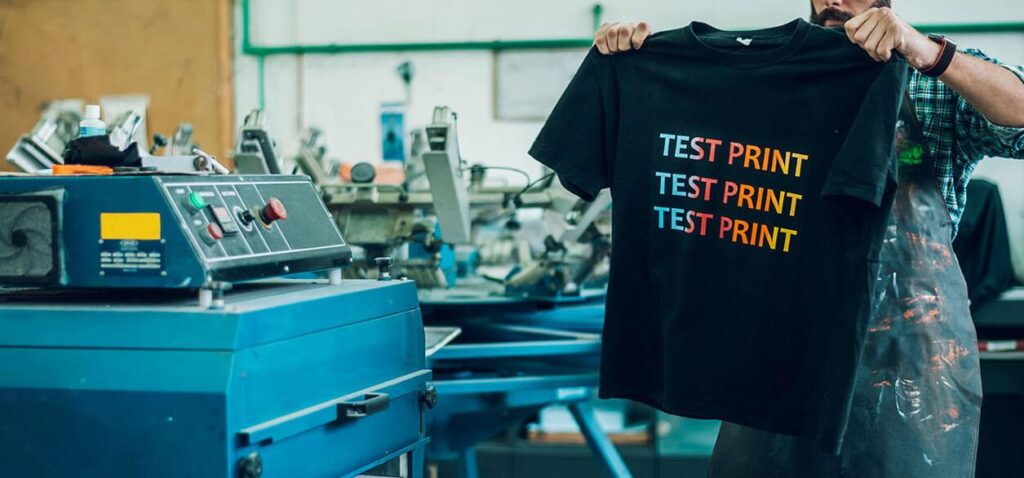
Screen printing pushes ink through a fine mesh screen onto fabric. Each color requires a separate screen, with ink applied one layer at a time. This process creates bold, bright prints that sit on the fabric surface.
The setup cost makes screen printing more economical for large orders. Whether a brand prints 50 or 5,000 shirts, much of the initial setup remains the same. As order volume increases, the setup cost spreads across more pieces. For orders of 1,000 units or more, screen printing can provide a very low cost per piece.
Screen printing works particularly well on cotton and cotton-blend fabrics, including fleece and French terry. These materials provide a suitable surface for ink application and curing. Synthetic fabrics such as polyester may require specialized inks and additional testing.
The main limitation is design complexity. Each additional color adds another screen and production step, making gradients, fine details, and photo-like graphics less efficient. Screen printing is better suited to bold graphics, simple logos, and clean text with clear color separation.
For clothing brands producing large quantities of fleece apparel with simple designs, screen printing remains a practical choice because it combines cost efficiency, durability, and consistent print quality at scale.
What Are the Main Apparel Printing Methods for Clothing Brands?
The main apparel printing methods include screen printing, digital and DTG printing, sublimation, heat transfer, and specialty printing. Each method suits different design requirements, fabric types, production volumes, and desired finishes. Understanding these differences helps clothing brands select the right printing process for each garment.
Screen Printing for Bold Graphics and Bulk Apparel Production
Screen printing is a cost-effective option for large apparel orders, especially when designs use bold graphics and a limited number of colors. Brands ordering 1,000 pieces or more can spread the initial setup cost across a larger production run, reducing the cost per garment.
Each color normally requires a separate screen, so simple logos and graphics with clean edges are particularly suitable. A two-color design is generally more economical to produce than artwork with multiple colors, gradients, or photographic details. The resulting print is also known for strong coverage and good wash durability.
For bulk fleece apparel such as fleece hoodie and sweatshirts, screen printing remains a practical choice when the design is relatively simple and the same artwork will be applied across a large quantity.
Digital and DTG Printing for Detailed Full-Color Apparel Designs
Direct-to-garment (DTG) printing applies water-based ink directly onto the garment without requiring screens. It can reproduce detailed artwork, multiple colors, photographs, and fine design elements, making it useful when brands need more visual detail or different artwork on individual pieces.
DTG is particularly suitable for small production runs, samples, and limited editions because there is little setup involved for each new design. The higher cost per garment becomes less important when the order quantity is small.
Fabric composition and surface texture need to be considered carefully. DTG generally performs best on cotton and high-cotton fabrics with a relatively smooth surface. Raised or fuzzy fleece surfaces can make ink coverage less even and reduce print sharpness. For fleece and French terry garments, brands should confirm the fabric composition and surface finish before selecting DTG.
Sublimation Printing for Selected Apparel Printing Applications
Sublimation printing uses heat to transfer dye into suitable synthetic fabric rather than placing a separate layer of ink on top of the garment. Because the dye becomes part of the fabric, the finished design can have a smooth feel without adding a heavy print layer.
This method works particularly well for polyester-based apparel and all-over designs. Brands can use it for products where continuous graphics, vibrant colors, or full-surface patterns are more important than a traditional chest or sleeve print.
Sublimation is not equally suitable for every fabric. It is generally most effective on light-colored polyester materials, while cotton and darker garments require different printing approaches. Brands should therefore select the printing process together with the garment fabric and color.
Heat Transfer Printing for Flexible Custom Apparel Applications
Heat transfer printing applies a printed or cut design to the garment using heat and pressure. It is useful for customized apparel because individual names, numbers, logos, and small design runs can be produced without creating traditional screens.
This flexibility makes heat transfer suitable for samples, personalized products, limited quantities, and designs that may change frequently. Different transfer materials can also provide different appearances and finishes depending on the application.
For clothing brands, the transfer method should be matched to the fabric and expected use. Fleece and other textured garments may require suitable transfer materials and application settings to achieve good adhesion and durability.
Specialty Printing for Unique Textures, Finishes, and Effects
Specialty printing focuses on the visual or tactile effect of the finished design rather than simply reproducing standard graphics. Options can include puff printing for a raised appearance, foil for a reflective finish, flocking for a soft texture, and other decorative techniques.
These methods can help brands create distinctive details on hoodies, sweatshirts, jackets, and other apparel. They are especially useful when a collection needs a stronger visual identity or a design requires a specific texture or finish.
Specialty techniques can also be combined with standard printing methods. For example, a brand may use screen printing for the main graphic and add a specialty effect to selected elements. The best choice depends on the desired appearance, garment fabric, artwork, and production requirements.
How the Apparel Printing Process Works From Design to Production
Design Review and Printing Method Selection for Apparel Orders
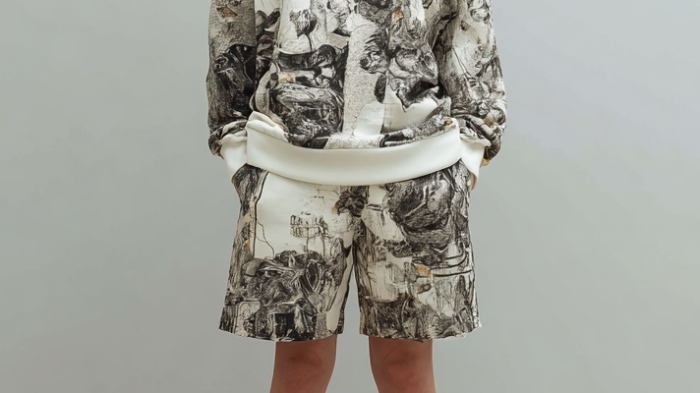
The apparel printing process starts with a design review. Clothing brands send their artwork to the supplier. The supplier checks if the design can be printed. File format matters. Vector files like AI or EPS are best. They allow clean color separation. Raster images may cause problems. The supplier also looks at the number of colors. A simple two-color logo is easier to print than a complex gradient. Things like color count, detail level, and fabric type decide the best method. This Apparel Printing Guide helps brands understand those choices.
The supplier also checks color separations. Each color in the design must be split into its own layer. This step is key for screen printing. For DTF and DTG, the printer does this automatically. Knowing this step helps brands prepare artwork correctly.
Two methods that work well on fleece and French terry are direct-to-film (DTF) and heat transfer vinyl (HTV). DTF lasts longer on these fabrics. DTF ink bonds directly to fabric fibers. HTV uses an adhesive layer that can weaken over time.
| Attribute | Direct-to-Film (DTF) | Heat Transfer Vinyl (HTV) |
|---|---|---|
| Washes before degradation | Over 35 washes | 25–30 washes |
| Resistance to cracking/peeling | High | Moderate |
| Bonding mechanism | Ink bonds to fabric fibers | Adhesive layer can weaken |
Minimum order quantities also affect method choice. DTF has no minimum order requirement. This makes it good for single-piece orders on French terry garments. Screen printing usually needs 12–24 pieces. DTG and HTV also have no minimum. Sublimation has no minimum but needs polyester fabric.
| Printing Method | Minimum Order Requirement |
|---|---|
| DTF | None |
| Screen Printing | 12–24 pieces |
| DTG | None |
| HTV | None |
| Sublimation | None |
Mockup and Sample Approval Before Full Apparel Production
After picking the method, the supplier makes a digital mockup. This realistic preview lets clients approve the design without waiting for a physical sample. Using mockup generators can cut time-to-market by 30 percent. The mockup shows print placement, color accuracy, and size on the garment. Brands can see how the design looks on a hoodie or jogger before production. This step lowers the risk of costly mistakes.
The digital mockup is sent as a high-resolution image. Brands can zoom in to check details. They can ask for changes before sample production. This feedback loop saves time and money. Suppliers like NBJM offer unlimited revisions during the mockup stage.
Once the mockup is approved, the supplier makes a physical sample. At NBJM, this step takes 7–14 days. The sample confirms print quality, fabric behavior, and overall look. Brands can test the sample on real fleece or French terry materials. They can run the garment through a few wash cycles to check for fading or cracking. This test confirms the print’s durability. If the sample meets expectations, the brand gives the green light for mass production. For NBJM, production and shipping need 30 business days. This process ensures the final product meets brand standards.
Bulk Printing and Quality Control for Clothing Brand Collections
After sample approval, the supplier moves the approved design into bulk production. The same artwork, printing method, garment specifications, and approved sample should be used as the production reference. This helps maintain consistency across the collection.
Quality control should cover both the printed design and the finished garment. Key checks include print placement, color consistency, coverage, adhesion, cracking or peeling, garment measurements, stitching, and overall appearance. For fleece and French terry products, the supplier should also check that the print performs properly on the fabric surface.
Production timing depends on the order and manufacturing requirements. For NBJM, production and shipping can require around 30 business days after the development and approval stages. Once bulk production is complete, finished garments can undergo final inspection before shipment.
A controlled process from approved artwork to final inspection helps clothing brands maintain consistent printing quality across larger apparel collections.
How to Choose the Right Apparel Printing Method for Your Brand
Clothing brands must match their design difficulty and order size to the right printing method. This guide gives a clear way to decide. Think about these things: design difficulty, order size, fabric type, and how long the print lasts. Each factor points to a different method.
Choose Printing Methods Based on Design Difficulty and Volume
Design difficulty affects cost in different ways for each method. With screen printing, each extra color adds a new screen and setup fee. A simple two-color logo costs less than a six-color design. With DTG printing, design difficulty does not change the cost. The printer handles many colors, photos, and gradients without extra setup charges.
Order size also helps you choose. The point where screen printing and DTG cost the same starts around 24 items. For 1-11 items, DTG costs $12-$18 per shirt while screen printing costs $20-$30. For 12-23 items, DTG stays cheaper at $10-$14 per shirt. At 24-35 items, costs overlap in a break-even zone. From 72-143 items, screen printing costs $5-$8 per shirt versus DTG at $6-$9. For 500+ items, screen printing costs $2-$5 per shirt, making it the clear winner.
Consider Fabric Type and Print Toughness
Fabric type decides which methods can work. Cotton (100%) soaks up water-based ink well, creating strong grip. Poly-cotton blends soak up less ink and risk dye bleeding. For 100% polyester, water-based ink sits on top and may peel. Special low-cure inks help, but cotton-rich fabrics stay best.
Sublimation printing needs polyester fabrics. The dyes are see-through, not solid. They color the fiber instead of covering it. On dark fabrics, the dyes cannot show through. Sublimation works only on white or very light-colored blanks. For fleece, polyester blends give usable results. A 70/30 cotton-poly fleece gives a muted vintage look. An 80/20 cotton-poly fleece creates a soft tonal wash. Both blends work best with lighter garment colors. Dark fleece is not good for sublimation because the fabric color hides the design.
For fleece and French terry, DTF and screen printing give better toughness on dark fabrics. DTF bonds ink directly to fibers. Screen printing uses thick ink layers on top. Both methods use solid inks that cover dark backgrounds. Suppliers like NBJM provide these options for custom fleece orders.
Compare Printing Costs, Lead Times, and Production Requirements
After narrowing down suitable methods, brands should compare the complete production requirements rather than looking only at the printing price. Setup fees, per-piece costs, minimum quantities, artwork preparation, sample requirements, and production time can all affect the final cost.
Lead time is also important when planning a clothing collection. Digital methods can be useful when brands need small quantities or frequent design changes, while screen printing can be more efficient for larger repeat orders. The best option depends on how quickly the garments are needed and whether the artwork is likely to change.
Production requirements should also match the manufacturer’s capabilities. Brands should confirm fabric availability, printing equipment, decoration options, minimum order quantities, and sample procedures before placing an order. NBJM’s custom apparel process includes fabric selection, process options, decoration, mockup approval, sample development, and mass production, helping brands evaluate these requirements before moving into bulk production.
A practical approach is to compare each method across design, quantity, fabric, durability, cost, and lead time. This gives brands a clearer basis for choosing a printing method that fits both the product and the production plan.
Common Apparel Printing Problems and How Brands Can Avoid Them
Every clothing brand can encounter printing flaws during apparel production. Blurry logos, cracked prints, faded colors, and uneven coverage can affect both product quality and brand reputation. Identifying the main causes early helps brands reduce defects before bulk production begins.
Prevent Cracking, Fading, Peeling, and Uneven Apparel Prints
Cracking can occur when plastisol ink is not fully cured. Plastisol ink generally needs to reach 280–320°F (138–160°C) for proper curing, and the entire ink layer must reach the required temperature. Conveyor curing commonly takes around 20–30 seconds. Heavy fleece absorbs more heat than lightweight cotton, so thicker garments may require a slower conveyor speed or adjusted dryer settings. For Modal Lux Fleece, a curing temperature around 320+°F may be required. Brands should always confirm the exact curing requirements with the ink supplier and test samples before bulk production.
Fading and peeling can result from unsuitable inks or poor application. High-quality inks with the correct formulation can provide better wash resistance, while stretch additives such as Rutland SpandeSol can help reduce cracking on flexible fabrics. Uneven prints may also occur when the fabric moves during printing or when the printing plate is not properly aligned. Securing both the garment and printing equipment helps maintain consistent placement and coverage.
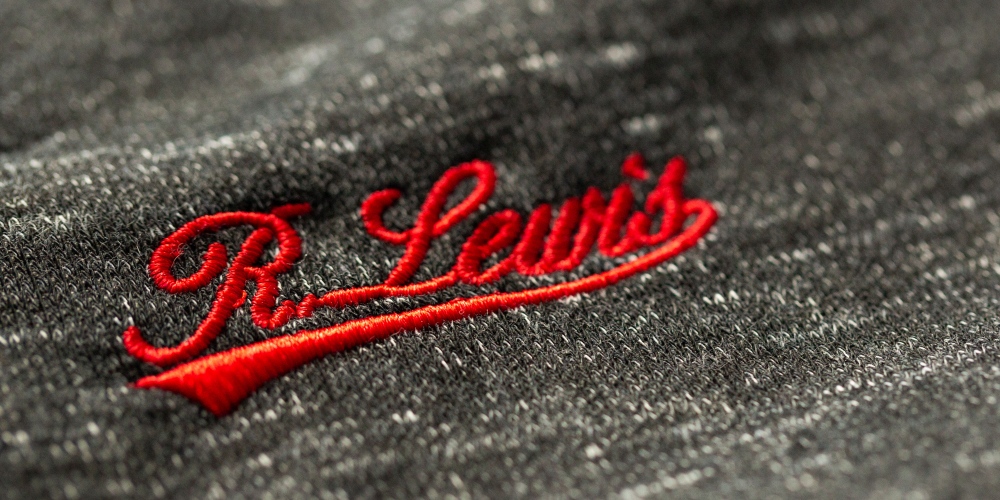
For fleece jackets and other garments exposed to frequent wear, embroidery can be an alternative for simple logos and small designs. Embroidered patches can provide strong durability through repeated washing and use, although the cost per piece is generally higher than screen printing for large orders. Embroidery is best suited to relatively simple logos rather than complex multicolor artwork.
Avoid Color Mismatches and Poor Artwork Preparation Before Printing
Color mismatches can create inconsistencies between a brand’s approved design and the finished garments. Using the Pantone Matching System (PMS) gives designers, suppliers, and manufacturers standardized color references. Providing specific PMS codes helps production teams reproduce brand colors more consistently across different garments and production runs.
Artwork preparation is equally important. Low-resolution images can produce blurry logos or unclear text, while vector files such as AI or EPS allow designs to remain sharp when resized. Screen printing also requires accurate color separation, with individual colors prepared correctly for production.
Brands should review their artwork and tech pack before approving samples. Check the design dimensions, print placement, colors, and embellishment positions carefully. Resolving these details before production is much easier and less costly than correcting defects after bulk garments have been printed.
Reduce Print Defects With Proper Fabric and Method Selection
The fabric itself can affect print quality. Different fibers absorb, hold, or react to inks differently, while textured surfaces can make achieving even coverage more difficult. Fleece, for example, has a raised surface that can affect fine details and ink coverage compared with a smooth cotton jersey.
Brands should therefore select the printing method according to the fabric composition, surface texture, garment color, and intended use. A method that works well on a smooth cotton T-shirt may not produce the same result on thick fleece or French terry.
For custom fleece and French terry apparel, suppliers such as NBJM can help match printing and decoration methods with the selected fabric and garment design. This allows brands to evaluate the material and printing process together rather than treating them as separate production decisions.
Testing the selected fabric and printing method on a physical sample before bulk production is one of the simplest ways to identify compatibility problems early. Brands can then confirm print coverage, adhesion, appearance, and durability before approving the full order.
How We Support Clothing Brands With Custom Apparel Printing
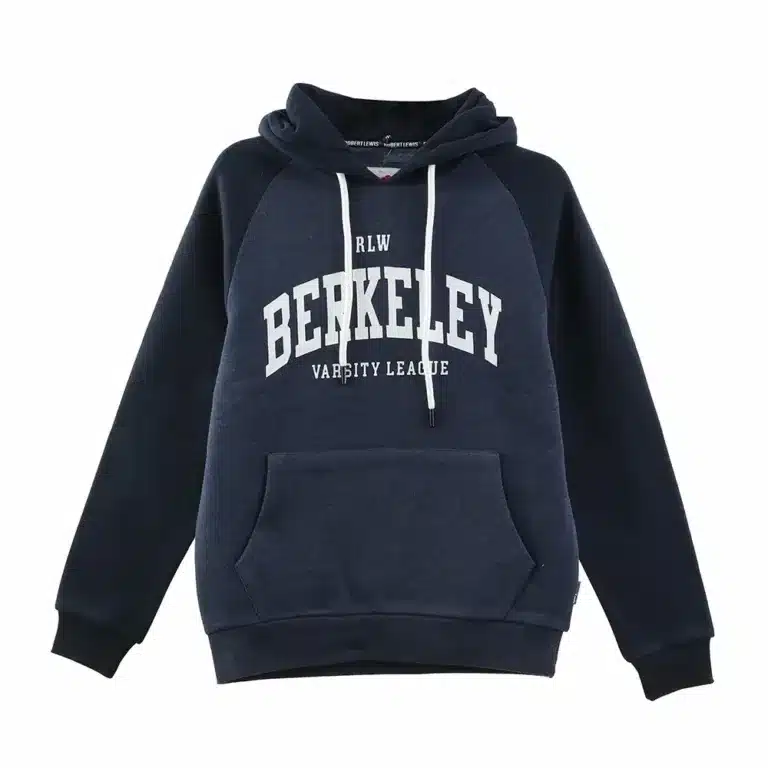
At NBJM, we make custom fleece and French terry apparel for brands worldwide. With over 20 years of experience, we have served more than 100 brands in 30 countries and produce 10 million ready-to-wear pieces annually. Our services focus on flexible production, consistent quality, and clear communication.
Custom Printing Solutions for Fleece and French Terry Apparel
Fleece and French terry have thicker, textured surfaces that require suitable printing methods. We offer several options based on each brand’s design and garment requirements:
- Screen printing creates bold, opaque graphics with strong wash resistance. It works well for simple logos and large orders.
- Puff printing produces a raised 3D effect that adds texture and dimension to logos and lettering, especially on fleece hoodies and sweatshirts.
- Digital printing delivers detailed graphics, smooth gradients, and photographic effects for complex designs and smaller batches.
Color consistency is also important for brand identity. We work with trusted fabric mills and use Pantone numbers or physical fabric swatches to maintain consistent colors from samples through production.
Flexible Apparel Production for Different Designs and Order Volumes
For fleece and French terry, we recommend DTF or screen printing based on the design and quantity. DTG suits small batches with detailed full-color artwork, while sublimation works for light-colored polyester activewear. Embroidery is suitable for simple logos on jackets and other garments.
Our minimum order quantity is 800 units per design. We work with more than 30 partner factories and produce 10 million pieces annually, giving brands flexibility as production needs grow.
Proper artwork preparation also helps ensure print quality. We recommend AI or EPS vector files with clear Pantone colors, print placement, and size specifications. Our design team creates a digital mockup for approval before producing a physical sample within 7–14 days. Mass production and shipping follow within 30 business days.
We are available 7 days a week and respond to emails within 8 hours. Whether you need wholesale custom hoodies or French terry joggers, our team can support your project from design through production.
The best printing method depends on the fabric, design, budget, and order size. Testing samples before bulk production helps confirm the final result, while a trusted supplier can help brands choose the right process for fleece and French terry apparel.
Apparel Printing FAQs for Clothing Brands and Fashion Businesses
What Is the Best Apparel Printing Method for Clothing Brands?
There is no single best apparel printing method for every clothing brand. The right choice depends on the artwork, order volume, fabric, garment color, desired finish, and durability requirements. Screen printing can suit larger runs with simple graphics, while DTF, DTG, sublimation, or heat transfer can be more suitable for specific designs and production needs.
Which Apparel Printing Method Works Best for Fleece Garments?
DTF and screen printing are commonly suitable for fleece garments because they can provide good coverage on the fabric. DTF works well for detailed designs and smaller quantities, while screen printing is more economical for larger runs with simpler graphics. Embroidery is another option for simple logos on fleece jackets and hoodies.
For custom fleece apparel, brands should also consider the fabric weight, surface texture, and garment color before finalizing the printing method. NBJM offers custom fleece apparel with different fabric and decoration options.
Which Apparel Printing Method Works Best for French Terry?
French terry can work with several printing and decoration methods, depending on its fiber composition and surface. DTF is useful for detailed custom graphics, while screen printing can be effective for larger orders with bold designs. Heat transfer can also work well for smaller customized runs.
Because French terry fabrics can vary in weight and fiber content, brands should test the selected method on the actual fabric before bulk production. This helps confirm print appearance, adhesion, and wash performance.
What Is the Most Durable Printing Method for Clothing Brands?
Durability depends on the printing method, ink or transfer material, fabric, application settings, and curing process. Screen printing can provide strong wash resistance when properly applied and cured, while DTF can also offer good durability on suitable fabrics.
Brands should evaluate the expected use of the garment rather than choosing a method based only on the printing technique. Physical sample testing and wash testing can help confirm whether the finished print meets the required durability standard.
How Much Does Custom Apparel Printing Cost for Clothing Brands?
Custom apparel printing costs vary based on the printing method, artwork complexity, number of colors, order quantity, garment fabric, print size, and number of print locations. Small orders can have a higher cost per piece, while larger production runs can reduce the unit cost through better production efficiency.
Brands should also consider setup fees, sampling, garment costs, and additional decoration when calculating the total project cost. For custom fleece and French terry apparel, getting a production quote based on the actual design, fabric, and quantity gives a more accurate cost than using a general per-piece estimate.