For apparel brands making fleece and French terry, guessing a trend wrong means unsold clothes and lost money. The big question is: how can apparel brands predict fashion trends well? The answer is easy. Trend prediction is not about luck. It is a smart skill that any brand can learn. This part gives useful ways to do it. These ways lower risk and boost competitiveness. They use real data and industry know-how. The goal is to help you choose better. No more expensive errors. Take charge of what comes next. Start predicting fashion trends with confidence.
Key Takeaways
- Look at social media hashtags and how people use them to spot trends early.
- Get expert guidance from fashion forecasting agencies and supplier insights.
- Use street style photos and sales numbers together to guess what trends will come next.
- Update old styles with new cuts and eco-friendly fabrics.
- Use on-demand production to lower risk and react fast to trends.
What Is Fashion Trend Prediction for Apparel Brands?
Fashion trend prediction means looking at data and culture to guess what styles shoppers will want next season. For brands that make fleece and French terry clothes, this helps them decide what to buy and make. A brand that guesses right picks the right fabrics, colors, and cuts. A brand that guesses wrong ends up with lots of unsold hoodies and sweatshirts in storage.
Social media gives the quickest look at what shoppers like now. Instagram, TikTok, and Pinterest work like live focus groups. Every day, millions of people post outfit photos, styling clips, and shopping videos. These posts show which fleece textures and French terry finishes are getting noticed.
To use social media well, brands need to watch certain hashtags. For fleece clothes, check tags like #fleecefashion, #cozyhoodie, and #fleecejacket. For French terry items, follow #frenchterry, #terrycloth, and #athleisurestyle. These tags bring together posts from fashion influencers, regular shoppers, and small store owners. The number of posts under each tag shows how much interest there is.
Big jumps in likes, comments, or shares matter more than just total posts. When a hashtag suddenly gets thousands of these within a short time, that means a trend is growing. For example, if #frenchterry posts get twice the usual engagement in two weeks, shoppers are really looking for that fabric. Brands can then change their production plans to match.
Pinterest gives extra help through saved pins and boards. Users save images they want to check later. A big rise in saves for oversized fleece pullovers points to future demand. TikTok’s “For You” page shows trending styles on its own. Brands can watch which fleece and French terry videos show up often and note what features stand out.
These social clues help brands predict fashion trends more accurately. The key is to keep checking regularly. Look at hashtag performance each week, track engagement patterns, and compare data across platforms. This method turns guessing into a clear, repeatable process.
7 Ways to Predict Fashion Trends for Apparel Brands
1. Track Social Media Signals to Predict Fashion Trends Early
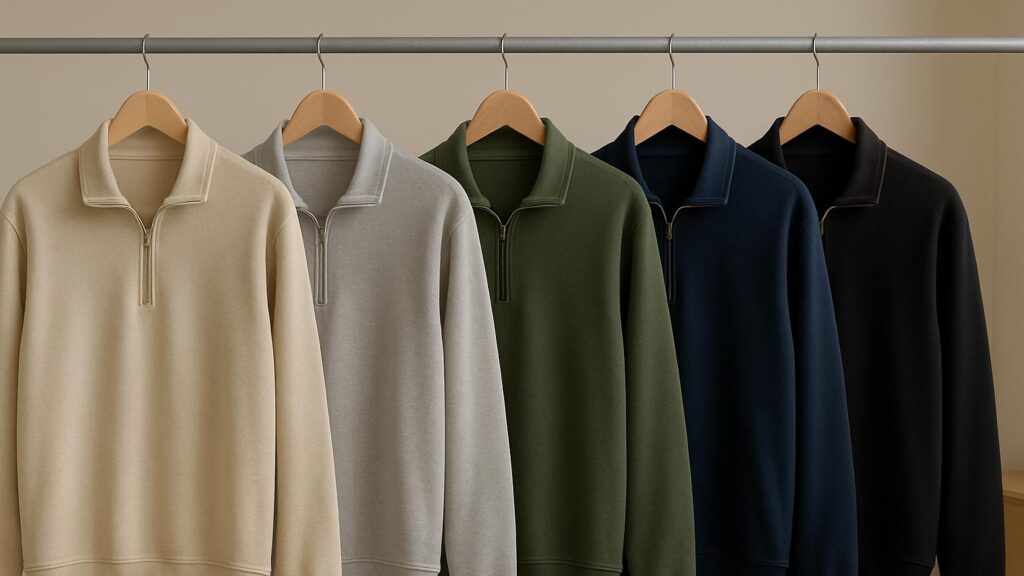
Social media can provide some of the earliest clues about changing fashion interests. Apparel brands can monitor hashtags, influencer posts, short-form videos, and visual content to see which styles are beginning to attract attention. For example, a sudden increase in videos featuring oversized fleece jackets may indicate that relaxed outerwear is gaining momentum.
However, a single viral post does not necessarily represent a lasting trend. Brands should look for repeated signals across different accounts and platforms. Comments, saves, shares, and user-generated content can help show whether people are actively interested in a style rather than simply viewing it. Tracking these signals consistently gives brands an early indication of which silhouettes, colors, or garment details may deserve further research.
2. Use Fashion Forecasting Agencies to Identify Emerging Trends
Fashion forecasting agencies provide a broader view of where the industry may be heading. Instead of focusing on individual posts or short-term popularity, their reports can cover seasonal color directions, fabric developments, consumer lifestyles, design movements, and broader market changes. This makes forecasting services useful when brands are planning collections several months ahead.
Agencies such as WGSN and Trendstop combine information from different fashion markets and industry sources to identify emerging directions. Brands can use these forecasts as a starting point for collection planning, then compare them with their own market information and manufacturing capabilities.
Experienced apparel suppliers can add another practical layer to this process. NBJM has more than 20 years of industry experience and specializes in custom fleece and French terry apparel. Its team supports fabric selection, design development, sampling, and production, giving brands a manufacturing perspective when evaluating whether a predicted trend can be developed into a suitable product.
3. Watch Pop Culture to Spot New Fashion Trends Quickly
Pop culture can turn specific clothing styles into mainstream fashion quickly. Brands can watch musicians, actors, athletes, television shows, films, and major cultural events to identify styles that are gaining visibility outside traditional fashion channels. A garment worn repeatedly by a high-profile celebrity, for example, may influence consumer interest in a particular silhouette or styling direction.
The key is to look for connections between cultural exposure and fashion adoption. If a style appears across different entertainment channels or begins influencing how consumers dress, it may have stronger potential than a one-time celebrity appearance. Brands can then assess whether the look fits their target audience before adapting it into their own collections.
4. Analyze Sales Data to Validate Fashion Trend Demand
Trend signals should be compared with actual purchasing behavior before brands commit significant production resources. Sales data can show which products are generating repeat purchases, which sizes or colors are selling faster, and which styles are losing momentum. This helps brands distinguish between trends that attract attention and trends that create commercial demand.
Brands can compare current sales with previous seasons to identify meaningful changes. For example, if relaxed-fit sweatshirts are consistently outperforming traditional fits across several sales periods, the data provides stronger evidence for expanding that product direction. Sales performance can also help determine how much inventory to produce and which variations to prioritize.
For apparel brands working with custom manufacturers, this information can guide the next development cycle. Instead of relying only on assumptions about what will sell, brands can use sales results to decide which fleece or French terry products should be redesigned, expanded, or tested in new colors and weights.
5. Study Street Style to Discover Fashion Trends in Context
Street style shows how people actually wear fashion in everyday settings. Unlike runway presentations, which represent a designer’s planned collection, street style reveals how consumers combine garments, proportions, fabrics, colors, and accessories in real life.
Brands can study street style photos and fashion districts to identify recurring details. For example, repeated combinations of oversized sweatshirts with wide-leg pants may reveal a broader preference for relaxed proportions. The goal is not to copy individual outfits but to identify patterns in how people are styling garments.
This approach is particularly useful for understanding how an emerging style works in practical situations. Brands can observe whether a trend is suitable for everyday wear, casual collections, activewear, or streetwear, then adjust the design according to their target market.
6. Review Runway Shows to Anticipate Upcoming Fashion Trends
Runway shows can provide an early look at the design directions that may influence upcoming seasons. Brands can review collections from major fashion weeks to identify repeated themes in silhouettes, colors, materials, proportions, and styling details.
Rather than focusing on one designer or one collection, brands should compare multiple shows for common patterns. If similar oversized proportions, muted colors, or textured fabrics appear across several collections, the direction may have greater potential to influence the wider market.
Runway analysis is especially useful for longer-term product planning because brands can identify design concepts before they become common in retail. They can then translate high-fashion ideas into commercially suitable garments by adjusting the fit, fabric weight, construction, and price level for their own customers.
7. Talk to Customers to Understand Changing Fashion Preferences
Direct customer feedback helps brands understand why shoppers choose or reject particular products. Brands can collect this information through surveys, product reviews, interviews, customer service conversations, and feedback from wholesale buyers. These sources can reveal preferences that may not be obvious from online trend signals or sales numbers.
Questions can focus on practical product attributes such as preferred fit, fabric feel, weight, color, comfort, functionality, and styling. For example, customers may show increasing interest in lightweight French terry for transitional seasons or heavier fleece for structured casualwear. These details help brands understand the product requirements behind a broader fashion trend.
Customer feedback can also help validate ideas before a new collection enters full production. By combining what customers say with trend forecasts and market data, apparel brands can make more confident decisions about which styles to develop and which ideas to leave behind. For brands developing custom fleece and French terry apparel, this feedback can then be translated into fabric choices, garment construction, and customized designs during product development.
How We Turn Fashion Trend Predictions Into New Collections
Looking at what people wear in big cities can tell us about new fashion trends early. In places like New York, Tokyo, and London, new styles show up months before they hit regular stores. Our team watches these cities a lot. We check what people wear on the streets, not just on runways. Someone in Tokyo wearing a big fleece jacket might mean people want looser fits. Students in London wearing French terry joggers could show that demand for comfy bottoms is growing. These observations help us guess fashion trends before they appear in online shops.
We also look at photos from street style blogs and fashion week events. These pictures show real people, not models. They tell us how shoppers actually style fleece and French terry clothes. For example, we saw many people in New York wearing cropped fleece hoodies with high-waisted pants. This simple observation helped our design team create similar outfits. Watching city styles works best when done often. We check these sources every week to spot changes early.
Our own sales data is another useful tool. Past seasons give clear answers about what customers want. We look at which items sold fast and which ones did not. We also check return rates. A high return rate for a certain fit tells us something was wrong. Maybe the sleeves were too tight or the fabric felt rough. This feedback helps us make better designs next time.
For example, our sales records showed that heavy French terry sweatshirts sold much better than lighter ones. Customers wanted strong, sturdy fabric. We changed our next collection to have more heavy options. Also, return data showed that customers liked joggers with elastic cuffs more than straight-leg styles. We changed our patterns to match.
Putting street observations together with sales data gives a full picture. Street style shows what might become popular. Sales data confirms what already works. Together, they guide our fabric choices, color picks, and clothing cuts. This two-part approach cuts down on guessing. It turns trend prediction into a clear, step-by-step process. Our team uses these lessons for every new collection we make.
Our Approach to Fashion Trend Forecasting for Apparel Brands
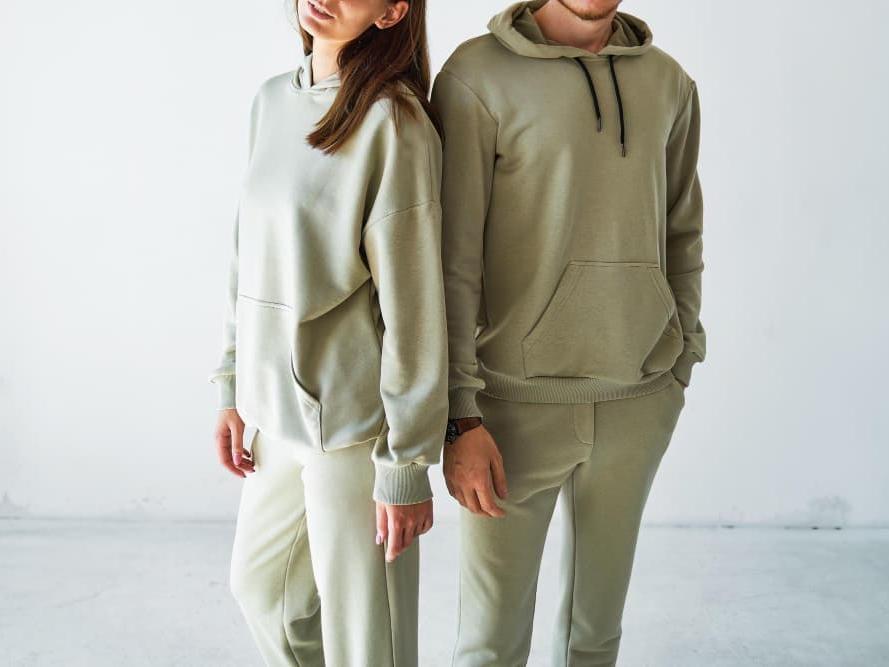
Fashion moves in cycles. Styles from the 1990s and 2000s keep coming back, especially in fleece and French terry clothes. Chunky zip-up hoodies, oversized pullovers, and relaxed joggers all remind us of past decades. Our team watches these patterns closely. We study which old styles gain new life each season. This knowledge helps us predict fashion trends with better accuracy.
Turning Fashion Trends Into Fabrics, Colors, and Apparel Designs
Turning a runway look into a product people want to buy takes careful choices. We start with fabric weight and texture. Heavyweight fleece feels nostalgic. It reminds shoppers of heritage sportswear from the 1980s hip-hop era. Structured French terry feels more modern and refined. It works well for year-round wear and style-conscious buyers.
| Fabric Type | Cultural Association | Consumer Appeal | Commercial Strategy |
|---|---|---|---|
| Heavyweight Fleece | Nostalgia, heritage sportswear | Comfort, classic feel | Position as a staple for streetwear |
| Structured French Terry | Modernity, sophistication | Breathable, year-round wear | Market as a versatile transitional piece |
We update past trends with fresh cuts and eco-friendly materials. A 90s boxy shape gets a slimmer fit. A classic crewneck uses organic cotton fleece. Tech-infused fabrics add moisture-wicking properties. These updates make old styles feel new again. Our design team works directly with NBJM’s specialists. Together, we pick colors and details that match current demand. This teamwork turns trend data into real products.
Flexible Manufacturing for Fast-Moving Fashion Trend Demands
Speed matters when a trend takes off. Brands need products ready before the wave passes. Traditional manufacturing produces thousands of units upfront. That approach creates risk. If the trend fades, brands hold unsold inventory.
On-demand production solves this problem. Each item gets made only after a customer orders it. This model removes minimum order quantities. It eliminates warehouses full of unsold stock. No seasonal overstock ends up in disposal.
Lean manufacturing is the overarching philosophy of efficiency and waste reduction. Just-in-time (JIT) production minimizes inventory by producing goods exactly when needed. On-demand production focuses on serving customers by making only the clothes they have already ordered and paid for, thereby avoiding unwanted slow-moving inventory, markdowns, and storage costs.
NBJM supports this flexible approach. With over 30 partner factories, they produce 10 million pieces annually. Sample creation takes 7-14 days. Bulk production finishes within 30 business days. This speed lets brands test small batches first. When a style gains traction, they scale up quickly. This method reduces waste and keeps brands agile. It turns trend predictions into profitable collections without excess risk.
To predict fashion trends for apparel brands, it’s best to use several methods together. Social media signals, trend reports, street style, and sales data each give you part of the answer. When you put them together, you see the full picture. Predicting trends is something you keep learning. Start with one or two ideas that match your business size and budget. Keep track of results, change your plan, and grow from there. With the right mix of data, help from experts, and creativity, any brand can get better at predicting trends. What methods have worked for your brand? Tell us your ideas or ask questions in the comments.
Fashion Trend Prediction FAQs for Apparel Brands
What Is the Most Reliable Way to Predict Fashion Trends?
No single method can predict every fashion trend accurately. The most reliable approach is to compare different signals, including professional forecasts, market performance, cultural changes, and customer feedback. Brands should also consider whether a trend can be translated into a practical product based on fabric, construction, price, and production requirements.
How Early Should Apparel Brands Start Predicting Fashion Trends?
Brands should start several months before a new collection launches. Early planning gives them time to evaluate trends, select fabrics, develop samples, refine designs, and prepare production. This is especially important for custom apparel, where product development can require several stages before bulk manufacturing.
Can Social Media Data Help Apparel Brands Predict Trends?
Yes. Social media can reveal early changes in consumer interest through hashtags, engagement, saves, comments, and repeated appearances of specific styles. However, online attention does not always lead to sales, so brands should use social media as an early indicator rather than relying on it alone.
How Can Small Apparel Brands Use Fashion Trend Forecasting?
Small brands can focus on a few reliable forecasting sources and compare emerging trends with their target customers and sales data. Working with an experienced apparel manufacturer can also make trend development easier. NBJM supports custom fleece and French terry apparel, including fabric selection, design development, sampling, and production, helping brands turn trend ideas into finished products.