Every apparel brand must pick between two main ways to make clothes: Made-to-Order vs Ready-to-Wear. The choice depends on your goals, who you sell to, and what you have. Key things to think about are cost, time to make, eco-friendliness, custom options, and growing your business. Knowing the difference between Made-to-Order vs Ready-to-Wear helps you find the right balance. Which model helps your brand grow without wasting money or extra stock? There is no single answer that works for everyone. This guide gives you a simple way to look at your choices and pick the best production model for your brand.
Key Takeaways
- Made-to-order cuts waste and inventory risk because it only makes items after a customer orders.
- Ready-to-wear costs less and ships faster, but it can leave you with extra clothes that don’t sell.
- New brands can use made-to-order to test designs without large upfront costs.
- Styles that are proven and always in demand work best for ready-to-wear production.
- A hybrid approach lets brands try made-to-order first, then grow using ready-to-wear.
What Does Made-to-Order Mean for Apparel Brands?
Made-to-order clothing changes the usual way of making clothes. Instead of making many garments ahead of time, a brand waits for a customer to order first. Then the factory cuts the fabric, sews the pieces, and finishes the garment. This is the opposite of ready-to-wear, where clothes are made in large numbers in standard sizes and stored in warehouses for people to buy right away.
Made to order, by definition, is ‘specifically made according to a customer’s specifications.’ Unlike ready-to-wear (which is available right away off the rack), made-to-order brands sew each piece only when someone orders it. This means no need for warehouse stock and less waste from overproduction. But it takes 2–8 weeks to make the garment.
The main difference is about timing and commitment. In made-to-order, the customer’s order starts production. In ready-to-wear, production happens first, and the brand hopes people will buy what was made. This big change affects how a brand handles cash flow, storage space, and risk.
| Feature | Made-to-Order | Ready-to-Wear |
|---|---|---|
| Production trigger | Customer order comes first | Made ahead based on guesses |
| Inventory | No stock made; no leftover items | Stored in warehouse; risk of too much stock |
| Shipping time | Takes weeks (3–6 weeks) | Ships right away |
| Customization | Can be made to fit the customer | Only standard sizes |
| Exclusivity | Almost no one else has the same piece | Made in large numbers, easy to find |
| Return policy | No returns (made for you) | Normal return rules |
For clothing brands trying this model, finding the right factory partner is important. Suppliers specializing in custom fleece and french terry apparel, such as Urth Apparel Inc. and Greene Textile, Inc., support made-to-order with low minimum order quantities. This lets new brands test designs without making a huge stock. The typical process includes design mockups, sample making in 7–10 days per round, and bulk production in 15–30 days. This focus on custom fleece and French terry lets brands offer unique, personal items while keeping waste low and exclusivity high.
Made-to-order works best for brands that care about sustainability and custom options. Because each piece is made only after someone buys it, there is no extra stock in a warehouse. This cuts down on waste from overproduction and harm to the environment. For customers, the appeal is having something made just for them, not a common item that everyone can buy.
What Does Ready-to-Wear Mean for Apparel Brands?
Ready-to-wear (RTW) is the old-school way of making clothes. A factory makes lots of garments in standard sizes and keeps them in warehouses. Stores then sell these finished items to customers. When someone buys an RTW hoodie, it comes from stock that is already there, not from a new batch made just for them. This model runs most fast-fashion brands and big retail chains.
The money side of ready-to-wear likes big numbers. For basic t-shirts, the usual minimum order amount (MOQ) is 800 to 2,000 pieces per color. A supplier like Thai Son offers a low MOQ of 800 units for basic t-shirts, which is pretty low for the industry. This low bar lets smaller brands get wholesale prices without ordering huge amounts. NBJM also makes 10 million RTW pieces each year across 30 partner factories, giving brands a steady supply for regular demand.
Cost per item changes a lot with order size. The table below shows how:
| Order Type (Quantity) | Per-Unit Cost |
|---|---|
| Small-batch (50–300 units) | Higher – factory overhead and setup time spread over fewer garments |
| Bulk (500+ units) | Lower – setup and material costs spread out, with biggest drops above 1,000 units |
Big orders bring several cost perks. Buying fabric in larger amounts makes it cheaper. Cutting and sewing setup costs go down per item. Print or embroidery setup costs also improve. Using less trim cuts waste, and packaging costs shrink per piece. These savings add up, making RTW a good pick for brands with steady sales.
But ready-to-wear has a risk: leftover stock. A brand must guess demand before making anything. If guesses are wrong, extra items sit in warehouses and tie up cash. This risk is the biggest downside of RTW. Made-to-order fixes this problem completely because production starts only after a customer orders. No stock means no unsold items.
For brands with steady, repeat sales, RTW gives speed and size. Customers get items right away, and wholesale buyers can restock fast. The trade-off is clear: lower cost per item and quicker delivery versus the chance of making too much. Picking RTW means accepting that some stock may not sell, and planning for that.
How Made-to-Order and Ready-to-Wear Differ for Brands
The choice between Made-to-Order and Ready-to-Wear affects how brands produce clothes, manage inventory, control costs, and fulfill customer orders. Each model has different requirements for production planning, customization, and growth.
Production Timing and Lead Times for Apparel Collections
Made-to-order follows a production schedule that starts after an order is placed. A brand typically needs to approve samples, select fabrics, and then begin bulk production. Sample production usually takes 7–10 days per round, while bulk production takes 15–30 days. A first order may take 4–8 weeks for sampling and 6–16 weeks for bulk production. Repeat orders can move faster when approved samples are already available.
Ready-to-wear is designed for immediate fulfillment because finished garments are produced and stored in advance. When a customer places an order, the product can usually be picked and shipped directly from inventory.
Production setup also affects lead times. Traditional ready-to-wear lines work best with batches of 2,000 or more units per style, while made-to-order modular cells can handle batches of 50–1,500 units. Changeover can take 20–45 minutes in a modular cell compared with 4–8 hours on a traditional assembly line. This makes smaller custom orders easier to schedule without long production downtime.
Inventory Planning and Stock Commitment for Apparel Brands
Inventory risk is different between the two models. Made-to-order keeps inventory requirements low because garments are produced after customers place orders. This reduces the amount of finished stock sitting in a warehouse and limits the cash tied up in unsold products.
Ready-to-wear requires brands to produce before demand is fully known. If sales are lower than expected, excess inventory can increase storage costs and lead to markdowns or disposal. If demand is underestimated, brands may also run out of popular products.
| Production Model | Inventory Risk |
|---|---|
| Made-to-Order | Low |
| Wholesale / Ready-to-Wear | High |
Some brands combine both approaches. They may use made-to-order or dropshipping to test new products, then move proven best sellers into larger ready-to-wear production. This allows brands to reduce inventory exposure while scaling products with established demand.
Customization and Product Development Flexibility
Made-to-order provides greater flexibility when brands want to customize products. Garments can be developed around specific fabrics, colors, fits, prints, embroidery, labels, or packaging requirements. This is useful for brands that want smaller collections or products designed for a particular customer group.
Ready-to-wear generally relies on standardized styles and pre-planned specifications. Because products are produced in advance, changing a design after production begins can be more difficult and may leave existing stock that no longer matches the new direction.
For custom fleece and French terry apparel, made-to-order production can give brands more control over fabric weight, garment details, and finishing options. It also makes it easier to develop different product variations without committing to large quantities before the design has been tested.
Minimum Order Quantities and Production Scalability
Minimum order quantities can vary significantly between production models. Made-to-order is generally better suited to smaller initial runs because production can be scheduled according to confirmed demand. This gives emerging brands a way to test a new style without immediately committing to a large inventory investment.
Ready-to-wear is more efficient at larger volumes because standardized production runs reduce the cost of repeated setup and changeovers. Once a style has demonstrated strong demand, increasing production volume can make this model more cost-effective.
A flexible manufacturer can support brands as their order volumes change. NBJM works with more than 30 partner factories and has the production capacity to make over 10 million pieces per year, allowing brands to move from smaller production runs toward larger-volume manufacturing as their business grows.
Pricing Structure and Margin Potential for Apparel Brands
The two models can also produce different cost structures. Made-to-order may have a higher unit cost because smaller batches, customization, and more frequent production changes reduce manufacturing efficiency. However, producing against confirmed orders can reduce the financial impact of unsold inventory.
Ready-to-wear can achieve lower unit costs through larger production runs and standardized processes. However, brands take on greater upfront costs because they must purchase and produce inventory before knowing exactly how much will sell. Unsold products may then require discounts that reduce the final margin.
For this reason, brands should evaluate margin together with inventory risk rather than comparing manufacturing cost alone.
Customer Expectations and Order Fulfillment Speed
Customer expectations are often different for made-to-order and ready-to-wear products. Ready-to-wear customers generally expect products to be available immediately or to ship within a short timeframe because the items are already in stock.
Made-to-order customers typically accept a longer wait because the product is created after purchase. Brands should clearly communicate production and delivery timelines during checkout to avoid confusion.
The right model depends on the product and customer. Ready-to-wear works well when fast fulfillment is a priority, while made-to-order can be a better fit when customization, limited production, or reduced inventory risk is more important. Many brands can also combine both approaches to balance speed with flexibility.
When Should Apparel Brands Choose Made-to-Order Production?
Made-to-order is good for brands that care more about flexibility than speed. It works best when you are not sure about demand. It also helps brands that want less waste and unique items. Picking between Made-to-Order and Ready-to-Wear often depends on how much risk you can take.
Made-to-Order Works Well for Emerging and Niche Brands
New brands have a tough problem. They have no past sales to help them decide how much to make. With ready-to-wear, you must guess how many items will sell. Bad guesses mean cash stuck in unsold stock. Made-to-order takes away this risk. Production starts only when a customer orders. No leftover items hurt your profit.
Some suppliers support this model with low minimum order quantities. This low number lets new brands test the market without big production runs. This mix of low risk and green materials creates a strong base.
Niche brands also gain from made-to-order. They serve special customer groups with unique needs. Custom sizes and personal fits become possible. Customers get clothes made just for them. This uniqueness makes a higher price okay.
Made-to-Order Supports Limited Collections and New Designs
Limited collections have high risk in ready-to-wear. A brand must order thousands of items before knowing if the design sells. Made-to-order changes this. A brand can launch a new design right away. Production grows with customer demand. There is no money risk from unsold stock.
Made-to-order fights textile waste directly. Each item is made based on real demand. This cuts down extra stock and lessens overproduction. Custom-made clothes also lead to fewer returns. Customers keep what they order because it fits well.
For testing new designs, made-to-order gives a clear edge. A brand can launch a new style without selling old stock first. The typical sample process takes 7-10 days per round, and bulk production follows within 15-30 days. This speed lets brands make fast changes based on customer feedback. A brand can test many designs with very little risk.
When Should Apparel Brands Choose Ready-to-Wear Production?
Ready-to-wear production fits brands that have steady, predictable sales. Retail giants, fast fashion labels, and mass-market brands all use this model. These companies know their demand patterns well. They can predict how many hoodies or joggers they will sell each season. This confidence makes bulk manufacturing a safe choice. The Made-to-Order vs Ready-to-Wear decision becomes clear when you have reliable sales data.
Ready-to-Wear Fits Brands With Predictable Product Demand
Predictable demand changes everything. A brand with consistent sales can order large quantities without worry. Mass production uses industrial machinery and standardized patterns. This approach gives fast turnaround and lower unit costs. Quality stays consistent across thousands of pieces.
As production volume increases, the cost per unit decreases because fixed costs—such as machinery and infrastructure—are spread over a larger quantity of garments. This directly supports the query by showing that high-volume ready-to-wear production lowers per-unit costs, enabling competitive pricing and reinvestment. The cost advantages grow with scale. Bulk material discounts reduce raw material expenses. Optimized production efficiency cuts time and labor per garment. Fixed costs spread across more units. Consolidated shipping lowers freight per item.
Cost Driver How It Reduces Per-Unit Cost Bulk Material Discounts Buying fabrics and trims in volume lowers raw material expenses Optimized Production Efficiency Streamlined processes reduce time and labor per garment Lower Overhead Per Unit Fixed costs (setup, energy, labor) spread across more units Affordable Logistics Consolidated bulk shipping lowers freight per item
NBJM supports this model with a minimum order of 800 units for basic t-shirts through partners. The manufacturer produces 10 million ready-to-wear pieces each year across 30 partner factories. Brands with proven styles can order with confidence. They know their wholesale partners will reorder. They understand their customer base. This predictability makes a fleece sweatshirt a practical choice for ready-to-wear production.
Ready-to-Wear Supports Fast Fulfillment and Larger Collections
Speed matters in retail. Customers expect quick delivery. Ready-to-wear delivers because finished items sit in warehouses. A customer orders, and the item ships right away. No waiting for production to start.
Bulk manufacturing takes 15-30 days for production. This turnaround time supports fast fulfillment when combined with ready stock.
Larger collections also benefit from ready-to-wear. A brand can launch 20 new styles at once. Each style gets its own production run. The trade-off is clear: ready-to-wear gives up some personalization for convenience and speed. For brands with steady demand, that trade makes sense.
Can Apparel Brands Combine Made-to-Order and Ready-to-Wear?
Most brands do not have to choose one model forever. The Made-to-Order vs Ready-to-Wear choice can change as a brand grows. A smart plan uses both models at different stages of a product’s life. This mix lowers risk while keeping the benefits of size. Brands should first look at their own size, budget, and green goals. NBJM’s data gives a helpful starting point. With yearly production of 10 million pieces, the supplier supports both models easily.
Use Made-to-Order for Testing New Apparel Product Ideas
New designs come with doubt. A brand cannot know if a style will sell before customers see it. Made-to-order removes the guessing. Production starts only after a customer orders. No money sits stuck in unsold stock. This model lets a brand test the market without buying hundreds of garments.
Traditional manufacturing involves pattern building, grading, and cutting costs. Made-to-order skips the need for upfront inventory. This difference in cost structure is shown below:
| Metric | Made-to-Order | Traditional Manufacturing |
|---|---|---|
| Minimum order quantity | Low (e.g., 50-300 units) | High (1,000+ units per color) |
| Inventory risk | Low | High |
A brand can get a quote quickly and start with small batches. This speed matters for testing trends. A brand can launch a new hoodie design, check real demand, and decide fast. If the style fails, the loss stays small. If it works, the brand gains trust for a bigger run.
Use Ready-to-Wear for Proven Styles With Consistent Demand
Once a style proves itself, ready-to-wear takes over. Repeat orders need speed and sameness. Customers expect the same quality every time. A supplier like NBJM maintains strict quality checks to ensure consistency.
Growing a proven style needs control. Brands often make mistakes when scaling up. They reorder based only on how fast items sell. They ignore why people return items. They change fabric and fit at the same time without testing. They add many colors before settling one main style. These errors create messy SKUs and higher costs.
Steady growth comes from repeatable control. A brand should protect its proven main style. It should fix what customers clearly pointed out. It should expand only after the product and making process are stable. The manufacturer helps brands pick between straight refills, careful changes, and controlled SKU growth. Clear records of approved sizes, target feel, and reorder priorities make repeat production smooth.
A modular planning approach can help. Instead of producing many similar items, focus on versatile pieces that work across multiple outfits. This leads to smaller batch sizes and better materials. Brands cut overproduction while giving customers more value. The mix — made-to-order for testing, ready-to-wear for proven styles — follows this same logic perfectly.
Our Apparel Manufacturing Support for Different Order Models
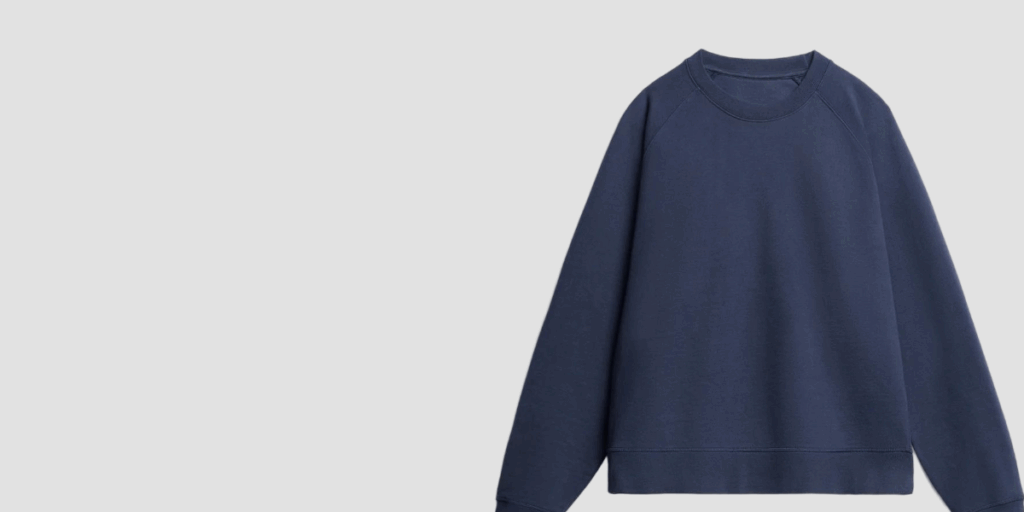
NBJM builds everything around flexibility. The supplier supports both made-to-order and ready-to-wear production in one place. This dual ability lets brands change models as they grow. A brand can test a new hoodie design with a small batch. Once that design works, the same supplier can scale up to wholesale volumes. This flexibility means no need to switch manufacturers when a brand’s plan changes.
Flexible Production Options for Made-to-Order Apparel Brands
Made-to-order brands need a supplier that handles small runs without losing quality. NBJM meets this need with a minimum order quantity that accommodates small batches. This low number works because the manufacturer shares fabric supplies across many clients. A brand can order a small batch of custom fleece jackets without paying high prices for tiny fabric buys.
The supplier offers production options to match different needs. The typical lead time for samples is 7-10 days per round, and bulk production takes 15-30 days. This fits brands launching seasonal lines on tight schedules. Quality control ensures consistent results across all orders.
| Flexible Production Metric | NBJM Offering |
|---|---|
| Minimum Order Quantity (MOQ) | Low (accommodates small batches) |
| Sample Production | 7-10 days per round |
| Bulk Production | 15-30 days |
| Partner Factories | Over 30 |
| Annual Capacity | 10 million pieces |
Custom Apparel Development From Fabric to Finished Garments
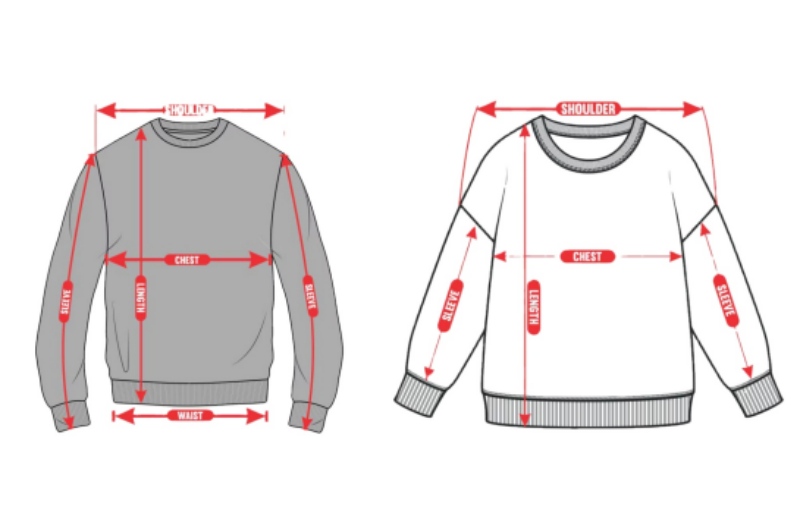
Custom development at NBJM starts with fabric choice. Brands can select from various materials to suit their needs. Design flexibility allows for different silhouettes and features. Sizing covers men, women, and children with standard, slim, or oversized fits. Brands can even give custom measurement charts for specific markets.
The sample process follows a clear path. First, the garment fit sample checks sizing and pattern accuracy. Customers send specs, and NBJM confirms materials and fitting details. Second, the pre-production sample finalizes fabric, prints, embroidery, and packaging. Third, the shipment sample confirms quality after bulk production starts. Full-time QC watches the entire process.
Branding options complete the package. Custom labels and tags carry a brand’s identity. Eco-friendly packaging options match sustainability goals. This end-to-end support means a brand can develop a full custom product without managing many vendors.
The Made-to-Order vs Ready-to-Wear choice has clear trade-offs. Made-to-order lowers inventory risk, allows deeper customization, and cuts waste. Customers wait longer, and each unit costs more. Ready-to-wear offers speed, lower per-unit costs, and easy scaling for proven styles. The downside remains inventory risk from unsold stock.
The right model depends on your brand’s resources and customer expectations. Map your priorities on a simple matrix. Score cost, speed, sustainability, and customization against each model. Choose the option that fits best.
Suppliers like NBJM support both paths. Their low minimum order quantity and full customization options let brands switch models as demand changes.
Made-to-Order vs Ready-to-Wear FAQs for Apparel Brands
Is Made-to-Order Better Than Ready-to-Wear for Small Brands?
Made-to-order can be a better starting point for small apparel brands because it reduces the need to commit to large quantities before demand is proven. It also provides more flexibility for testing custom designs, fabrics, and product variations. Ready-to-wear can become more suitable as sales volumes grow and demand becomes easier to predict.
Which Apparel Model Requires Less Inventory Investment?
Made-to-order generally requires less inventory investment because products are made after customers place orders. Brands do not need to purchase large quantities of finished garments in advance. Ready-to-wear requires upfront production and storage, so more cash is tied to inventory before products are sold.
Which Production Model Offers Faster Apparel Order Fulfillment?
Ready-to-wear offers faster fulfillment because finished products are already in stock and can be shipped after an order is placed. Made-to-order requires additional production time, so customers need to wait for their garments to be manufactured. The trade-off is greater customization and less finished-goods inventory.
Can a Clothing Brand Use Both Made-to-Order and Ready-to-Wear?
Yes. A clothing brand can use both models for different products. For example, made-to-order can be used for customized or experimental styles, while proven best sellers can be produced as ready-to-wear inventory. This hybrid approach allows brands to balance flexibility, inventory control, and fulfillment speed.
How Should Apparel Brands Choose the Right Production Model?
Brands should consider demand predictability, order volume, customization needs, available inventory budget, and customer delivery expectations. Made-to-order is generally suitable for customized products and demand testing, while ready-to-wear works better for established styles that require fast fulfillment. For custom fleece apparel, manufacturers such as NBJM can also help brands evaluate fabrics, product development, and production requirements before scaling an order.