Your brand is growing, but your current supplier can’t keep up. Knowing the 7 Critical Differences between regular and custom apparel helps you avoid expensive problems. For a brand growing fast, a partner like NBJM—focused on custom fleece and French terry clothing—gives you more than just fabric. Quality, cost, speed, and flexibility are the base of a dependable partnership. Spotting these 7 Critical Differences helps you pick a supplier that backs long-term growth. Use this guide to check your choices and decide wisely.
Key Takeaways
- Custom apparel lets your brand fully control design and fabric quality.
- Premium fabrics improve customer view and loyalty.
- Smart ways like buying in bulk and using simple designs help keep costs down.
- Quality checks at each stage help make sure products are strong and the same every time.
- Made-to-order manufacturing cuts down on waste and helps improve cash flow.
What Makes Custom Apparel Different for Growing Fashion Brands
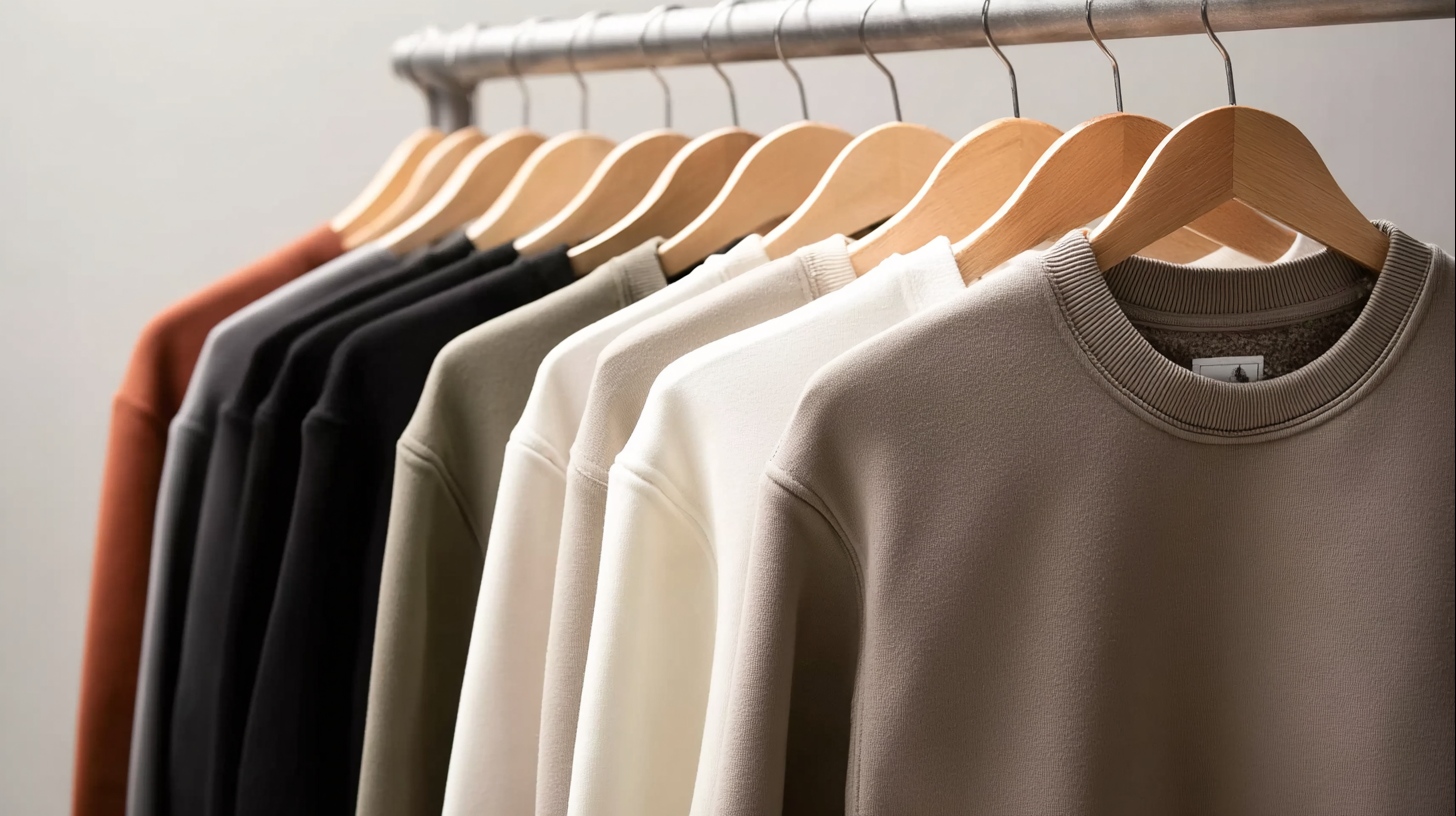
Growing fashion brands need to balance product quality, customer expectations, and production costs. High-quality fabrics such as NBJM’s fleece and French terry can improve comfort, durability, and the overall feel of a garment, while cheaper materials may reduce initial costs but affect perceived value.
For growing brands, the key is to invest in quality where customers notice it most:
- Buy in volume: Larger orders can help reduce the unit cost.
- Use fabrics strategically: Prioritize premium materials for key customer-facing products.
- Simplify designs: Fewer colors and details can reduce production complexity.
- Plan production carefully: Early material and order planning helps control costs.
The right balance allows brands to maintain a premium product experience without putting unnecessary pressure on cash flow.
Quality also affects long-term growth. Durable fabrics can reduce returns and replacements, while consistent materials help brands maintain a reliable product standard. NBJM’s wholesale fleece and French terry solutions give growing brands access to customizable materials and manufacturing support, helping them build products that balance quality, cost, and scalability.
The 7 Critical Differences Between Custom and Standard Apparel
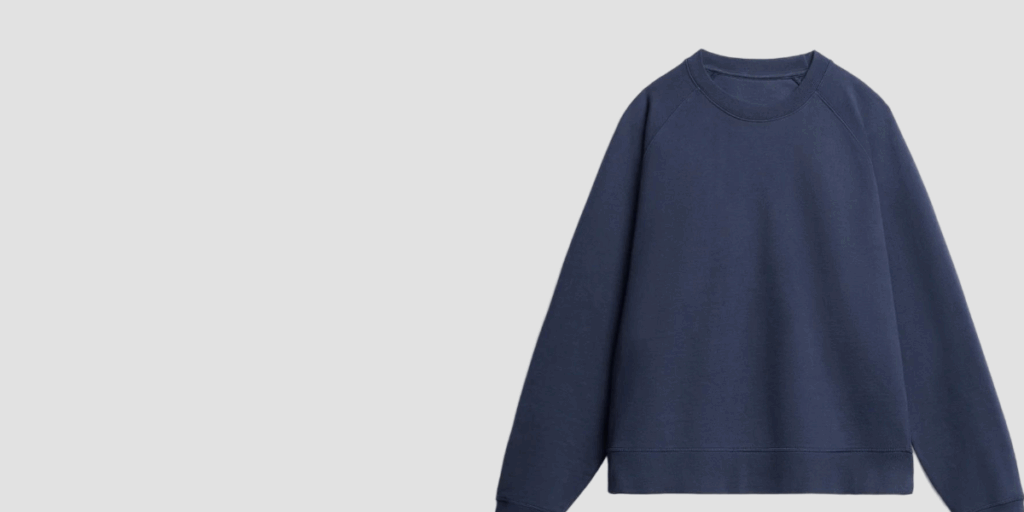
Standard apparel has basic designs and few choices. Custom apparel lets growing brands control more of the product. These 7 Critical Differences can turn basic products into clothing that better reflects a brand’s market position.
1. Design Control and Aesthetic Freedom for Growing Apparel Brands
Design control means your brand leads the creative choices. A standard catalog only lets you pick from existing styles. A custom apparel supplier like NBJM allows you to shape silhouettes, pick placements, and guide visual details. This freedom makes clothing a stronger part of your brand identity.
Custom design also allows brands to combine different decoration methods, trims, colors, and garment details. A consistent visual language across a collection can make products easier for customers to recognize and distinguish from competitors.
2. Fabric Selection and Quality Control for Custom Apparel
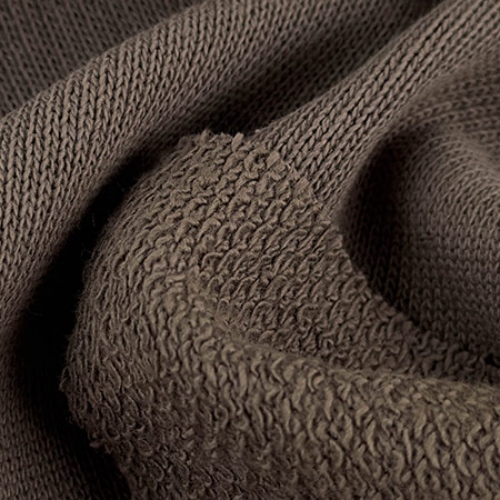
Fabric choice affects how a garment feels, looks, and performs. Standard apparel offers limited material options, while custom manufacturing allows brands to select fabrics based on their product requirements. NBJM specializes in fleece and French terry, with options for different weights, compositions, and finishes.
Quality control is equally important. Fabric inspection and production checks help identify issues such as color variation, dimensional changes, stitching problems, and finishing defects before products reach customers. Consistent specifications give brands greater control over their finished apparel.
3. Custom Sizing and Fit for Distinctive Apparel Products
Standard apparel usually follows preset size charts, which may not match every brand’s target customer. Custom apparel gives brands greater control over measurements, proportions, and garment fit.
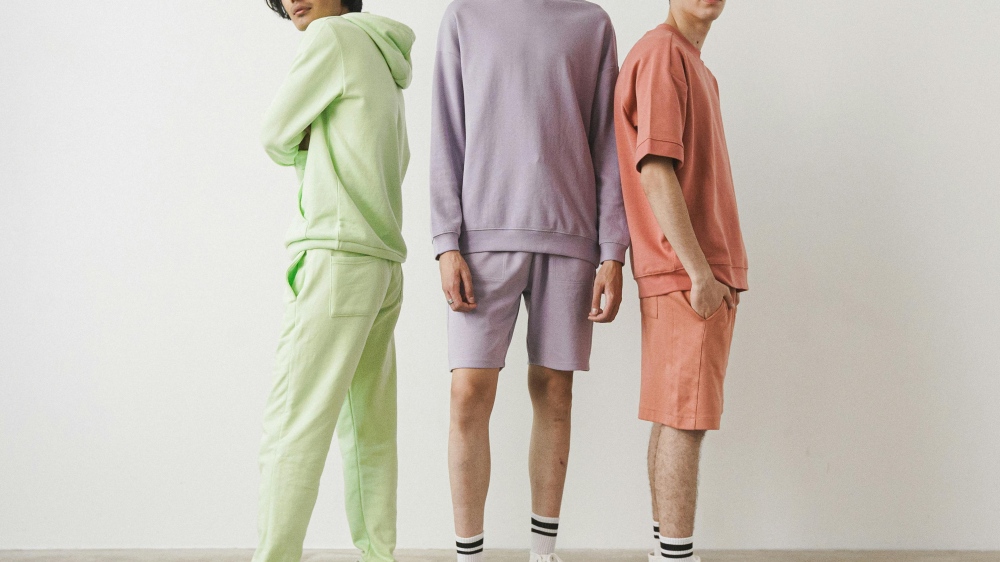
Brands can adjust details such as body length, sleeve length, shoulder width, waistband dimensions, and overall silhouette. This is especially useful for oversized hoodies, fitted sweatshirts, relaxed joggers, and other styles where proportions strongly affect the final appearance.
A well-defined fit can also become part of a brand’s identity. Instead of adapting a standard garment to the market, brands can develop sizing that matches their intended customer and design direction.
4. Custom Apparel Costs and Long-Term Profit Margins
Custom apparel may require more development work than standard products, but cost should be evaluated beyond the initial unit price. Fabric choice, garment complexity, order quantity, decoration, and packaging all influence the final cost.
Standard apparel may have a lower starting cost because the design and production specifications already exist. Custom products, however, give brands more control over where they spend. A brand can choose a simpler construction to control costs or invest more in fabric and finishing where those features support a higher selling price.
The goal is to build a product where material cost, manufacturing cost, retail price, and expected sales volume work together to support healthy margins.
5. MOQ, Inventory and Production Planning for Growing Brands
Minimum order quantity is another major difference between custom and standard apparel. Standard products can often be purchased from existing stock, while custom manufacturing requires production planning around a specific order quantity.
For growing brands, MOQ affects cash flow and inventory risk. A lower production commitment makes it easier to test a new style, while larger quantities can support better production economics when demand is proven.
NBJM’s MOQ starts at 800 units per style, giving brands a defined starting point for custom fleece and French terry apparel production. This allows businesses to plan quantities around collection size, expected demand, and available inventory capacity.
6. Production Timelines and Supply Chain Control for Brands
Custom apparel requires more coordination because materials, specifications, and production requirements are developed for a particular brand. This makes production planning important from the beginning.
Brands need clear communication between design teams, material suppliers, manufacturers, quality teams, and logistics providers. Delays in one stage can affect the following stages, especially when fabric sourcing or production capacity is limited.
NBJM coordinates with its partner factory network and supports brands through production and shipping. Its team manages factory communication and project updates, helping brands maintain better visibility as custom apparel moves toward bulk manufacturing.
7. Brand Equity and Differentiation Through Custom Apparel
The final difference is the long-term value created by a distinctive product. Standard apparel can help brands fill a product category, but custom apparel gives them more opportunities to develop recognizable details that competitors cannot easily replicate.
A unique fabric combination, signature fit, custom decoration, or consistent garment detail can become part of a brand’s visual identity. Over time, these product elements help create recognition and give customers a clearer reason to choose one brand over another.
For growing apparel brands, custom manufacturing is therefore more than a production method. It provides greater control over the product itself, allowing design, materials, fit, pricing, and brand identity to work together as one strategy.
Our Custom Apparel Solutions for Growing Fashion Brands

NBJM is a full-service custom apparel manufacturer working with numerous brands across multiple countries. Each garment goes through design sharing, mockup creation, sample approval, and mass production. This process gives growing brands one partner from start to finish.
Flexible Fabric and Design Options for Custom Apparel Development
NBJM’s made-to-order model allows brands to develop garments around specific product requirements instead of selecting from fixed styles. Brands can customize fabric composition, weight, color, garment construction, and design details according to their target market.
Eco-friendly fabric choices can also be incorporated into product development where required. This flexibility is useful for growing brands that want to test different styles without committing to a large range of standard products.
NBJM’s design team can help turn initial concepts into production-ready specifications. Combined with its network of partner factories, this gives brands access to different manufacturing capabilities while keeping their custom apparel development organized through one supplier.
Custom Printing, Embroidery, Trims and Finishing for Brand Identity
Custom decoration helps turn a basic garment into a recognizable brand product. Depending on the design, brands can use printing, embroidery, patches, labels, and other trims to place logos or visual elements where they have the greatest impact.
The choice of decoration should match the fabric and garment construction. For example, embroidery may work well for structured branding, while printing can provide a cleaner surface design. Trims and label details can add another layer of visual identity without changing the main garment silhouette.
NBJM supports different decoration and finishing options as part of its custom apparel services. This allows brands to coordinate branding details with fabric, garment design, and production requirements rather than treating them as separate steps.
Private Label, Packaging and Production Support From Sample to Bulk
Private label apparel requires more than a finished garment. Brands may also need custom labels, hangtags, packaging, and other elements that prepare products for retail or wholesale distribution.
NBJM supports these requirements alongside apparel development and production. Brands can confirm product specifications, review samples, finalize labeling and packaging, and then move into bulk manufacturing through one coordinated process.
This end-to-end support reduces the number of suppliers a growing brand needs to manage. NBJM also coordinates factory communication, quality requirements, and shipping arrangements, helping connect custom apparel development with bulk production and delivery.
FAQs About Custom Apparel for Growing Fashion Brands
What Is the Difference Between Custom and Blank Apparel?
Custom apparel is developed around a brand’s specific design, fabric, fit, decoration, and branding requirements. Blank apparel uses pre-made styles that brands can decorate or resell with limited changes. NBJM provides 100% customizable fleece and French terry apparel, including fabric, process, decoration, and packaging options.
Is Custom Apparel More Expensive Than Using Blank Garments?
Custom apparel can have higher development costs because it involves design, sampling, materials, and production setup. However, brands have greater control over fabric, construction, decoration, and order quantities. The final cost depends on garment complexity, materials, customization, and production volume.
What Fabrics Can Brands Choose for Custom Apparel Production?
Brands can choose different fleece and French terry specifications based on garment requirements. Options can include fabric weight, composition, color, structure, and finishing. NBJM specializes in custom fleece and French terry apparel and offers fabric choices for different garment applications.
What MOQ Should Growing Brands Expect for Custom Apparel?
MOQ depends on the manufacturer, garment type, and production requirements. NBJM’s custom apparel MOQ starts at 800 units, allowing growing brands to produce customized collections without committing to extremely large quantities.
How Long Does Custom Apparel Production Typically Take?
The timeline depends on design complexity, materials, sampling, and order requirements. NBJM generally completes a garment fit sample within 7–14 days. After all approvals are confirmed, bulk production and shipping can be completed within 30 business days.