Custom apparel used to mean just one thing: a logo on a plain shirt. That time is over. By 2026, buyers want clothes made for their own body, style, and beliefs. Personalization has moved from a small project to a major way to grow, and the numbers back this up. Brands that treat each order as a made-just-for-you experience get more repeat buyers and higher spending per order. Three things push this change. People keep wanting more. Making technology keeps getting better. The value of customization shows itself in real money, not just ideas. For marketers and business leaders, the question is no longer if they should customize, but how fast they can grow it.
Key Takeaways
- Personalization is a big plan for clothing brands in 2026. It brings in more repeat buyers and more spending.
- People want experiences made just for them. 71% expect brands to treat them personally, but only 34% of companies always do.
- Custom apparel lets brands control how their products look. They can pick fabrics, fits, and decorations to stand out.
- Sustainable practices matter. Making items only when ordered cuts down on waste and helps the planet.
- Brands need to plan well. Think about fabric, fit, decoration, and production timelines to do well with custom apparel.
Why Custom Apparel Is Becoming a Key Strategy for Brands in 2026

Custom apparel gives clothing brands more control over what they sell and how their collections are presented. Instead of relying only on standard wholesale styles, brands can develop garments around their target customers, preferred fits, fabrics, colors, and branding. For growing apparel companies, this approach can support stronger product differentiation while allowing collections to evolve with market demand.
How Personalization Helps Apparel Brands Differentiate Their Collections
Customization lets brands stand out in a crowded market. Differentiation happens in the mind of shoppers. Research across nine European markets found that only one in four retailers stands out. Kantar BrandZ data shows a strong link (coefficient of 0.79) between perceived differentiation and pricing power. Vineyard Vines, an apparel brand, is a good example. The company uses strong analytics to understand customer behavior and sends one-to-one messages based on product interactions. This builds loyalty and expectations of personalized treatment. This targeted approach increases customer satisfaction and drives repeat business. By creating unique experiences, brands can satisfy what shoppers crave. Effective differentiation strategies include niche targeting, seamless customization, speed, quality control, and storytelling. These strategies help brands use the gap between expectations and delivery. Only 34% of companies always personalize, leaving plenty of room for brands that invest in customization.
Why Custom Apparel Gives Brands More Control Over Product Identity
Custom apparel gives brands full control over product identity. Unlike off-the-shelf products, custom garments let brands pick fabric materials (organic cotton, recycled polyester), choose process options (embroidery, DTF printing), and decide decoration styles (embroidered logos, white toner designs). This control extends to fit, with tailored silhouettes that reflect the brand’s aesthetic. Data-driven deep customization uses biometric information to create garments that fit perfectly, reducing returns and reinforcing brand quality. This level of control stops copycat designs and builds a unique brand code that customers recognize. The following table shows how data trends mix sustainability and customization:
| Data-Driven Trend | Impact on Personalization | Impact on Sustainability |
|---|---|---|
| Custom-Fit via Biometric Data | Creates custom-fit apparel tailored to individual body shapes and performance needs | Reduces returns and waste from ill-fitting garments |
| Sustainability via Predictive Analytics | Enables personalized production at scale without overproduction | Minimizes fabric waste, optimizes inventory, recommends eco-friendly materials |
| AI-Integrated Design Systems | Delivers bespoke experiences while maintaining eco-conscious options | Promotes greener choices throughout supply chain without compromising style |
This table shows that customization and sustainability support each other. Predictive analytics helps brands predict demand, produce only what is needed, and suggest sustainable materials. By mixing customization with sustainability, brands create a product identity that is both unique and responsible. This full control cannot be matched by mass-market players. It also builds customer loyalty, as buyers feel a deeper connection to a brand that invests in understanding their needs. By offering such control, brands can adapt quickly to market trends without sacrificing quality.
Which Custom Apparel Options Are Brands Using in 2026?

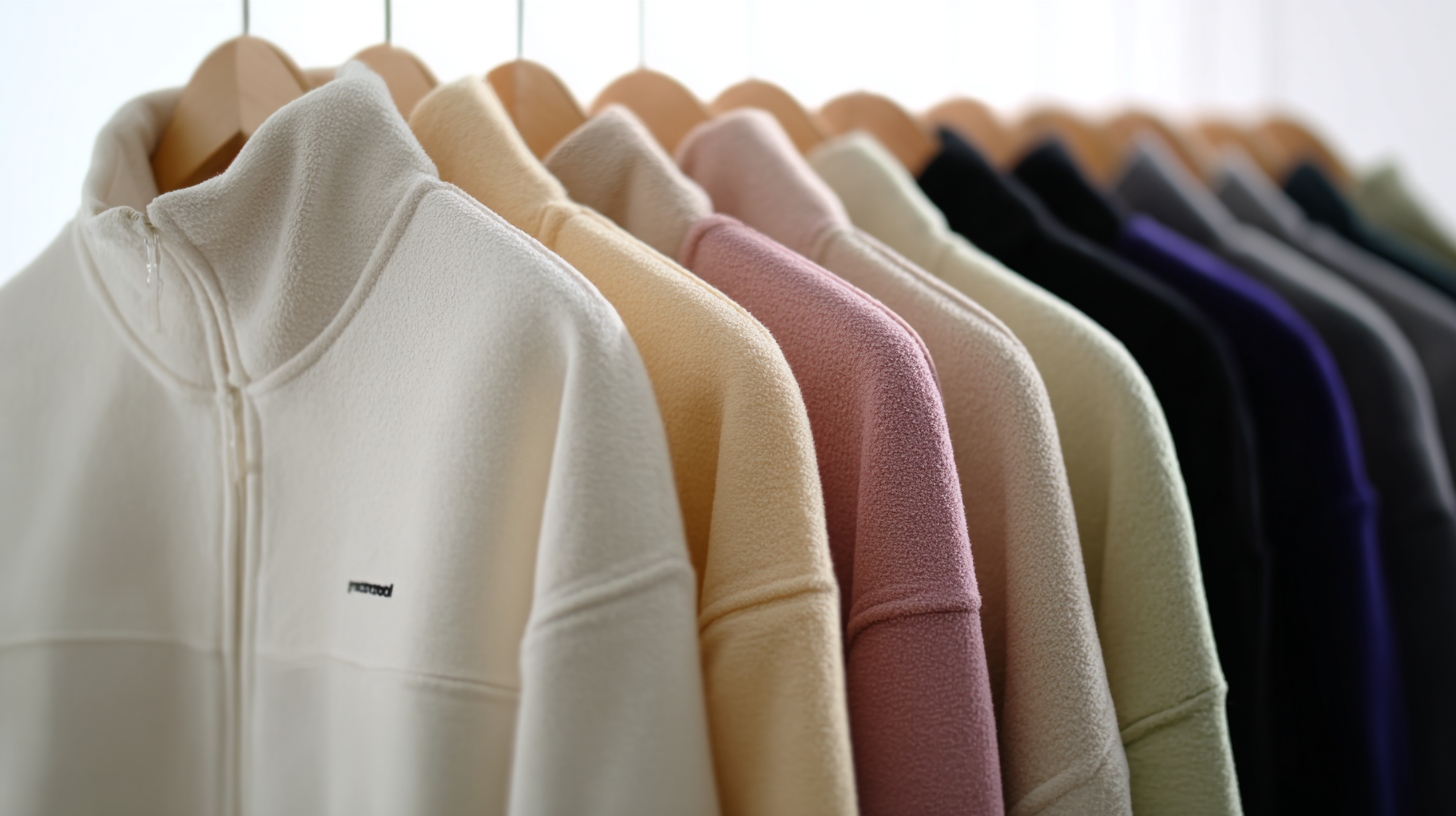
Brands are using custom apparel options to create more distinctive products without changing the core garment category. Common areas of customization include fit, silhouette, fabric, decoration, labels, trims, and packaging. For fleece and French terry collections, these details can turn a basic hoodie, sweatshirt, or pullover into a recognizable brand product.
How Custom Fits and Silhouettes Create Distinctive Apparel Collections
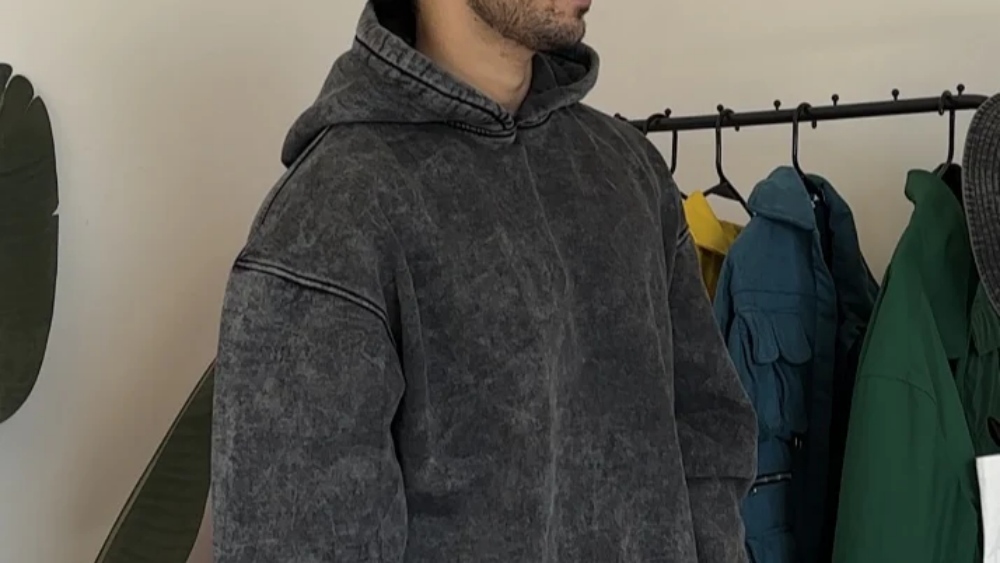
Custom fits and silhouettes shape how an apparel collection looks and feels when worn. Brands can develop oversized, relaxed, cropped, boxy, regular, or other silhouettes by adjusting measurements, proportions, sleeve shapes, hems, hoods, and pocket placement. These details help create a consistent fit language across a collection. NBJM supports 100% customizable designs, allowing brands to develop fleece and French terry garments around their preferred patterns and fit requirements.
How Printing and Embroidery Support Different Brand Design Strategies
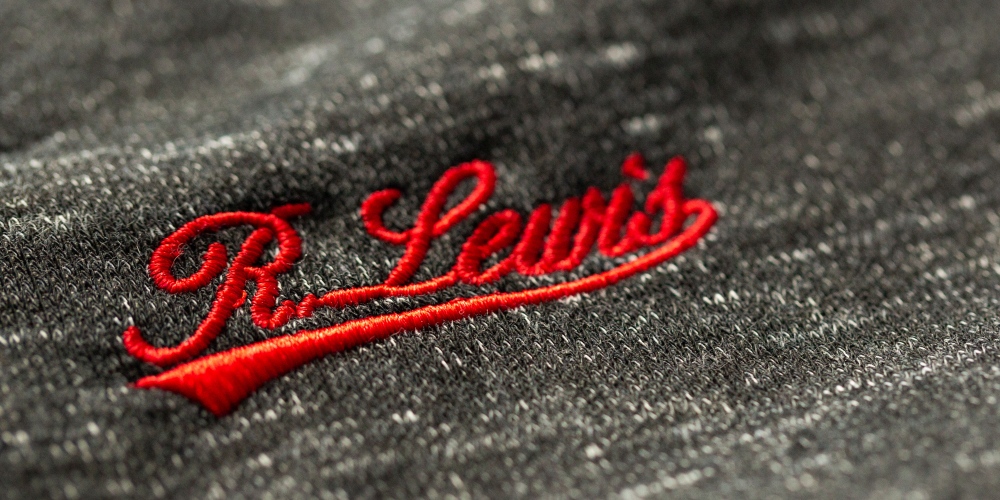
Printing and embroidery allow brands to adapt decoration to different product concepts. Screen printing works well for graphics and larger artwork, while digital printing can reproduce more detailed designs. Embroidery adds texture and dimension to logos, names, and decorative elements, with options such as flat and 3D embroidery. Brands can select the technique according to artwork, fabric, placement, and desired appearance. NBJM provides multiple printing and embroidery options for custom apparel.
How Custom Labels, Trims, and Details Strengthen Brand Identity
Small garment details can make a collection feel more consistent and recognizable. Custom woven labels, neck labels, care labels, hang tags, drawcords, cuffs, zippers, buttons, and other trims can be matched to the brand’s colors and design language. Packaging can also carry the same identity through branded bags, tags, and cartons. NBJM supports custom labels, accessories, and packaging as part of its made-to-order apparel service, helping brands coordinate product details from the garment to final presentation.
How Can Brands Build More Sustainable Custom Apparel Programs?
A more sustainable custom apparel program starts with controlling production volume, choosing appropriate order sizes, and selecting suitable fabrics. Brands can use made-to-order production, smaller collections, and lower-impact material options to build collections that better match actual demand while maintaining product quality.
How Made-to-Order Production Can Help Reduce Excess Apparel Inventory
Made-to-order production allows brands to manufacture apparel according to confirmed demand instead of producing large quantities in advance. This approach can reduce excess stock and give brands more flexibility when introducing new designs or seasonal products. For custom fleece pullovers and other fleece apparel, brands can confirm the design, fit, fabric, and decoration before moving into bulk production. NBJM supports made-to-order apparel production, allowing brands to develop products around specific collection requirements.
How Smaller Custom Collections Can Support More Responsible Production
Smaller collections give brands an opportunity to test new designs before expanding successful styles into larger production programs. Instead of committing inventory across many untested designs, brands can focus production on selected fits, colors, and styles that match their collection strategy. This approach can also simplify sourcing and reduce unnecessary product variations. NBJM supports custom apparel development from design and sampling through bulk production, helping brands refine collections before scaling production.
How Sustainable Fabrics Can Strengthen Custom Apparel Programs
Material selection is another important part of a sustainable custom apparel strategy. Brands can consider fabrics such as organic cotton and recycled fibers when these materials fit the product’s performance, cost, and positioning requirements. For fleece and French terry apparel, fabric composition, weight, durability, and finishing should be evaluated together rather than choosing a material based only on its sustainability label. NBJM offers different fleece and French terry fabric options, giving brands flexibility when developing custom apparel collections.
What Should Brands Think About When Getting Custom Apparel?
Getting custom apparel means more than just choosing a design. Brands have to balance quality, cost, and how much can be made. Bad planning causes too much stock, slow shipping, or products that are not the same each time. Smart sourcing begins with clear details and trusted manufacturing partners.
How Fabric, GSM, Fit, and Decoration Change Apparel Quality
The type of fabric affects comfort, looks, and how well a logo sticks. A safe starting GSM for T-shirts is 180–220 GSM, which balances comfort, cost, and printability. For a premium streetwear feel, pick 220–260 GSM. Yarn type and knit density often matter more than GSM by itself. Pre-shrunk cotton or blends cut shrinkage and help keep the fit over time.
Fit depends on the base block, target market, and grading logic. Brands must set key measurements like chest, length, and shoulder early. Decoration choices have to match the fabric. Embroidery adds bulk on light fabrics. Screen printing works well on cotton and blends. DTG printing needs smooth, cotton-rich surfaces for photo-quality results. Picking materials that work together keeps custom designs sharp and bright.
How MOQ, Lead Time, and Capacity Affect Production Planning
Too many SKUs is a real risk. Too many personalized variants eat into margins and add storage costs. Brands should use data-driven demand forecasting and tiered customization options. Regular audits help spot slow-moving items. Sorting by demand and seasonality puts resources where they work best.
NBJM’s minimum order quantity of 800 units and 30+ partner factories show how flexible production keeps unit costs workable. The table below outlines typical manufacturing timelines.
| Manufacturing Stage | Typical Time |
|---|---|
| Design & Concept | 1–3 weeks |
| Fabric Sourcing & Approval | 1–2 weeks |
| Sampling & Fit Approval | 2–4 weeks |
| Bulk Production | 4–8 weeks |
| QC & Packing | 1–2 weeks |
| Shipping & Delivery | 1–5 weeks |
NBJM’s 7–14 day sampling process and 24/7 team support with an 8-hour email reply guarantee show how brands can protect quality while scaling personalization.
Why Sampling and Quality Control Matter Before Bulk Production
Sampling gives brands an opportunity to verify the product before committing to bulk production. The approved sample should confirm measurements, fabric, construction, decoration, labels, and other key specifications. During bulk production, quality control should monitor these requirements to maintain consistency between the approved sample and finished garments. NBJM supports sample development before bulk production and coordinates quality control across its production network, helping brands reduce avoidable production issues.
Our Custom Apparel Manufacturing Solutions for Clothing Brands
NBJM provides custom apparel manufacturing solutions for clothing brands developing fleece and French terry collections. Its product range includes hoodies, sweatshirts, pullovers, jackets, joggers, tracksuits, sweatpants, and shorts. With more than 20 years of apparel experience, NBJM works with over 100 brands across 30 countries and coordinates production through more than 30 partner factories.
Custom Fleece and French Terry Apparel for Brand Collections
NBJM specializes in fleece and French terry apparel for different collection needs. Brands can develop lightweight French terry styles for transitional and year-round collections or choose fleece for warmer fall and winter garments. Fabric weight, composition, construction, and finishing can be adapted to the intended product and market. This allows brands to build coordinated collections across hoodies, sweatshirts, pullovers, joggers, and other apparel categories.
Made-to-Order Apparel With Custom Fits, Designs, and Branding
NBJM offers 100% customizable designs, allowing brands to define garment fits, patterns, fabrics, colors, decoration, labels, and packaging. Custom printing and embroidery can be added to support different branding requirements, while pattern development helps create distinctive silhouettes. This made-to-order approach gives clothing brands greater control over how individual products fit within their overall collection identity.
Sample Development and Bulk Production for Apparel Brands
NBJM supports apparel projects from initial design and sample development through bulk production. Brands can review fit, materials, construction, and decoration during the sampling stage before approving production. Once specifications are confirmed, NBJM coordinates bulk manufacturing through its production network and manages quality checks before shipment. Its manufacturing capacity allows brands to develop initial collections and continue with larger production programs as their product ranges expand.
FAQs About Custom Apparel Manufacturing and Personalization
What Is the Minimum Order for Custom Apparel Manufacturing?
The minimum order quantity depends on the manufacturer, product type, fabric, and customization requirements. NBJM lists an MOQ of 800 units for its custom apparel programs. Brands should confirm whether the MOQ applies by style, color, or other production requirements before placing an order.
Is Custom Apparel More Expensive Than Standard Blank Apparel?
Custom apparel can have a higher upfront cost than standard blank apparel because it may include pattern development, fabric selection, custom colors, printing, embroidery, labels, and other development work. However, the final cost depends on order volume, materials, construction, decoration, and packaging. Brands should compare the complete production cost rather than only the garment unit price.
Can Brands Offer Names and Numbers on Custom Apparel?
Yes. Names and numbers can be added through suitable printing or embroidery methods, depending on the garment, artwork, placement, and desired finish. This type of personalization is useful for teamwear, events, uniforms, promotional collections, and limited-edition products. Brands should confirm the decoration method and artwork specifications with the custom apparel manufacturer before production.
How Long Does Custom Apparel Manufacturing Usually Take?
Custom apparel lead times vary according to product complexity, material availability, sampling, order volume, and approval speed. NBJM states that sample development can take around 7–14 days, while approved bulk orders can be completed within 30 business days. Brands should also allow additional time for sample revisions, final approvals, packing, and shipping when planning a collection launch.