You found a cheap hoodie supplier. The price looks great. But will the fabric last after three washes? Will the stitching come apart? A bad supplier can hurt your brand’s reputation and lose you customers. The wrong custom apparel Manufacturer can turn a promising product launch into a costly mistake. You need a repeatable system to protect your investment. This system covers three critical areas: defining your exact needs, checking manufacturers thoroughly, and testing samples before bulk production. Without this approach, you risk wasting money on inventory that fails. With it, you build a reliable supply chain. Start with a clear plan.
Key Takeaways
- Pick fleece if you want warmth, or French terry if you want breathability, based on your market.
- Full custom production gives you more control over your brand; standard blanks work well for simple logos.
- Always check samples for fit, fabric consistency, and seam strength before you place bulk orders.
- Make small changes like pockets, zippers, and labels to show your brand identity.
- Check the minimum order quantity, lead times, and quality inspection standards. This helps you avoid costly surprises.
Why Choosing the Right Custom Apparel Manufacturer Matters
The cloth in your hoodie shapes your product. It controls warmth, weight, and if customers are happy. Two main fabrics are used for custom hoodies: fleece and French terry. Each one has a different job.
French terry is medium to heavy in weight. It gives moderate warmth but lets air flow. That makes it great for three seasons of the year. The fabric holds its shape and lasts a long time. Classic hoodies and sweatshirts keep their form because of French terry.
Fleece can be light or heavy based on how it’s made. Brushed fibers hold in heat well. That makes fleece very warm for cold weather. The fabric feels extremely soft. Cozy winter hoodies often use fleece for comfort and warmth.
A good Custom apparel Manufacturer knows these differences. NBJM is a trusted supplier with over 20 years of experience. They make both fleece and French terry. Their know-how helps brands pick the right fabric for their customers.
Minimum order quantity (MOQ) also affects your budget. MOQ is the smallest number of items a manufacturer will make in one order. Learning this number early stops expensive surprises.
Our MOQ changes based on the fabric type and how much you customize. We help both small brands starting their first line and big brands with large orders.
Custom fleece hoodies start at 100 pieces per color and design. You can mix sizes freely without extra charges. Sherpa-lined fleece hoodies also start at 100 pieces. These numbers let you figure out your cost before placing a wholesale order.
Start by choosing your fabric. Then find a manufacturer whose MOQ fits your budget. This method cuts waste. You don’t order wrong fabric for your market. You also don’t agree to amounts you can’t sell. Build your hoodie line with smart fabric choices and realistic MOQ planning. That foundation protects your brand from the start.
Choose the Right Manufacturing Model for Your Custom Hoodies
Compare Full Custom Production With Standard Hoodie Options
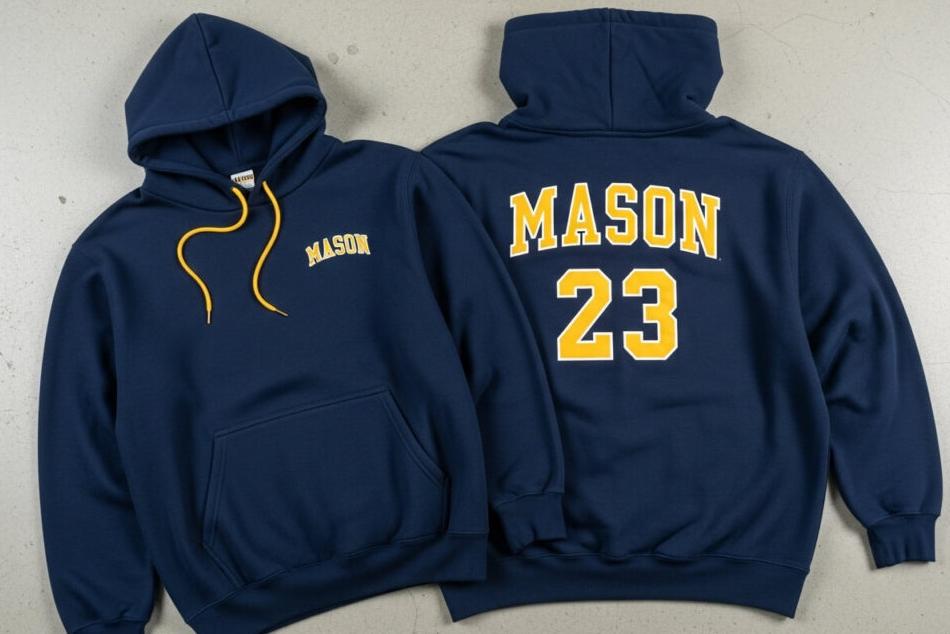
Brands can choose between full custom production and standard blank hoodies. Full custom production gives you control over fabric, fit, color, labels, decoration, and finishing details. Standard blanks use pre-made styles with fewer customization options.
For brands building a distinctive product line, full custom production offers greater control over brand identity and product specifications. A reliable Custom apparel Manufacturer like NBJM supports fabric sourcing, labeling, printing, and cut-and-sew production.
Consider MOQ, Lead Times, and Production Capacity Before Ordering
MOQ affects your budget and inventory risk. Confirm the required quantity for each design and color before placing an order. NBJM’s MOQ varies by product and customization, with certain custom fleece hoodies available from 100 pieces per color and design.
Also compare sample and bulk lead times, production capacity, and available services. NBJM provides samples within 7–14 days and supports bulk production for brands in different markets.
A clear tech pack, fast sample approval, and early production planning can help reduce delays and keep your custom hoodie project on schedule.
Evaluate Fleece and French Terry for Custom Hoodie Quality
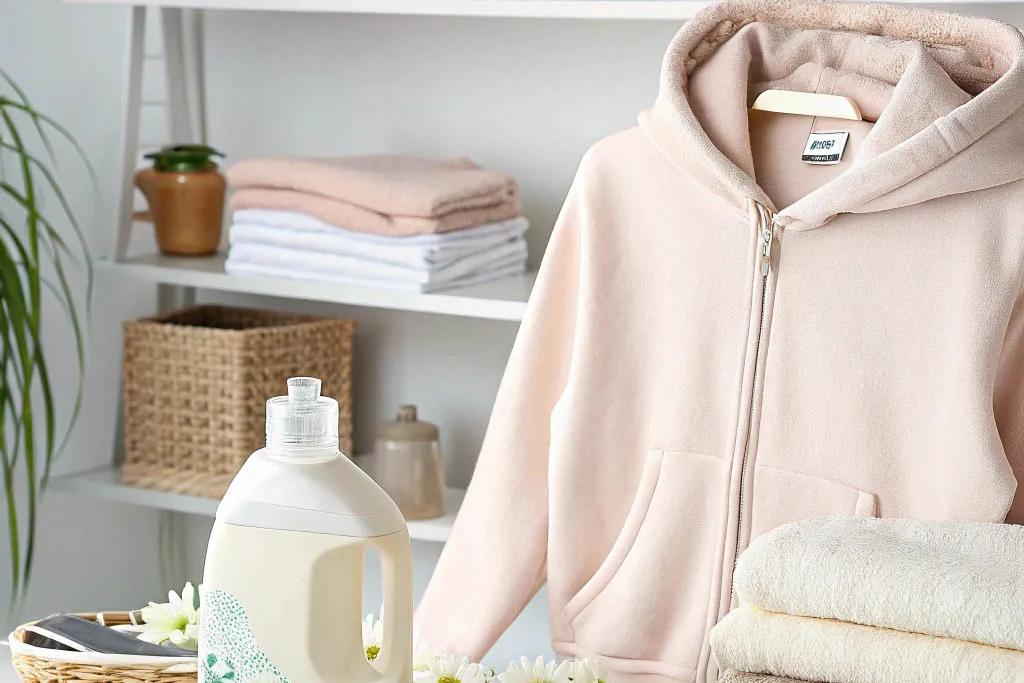
The fabric you pick decides how your hoodie works. Weight, breathability, and durability all come from the material. Knowing these differences helps you talk to your manufacturer with confidence.
Choose Fleece for Warmth, Structure, and Brushed Hoodie Designs
Fleece is a go-to choice for cold-weather collections. The brushing process pulls surface fibers up into a soft nap. This step makes tiny air pockets that trap body heat. The result is a high warmth-to-weight ratio. Brushing is what gives fleece its soft feel and insulating power.
Weight ranges change based on what you need. Standard fleece for winter hoodies is around 350 GSM. Polar fleece for below-freezing conditions usually falls between 300–450 GSM. Premium fleece for luxury loungewear reaches 380–450 GSM. A wholesale custom hoodie program for winter markets should specify at least 320 GSM for warmth-critical garments.
Fleece holds up through repeated washes, though it may pill a little with wear. The brushed surface creates a denser structure that limits airflow. This makes fleece warmer indoors compared to French terry.
Choose French Terry for Lightweight and Versatile Hoodie Styles
French terry suits year-round and activewear lines. Its looped construction provides breathability and moisture absorption, helping keep hoodies comfortable during activity.
French terry typically ranges from 220–380 GSM. Lighter weights suit spring and summer, while heavier options work for year-round or cooler-weather styles.
Loopback French terry keeps the unbrushed loops for a textured, structured feel. When reviewing samples, check loop consistency, fabric recovery, and stitching at key stress points.
NBJM provides samples within 7–14 days, allowing brands to evaluate the fabric and construction before bulk production. For bulk orders, MOQ, GSM, customization, and decoration requirements should be confirmed in the tech pack.
Compare GSM, Fabric Construction, Hand Feel, and Shrinkage
GSM alone does not determine hoodie quality. Compare it with fabric construction, fiber composition, and finishing to ensure the material matches the intended fit and use.
Hand feel can reveal differences that specifications may miss. Check fleece for an even brushed surface and French terry for consistent loops and stretch recovery.
Shrinkage should be tested before bulk production, especially for garment length, sleeve length, and rib areas. Approve a washed sample before finalizing measurements. NBJM supports fabric selection, sampling, and quality control to help maintain consistency from development to bulk production.
What to Check When Evaluating Custom Hoodie Quality
Check Hoodie Fit, Measurements, Stitching, and Construction Details
A tech pack turns your fit idea into numbers a factory can repeat. It lists exact measurements, color standards like Pantone codes, and decoration specs. A reliable Custom apparel Manufacturer works from this document without guessing. NBJM offers 100% customizable design and 24/7 support, which shows how clear communication should work.
Start with the pit-to-pit measurement. Lay the hoodie flat and measure straight across from one armhole seam to the other. This number, doubled, gives the approximate chest circumference. A pit-to-pit of 22 inches fits a body chest of roughly 42–45 inches in regular fit. Check that the chest point sits exactly 1 inch below the armhole. Inspectors who stretch fabric or measure at random heights get different numbers every time.
Pullover and full-zip hoodies share the same body measurements at the same size label. The difference is decoration space. Pullovers carry full-front prints. Full-zip styles limit decoration to the left chest, sleeve, and back panel.
| Size | Length (inches) | Width (inches) |
|---|---|---|
| S | 26 3/4″ | 53 1/2″ |
| M | 27 1/2″ | 55″ |
| L | 28 1/4″ | 56 1/2″ |
| XL | 29″ | 58″ |
Evaluate Fabric Consistency, Color, Hand Feel, and Overall Finish
Color approval must happen on the actual fabric, not a digital mockup. Use Pantone Textile (TCX/TPG) codes for fabric dyeing and woven labels. Pantone Coated (C) suits hangtags and packaging. A Delta E under 2.0 is generally considered commercially acceptable for hoodie production. Check lab dips under D65 daylight and TL84 store lighting to catch metamerism.
Fabric weight changes everything. A 400 GSM French Terry drapes differently than a 300 GSM fleece. Never mix them in one production run. Feel the nap on fleece samples. It should be even across the surface. On French terry, loops should not pull out under light tension.
Place a small trial order before committing to large runs. This validates the manufacturer’s consistency. Compare the trial against your approved reference garment. If two re-measures do not match, hold the release and check the unit against the paper pattern.
Test Samples Before Approving Custom Hoodie Bulk Production
Always test a production sample before approving bulk production. Check the hoodie after washing and drying to see whether the fit, fabric appearance, and overall shape remain consistent with the approved sample.
For custom hoodies, also review the sample against the final tech pack. Confirm the approved fabric, measurements, construction, and decoration are correctly reflected before releasing the bulk order.
If the sample meets your requirements, keep it as the approved reference sample for production and quality control. This gives your clothing brand and manufacturer a clear standard to follow throughout the bulk order.
Choose Custom Hoodie Details That Match Your Brand Requirements
Customize Colors, Labels, Trims, Cuffs, Hoods, and Other Details
Small details shape how customers see your brand. Pocket style sends a clear message. Zip pockets show security for active-lifestyle brands. Kangaroo pockets add a relaxed feel for comfort-focused lines. Arm pockets signal utility for performance wear. Velcro closures offer easy adjustability. No pockets create a modern, simple look.
Zipper pulls and drawcords reinforce your brand identity in a subtle way. Standard pulls keep a clean look. Custom-shaped or engraved zipper pulls leave a lasting impression. Flat drawstrings give a sleek style. Round drawstrings offer traditional comfort. Braided cords add class and texture. String caps like metal aglets or branded toggles add to the overall look and grip.
Hoodie style must match your brand image. Choose between full or partial zippers, adjustable drawstring hoods, or fixed hoods. Fabric should fit your climate — cotton for comfort, polyester blends for durability. Make sure design elements match your marketing materials. Consistency in fonts, colors, and logo placement creates a smooth customer experience.
NBJM is a trusted wholesale supplier with over 20 years in custom apparel manufacturing. You control colors, labels, trims, cuffs, and hoods from the start. The design team helps with pattern creation and garment development from beginning to end.
Select Printing and Embroidery Methods for Your Hoodie Designs
The decoration method decides how long your brand design lasts on the garment. Embroidery stitches the design right into fabric. Thread cannot crack, peel, or fade. It looks the same after 200 washes as it did on day one. This makes embroidery perfect for logos and text that represent your brand. Screen printing puts ink on the fabric surface. Prints may show wear over time. Cracking can happen in high-wear areas with heavy use.
| Durability Factor | Embroidery | Screen Printing |
|---|---|---|
| Wash durability | Lasts through 200 washes | Good, but may show wear |
| Cracking / peeling | Not possible — stitched into fabric | May happen in flex areas |
| Fading | No fading — thread color is built-in | Moderate fade resistance |
| Overall longevity | Cannot crack, peel, or fade | Will eventually show wear |
Embroidery works best for hoodies meant to last years. Screen printing works for casual designs that change faster. A well-printed hoodie holds its graphic through many wash cycles when ink is cured properly. The difference shows up over the long run on heavy-use items.
NBJM offers both decoration methods as part of its full-service production for wholesale orders. The support team helps you pick the best option based on your fabric type, design complexity, and budget.
What Should You Ask a Custom Apparel Manufacturer Before Ordering?
Confirm MOQ, Sample Development, Production Lead Times, and Capacity
Before ordering, confirm the MOQ, sample timeline, bulk production lead time, and monthly capacity. Ask whether cutting, sewing, printing, and embroidery are handled in-house or outsourced. This helps you evaluate production control and plan your launch schedule.
For custom hoodies, sample revisions and special fabrics can extend the timeline. Confirm the expected number of sample rounds and reserve production capacity early for larger orders.
Ask How Fabric, Construction, and Finished Hoodie Quality Are Checked
Ask how the manufacturer checks fabric weight, color, shrinkage, stitching, and decoration before and during production. Request a final pre-production sample and confirm how finished hoodies are inspected before shipment.
You can also ask whether the factory provides third-party inspection or compliance documentation when required. Clear quality procedures help reduce defects and keep bulk production consistent.
Our Fleece and French Terry Manufacturing Solutions for Brands
Made-to-Order Hoodies Built Around Your Brand Specifications
Made-to-order production allows brands to control fabric, fit, color, decoration, and finishing. You can select fleece or French terry, define garment measurements, and customize details such as sleeve prints, hood graphics, labels, and other branding elements.
A clear tech pack helps the manufacturer follow your specifications accurately. NBJM supports 100% customizable design, helping brands turn product concepts into production-ready hoodies.
Fleece and French Terry Production for Different Hoodie Styles
Fleece and French terry can be developed for different hoodie requirements. Brushed fleece is suitable for warmer, structured styles, while French terry works well for lightweight and versatile designs.
NBJM produces both fleece and French terry apparel for wholesale orders and has served more than 100 brands across 30+ countries. Bulk production and shipping typically take about 30 business days.
Supporting Sampling, Production, and Quality Control From One Source
NBJM supports the process from fabric selection and sampling to bulk production and quality control. Samples allow brands to confirm fit, fabric, construction, and finishing before production begins.
Once the sample is approved, the same specifications can guide bulk production, helping maintain consistency between development and finished hoodies.
FAQs About Sourcing Quality Custom Hoodies for Your Brand
What Is the Best Fabric for Custom Hoodies From a Manufacturer?
The best fabric depends on your product positioning and target market. Fleece is a strong choice for warm, structured hoodies, while French terry suits lightweight and versatile styles. A custom hoodie manufacturer can recommend the right fabric based on your design and performance requirements.
What GSM Should You Choose for Fleece and French Terry Hoodies?
There is no single ideal GSM for every hoodie. Lower GSM works well for lightweight styles, while higher GSM provides a heavier hand feel and more structure. Discuss your target fit, season, and fabric construction with your manufacturer before setting the final GSM.
How Can I Check Hoodie Quality Before Placing a Bulk Order?
Request a production sample before placing a bulk order. Check measurements, fabric consistency, stitching, color, decoration, and overall finishing. Wash the sample when appropriate to evaluate shrinkage and shape retention. Keep the approved sample as the reference for bulk production.
What Should Brands Confirm Before Choosing a Hoodie Manufacturer?
Confirm the manufacturer’s experience with fleece and French terry, customization capabilities, sampling process, MOQ, production capacity, lead time, and quality control. NBJM has over 20 years of apparel experience and supports brands with sampling, made-to-order production, and quality control from development to bulk manufacturing.