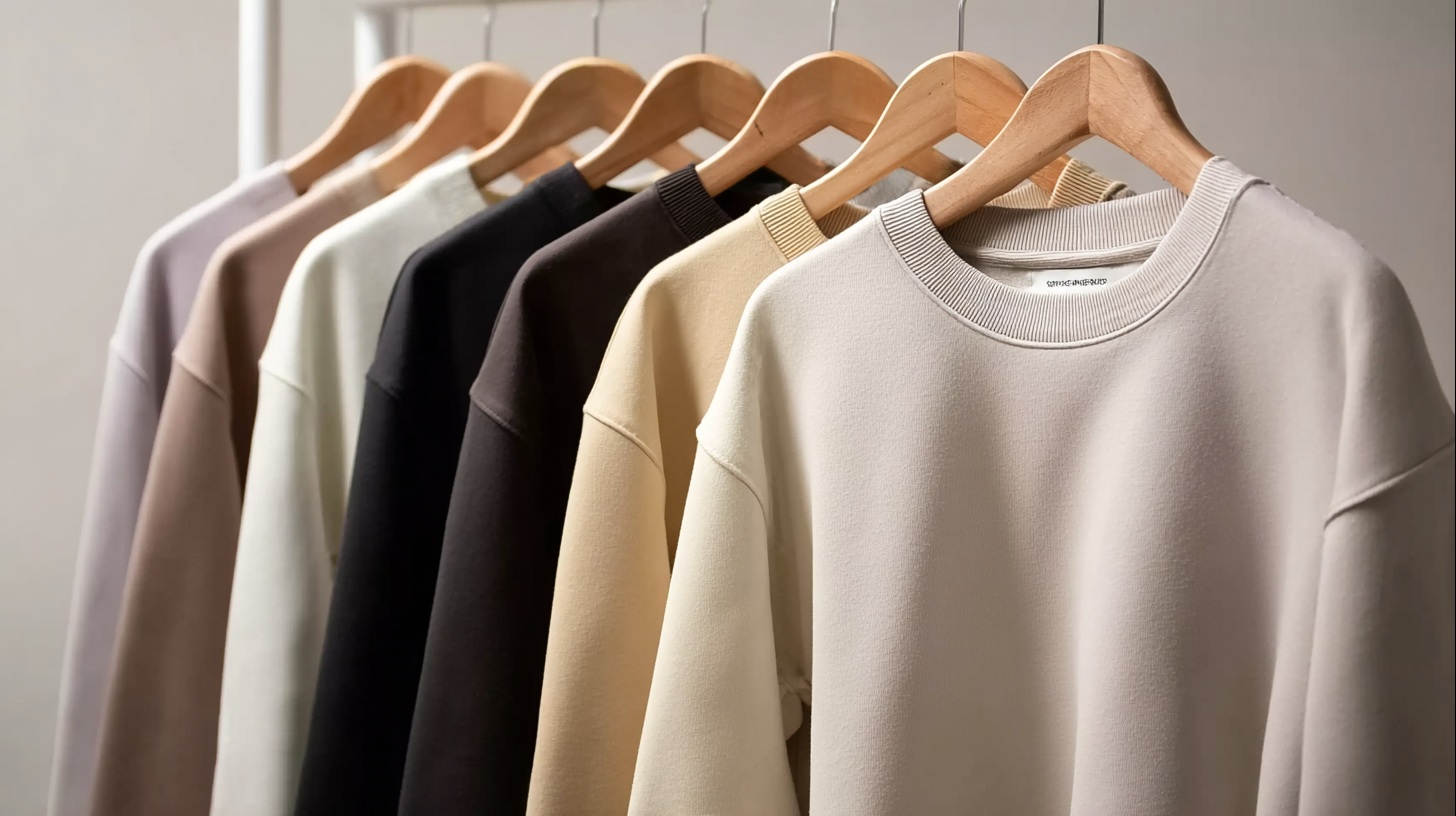
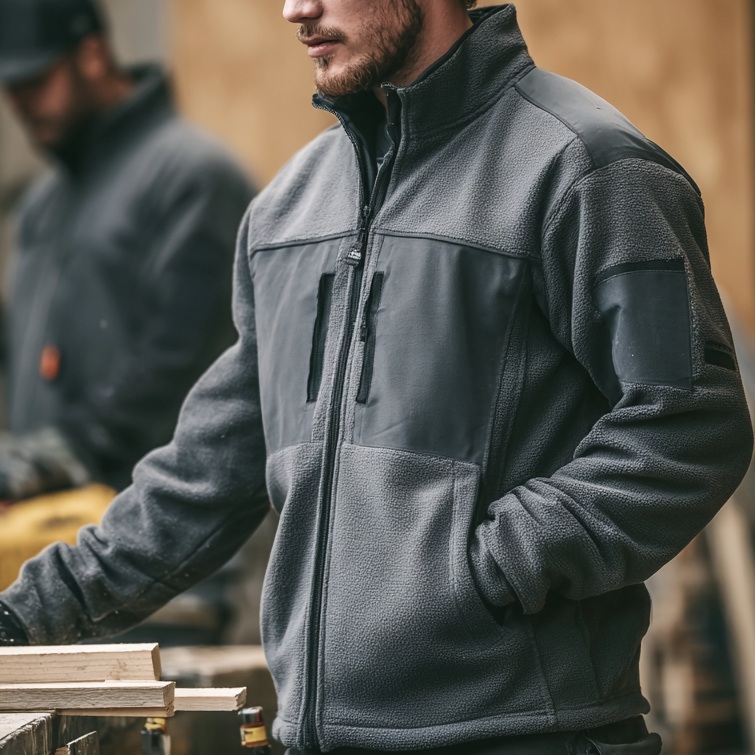
The main fix is a planned sourcing process. It goes from details to samples, testing, approval, supplier checks, first bulk run, inspection, growth, and ongoing watching. A good backup supplier should be in that plan from the start to help reduce fabric sourcing risk.
Growing production makes fabric risk bigger. Ideas about quality, capacity, and lead time that worked for small batches no longer work when volume goes up. A fabric that passed at 500 units can fail at 50,000.
Brands can reduce fabric sourcing risk with a step-by-step workflow. This post gives a plan for each stage. Each stage says what to check, what proof to collect, and when to raise volume. Readers can use it right away.
Key Takeaways
- Plan your fabric sourcing one step at a time to lower risk as you grow.
- Before you order more, check what your supplier can handle and how long it will take.
- Have a good backup supplier so production does not stop.
- Before you start bulk production, test and approve fabric samples.
- Check fabric quality at every step so you can spot problems early.
Key Strategies to Reduce Fabric Sourcing Risk When Scaling
Fabric sourcing risk is the chance that material quality, availability, or delivery fails as production volumes grow. For custom fleece and French terry apparel, the risk grows when you move from a small sample to a full wholesale order. To reduce fabric sourcing risk, brand owners must name the failure points before they cause delays.
The main risks fall into several categories:
- Quality inconsistency: different batches of the same fabric look or act differently.
- Supplier capacity: a factory cannot make enough yardage for a larger order.
- Availability: a raw material is scarce, seasonal, or controlled by a few mills.
- MOQ and inventory: the supplier’s smallest order amount does not match your forecast.
- Lead time: production and shipping take longer than the sales calendar allows.
- Testing and compliance: fabric fails flammability, shrinkage, colorfastness, or restricted-substance checks.
- Single-supplier dependency: one mill holds the only approved version of your fabric.
- Ethical sourcing and climate exposure: labor, water, or weather problems in production hubs can stop supply.
Key terms suppliers use appear below.
| Term | What It Means |
|---|---|
| GSM (Grams per Square Meter) | Shows fabric weight; it affects thickness and drape. |
| Shrinkage | Performance spec; fabric must pass a wash-and-shrinkage test within a set tolerance. |
| Colorfastness | Performance spec; checked during fabric review before production. |
| MOQ (Minimum Order Quantity) | The smallest batch a factory will make. |
| Lead Time | Time from order confirmation to finished product delivery. |
For a apparel manufacturer like NBJM, a textile exporter with more than 20 years of experience in custom fleece and French terry, these terms shape every order. NBJM’s flexible MOQ starts at 150 pieces per style and color. Sample planning takes 10–25 calendar days after product scope, materials, and approval inputs are confirmed. Standard bulk production runs about 20–30 days after sample and material approval. Complex orders—custom fabrics, special washes, special trims, extensive decoration, or custom packaging—take roughly 45–60 days. For wholesale or custom programs, state target MOQ and lead time as needs, not wishes. Validate capacity and keep a backup supplier to reduce fabric sourcing risk.
Spot Common Fabric Sourcing Risks Before You Scale Up

Before a brand orders more product, it needs to look at seven risk areas. These are uneven quality, supplier capacity, material availability, MOQ and inventory, lead time, testing and compliance, and relying on just one supplier. Two other risks also affect whether a supplier can be trusted: unfair labor practices and climate danger in factory areas. A mill with labor problems, or one sitting in a flood zone, can halt supply with no warning.
NBJM is a textile exporter with over 20 years of experience. It serves more than 100 brands in 30+ countries. The company works with 30+ partner factories and makes 10 million pieces each year. This scale shows how a qualified supplier handles these risks every day for custom fleece and French terry programs.
Check Fabric Quality, Consistency, and Specification Risks
Quality inconsistency is the first risk to check. A fabric that passes at 500 units may fail at 50,000. Batch-to-batch changes in GSM, shrinkage, or colorfastness can wreck a wholesale order. Brands should look at supplier defect rate, first pass yield, and rework rate before scaling. A low first pass yield points to unstable material or process. This causes hidden capacity loss and late deliveries.
Specification risk also matters. If the fabric spec is unclear, the supplier may read it differently at higher volumes. Clear specs for weight, shrinkage tolerance, and colorfastness stop this problem.
Assess Supplier Capacity, Lead Times, and Material Availability
Capacity and lead time reliability need hard data. Brands should track key performance indicators before committing to larger orders.
| KPI | Benchmark Target | Bangladesh Apparel Actual | Relevance Before Scaling |
|---|---|---|---|
| OEE | 80–85% | 70–73% | A 10–12% gap signals equipment capacity is not ready for higher volumes. |
| On-Time Delivery | ≥96% | 87–89% | A 7–9% gap means lead-time reliability must be fixed first. |
| Downtime per Shift | ≤40 min | 65–70 min | Excess downtime reduces available capacity. |
| First Pass Yield | ≥98% | 91–93% | Low FPY creates rework and extends production lead time. |
| Rework/Rejection Rate | ≤2.0% | 3.6–4.0% | High rework adds hidden work and schedule disruption. |
These numbers show why brands must check capacity before scaling. A supplier with low OEE or high downtime cannot meet bigger commitments. On-time in-full delivery directly measures lead-time reliability. If a supplier delivers late or short, the brand’s sales calendar takes a hit.
Material availability is another risk. Some fabrics are seasonal or controlled by a few mills. Relying on one supplier makes this worse. If that one mill fails, production stops. Brands should find backup sources for critical fabrics. This step helps reduce fabric sourcing risk before it turns into a crisis.
Ethical sourcing and climate exposure add pressure. A factory with labor problems may face audits or shutdowns. A production hub in a flood zone may lose power or access roads. These risks affect supplier reliability just as much as machine capacity.
For custom fleece and French terry apparel, NBJM’s 30+ partner factories provide diversification. This network helps absorb volume increases without relying on one facility. Brands seeking a wholesale partner should ask for capacity data, lead-time history, and backup plans before scaling.
Build a Reliable Fabric Sourcing and Validation Process

A reliable fabric sourcing process turns brand requirements into clear, repeatable steps. Define specifications, evaluate suppliers, test samples, compare costs and lead times, approve bulk production, and continue quality checks throughout the program.
Define Fabric Specifications and Testing Requirements Clearly
Set clear requirements for fabric composition, GSM, width, finish, end use, MOQ, and quality standards before sourcing. Confirm key tests such as GSM, shrinkage, colorfastness, and pilling, and document approved specifications in the tech pack.
Sample, Test, and Approve Fabric Before Bulk Production
Test fabric samples before bulk production to confirm weight, feel, stretch, color, shrinkage, and overall performance. An approved sample can serve as the reference for production, while a pilot run helps verify construction and quality before scaling to larger volumes.
NBJM supports sample development, quality control, and mass production for custom fleece and French terry programs, helping brands move from fabric approval to bulk production with fewer sourcing risks.
Lower Supply Chain Risk When Production Volumes Grow
Growing production changes what a brand needs from its fabric suppliers. A mill that handles 100 meters may not handle 5,000–20,000 meters as well. Custom fabric creation, online fabric discovery, and garment making all link through one sourcing plan. Each production stage needs its own plan.
| Production Stage | Recommended Sourcing Strategy |
|---|---|
| Sampling | Buy fabric online or request swatches to compare materials |
| Market testing | Source low MOQ fabric to cut inventory risk |
| Initial production | Place a controlled bulk order to test the supplier |
| Scaling | Proven capacity and multi-stage QC matter more and more |
| Large-scale production | Primary supplier supported by a qualified backup to cut single-source dependency |
NBJM lets brands fully customize their fabrics, processes, decorations, and packaging for fleece and French terry apparel. This flexibility helps brands adjust sourcing as volumes grow.
Check Supplier Capacity Before Raising Production Volume
Checking capacity starts with real data. Brands should compare suppliers on capacity, quality, experience, certifications, lead time, MOQ, communication, and past orders—not price alone. A small trial order shows real capacity, bulk quality, dye-lot consistency, packaging, and inspection results before full production starts.
Using suppliers across Asian production hubs cuts climate and single-supplier risk. If production stops in one country, orders can move to suppliers in other regions. This approach keeps business going, cuts single-supplier dependence, and gives brands more negotiating power. Supply chain transparency also supports ESG goals.
Keep Backup Sources for Critical Fabrics and Materials
A qualified backup supplier does not need half your volume. Give the backup smaller regular orders to keep it qualified and familiar with the product. The backup must be able to make the product at the needed quality, capacity, and speed when needed.
| Backup Supplier Status | Recovery Implication |
|---|---|
| Qualified backup with spare capacity | Likely to recover fastest |
| Qualified backup needing ramp-up | Depends on capacity and production readiness |
| Capable but unqualified supplier | Qualifying it can delay recovery |
| New supplier needing tooling | Recovery may take much longer |
Design parts so they can be swapped without redesigning the whole product. Map out lower-tier dependencies for critical parts. Use a test order to prove the backup can supply. These steps lower fabric sourcing risk when main suppliers have problems.
Control Fabric Quality Throughout Apparel Production
Quality checks must keep going after the sample is approved. They cover every fabric roll, every cut panel, and every finished garment. A wholesale program needs checks at each step to catch problems before they reach the customers.
Use Approved Fabric Standards and Samples for Bulk Orders
A signed-off pre-production sample is the shared standard for both the brand and the supplier. It confirms bulk fabric, trims, color standards, and construction before production starts. If bulk goods differ from this approved sample, the sealed sample is used to settle disagreements.
A kept shipment reference sample serves the same purpose after delivery. It gives both sides an agreed physical item for resolving quality complaints. Early production samples show if the products still match the sealed standard. This catches small changes before large volume is made. Fabric and trim tests at the sample stage flag shrinkage, torque, color bleeding, pilling, and seam slippage before bulk production. These steps help prevent specification fights over GSM, shade variation, or post-wash measurements.
Monitor Fabric Quality From Sourcing Through Garment Production
Checking fabric when it arrives is the first defense. The 4-point system is the industry standard for judging fabric quality and gives penalty points based on defect size. Watch for common defects: shade variation, holes, barre, neps, and bowing or skewing.
The 4-point system is the standard method used by the inspection industry to judge the fabric quality. It gives a fabric roll penalty points based on defect size, quality, and overall importance.
Watching continues at every production stage. The table below shows prevention and verification checks.
| Production Stage | QA Checkpoint (Prevention) | QC Checkpoint (Verification) |
|---|---|---|
| Fabric and Trim Sourcing | Lab tests for shrinkage, colorfastness, and GSM consistency | Spot-check rolls for shade changes or defects |
| Cutting | Plan marker efficiency and calibrate machines | Check cut panels for alignment and correct size |
| Sewing | Train operators and audit steps for even seams | Inline checks catch skipped stitches or uneven hems |
| Finishing | Use rules for washing, pressing, and packaging | Check garments for stains, pressing marks, or loose threads |
| Packing and Shipment | Use standard packing steps to meet buyer rules | Do final random checks on labels and carton quality |
NBJM uses these checkpoints for custom fleece and French terry programs, from fabric sourcing to final shipment. This system helps wholesale buyers grow with confidence.
Our Fabric Sourcing and Apparel Manufacturing Support for Brands
NBJM supports brands with fabric sourcing and apparel manufacturing for custom fleece and French terry programs. One partner can coordinate sourcing, sampling, quality control, and bulk production.
Fleece and French Terry Sourcing for Scalable Apparel Production
NBJM helps brands select suitable fabric weights based on garment use and production needs.
| Fabric type | GSM range | Production note |
|---|---|---|
| Light fleece | 260–320 GSM | Lightweight hoodies |
| Standard fleece | 320–380 GSM | Everyday hoodies |
| Heavy fleece | 400–500 GSM | Premium streetwear |
| Lightweight French terry | 240–300 GSM | Spring and layering |
| Midweight French terry | 300–360 GSM | Casual and loungewear |
| Heavy French terry | 380–450 GSM | Structured basics |
MOQ is generally around 100 pieces per color, with 50–100 pieces sometimes available for startups. Custom colorways may require larger fabric quantities. Fabric specifications and shrinkage tolerance are confirmed before cutting.
Sampling, Quality Control, and Production Support From One Partner
NBJM coordinates sampling, sourcing, quality control, and bulk production through one team. This simplifies communication, cost management, and production scheduling while providing a single point of contact.
The process follows sample approval, testing, standardization, pilot production, inspection, and bulk scaling. AQL 2.5 inspections help verify quality before larger orders proceed, reducing sourcing and production risks for brands.
Frequently Asked Questions About Fabric Sourcing Risk
What Is the Biggest Fabric Sourcing Risk When Scaling Production?
Inconsistent fabric quality and supplier capacity are common risks when apparel brands increase production. Changes in GSM, color, shrinkage, or material availability can affect both garment quality and delivery schedules.
How Can Apparel Brands Check Fabric Quality Before Bulk Orders?
Request fabric samples and test key factors such as GSM, colorfastness, shrinkage, pilling, and stretch recovery. Brands should also approve a production sample and use it as the reference for bulk manufacturing.
How Can Brands Reduce Dependence on a Single Fabric Supplier?
Brands can maintain qualified backup suppliers for critical fabrics and document approved specifications and samples. This makes it easier to switch sources while keeping fabric quality consistent if supply issues occur.
Should Brands Test Fabric Again When Increasing Order Volumes?
Yes. Larger production volumes can introduce different supply and consistency risks. Brands should confirm fabric specifications, color, quality, and production capacity again before significantly increasing order quantities.
How Can an Apparel Manufacturer Help Reduce Fabric Sourcing Risk?
An experienced apparel manufacturer can coordinate fabric sourcing, sampling, quality control, and bulk production. NBJM supports custom fleece and French terry programs, helping brands maintain consistent specifications from fabric approval through finished garments.