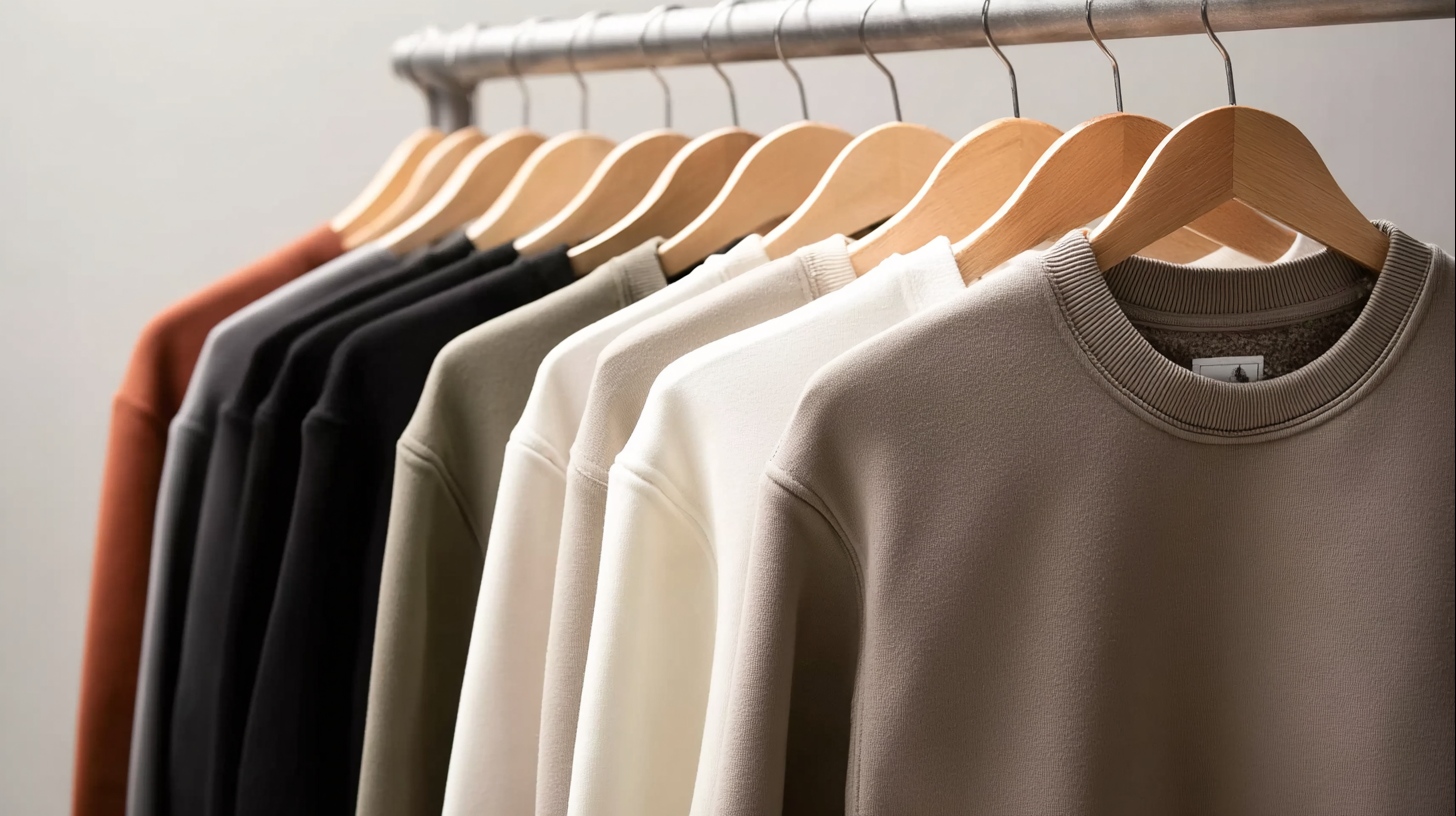
Fall collections raise a simple question: which fabric protects profit better, fleece or French terry? The real answer depends on season timing, fabric weight, production risk, and clear specs. Both fabrics can be smart for margins when matched to the right program. Fleece works well for colder drops. French terry fits transitional layering. Neither wins by default. Brands that treat fabric choice as a pricing decision, not a design afterthought, gain room to negotiate with any supplier. This guide gives a clear framework for deciding Which Offers Better Margins for your specific fall apparel lineup, price structure, and calendar. Use it to match fabric to program before you commit to wholesale volumes.
Key Takeaways
- Pick the fabric that fits the weather: French terry for early fall, fleece for late fall.
- Thicker fabric costs more: fleece costs more to ship and uses more material.
- French terry resists pilling and bounces back, which protects your profit.
- Fleece lets brands charge more for warm, cozy hoodies made for cold weather.
- Plan your production early to avoid rush fees and price cuts.
How Do Fleece and French Terry Affect Fall Apparel Profit Margins?

Fleece and French Terry look almost the same on a hanger. The real difference is inside the garment. The inside build decides warmth, how the fabric ages, and how it takes prints. Those three things drive returns, reorders, and full-price sell-through. Each one shapes the margin math for fall apparel.
How Fabric Choice Influences Retail Pricing and Gross Profit Margins
French terry keeps visible loops on its back side. Brushed fleece has raised fibers instead. This one detail changes how each fabric acts on the body. French terry drapes with purpose and holds a shaped silhouette. Brushed fleece falls more softly against the frame. A brand selling structured sets can charge more for the French terry version. A brand selling cozy comfort can charge more for fleece.
Weight drives cost per unit. Fleece is often heavier and uses more material per garment. That raises the per-unit cost and the freight cost together. French terry is lighter and more breathable, so a wholesale order ships at a lower weight. Pilling matters too. French terry usually pills less than brushed fleece. Its looped inside has no loose fibers rising to the surface. Fewer pills mean fewer customer complaints and fewer markdowns. Moisture absorption also favors French terry, which helps active and transitional programs. Cotton fleece is still the top choice for heavyweight premium streetwear, where buyers expect density and structure.
Why Seasonal Demand Matters When Planning Fall Apparel Collections
Fall is not one season. It is a series of weather windows, and each window rewards a different fabric. French terry fits transitional layering, everyday movement, and lighter fall programs. Fleece fits colder weather and comfort-driven collections. A brand that ships French terry in early fall captures full-price sales before the cold arrives. A brand that ships fleece in late fall meets peak demand for warmth. Timing decides Which Offers Better Margins for a given drop.
Consider a simple example. A supplier quotes both fabrics at similar prices per unit. The fleece hoodie still costs more to land because of freight weight. The French terry hoodie lands cheaper and sells at a lower retail price. Gross profit dollars may end up close. Gross profit percentage often favors the lighter fabric. The reverse happens in deep winter, when shoppers pay a premium for warmth and fleece earns a higher retail price. Neither fabric wins on price alone. The calendar decides.
Brands should map each drop to a temperature window before locking fabric. That step protects margins more than any negotiation tactic.
How Do Fleece and French Terry Compare in Material and Production Costs?

Cost comparison starts with the job each fabric does. French terry suits transitional layering, everyday movement, and lighter fall programs. Fleece suits colder weather and comfort-driven collections. A brand that buys against the wrong job pays for material it cannot sell at full price.
How Fabric Weight and GSM Affect Per-Unit Garment Costs
Fabric is bought by the kilogram. A heavier garment uses proportionally more raw material for the same cut pattern. A 400gsm hoodie therefore contains roughly one-third more material than a 300gsm version of the same design. Heavier fabric always raises per-unit fabric cost, regardless of quality differences. Shipping weight also climbs with GSM, which matters for quotes that include delivery.
The same GSM number does not mean the same hand feel across the two fabrics. Fleece and French terry build weight differently, so a spec sheet alone will not tell a buyer how the garment will feel or sell. Confirm the actual hand feel on a sample before locking wholesale volumes.
| Attribute | Fleece | French terry |
|---|---|---|
| Warmth | Higher | Moderate |
| Breathability | Lower | Higher |
| Drape | Softer collapse | Holds a sculpted shape |
| Pilling | More prone | Less prone |
| Moisture absorption | Moderate | Excellent |
| Relative per-unit cost | Slightly lower per unit | Slightly higher per unit |
| Best season | Late fall and winter | Early fall and transitional drops |
How Cutting Efficiency and Production Requirements Affect Unit Costs
Cutting efficiency shifts the cost picture. Heavier blanks cost more to ship per unit. High-volume programs may achieve better margins with lower-GSM fabric, such as 150 GSM versus 200 GSM, because reduced unit weight lowers per-unit freight cost. Higher-GSM fabric signals premium quality. That signal justifies a higher retail price, supports premium wholesale pricing, and can reduce return rates.
Production requirements add another layer. Brushed fleece needs a brushing step after knitting, which adds handling time to the schedule. French terry skips that step and moves from knitting to cutting with fewer touches. Fewer touches mean less risk of damage and a shorter path to the sewing floor. A supplier with tight scheduling can absorb either process, but the timeline differs.
The direct recommendation is simple. Choose French terry for early-fall and transitional drops. Choose fleece for late-fall and winter drops. This split matches fabric weight to shopper demand at each point in the calendar. It also keeps freight weight aligned with retail price. A brand that follows this rule avoids overpaying for warmth in mild weather and avoids under-delivering on comfort in cold weather.
Which Fabric Offers Better Pricing Power for Fall Apparel Brands?
Pricing power starts with how a fabric looks and feels on the body. GSM is the usual shorthand for weight, but the same number acts differently in each fabric. Fleece builds bulk through brushed fibers. French terry builds structure through loops. A 300gsm fleece and a 300gsm French terry will not feel the same, so a spec sheet alone cannot settle Which Offers Better Margins for a given drop. Buyers should judge hand feel on a sample before setting a retail price.
Weight also changes yield. A heavier fabric uses more material per roll, so each roll makes fewer garments and the per-unit cost goes up. Lighter weights stretch yield further and ship at lower freight cost. That trade-off sits at the center of the pricing decision.
How Brushed Fleece Supports Premium Pricing for Fall Collections
Brushed fleece fits late fall and winter programs. Collections in this window are meant to feel warmer and more substantial, and that weight supports higher price tiers. The sensory profile helps too. A softer inside and a winter-oriented hand reinforce the comfort premium shoppers already pay for in cold weather.
Texture carries real value here. Tactile fabrics such as brushed fleece add visual interest and perceived value, which justifies a higher price point. Buyers are also moving away from flat, standard fleece toward fabrics with character you can see and feel. That shift reduces direct price comparison. Many buyers now trade volume for better fabric, fit, and subtle branding. Brushed fleece also supports the structure of embroidery, which produces a retail-quality tonal look and raises the perceived craftsmanship of a garment.
How French Terry Supports Competitive Pricing for Transitional Apparel
French terry fits early fall and transitional drops. Its lighter hand keeps freight efficient and lets a brand hit a sharper retail price without thinning the margin. The looped back resists pilling, so fewer units come back and markdown pressure eases. A brand can price French terry sets competitively and still protect gross profit through lower landed cost and steadier sell-through.
How Do Shipping and Inventory Costs Affect Fabric Profitability?
Shipping and storing goods costs real money, and fabric weight affects both. A heavier garment costs more to move at every step. A garment that shows up late or in the wrong amount leads to markdowns. Both fabrics can protect margins here, as long as the brand plans weight and timing together.
How Garment Weight Affects Shipping Costs and Freight Efficiency
Fleece is thicker and holds in heat by design, so it traps warmth and adds bulk. That bulk shows up on the scale. A fleece hoodie usually weighs 18–35 oz (510–990 g), while a French terry hoodie weighs 16–30 oz (450–850 g). The gap seems small on one garment. Multiply it across a wholesale order, and the freight difference becomes a cost worth managing.
| Material | Typical Garment Weight | Cost Considerations |
|---|---|---|
| Fleece hoodie | 18–35 oz / 510–990 g | Warmer but heavier to ship |
| French terry hoodie | 16–30 oz / 450–850 g | Premium option with costs varying by GSM |
Fleece often costs more per unit and to ship because it uses more material per garment. French terry stays lighter than most fleece options and can cost less per unit, especially at lower fabric weights. Brands that ship French terry into early fall save on freight without losing a premium feel.
How Seasonal Inventory Planning Helps Reduce Markdown Risks
Timing protects margins as much as weight does. Match the season to the style before you pick a supplier. A core hoodie ordered far ahead can be made overseas. The same style needed for a fall launch that is coming soon should be made domestically. Fall and holiday launches where a missed date means markdowns should stay domestic. Large steady programs go overseas only when orders are placed well ahead with extra time for the freight cycle.
Forecast discipline matters too. A forecast that is always too high signals steady over-buying, which leads to markdowns. Keeping that bias in check in seasonal plans directly lowers markdown risk. Open-to-buy planning makes the picture tighter. With 15–23 week lead times from order to distribution center, in-season open-to-buy is close to zero, so markdown control must be planned two to three seasons ahead. French terry and fleece both reward brands that commit early and forecast honestly.
Which Fall Apparel Products Offer Better Margins in Each Fabric?
The type of product decides how much margin each fabric can carry. A hoodie and a matching set do not sell the same way, even when they use similar fabric. Pairing the right fabric with the right product keeps wholesale pricing steady and protects profit all season long.
How Fleece Supports Premium Hoodies and Sweatshirts for Fall
Fleece earns its best margins on premium hoodies and sweatshirts. Heavyweight fleece has become a sign of a “real hoodie,” and buyers gladly pay more for it. Brands now promote weight the way others promote thread count, printing “450gsm heavyweight” on the label. That label builds a clearer pricing ladder and supports higher price tiers.
| Value Driver | How Fleece Enhances Perceived Value and Pricing Power |
|---|---|
| Heavyweight fleece as a status marker | Buyers pay a premium, and printed GSM labels justify higher tiers |
| Softness retention | Fabric finishing that stays cozy after washing protects price integrity |
| Fabric details | Brushed interior and double-stitched seams support the $85–$125 premium band |
| Spec-backed MSRP anchoring | Measurable specs like GSM weight make buyers feel safer paying near full price |
Spec-backed MSRP anchoring matters most. An MSRP backed by specs buyers can measure makes them feel safer paying near full price. A supplier that documents GSM weight and shrink targets gives a brand the proof it needs at that price tier.
How French Terry Suits Lightweight Hoodies and Matching Sets
French terry fits lightweight hoodies and matching sets. The looped back holds a shaped form, so a set looks intentional on the body. Lighter weight keeps freight costs low and supports a sharper retail price. Fewer pills mean fewer returns, and that steadiness protects margin across a transitional drop.
NBJM handles all communication with factories and suppliers, offers fully customizable designs, and draws on more than 20 years of textile industry experience. These inputs help brands plan programs where margin matters. Brands can then judge Which Offers Better Margins before committing to wholesale volume.
Our Fleece and French Terry Manufacturing Solutions for Apparel Brands
How NBJM Supports Custom Fabric Weights and Fall Garment Development
NBJM offers custom French terry fabric from 180 GSM to 450 GSM. The team adjusts GSM, loop density, and yarn thickness to get the drape, warmth, and style a brand wants. This range lets a wholesale buyer build one fabric story across several fall drops.
| GSM Range | Recommended Use |
|---|---|
| 180–250 GSM | Lightweight French terry for active lifestyles, warm climates, spring–summer releases, gym joggers, travel pants, daily essentials |
| 320–400 GSM | Heavyweight French terry for winter wear, luxury loungewear, structured streetwear, oversized fits, cold-weather sweatpants |
Expert GSM recommendations follow what the product is for. Airy activewear, everyday loungewear, and premium winter pieces each need a different mix of softness, durability, and warmth. More than 20 years of textile experience supports this sourcing advice, backed by a trusted supplier network. The team also advises on fleece weights and finishes, plus custom design, sizing, color, prints, embroidery, hangtags, and packaging.
NBJM commits to environmentally friendly practices through responsible material sourcing and waste reduction. All fabrics used are Oeko-Tex certified, and factory certifications include WARP, BSCI, Sedex, and Disney, demonstrating compliance with international labor and safety standards.
How Production Planning Helps Brands Manage Costs and Order Volumes
Order volume sets the cost base for any custom fall apparel program. NBJM sets a minimum order quantity of 600 units per product and color. That threshold lets a brand test a new fleece or French terry style without committing to a large wholesale run. It also keeps per-unit pricing predictable as a line grows.
Timing shapes cost as much as volume does. A pre-production sample takes about 10 days, though detail complexity and fabric or accessory difficulty can extend that window. Full production follows within 45 days after sample confirmation. Brands that book these windows early can match fabric weight to their fall calendar and avoid the rush charges that erode margins late in the season.
French terry fits transitional fall weights. Fleece fits colder-weather programs. Margin follows the right match, not the fabric name alone.
GSM discipline protects that match. Factory testing confirms the hand feel a wholesale buyer approves. Precise tech packs keep the custom spec stable across production runs. These habits settle Which Offers Better Margins long before a supplier quote arrives.
Align fabric selection with your season calendar and price architecture. Map each drop to a temperature window. Set the retail tier before you commit volume. That sequence turns fabric choice into a pricing decision your team can defend.
Frequently Asked Questions About Fleece and French Terry Profit Margins
Does Fleece or French Terry Offer Better Margins for Fall Apparel?
Neither fabric guarantees higher profit margins. Fleece offers a soft, insulating structure that suits warmer fall and winter apparel, while French terry provides versatility for layering and transitional-season collections. Clothing brands should compare fabric costs, garment construction, production requirements, and target retail prices to determine which option offers better profitability for their product range.
Is French Terry More Cost-Effective Than Fleece for Hoodies?
French terry is not always cheaper than fleece. Costs depend on GSM, fiber composition, finishing, fabric quality, and order volume. French terry can suit lightweight or midweight hoodies designed for layering, while brushed fleece may be more appropriate for products requiring extra warmth. Brands should compare the total cost per finished hoodie, including fabric consumption, cutting, sewing, and finishing, rather than evaluating fabric prices alone.
What GSM Works Best for Fall Fleece and French Terry Apparel?
The ideal GSM depends on the garment’s intended warmth, structure, and fit. Midweight French terry around 240–300 GSM can work well for fall sweatshirts, joggers, and layering pieces. Fleece around 280–350 GSM can provide additional warmth for hoodies and sweatshirts as temperatures drop. These are starting points rather than fixed standards; brands should assess fabric samples and garment performance before confirming specifications.
How Can Clothing Brands Reduce Costs Without Sacrificing Quality?
Brands can control apparel costs by selecting suitable GSM and fiber blends, simplifying unnecessary design details, and standardizing fabrics or trims across related styles. Accurate sample approval and pre-production testing can also help prevent costly rework, sizing issues, and quality complaints. Working with an experienced fleece and French terry garment manufacturer like NBJM can help brands coordinate fabric selection, customization, and bulk production around their product requirements and target budgets.