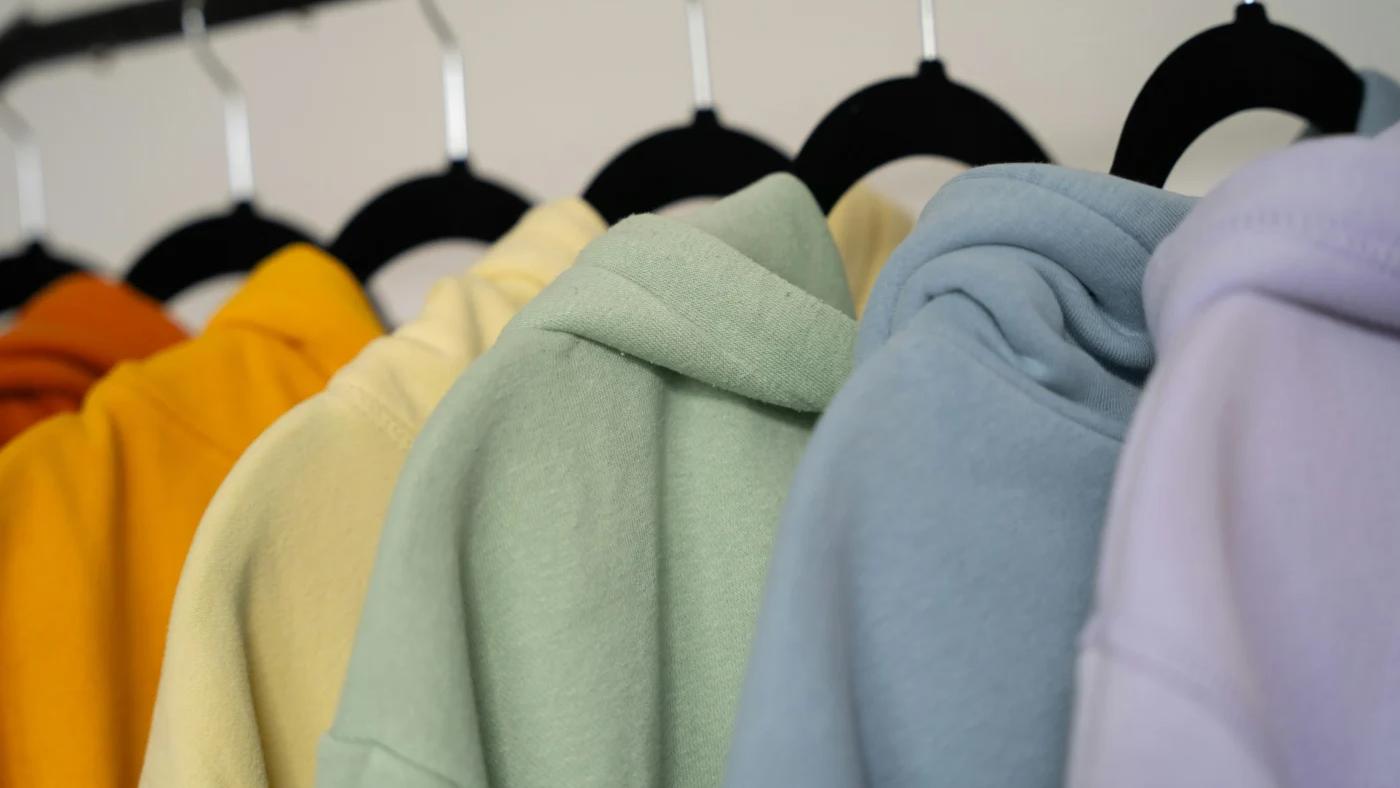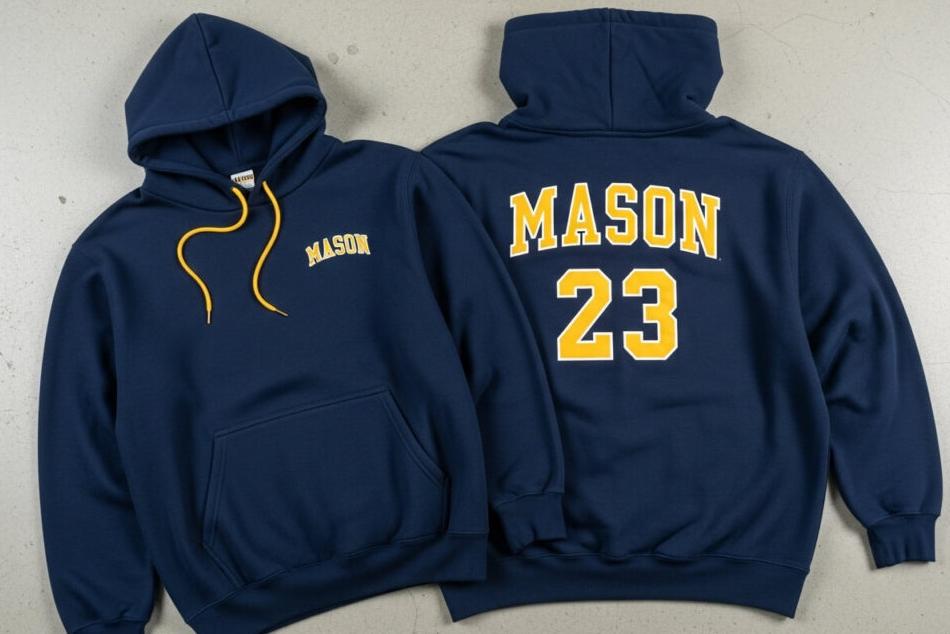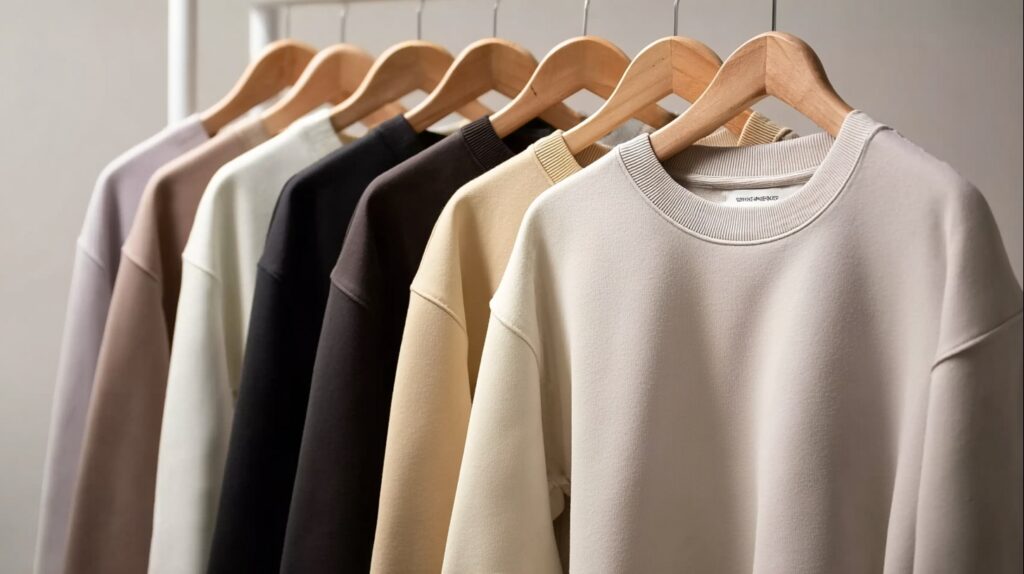
French Terry Fabric is a knit with loops on one side and a smooth face on the other. Apparel brands often use it in casual and athleisure lines. The loop-back structure makes it soft against the skin. The flat face works well with prints, embroidery, and clean seams.
This assessment stays practical and balanced. It covers comfort, durability, versatility, sustainability, limitations, and care needs. Buyers face one real question: does this knit suit my apparel line, and what should I watch out for? The answer depends on fabric weight, fiber content, and what the garment will be used for.
Key Takeaways
- French Terry fabric is soft and lets air in. It also pulls sweat away from your skin. This makes it great for comfy casual clothes and activewear.
- Pick the right fabric weight (GSM) and fiber blend to match your garment’s warmth, drape, and durability needs.
- Check for shrinking, pilling, and color fading before you make the full order. This helps you avoid quality problems.
- French Terry works well for seasons that are not too hot or too cold, and for wearing in layers. Brushed fleece, on the other hand, gives more warmth when the weather is cold.
- Work with a trusted supplier to get certified fabrics and steady quality for your clothing line.
What Are the Main Benefits of French Terry Fabric for Apparel Brands?
French Terry Fabric is a loop-back knit. Loops sit on one side. A smooth face sits on the other. The loops stay unbrushed, unlike fleece. That structure creates air pockets. The pockets regulate temperature and pull moisture away from the skin. The smooth face holds prints, embroidery, and clean seams well. Brands can source this knit across a wide weight span. Lightweight styles run 180–220 GSM. Mid-weight styles run 230–280 GSM. Heavyweight styles reach 300–400+ GSM. Each class opens a different product tier.
How French Terry Supports Breathability and Year-Round Comfort
The open knit structure lets air circulate. Wearers stay dry through daily activity and training sessions. The absorbent loops manage sweat during exercise. Yoga, gym work, and high-intensity training all suit the fabric. The looped back adds a soft layer against the skin. The smooth outer face keeps a polished look. This pairing gives moderate stretch and shape retention.
Comfort carries across seasons. The loops form a light insulating layer for cooler days. The same loops wick moisture when temperatures rise. Wearers get one fabric for spring layering and summer warm-ups. Organic cotton options add a gentle feel for sensitive skin.
How French Terry Supports Custom Branding and Versatile Apparel Designs
The smooth face gives brands a clean canvas. Screen prints, embroidery, and appliqué sit flat and sharp. Loop variations widen the design range. High loop styles suit moisture-wicking sweatshirts and athletic wear. Low loop styles give a sleeker, less bulky hand for everyday wear and layering. Brushed French Terry offers a combed interior for cozy sweaters and cardigans. Reverse French Terry puts loops on the printed side for texture-driven designs.
The garment list is broad. Hoodies, pullovers, sweatshirts, joggers, sweatpants, cardigans, zip-up jackets, casual dresses, children’s wear, and beanies all work. Small brands can build custom lines on this base. One fabric covers casualwear, athleisure, and seasonal layering.
What Are the Main Drawbacks of French Terry Fabric for Clothing Brands?
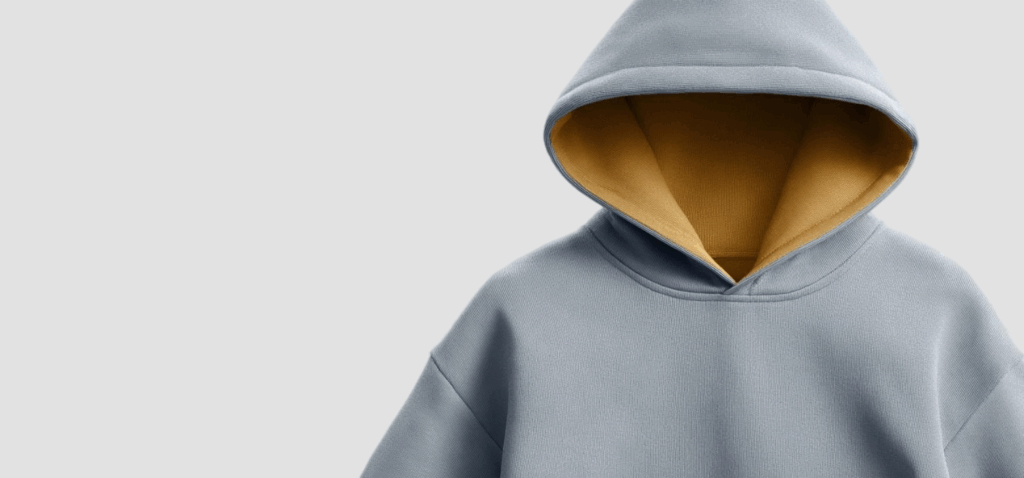
Every fabric has trade-offs. French Terry Fabric is no different. Brands that know these limits can plan around them. They can also set realistic customer expectations before a garment reaches the shelf.
Why French Terry Provides Less Warmth Than Brushed Fleece
The open loop structure explains the warmth gap. Uncut loops let air and heat move around and escape. Brushed fleece works the opposite way. Its cut fibers form a dead-air barrier that traps body heat. At equal weight, fleece runs roughly 20–30% warmer than terry. This difference shapes product planning.
| Attribute | French Terry | Brushed Fleece |
|---|---|---|
| Insulation mechanism | Open loops; air circulates and escapes | Brushed fibers trap body heat |
| Relative warmth at equal weight | Moderate | 20–30% warmer |
| Typical GSM range | ~220–300 GSM | ~280–360 GSM |
| Best use | Layering, transitional seasons, activewear | Cold-weather, high-warmth garments |
Breathability works both ways. In moderate climates, airflow keeps wearers comfortable. In truly cold conditions, that same airflow lets warmth escape. A dense heavyweight terry can still feel warmer than a lightweight fleece, so finishing and weight matter. Buyers should match fabric weight to the climate where the garment will be worn.
The fabric still earns its place. Moisture-wicking loops keep wearers dry during activity. The smooth face and soft back suit sensitive skin, and organic cotton options make it an even better fit. Position the knit as lighter than fleece but cozier than jersey. That middle ground makes it a strong layering fabric.
How Pilling and Shrinkage Can Affect French Terry Garment Quality
Pilling is a risk you can manage, not a guaranteed defect. The intact loops keep fibers more secure, so terry usually shows a lower pilling risk than brushed surfaces. Fiber choice still matters. Synthetic blends can stretch, fade, and pill faster over repeated wear. Specifying quality yarns protects the garment’s appearance.
Shrinkage deserves equal attention. Untreated 100% cotton terry can shrink up to 5–8% after washing. Pre-shrunk or treated fabric removes most of that risk. Brands should confirm shrinkage performance before bulk production. Simple care guidance also helps. Cold water washing limits fiber contraction. Low-heat drying and flat air drying preserve shape. Washing garments inside out reduces surface friction.
These limits are predictable. Wash testing and clear care labels turn them into routine quality control. A supplier with deep knit experience can recommend the right weight, fiber blend, and finishing for each program.
How Does French Terry Fabric Perform Across Different Apparel Applications?
The loop-back structure acts in different ways depending on the garment type. Buyers can pair the knit with the right product and count on steady results.
| Apparel Application | Performance Characteristics |
|---|---|
| Hoodies & Sweatshirts | Soft, medium-weight feel; smooth face against skin, loops hold warmth; breathable and sweat-absorbing |
| Sweatpants & Joggers | Breathable and moisture-wicking; good for lounging, errands, and light exercise |
| Activewear & Sportswear | Loops take in sweat; stretches and moves with the body; warm without getting too hot |
| Loungewear & Matching Sets | Cozy but not heavy; all-day comfort in cool and mild weather |
Why French Terry Works Well for Hoodies and Sweatshirts
Hoodies show off the knit at its best. The smooth side feels nice against the skin. The looped side holds a layer of warm air. The fabric stays warm without feeling heavy. Wearers get breathability and sweat absorption in one piece. That mix works for casual wear, lounging, and layering in cooler weather.
The structure also holds up through many washes. Loops stay whole through repeated cycles, so the surface resists pilling better than brushed finishes. For brands selling at a higher price, this matters. The fabric keeps its structure, and the shape stays clean wash after wash. The garment looks premium on the shelf and in the customer’s closet.
When French Terry Suits Joggers and Lightweight Matching Sets
Joggers and matching sets benefit from the knit’s lighter feel. The fabric wicks moisture and lets air move, so wearers stay comfortable during lounging, errands, and light gym sessions. Stretch and recovery let the garment move with the body. Warmth stays moderate, which works for indoor wear and mild days outside.
Matching tops and bottoms made from one fabric give a coordinated look. The smooth face takes prints and embroidery well, so branding stays sharp across the set. Buyers should match weight to the end use. Mid-weight terry covers most jogger programs, and lighter weights work for warm-weather shorts and sets.
How Do French Terry GSM and Composition Affect Garment Performance?
Weight and fiber content decide how a French Terry Fabric garment looks, feels, and lasts. The same knit can turn into a spring hoodie, a winter pullover, or summer shorts. Hoodies, sweatshirts, pullovers, jackets, sweatpants, joggers, and shorts all begin with this choice. Buyers who lock in GSM and composition early avoid costly surprises later.
How French Terry GSM Affects Fabric Weight, Drape, and Warmth
GSM sets the fabric’s weight, its drape, and how much warmth it holds. A low-GSM knit feels lighter and thinner. It drapes softly and moves with the body, which works well for relaxed tops and warm-weather pieces. A high-GSM knit feels heavier and more structured. It keeps its shape and holds more warmth, which suits streetwear, boxy fits, and hoodies.
Practical ranges help guide the choice. A 240–280 GSM knit works for lighter summer hoodies. The 280–350 GSM band is the usual premium range for spring and fall. A 350–400 GSM fabric adds structure for cooler days. A denser 420 GSM cloth can build a boxy silhouette, while a softer 280 GSM knit may drape closer to the body. Judge GSM along with knit density, composition, and finishing.
| GSM Level | Fabric Weight | Drape | Warmth |
|---|---|---|---|
| Low GSM | Lighter, thinner | Softer, more fluid | Less warm; more breathable |
| High GSM | Heavier, thicker, more structured | Holds shape better | Warmer |
This range supports all-season positioning. The loops trap natural insulation for cooler temperatures. The open structure breathes in warmer months. One fabric family covers a full year of casual and athleisure programs.
How Fiber Composition Influences Durability, Stretch, and Recovery
Fiber content shapes how the garment wears over time. Pure cotton brings breathability and natural softness, but it offers limited natural stretch without elastane. A cotton-polyester blend adds durability and moisture-wicking performance. Synthetic blends with polyester and elastane deliver superior stretch and recovery.
| Fiber Composition | Durability | Stretch | Recovery |
|---|---|---|---|
| 100% cotton | Strong; moisture-wicking | Limited without elastane | — |
| Cotton-polyester blend | Enhanced durability | — | — |
| Polyester/elastane blend | — | Superior | Superior |
Hoodies need reliable two-way stretch with good recovery. This lets the garment move without bagging at the elbows or hem. Recovery matters most for raglan sleeves and fitted hem bands. A fabric that stretches but does not spring back leaves cuffs and waistbands sagging after a few wears. Check the stretch percentage in the product specification before bulk production.
Cotton provides softness and moisture absorption, while elastane can improve stretch and recovery.
Blend ratios also change the hand feel. More spandex or lycra means more stretch and better recovery. Rayon content softens the touch. For post-gym hoodies and activewear layers, a moisture-wicking French terry or a cotton-polyester blend with functional finishes works best.
How Can Apparel Brands Reduce French Terry Fabric Quality Risks?
Quality risk in French Terry Fabric goes down when brands test early and state clearly what they need. Fiber choice is the first lever. Organic cotton and recycled polyester blends are easy to find, and each one has a well-known certification. GOTS covers organic cotton. GRS covers recycled content. OEKO-TEX Standard 100 confirms the finished fabric meets limits on restricted substances. A custom French Terry fabric supplier should give you these certificates with the sample, not after the order.
How Wash Testing Helps Verify Shrinkage and Colorfastness
Laundering changes a loop-back knit in ways a visual check cannot show. ISO 6330 sets a controlled wash and dry method, so shrinkage and color loss are measured the same way each time. Brands compare the result against their own tolerance before approving bulk. Dimensional stability matters most for fitted cuffs, hem bands, and jogger legs, where small movement shows up as a fit complaint.
Colorfastness deserves the same test run. Dye loss and shade shift show up after several cycles, not on the swatch. Buyers should also set inspection points for appearance, dimensional stability, pilling, colorfastness, and batch consistency. Ask suppliers how they check washing stability and appearance retention. The looped back structure can reveal quality issues only after laundering.
How Sampling and Pilling Tests Help Prevent Bulk Quality Issues
Sampling answers questions that a single swatch cannot. A structured approach keeps the result meaningful:
- State the intended garment use and care plan, agree on sample coverage, and record who selects and submits samples.
- Review yarn, construction, and finishing options with the supplier, then identify which revised sample represents the proposal.
- Link the agreed fabric reference and report to the technical pack and physical PP sample.
- Carry the requirements into the QC/AQL inspection brief, since visual inspection and lab testing serve different decisions.
Pilling is the most common surface complaint. ASTM D3512 or ISO 12945-1 predicts surface durability after wear, and ASTM D4966 covers abrasion for high-friction activewear. For hoodies and sweatshirts, ask for a tight interior loop structure rather than a loose open terry. Request samples from multiple roll positions to catch uneven nap depth before bulk commitment.
When Should Clothing Brands Choose French Terry Over Fleece?
Picking between these two knits depends on climate, season, and the look a brand wants. Each fabric has a clear place in a product line. Smart buyers plan both into the calendar instead of treating them as rivals.
When French Terry Suits Lightweight and Transitional Apparel Collections
French Terry Fabric sits between heavy fleece and thin summer fabrics. It keeps a wearer warm in a chill and cool when the sun comes out. That balance makes it a natural fit for spring and autumn programs. Air moves through the loops, so the body does not overheat. The fabric stays soft and cozy at the same time.
Several signals point toward this knit for a collection:
- A year-round or spring/fall range is the goal
- The target market sits in warmer or mild climates
- The design calls for cleaner drape and a premium look
- Oversized or fashion-forward silhouettes are planned
- Daily wear needs better breathability
A terry hoodie works as a layering base. Wearers pull it over a t-shirt on cooler days or under a light jacket in transitional months. Startups unsure of direction often find this knit more versatile. It photographs well, covers more climates, and fits neatly at mid-to-premium price points.
When Brushed Fleece Better Meets Cold-Weather Product Requirements
Brushed fleece wins when warmth is the priority. Its dense, fuzzy texture traps heat. That makes it ideal for cold-weather apparel. The same trait can feel too warm in hot climates or during high-activity summer wear.
| Factor | French Terry | Brushed Fleece |
|---|---|---|
| Warmth | Medium | Higher |
| Breathability | Higher | Medium |
| Best season | Early fall / transition | Late fall / winter |
| Feel inside | Loop texture | Soft brushed feel |
| Typical use | Lighter hoodie, crewneck | Winter hoodie, cozy sweatshirt |
French terry is usually better for transitional weather and lighter fall programs, while brushed fleece is often better for colder winter programs that need more warmth and a softer inside feel.
Many brands release terry hoodies in spring and summer to show off breathability. They switch to brushed fleece for fall and winter cycles. That switch gives the plushness and volume cool weather calls for. Match fabric weight to the end-use climate, and the right pick becomes clear.
French Terry Fabric earns its place in casualwear, athleisure, and layering pieces. Comfort, durability, and versatility stand out as real strengths. Sustainable options exist. Warmth limits, pilling risk, care needs, and color challenges stay manageable through informed sourcing. Match fabric weight and fiber content to the target garment, then test shrinkage, colorfastness, and recovery before bulk approval.
A reliable supplier makes that process easier. NBJM brings 20+ years of experience, 100+ brands served, and exports to 30+ countries. The company works with 30+ partner factories and produces 10 million pieces annually. Orders start at 800 units, sampling takes 7–14 days, and production runs 30 business days with 24/7 support.
Frequently Asked Questions About French Terry Fabric Pros and Cons
Is French Terry a Good Fabric Choice for Clothing Brands?
French terry is a versatile option for clothing brands producing hoodies, sweatshirts, joggers, shorts, and casualwear. Its smooth outer face and looped inner surface provide a balance of comfort, breathability, and structure. Brands can also choose different GSM levels and fiber blends to suit their target customers. However, French terry may provide less insulation than brushed fleece, so the intended season and garment function should guide fabric selection.
Does French Terry Shrink or Pill After Repeated Washing?
French terry can shrink or develop surface pilling depending on its fiber composition, yarn quality, construction, and finishing. Cotton-rich fabrics may require shrinkage control, while suitable yarn selection and anti-pilling treatments can help maintain surface appearance. Clothing brands should test samples after washing to evaluate dimensional stability, pilling, and color retention before approving bulk production. Clear care instructions can also help customers maintain garment quality.
Is French Terry Suitable for Fall and Winter Apparel Collections?
Yes. Midweight and heavyweight French terry can work well for fall and milder winter conditions, especially in hoodies, sweatshirts, joggers, and tracksuits. Heavier GSM options provide more body and warmth, while lighter versions are useful for layering. For particularly cold conditions, brands may prefer brushed fleece or combine French terry garments with insulating outer layers.
Is French Terry Better Than Fleece for Hoodies and Sweatshirts?
Neither fabric is universally better. French terry typically has visible loops on the inside, offering breathability and versatility for everyday wear and layering. Fleece usually has a brushed inner surface that feels softer and provides greater insulation. Brands should compare warmth, GSM, hand feel, garment structure, and target season before choosing between French terry and fleece for hoodies and sweatshirts.