Apparel brands judge fleece samples by four standards: technical performance, application fit, regulatory compliance, and cost efficiency. Each standard counts equally in the final decision.
Evaluation begins before any sample request. Brands first set cost limits, lead times, minimum order quantities, and specific fabric needs. For example, a custom color in polar fleece usually needs a 500 kg minimum per color. Clear requirements prevent wasted sampling rounds.
Sampling is the lowest-risk checkpoint before a bulk commitment. A swatch or yardage sample shows what a digital image cannot. This post offers a practical, repeatable framework for fleece fabric custom wholesale sourcing, so every supplier sample gets scored the same way.
Key Takeaways
- Always ask for real fabric samples before you place a big order. Digital pictures can show color and feel in a way that is not true. This can lead to costly mistakes.
- Judge samples using four equal standards: technical performance, application fit, regulatory compliance, and cost efficiency. Score each area to make a balanced decision.
- Check samples for shrinking, pilling, and color fading using standard test methods. These tests show how the fabric will hold up after washing and wearing.
- Compare suppliers by the total cost of owning the product, not just the price per unit. Think about minimum order amounts, wait times, and reorder risks to avoid hidden costs.
- Lock down the specs with an approved sample and version control. This makes sure bulk fabric matches what you approved and prevents delays.
Why Supplier Sampling Matters for Custom Wholesale Fleece Fabric Orders
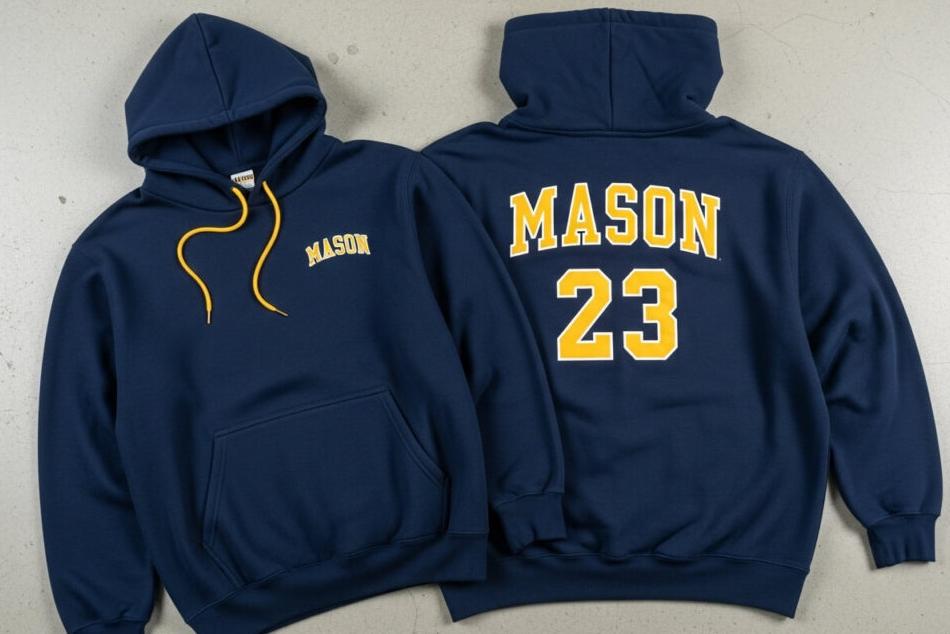
Evaluation starts with a real development sample or a fabric swatch. Digital images alone cannot do that job. Mill photos are RGB, factory printing uses CMYK, and the gap between these color spaces misrepresents shade. Beige polyester can look pink under studio lights. A spec sheet lists fiber content, weight in GSM, and width. It says nothing about how the fabric feels against skin, how it drapes on a body, or how it reacts to an industrial heat press.
A swatch lets a brand check color, texture, weight, drape, and overall quality before a bulk order. Fabric cards often pair a small color swatch with a larger A6-sized hand-feel swatch. That larger piece shows how the fabric folds and feels. Buyers can hold it to a light to judge density, rub it against the inner arm to check texture, and stretch a section to see if it springs back.
Physical samples also show workmanship, fabric quality, and how careful a supplier is. A tech pack without a pinned swatch is incomplete. Pattern makers and cutters would otherwise have to guess at drape and texture. One brand ordered 400 yards of heavyweight cotton fleece from a hanger swatch alone. The bulk arrived with a brushed interior that pilled after a single wash. The fabric sat in a warehouse, costing $3,200 in material plus $800 in storage over eight months. A real swatch would have shown that pilling risk before the commitment.
Weight and insulation must match the warmth target. The table below shows the working ranges for fleece fabric custom wholesale programs.
| GSM Range | Weight Class | Warmth Property | Suitable Weather |
|---|---|---|---|
| ~250 GSM | Light | Breathable, minimal warmth alone | Spring / mild |
| 250–350 GSM | Moderate | Good light insulation, balanced breathability | Autumn / transitional |
| 350–450 GSM | Moderately heavy | Thick, warm, durable | Autumn–winter |
| 450+ GSM | Extra-heavy | Very warm, excellent heat retention | Extreme cold |
A midweight fleece hoodie can feel as warm as a heavier sweatshirt, because the hood covers the head and neck. Brushed backing traps still air and adds warmth at the same GSM. Higher GSM also means less airflow, so 350+ GSM suits cold, stationary wear better than active movement.
Durability checks belong on the sample garment, not the spec sheet. Wash the swatch with like colors and watch for dye running. Rub a small area against itself for a few seconds and check for pilling. Stretch a section and confirm it recovers. Crush a corner and see how fast wrinkles fall out. These simple tests predict how the bulk order will behave after real wear.
What Types of Fleece Fabric Samples Can Apparel Brands Request?
How Swatches, Sample Yardage, and Lab Dips Serve Different Purposes
Three sample formats answer three different questions. A swatch is a small cut of finished fabric. It answers “does this color, hand feel, and weight match the brief?” A lab dip is a small dyed piece made to match a target shade. It answers “can this supplier hit our Pantone reference?” Sample yardage is a longer cut, often enough to cut and sew a full garment. It answers “how does this fabric behave on a real pattern?”
Brands should ask for all three at the right time. Lab dips come first, because a shade approved on paper rarely survives dyeing without changes. Swatches come next for hand feel and weight checks. Sample yardage comes last, once color and quality are settled. Going straight to yardage wastes money when the shade is still wrong.
When to Request Custom Fleece Fabric Samples for Product Development
Timing follows the development calendar. A clear order keeps a fleece fabric custom wholesale program on schedule:
- Consultation and requirements (3–7 days): share the vision, target uses, and technical needs.
- Product analysis and sampling (2–3 days): specs are studied and color-matched samples are made. This is the stage to request custom fleece samples, and real pieces are checked for quality, texture, and exact color before any production commitment.
- Sample confirmation (3–5 days): the team tests samples, gives feedback, and the fabric is improved until it meets standards.
- Production and delivery (15–45 days): bulk runs start under quality control once the sample is approved.
Rapid sampling of lab dips and fabric can be set up in 3–7 days, depending on yarn, dyeing, and finishing needs.
Suppliers without a clear, short design plan cause constant sample changes and delay production. Design compatibility covers decoration styles, process options, and pattern design support. A supplier who can advise on screen print versus embroidery, or on pattern changes for a brushed back, removes revision cycles before they start.
How to Evaluate Fleece Fabric Samples for Quality and Performance
How to Check Fabric Hand Feel, Surface Texture, and Construction
Hand feel needs something to compare against. Check each sample next to an agreed golden sample, then describe loft, density, and sheen using the physical swatch. Words like “soft” or “cozy” mean little from one supplier to the next. A golden sample keeps every evaluation on the same baseline.
Surface checks cover the full fabric width, including the back side. If both faces are brushed, look at each face on its own for consistency. Measure finished GSM with the agreed method and write down the usable cutting width. Confirm the measurement conditions and tolerances at the same time. These records become the reference for bulk.
How to Test Shrinkage, Pilling, Colorfastness, and Dimensional Stability
Shade approval and performance approval need separate, recorded results. A color that passes must not hide performance results that are still pending. Test the exact approved construction and the agreed care route.
Dimensional stability follows AATCC 135-2018. Cut samples to 50 × 50 cm², wash and tumble dry them, then measure the change. Shrinkage or growth within ±3% is accepted under this standard.
Fastness testing uses named methods with clear limits. Colorfastness to washing follows ISO 105-C06:2010, A2S at 40°C over 5 cycles, with color change and staining both at Grade 4.0 or higher. Crocking follows AATCC 8-2022, with dry rub at Grade 4.0 or higher and wet rub at Grade 3.5 or higher. Perspiration follows AATCC 15-2023 for acidic and alkaline conditions, again at Grade 4.0 or higher. On the 1–5 scale, Grade 3 is often the commercial minimum, and mid-to-high-end brands usually aim for Grade 4 or above.
Pilling and shedding need their own test method and acceptance criteria, agreed before bulk production. Keep the signed-off sample as the golden sample. Record composition, finished GSM, usable width, color, required surface per face, and every testing requirement. This record protects both sides during a fleece fabric custom wholesale program.
How to Compare Custom Fleece Samples Across Wholesale Suppliers
A 2023 survey found that about 65% of small batch brands ordered bulk fabric before sampling. Among that group, 80% paid rush fees to reorder the correct material later. Sampling first is cheaper than fixing a mistake.
Total cost of ownership decides the comparison, not the quoted unit price. Minimum order quantities vary by fabric weight, yarn type, and dyeing process. A basic 280 GSM fleece may allow around 100 units. A 400 GSM custom-dyed fleece may require around 300 units. Ask for the MOQ per style, per fabric, and per color. An 800-unit minimum suits a brand with steady demand. A smaller brand should weigh the below-MOQ premium, often 20–50% per unit, against inventory risk. Lead time matters too. Stock-dyed fabric runs about 10–14 days, custom-dyed fabric about 15–20 days, and total production often lands at 20–38 days. Reorder risk completes the picture. Ordering only the minimum leaves no buffer when a style sells out.
NBJM shows what an experienced apparel supplier brings to this comparison. The company has more than 20 years of experience and has served over 100 brands in more than 30 countries. It also works with more than 30 partner factories. Designs can be fully customized, and orders ship within 30 business days after approval.
How to Compare Sample Specifications Against Your Product Requirements
Make a side-by-side sheet for each supplier sample. List the fiber makeup, target GSM and tolerance, usable width, pile height, surface texture, finishing, and color needs. Add the quantity per color and the packing method. Score each sample against your own brief, not the supplier’s marketing sheet.
How to Assess Supplier Customization Capabilities
How deep a supplier can customize tells you if it is just a fabric mill or a true fleece fabric custom wholesale partner. Check whether the fabric keeps bright colors and patterns through dyeing and printing. Make sure the fleece is dense enough for embroidery and logos. Ask about laminated fleece for windproof and waterproof layers, plus finishing choices like anti-pill or peach finish. Find out which steps are done in-house and which are outsourced, and who approves shade and weight. Certifications such as OEKO-TEX, GRS, and ISO give you proof you can check.
How Do Sample Approval, Revisions, and Lead Times Affect Bulk Orders?
Sample approval starts the clock for everything that comes next. Once a sample is approved, bulk production usually takes 10–25 days. That base number hides the real timeline. Each sampling route adds its own time before production can begin.
| Stage / Option | Time Added |
|---|---|
| Digital sample only | +5–7 days |
| Machine sample only | +7–10 days |
| Both samples | +12–17 days |
Special finishes make the schedule even longer. Foil stamping and embossing each add 3–5 days. Spot UV coating and soft-touch lamination add 2–3 days. Flocking adds 5–7 days. Unclear color expectations often cause delays, because re-calibration and re-printing cost extra days.
One rule needs special attention: sample approval does not hold a production slot or set a shipping date. The countdown starts only when final specs, the approved sample, materials, deposit, quantity, packaging, and a slot are all confirmed.
How to Manage Sample Revisions Without Delaying Product Development
Lock specifications by version. Publish one approved file that covers dimensions, material direction, colors, logo location, hardware, and packaging. This keeps revisions from reopening decisions that were already settled.
Flag long-lead components early. Special finishes, custom molds, and branded packaging should be identified before a sample is released. Assign an owner to material, sample, and artwork decisions, and set buyer response dates so approvals do not sit unanswered. Protect the inspection window by keeping freight pickup away from final QC. Reconfirm dates in writing after any change, whether a late quantity split, a new color, or a revised closure.
How to Confirm Bulk Fabric Consistency With the Approved Sample
Consistency is checked in layers. Bulk fabric is compared against the approved samples for color, construction, and finishing. Lab dips are approved under standard conditions, then bulk shade variation is tracked across batches.
In-line checks monitor color consistency, construction stability, and finishing alignment during production. Final inspection compares finished fabric against approved samples for color, construction, and basic performance. This layered approach keeps a fleece fabric custom wholesale order on the approved standard from first roll to last.
Our Custom Wholesale Fleece Fabric Support for Apparel Brands

How NBJM Supports Fabric Selection, Customization, and Sample Development
NBJM is a full-service fleece fabric custom wholesale supplier, not just a mill. Fabric selection starts with the material. Organic cotton is soft and breathable. Recycled polyester resists wrinkles and dries fast. A cotton-poly blend mixes softness, durability, and shape retention. You can adjust weight to control warmth, thickness, and drape.
| Weight Class | GSM Range |
|---|---|
| Lightweight | 200–250 GSM |
| Medium | 260–320 GSM |
| Heavy | 330–400+ GSM |
Color work follows Pantone references or swatch matching. Reactive dyeing, disperse dyeing, and digital printing are all available. Low-impact dyes and water-saving processes suit eco-conscious clients. Finishing options include anti-pilling, moisture-wicking, antibacterial treatment, enzyme wash, brushing, and singeing.
Customization goes beyond the fabric. The manufacturer matches exact Pantone shades and adjusts fit for the target market. It also refines rise and inseam from relaxed to athletic cuts. Waistbands, drawstrings, pockets, and closures are all selectable. Branding covers woven labels, heat-transfer tags, hang tags, and branded polybags. Decoration spans flat, 3D, and appliqué embroidery, screen and digital printing, and embossing.
Sample development runs in three stages:
- Fit sample (7–14 days): specs are submitted, a pattern is drafted, and fit is checked.
- Pre-production sample (20–30 days): lab dips, prints, embroidery, and packaging are finalized.
- Shipment sample (30–60 days): bulk runs under QC, and samples are checked before shipment.
Sample cost is US$50 and is refunded on a bulk order. Standard sample lead time is 7–14 days, and samples that miss requirements can be remade.
How Production Quality Control Helps Maintain Approved Fabric Standards
Fabric is the biggest variable in apparel production. Once inconsistent fabric enters the line, later garment inspections cannot fully fix it. Bulk fabric is therefore checked against the approved specification, including GSM, knitting structure, finishing, and shrinkage. It is not accepted on appearance alone.
Pre-production approval creates a measurable reference. The approved tech pack, sample, fabric, color references, size specs, tolerances, and artwork replace subjective terms like “premium quality.” Stage-gate checkpoints then follow the order from fabric through cutting, sewing, decoration, finishing, final inspection, and shipment. The goal is consistent reproduction of the approved standard across the entire order.
Technical performance, application fit, compliance, and cost form one connected decision. A sample that passes shrinkage limits but fails pilling still fails the order. Score each area on a 0–10 scale, weight it by brand priority, and record notes beside every result. That scorecard turns scattered checks into a repeatable habit.
Testing before production lowers risk. A wash protocol with checkpoints at 1, 5, 10, and 20 washes exposes shrinkage beyond the 3–5% threshold and pilling rated below the agreed photo standard. Catching these faults early prevents costly reorders.
Reuse materials you have already evaluated. Approved swatches and lab dips move straight into production planning, so the next fleece fabric custom wholesale order starts faster.
Frequently Asked Questions About Custom Wholesale Fleece Sampling
How Long Does Custom Fleece Fabric Sampling Usually Take?
NBJM typically completes garment fit samples within 7–14 days after receiving the design and specifications. Pre-production samples take approximately 20–30 days because they involve confirming fabrics, prints, embroidery, packaging, and other details before bulk production.
Can Apparel Brands Request Free Fleece Fabric Samples?
NBJM charges US$50 for sample development, covering processes such as pattern making, printing, and embroidery. The sample fee is refundable when a subsequent bulk order is placed. Brands can contact NBJM to confirm the requirements for their custom fleece apparel project.
Can Custom Fleece Samples Be Matched to a Specific GSM and Color?
Yes. Apparel brands can specify fleece fabric weight in GSM and provide color references, such as Pantone codes, during sample development. NBJM supports customized fabric selection, colors, and garment details to help align samples with the intended product specifications.
How Can Brands Ensure Bulk Fleece Fabric Matches the Approved Sample?
Provide a detailed tech pack and approve the sample before bulk production. Check fabric composition, GSM, color, measurements, construction, and decoration, then document any revisions. NBJM begins mass production after sample approval and uses quality checks throughout production to help maintain consistency.