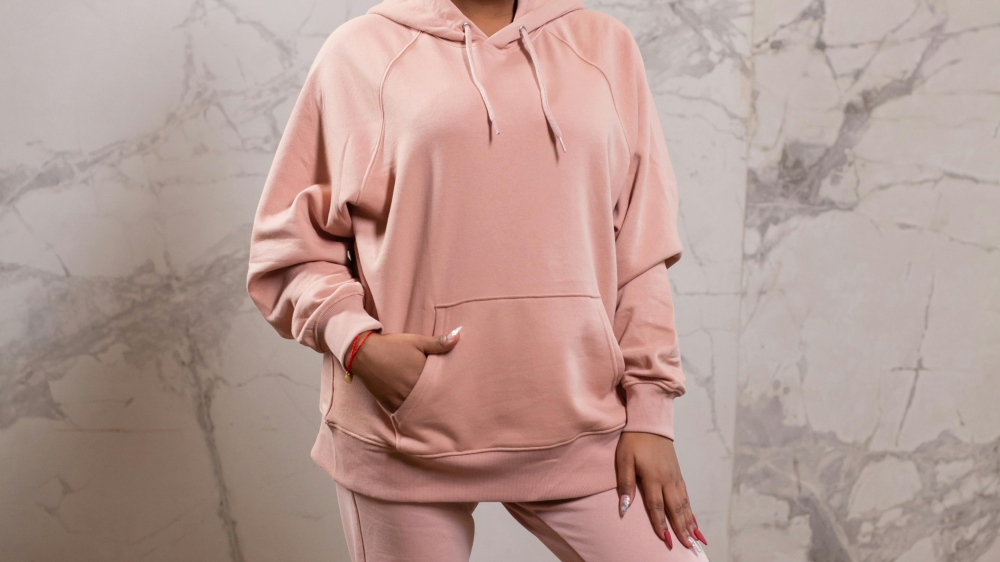
In short: standard fleece (often called polar fleece) is warmer than microfleece. Microfleece is a lightweight, fine-fiber subtype of fleece, while the term “fleece” commonly refers to thicker, mid-to-heavy weight styles with more insulating loft. The thicker, loftier pile of standard fleece traps more still air next to the skin, delivering stronger heat retention. Microfleece, by contrast, is thinner, lighter and more breathable, making it ideal for layering and active use.
NBJM manufactures a full range of both fleece and microfleece apparel, from everyday hoodies and tracksuits to custom activewear pieces, designed for reliable warmth and comfort across different weather and use cases.
Key Takeaways
- Standard fleece delivers stronger warmth thanks to its thicker pile and higher loft, which traps more insulating still air
- Microfleece is a lightweight fleece variant with finer fibers, offering moderate warmth and superior breathability
- Both fabrics are made from 100% polyester, with fast-drying and water-resistant properties
- Choose standard fleece for cold-weather standalone wear; choose microfleece for layering, sports and mild cool weather
- Fabric warmth depends more on trapped air than fiber thickness alone — fluffy, high-loft styles insulate better than dense, flat ones
Fleece vs. Microfleece: Core Differences
Both fabrics belong to the polyester fleece family, but they are engineered for different use cases.
What Is Standard Fleece?
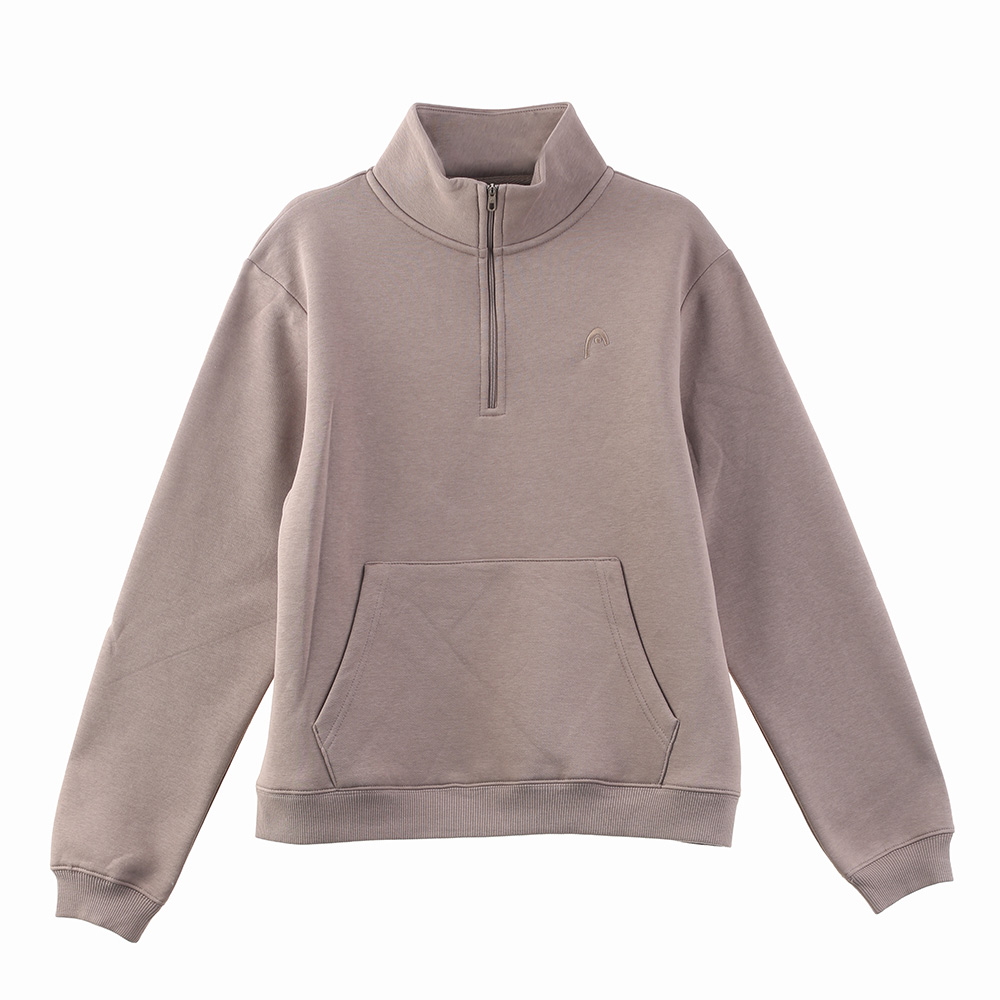
Standard fleece (often referred to as polar fleece in mid-to-heavy weights) is the classic warm fuzzy fleece most people are familiar with. It is made from 100% polyester with a raised, looped pile that creates a soft, plush feel. It is available in lightweight, midweight and heavyweight grades, with weights typically ranging from 200–400 GSM.
Its thick pile traps large volumes of air for strong insulation. It also resists water absorption and dries quickly, making it a staple for cold-weather jackets, vests, hoodies, blankets and casual outerwear. NBJM’s standard fleece collection includes hoodies, sweatshirts, joggers and tracksuits built for daily cold-weather wear and long-lasting durability.
What Is Microfleece?
Microfleece is an ultra-lightweight subtype of fleece, made from much finer polyester fibers woven into a tighter, thinner structure. Weights typically fall between 100–200 GSM. The fine brushed fibers create an exceptionally soft hand feel, while the lighter build works well for layering without adding bulk.
Microfleece offers better breathability and moisture-wicking performance than standard fleece, pulling sweat away from the skin during activity. It is commonly used for base layers, light jackets, athletic tops and layering pieces. It also holds embroidery and subtle printing well, making it a popular choice for custom team and brand apparel.
Side-by-Side Comparison
| Feature | Microfleece | Standard Fleece (Polar Fleece) |
|---|---|---|
| Composition | 100% polyester | 100% polyester |
| Typical GSM | 100–200 | 200–400 |
| Hand feel | Ultra-soft, fine smooth pile | Soft, fuzzy, plush loft |
| Warmth level | Moderate | High to very high |
| Breathability | Excellent | Moderate |
| Best for | Base layers, activewear, layering | Standalone jackets, cold-weather wear, blankets |
| Customization | Works well for embroidery and sublimation | Suitable for simple printing and embroidery |
| Durability note | Lightweight styles may show faster wear with heavy use | Tougher, longer-lasting with regular wear |
Warmth Comparison: Why Standard Fleece Is Warmer
The Science of Fleece Warmth
All fleece fabrics insulate by trapping still air within their fiber structure — still air is one of the best natural insulators available. The more stationary air a fabric can hold, the better it retains body heat. Fiber thickness alone does not determine warmth; loft and air pocket size matter just as much. Fluffy, high-loft fabric always feels warmer than dense, flat fabric of the same weight.
Thickness & Loft Gap
Standard fleece has taller, looped pile fibers that create larger, more numerous air pockets. These pockets hold more warm air close to the body, delivering significantly better heat retention. Heavier 300–400 GSM polar fleece is warm enough to serve as a standalone outer layer in cool to cold weather.
Microfleece has much finer, shorter fibers and a flatter structure. It still traps air and provides warmth, but the smaller air pockets hold less heat overall. Its advantage lies in breathability: the finer weave allows excess heat and sweat to escape, so you do not overheat during movement.
Real-World Performance
For standing around in cold weather or low-activity daily wear, standard fleece will keep you noticeably warmer. For hiking, running, skiing or other high-output activities, microfleece works better — it provides just enough warmth while venting excess heat to keep you comfortable. When worn under a windproof shell, both fabrics perform well in cold conditions.
When to Choose Each Fabric
Choose Microfleece For:
- Everyday layering: Wear it under jackets, over shirts, or as a light mid-layer for variable temperatures. It packs small and adds warmth without bulk, making it great for travel and commuting.
- Outdoor sports and activity: Hiking, running, cycling and casual winter sports all benefit from microfleece’s breathability and moisture-wicking performance.
- Mild cool weather: On 50–60°F (10–15°C) days, a microfleece pullover works well as a standalone top.
Choose Standard Fleece For:
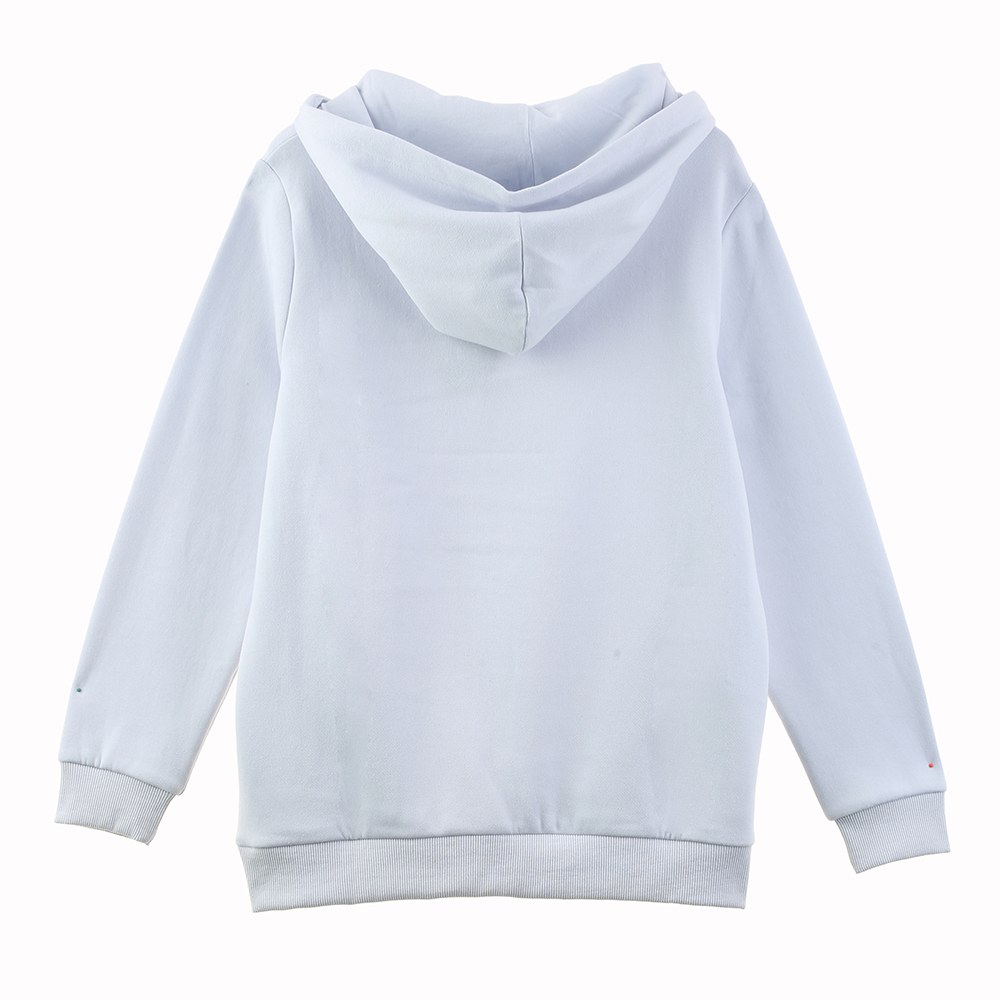
- Cold weather standalone wear: 300+ GSM fleece jackets and hoodies provide reliable warmth on cold fall and winter days without needing multiple layers.
- Low-activity outdoor use: Camping, spectating, walking and casual winter wear all call for the stronger insulation of standard fleece.
- Loungewear and daily wear: Plush fleece sweatshirts, joggers and tracksuits deliver cozy, long-lasting warmth for everyday use.
Conclusion
Standard fleece is the warmer option for cold weather and low-activity use, while microfleece excels as a layering piece and activewear fabric for milder temperatures. Both are durable, fast-drying polyester fabrics, and both deliver reliable warmth when matched to the right use case.
Whether you need heavyweight fleece outerwear for cold weather or lightweight microfleece for custom activewear, NBJM offers a full range of customizable fleece apparel for brands, teams and businesses. Contact our team to discuss your custom clothing requirements and request a sample.
FAQ
What makes fleece warmer than microfleece?
Standard fleece has a thicker, loftier pile that traps more still air next to the skin. Since trapped air is the main source of fleece insulation, more air pockets equal better heat retention.
Can you wear microfleece and fleece together?
Yes, they work very well layered. Wear a microfleece base or mid-layer next to the skin for softness and moisture control, then add a heavier fleece jacket on top for extra warmth. This combination is highly versatile for variable winter weather.
Is microfleece good for sports and exercise?
Yes. Microfleece is lightweight, breathable and wicks sweat away from the skin, making it ideal for hiking, running and team sports. It prevents overheating while still providing light to moderate warmth.
How do you care for fleece and microfleece clothing?
Wash both fabrics in cold water on a gentle cycle, and avoid fabric softeners, which can break down the fleece fibers and reduce loft. Tumble dry on low heat to preserve softness and prevent pilling.