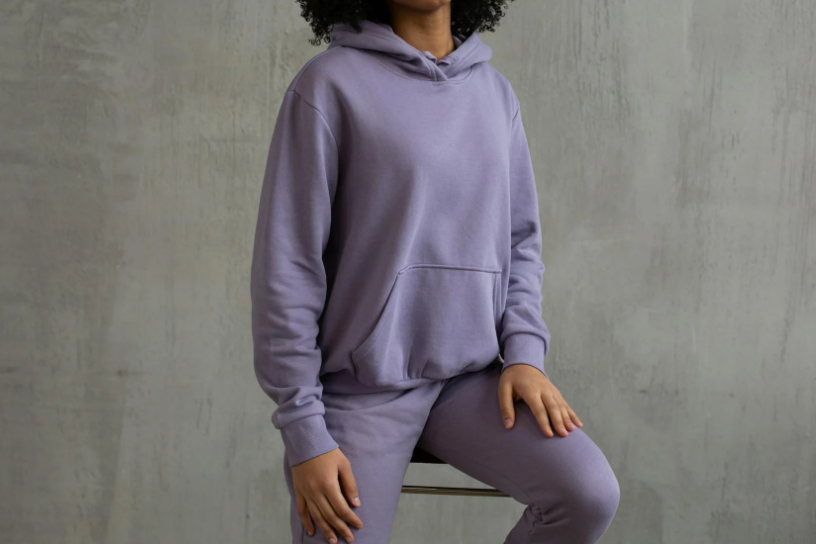
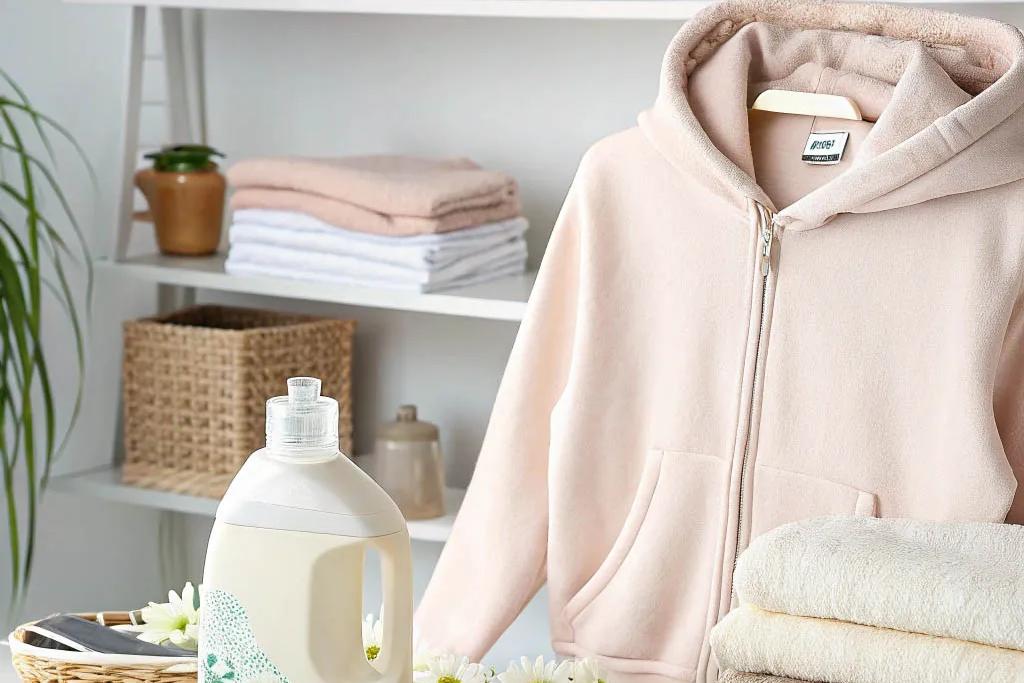
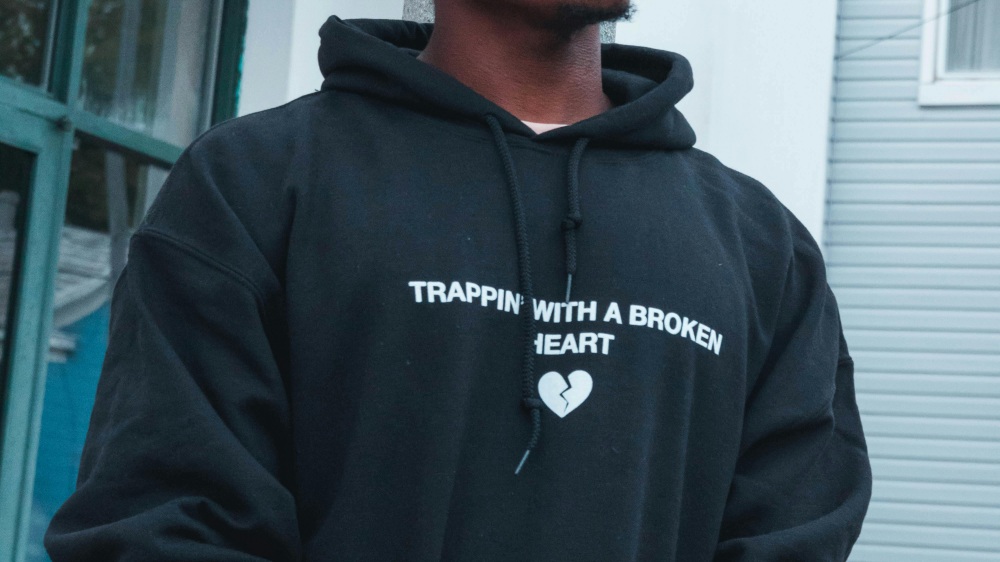
100% cotton hoodies are hard to find in stores. Cotton is more expensive than synthetic fibers. Many brands do not use cotton for hoodies. Manufacturers have trouble getting enough good cotton. Some companies call blends cotton, which confuses shoppers. Money problems make brands pick cheaper materials or blends, not pure cotton.
Many shoppers think they buy cotton hoodies, but blends are more common.
Key Takeaways
- 100% cotton hoodies are hard to find because they cost more and are hard to get. Brands pick cheaper blends to save money.
- Shoppers should always look at labels to see what fibers are used. Try to find GOTS certification to make sure the hoodie is really 100% cotton.
- Cotton hoodies feel soft and let air in. They are good for people with sensitive skin and for wearing every day.
- Remember, 100% cotton can shrink or change shape after you wash it. Blends last longer if you want something strong.
- Buy from small-batch makers to get special cotton hoodies. These makers often care more about quality and doing things the right way.
Why 100% Cotton Hoodies Are Rare
Cost Factors in 100% Cotton
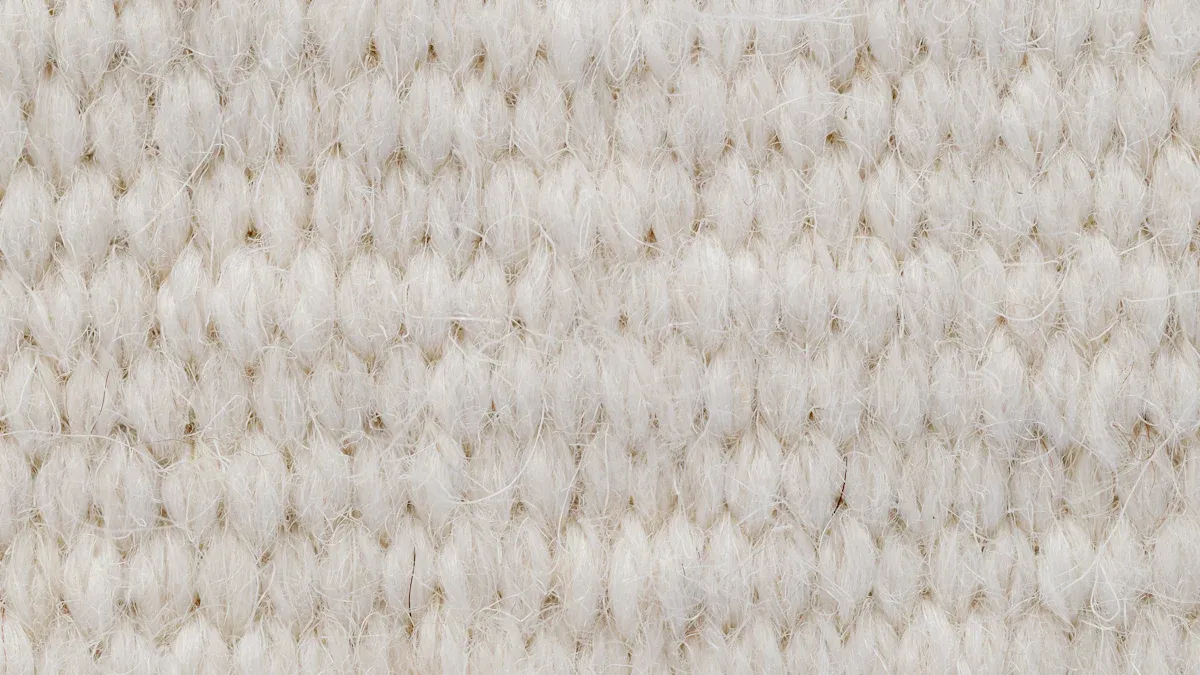
Some shoppers think 100% cotton hoodies should be cheaper than blends. But this is not true. Cotton prices can change a lot. Weather, demand, and world supply affect the price. Brands pay more for pure cotton. Organic cotton costs even more. This makes 100% cotton clothes harder to find in stores.
The table below shows the average price difference between 100% cotton hoodies and cotton-polyester blend hoodies:
| Hoodie Type | Average Price |
|---|---|
| 100% Cotton Hoodie | $22.38 |
| Cotton-Polyester Blend Hoodie | $29.18 |
Sometimes, 100% cotton hoodies cost less than blends. Still, brands pick blends more often. Blends help brands make more money. They also protect brands from big cotton price changes. Many companies use organic cotton, which is even pricier. All these reasons make 100% cotton clothes rare.
Sourcing Quality Cotton Fleece
It is hard to get enough good cotton fleece for hoodies. Manufacturers face many problems making 100% cotton clothes. They must check cotton quality at every step. This takes time and money. Brands that want organic cotton have more steps and higher costs.
Here are some main challenges in sourcing cotton fleece:
| Challenge | Description |
|---|---|
| Quality Control | Keeping the same quality for all cotton clothes is hard, especially with overseas factories. Brands need strict checks and sometimes third-party inspections. |
| Communication | Factories in different countries can cause delays and mistakes. Clear communication helps, but problems still happen. |
Most cotton fleece comes from a few countries. Each country has its own strengths for making hoodies. The table below lists the top suppliers:
| Rank | Country | Key Strengths for Hoodie Manufacturing |
|---|---|---|
| 1 | Vietnam | Technical capability, cost competitiveness, reliability |
| 2 | Indonesia | High-end knit construction, sophisticated elastane handling |
| 3 | Bangladesh | Competitive pricing, massive production capacity |
| 4 | Turkey | Fast replenishment, proximity to European markets |
| 5 | China | Advanced construction techniques, rapid prototyping |
| 6 | Cambodia | Competitive labor costs, expanding knit capacity |
| 7 | Sri Lanka | Premium performance wear, seamless construction |
| 8 | Thailand | Expertise in dye-sublimation printing |
| 9 | Mexico | Speed advantages, excels at cotton-rich athleisure and fleece |
| 10 | Portugal | Boutique-quality activewear, sustainable materials |
| 11 | Pakistan | Cotton expertise, competitive pricing for moisture-wicking basics |
Brands that want organic cotton work even harder. They must find farms that do not use chemicals. This makes organic cotton rare. It is harder to make 100% cotton clothes.
Economic Pressures and Market Trends
Money problems affect what materials brands use for hoodies. Cotton prices go up and down a lot. When prices rise, brands look for cheaper materials. Many brands mix cotton with polyester or other fibers. This helps them save money and keep prices steady.
- Cotton price changes make brands use blends instead of 100% cotton.
- Companies mix cotton with synthetic fibers to lower costs and keep profits.
- Brands use more organic cotton now, but it costs more and is harder to find.
- Many companies pick blends because they are easier to make and last longer.
Fashion trends matter too. In the last five years, more brands use blended fabrics. They mix spandex, polyester, and cotton to make soft, stretchy clothes. Some hoodies have waffle-like textures for comfort and style. These trends make 100% cotton clothes even harder to find.
Many brands call their hoodies “cotton” even if they use blends. Shoppers need to check labels to find real 100% cotton or organic cotton hoodies.
Challenges of Producing 100% Cotton Hoodies
Technical Demands in Manufacturing
Factories have many problems making 100% cotton hoodies. Cotton fibers need special machines to spin and knit them. These machines must work with cotton’s stretch and thickness. Workers watch the machines to stop mistakes. Cotton can break or get tangled during making. Factories must keep the air cool and not too wet. If not, cotton can lose its shape or get weak. Quality teams check each batch for softness and even color. These steps take more time and cost more than making blends.
Common Issues with All-Cotton Hoodies
Many people like how 100% cotton hoodies feel. But they may see some problems with all-cotton hoodies. Cotton can shrink after you wash it. The color may fade faster than blends. Cotton soaks up water, so it feels heavy when wet. Some hoodies lose their shape after a while. These problems make it hard for brands to promise the same fit and look after many washes.
Cotton hoodies are soft and let air in, but they may not last as long as blends.
Durability and Shrinkage Concerns
Making 100% cotton hoodies last is hard. Cotton is soft and comfy, but not as strong as polyester blends. Wear tests show polyester blends shrink less and keep their shape better. Cotton hoodies may shrink or stretch after washing. They also soak up sweat, so they are not great for sports or outside.
- Cotton hoodies are best for comfort and relaxing.
- Polyester blends are better for sports because they last longer and dry fast.
- Cotton is good for people who want natural fibers and breathability.
Brands must pick if they want comfort or strength. The problems of making 100% cotton hoodies make this choice important for both makers and buyers.
Who Prefers 100% Cotton Hoodies
Skin Sensitivity and Comfort
People with sensitive skin often choose 100% cotton hoodies. Cotton feels soft and gentle. Many people find that cotton clothes do not cause itching or rashes. Some children and adults have allergies to synthetic fibers. They wear cotton clothes to avoid skin problems. Doctors sometimes suggest cotton for people with eczema. Cotton lets the skin breathe and keeps it cool. Parents often buy cotton clothes for babies because they want comfort and safety.
Cotton clothes help many people feel comfortable all day.
Eco-Conscious Choices
Many shoppers care about the environment. They look for slow fashion options. Slow fashion means buying fewer clothes and choosing better quality. 100% cotton fits this idea. Cotton comes from plants, not oil. People who want to protect the earth pick cotton clothes. They know cotton breaks down faster than polyester. Some brands use organic cotton for their hoodies. These brands support slow fashion by making strong, long-lasting cotton clothes. Shoppers who care about slow fashion often buy 100% cotton hoodies. They want to reduce waste and avoid fast fashion.
- Slow fashion shoppers pick cotton clothes for less waste.
- Organic cotton supports slow fashion and helps the planet.
- Cotton clothes last longer and can be recycled.
Style and Breathability
Many people like the style of 100% cotton hoodies. Cotton gives a classic look. It feels soft and smooth. Cotton clothes come in many colors and shapes. People wear cotton hoodies for school, work, or relaxing at home. Cotton also helps with breathability. The fibers let air move through the fabric. This keeps people cool and dry. Cotton wicks away sweat and stops heat from building up.
- Key advantages of cotton hoodies:
- Comfort: The soft texture feels gentle on the skin.
- Breathability: Cotton fibers allow air to circulate and reduce sweat.
Slow fashion fans enjoy these benefits. They want clothes that look good and feel good. Cotton clothes meet both needs.
Finding Authentic 100% Cotton Hoodies
Specialty Retailers and Brands
Lots of people want 100% cotton hoodies. Not all stores sell them. Some stores and brands focus on real cotton products. These companies show what fibers they use. They give more choices for comfort and quality. Shoppers can look for these brands when buying cotton hoodies:
- Comfort Colors
- Fruit of the Loom
- Gildan
- Bella + Canvas
These brands have sold cotton clothes for a long time. They offer many styles and colors. This helps people find hoodies that fit their needs.
Identifying Genuine 100% Cotton
It can be hard to find real 100% cotton hoodies. Some labels say “cotton” but use other fibers too. Shoppers should check the tag for fiber content. Look for certifications that prove it is pure cotton. The Global Organic Textile Standard (GOTS) helps buyers know the cotton is real. The table below shows what GOTS certification means:
| Aspect | Description |
|---|---|
| Certification Name | GOTS (Global Organic Textile Standard) |
| Purpose | Checks if a product is made from 100% organic cotton and follows rules for the environment and workers. |
| Supply Chain Certification | Makes sure all suppliers and factories meet GOTS standards. |
| Environmental Impact | Keeps the environment safe during making. |
| Worker Safety | Makes sure workers are safe and paid fairly. |
| Product Safety | Makes sure only safe products touch your skin. |
| Recommendation | Pick GOTS certified clothes instead of just GOTS certified cotton for full safety. |
Tip: Always read the tag and look for GOTS certification to make sure the hoodie is 100% cotton.
Custom and Small-Batch Options
Small-batch makers are important for 100% cotton hoodies. These companies can change designs and make fewer hoodies at a time. They can make special hoodies fast. New brands work with small-batch makers for unique cotton hoodies. Local makers help the planet and treat workers well. People who want custom designs or care about how clothes are made pick small-batch options. These choices help shoppers find cotton hoodies that match their style and values.
Is 100% Cotton Worth the Effort?
Comfort and Value
Many people choose cotton for its comfort. Cotton feels soft against the skin. It does not cause itching for most people. Cotton lets air move through the fabric. This helps the body stay cool. People who wear 100% cotton hoodies often say they feel relaxed and cozy. Cotton also absorbs sweat, which keeps the skin dry. Some shoppers believe cotton gives better value because it feels good and looks nice. Cotton clothes often have a classic style that stays popular.
Cotton offers comfort that many synthetic fabrics cannot match.
Longevity vs. Blends
Cotton has some limits when it comes to lasting a long time. Cotton can shrink after washing. It may lose its shape or color faster than blends. Polyester blends often last longer and keep their color. They also resist shrinking. People who want hoodies for sports or outdoor use may pick blends. These blends dry faster and stay strong after many washes. Cotton works best for people who want comfort over toughness. Some people accept that cotton may not last as long because they like how it feels.
The table below compares cotton and blends:
| Feature | 100% Cotton | Blends (Cotton/Polyester) |
|---|---|---|
| Comfort | Very soft | Soft but less natural |
| Durability | Can shrink/fade | Holds shape, lasts longer |
| Breathability | Excellent | Good |
| Drying Speed | Slow | Fast |
When to Choose All-Cotton
Apparel experts suggest choosing all-cotton hoodies in certain situations:
- People living in warm or humid places benefit from cotton’s breathability.
- Those who want to relax at home enjoy the soft feel of cotton.
- Cotton works well for everyday comfort and lounging.
- Hot climates make cotton a smart choice because it helps the body stay cool.
People with sensitive skin or allergies often pick 100% cotton. Cotton does not trap heat, so it feels good in many seasons. Cotton hoodies suit those who want natural fibers and classic style.
Tip: People who value comfort and breathability should consider 100% cotton hoodies for their wardrobe.
100% cotton hoodies are hard to find because they cost more, are tough to get, and need special steps to make. People who have sensitive skin, care about the earth, or want soft clothes like these hoodies best. Smart shoppers look at brand info, read tags, touch the fabric, and check the stitching before they buy. They also look at logos and skip deals that seem fake. Doing good research helps people get real cotton and enjoy comfy hoodies for a long time.
FAQ
What makes 100% cotton hoodies different from blends?
100% cotton hoodies are made with only natural fibers. Blended hoodies use cotton mixed with synthetic fibers like polyester. Cotton feels softer and lets air move through better. Blends usually last longer and dry more quickly.
Do 100% cotton hoodies shrink after washing?
Yes, 100% cotton hoodies can get smaller after washing. Hot water or high heat in the dryer makes them shrink more. To stop this, wash in cold water and let them air dry.
Are 100% cotton hoodies better for sensitive skin?
People with sensitive skin often pick cotton hoodies. Cotton feels soft and does not make most people itch. Synthetic fibers can bother the skin sometimes.
How can shoppers tell if a hoodie is truly 100% cotton?
Always look at the care label to see what fibers are used. Check for certifications like GOTS. Some brands share material details on their websites. If you are not sure, ask the seller for more information.