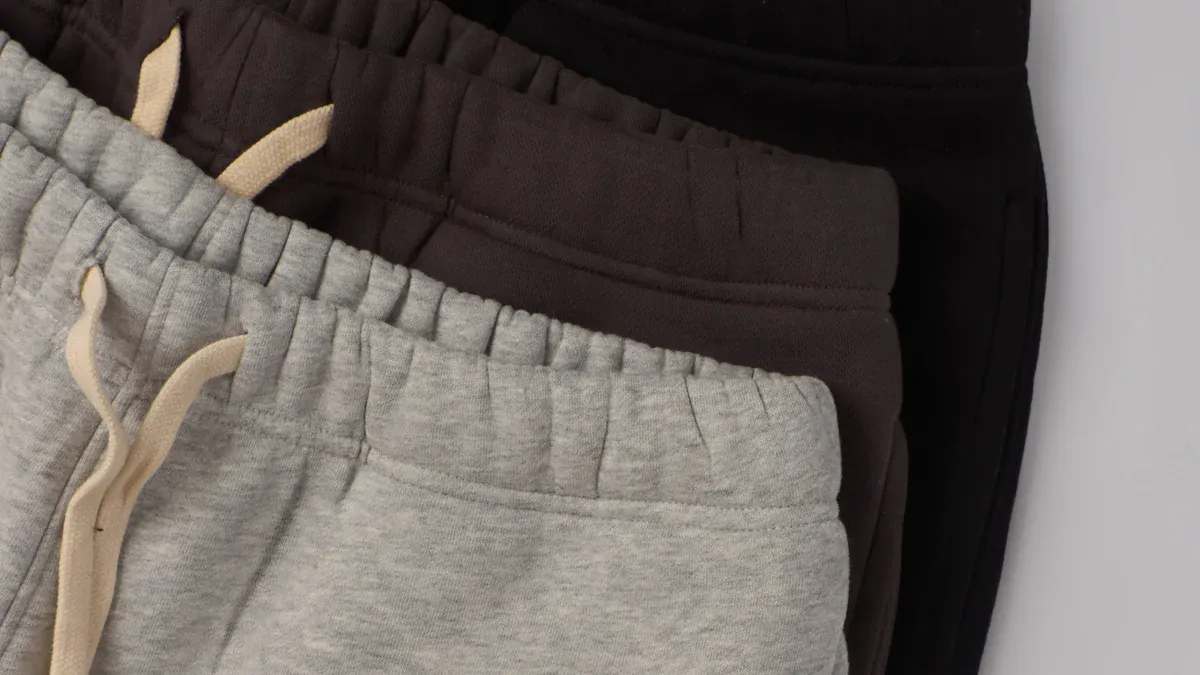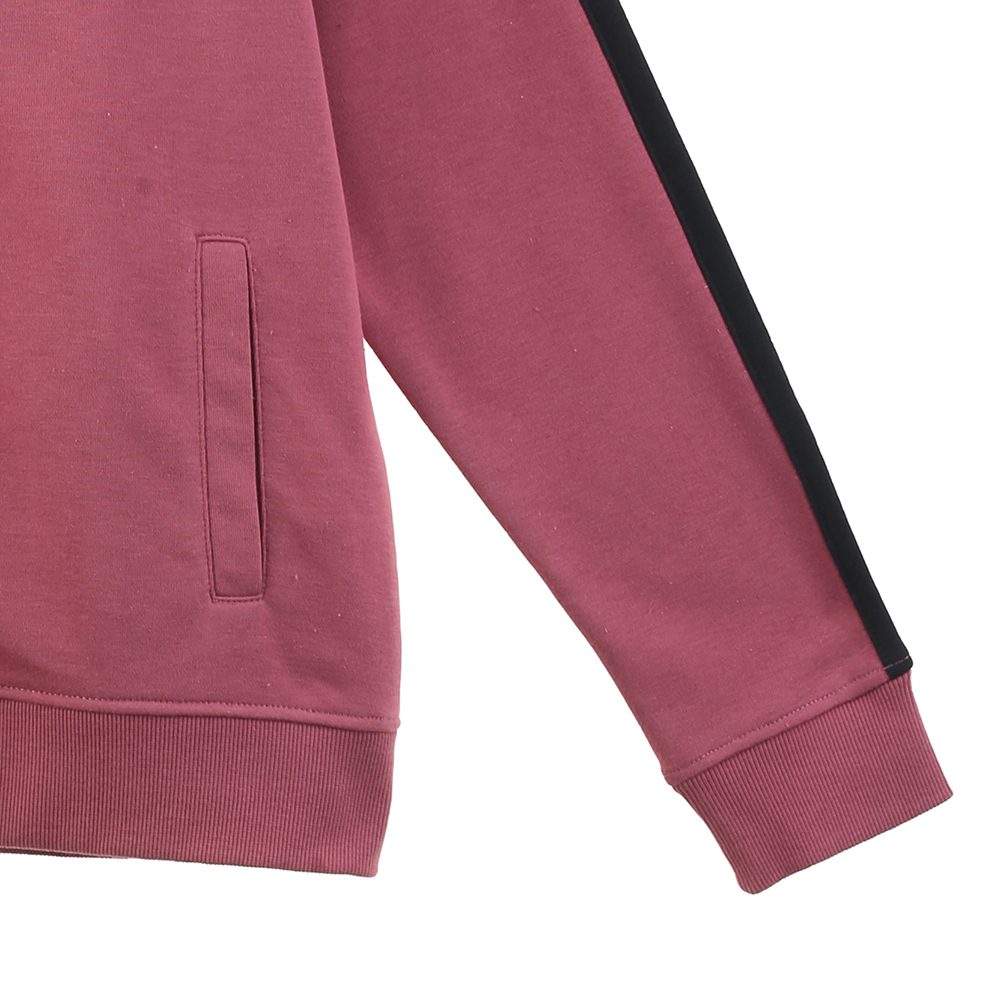
French terry has become the premium fabric of choice for streetwear, loungewear and activewear, but its higher price tag often raises questions. The cost difference comes down to superior raw materials, specialized manufacturing, strict quality control and ethical sourcing. NBJM, a leading French terry supplier, breaks down exactly what makes this fabric worth the investment.
Key Takeaways
- Premium 100% cotton fibers create a softer, more durable fabric than standard cotton blends
- The unique looped knit structure requires specialized machinery and skilled labor
- Heavier GSM weights use more material and deliver better performance and longevity
- Strict quality testing and ethical manufacturing add significant production costs
- Sustainable certifications like GOTS and OEKO-TEX increase value but add 10-20% to material costs
Core Cost Drivers: What Makes French Terry More Expensive

Premium Cotton
The foundation of high-quality French terry is its raw material. Unlike budget fabrics that use recycled or blended cotton, premium French terry is made from 100% long-staple cotton. These longer fibers create a smoother, stronger fabric that resists pilling, stretching and fading.
NBJM sources only eco-friendly, responsibly harvested cotton for our French terry collections. We offer both conventional and GOTS-certified organic cotton options, allowing brands to align with their sustainability goals. Organic cotton requires more careful farming practices, which adds to the material cost but delivers a superior, more sustainable product.
Specialized Knitting Process
French terry’s signature softness and absorbency come from its unique construction. Unlike regular knit fabrics, it is produced on circular knitting machines that create uncut loops on one side and a smooth, flat surface on the other.
This specialized process requires:
- Expensive, precision-engineered knitting machines
- Skilled technicians to adjust loop size and fabric density
- Multiple finishing steps to set the fabric’s structure and texture
- Additional quality checks to ensure consistent loop formation
Fabric Weight
French terry is available in a range of weights, measured in grams per square meter (GSM). Heavier fabrics use more cotton and require longer production times, directly impacting the final price.
| Weight Class | GSM Range | Best For | Seasonality |
|---|---|---|---|
| Lightweight | 180-220 | T-shirts, layering pieces, summer sets | Spring/Summer |
| Mid-Weight | 230-280 | Joggers, zip-up hoodies, lightweight vests | Year-Round |
| Heavyweight | 300-400+ | Oversized hoodies, structured jackets, winter wear | Autumn/Winter |
NBJM offers custom weight options from 180 GSM to 450 GSM, allowing brands to select the perfect fabric for their specific products and target markets.
Manufacturing Factors That Increase French Terry Prices

Strict Quality Control
Every roll of NBJM French terry undergoes rigorous testing to meet international quality standards:
- Shrinkage testing (ISO 5077 compliant)
- Shape retention testing
- Zero-defect final inspection
- Color fastness testing
These steps ensure that our fabrics perform consistently wash after wash, reducing return rates and increasing customer satisfaction.
Ethical Labor Practices
Skilled labor is a significant component of French terry’s cost. NBJM pays fair wages to all our workers and provides safe working conditions. We believe ethical manufacturing is not just the right thing to do—it also results in higher-quality products.
Sustainable and Ethical Sourcing
More brands are demanding sustainable fabrics, and certified French terry commands a premium. NBJM offers OEKO-TEX and GOTS-certified options, which require:
- Environmentally friendly farming practices
- Safe, non-toxic dyes
- Fair labor conditions throughout the supply chain
While certified fabrics cost 10-20% more, they allow brands to appeal to eco-conscious consumers and meet retailer sustainability requirements.
French Terry Value and Fabric Comparison
Is French Terry Worth the Higher Price?
Absolutely. French terry delivers unmatched value through its unique combination of durability, comfort and versatility:
- Durability: Resists pilling, stretching and shrinking, lasting 2-3 times longer than budget fabrics
- Comfort: Breathable and moisture-wicking, keeping you cool in summer and warm in winter
- Versatility: Works for hoodies, joggers, t-shirts and jackets, making it a year-round staple
A study in the Journal of Textile Studies found that French terry’s superior moisture control increases wearer comfort by 25% during physical activity.
French Terry vs. Other Popular Fabrics
To better understand French terry’s value, compare it to other common clothing fabrics:
| Criteria | French Terry | Fleece | Jersey |
|---|---|---|---|
| Construction | Looped pile on reverse | Brushed fluffy surface | Single-layer knit |
| Weight | 250-400 GSM | 200-350 GSM | 120-200 GSM |
| Breathability | Moderate | Low | High |
| Warmth | Medium | High | Minimal |
| Durability | Excellent | Good | Fair |
| Best For | Hoodies, joggers, loungewear | Winter jackets, blankets | T-shirts, summer dresses |
While French terry has a higher upfront cost, its longer lifespan and superior performance make it the most cost-effective choice for premium apparel brands.
Conclusion
French terry’s higher price reflects its superior quality, specialized manufacturing and ethical production practices. For brands looking to create durable, comfortable and stylish apparel that stands out in a crowded market, French terry is an excellent investment.
At NBJM, we have over 10 years of experience producing premium French terry for global brands. Our commitment to quality, sustainability and customer service has made us a trusted partner for apparel companies worldwide.
Contact our team today to request samples or discuss your custom French terry requirements.
FAQ
What makes French terry different from regular cotton?
French terry features a unique looped knit construction that provides extra softness, absorbency and warmth compared to standard plain-weave cotton.
Can French terry be worn in summer?
Yes, lightweight French terry (180-220 GSM) is highly breathable and moisture-wicking, making it perfect for summer loungewear and activewear.
How do I care for French terry garments?
Wash in cold water with mild detergent, avoid bleach, and tumble dry on low or hang to dry. This will preserve the fabric’s softness and shape.
What custom options does NBJM offer for French terry?
NBJM offers custom weights, colors, finishes and organic cotton options. We also provide low minimum order quantities and fast sample turnaround times.
Do you offer sustainable French terry?
Yes, we provide GOTS-certified organic French terry and OEKO-TEX Standard 100 certified fabrics to meet your sustainability needs.