Standing in front of your closet, trying to decide what to wear for a morning jog or a lazy Sunday? You’re not alone. Most people get confused between sweatsuits and tracksuits—they look similar but serve very different purposes. The biggest differences lie in their materials and intended use. Sweatsuits are thick, soft, and made for warmth and relaxation. Tracksuits use lighter, more breathable fabrics designed for movement and exercise. Choosing the right one ensures you feel comfortable and look appropriate for any activity.
Key Takeaways
- Sweatsuits are made from thick, soft fabrics like cotton and fleece for maximum warmth and coziness
- Tracksuits use lightweight synthetic materials like polyester and nylon that wick sweat and allow free movement
- Choose a sweatsuit for lounging, travel, or casual errands; pick a tracksuit for workouts, jogging, or active days
- Sweatsuits have a loose, relaxed fit; tracksuits typically have a more athletic, tapered cut
- Match your choice to the weather: fleece for winter, lightweight polyester for summer
Sweatsuit Overview
What Is a Sweatsuit?
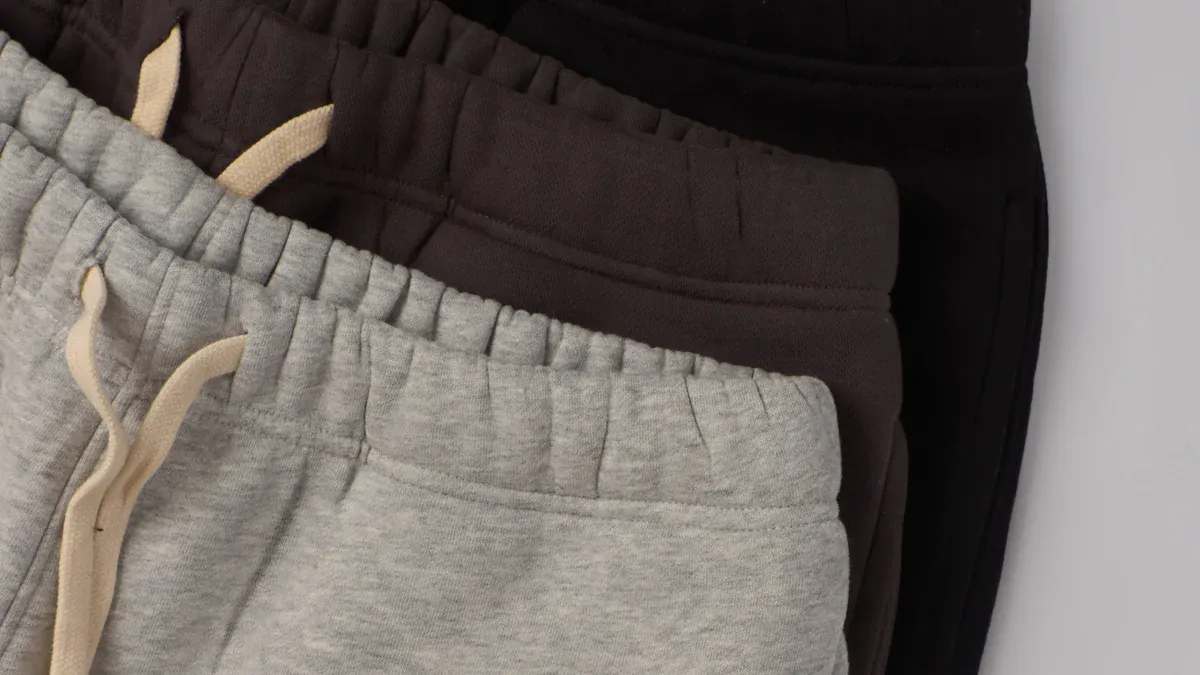
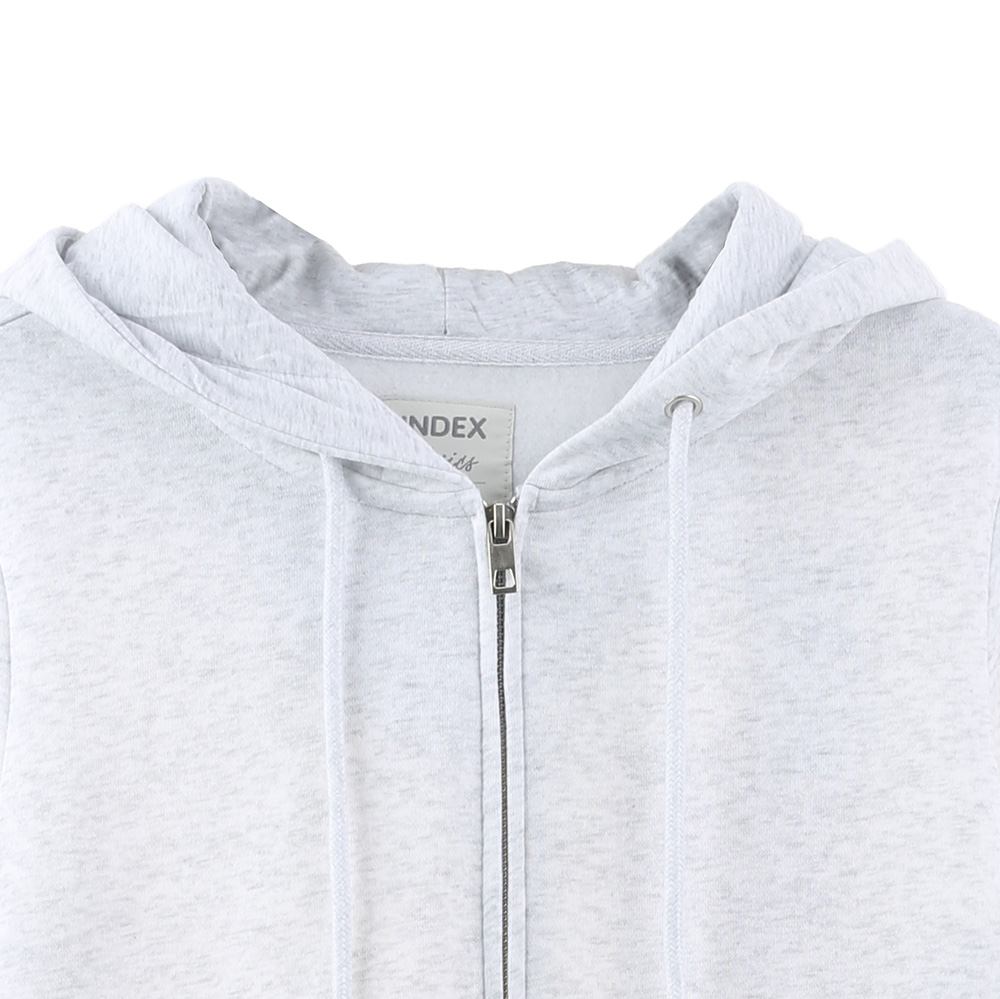
A sweatsuit is a matching two-piece set consisting of a sweatshirt/hoodie and sweatpants. It is universally known as the ultimate comfort clothing, designed for relaxation and casual wear. The loose, forgiving fit and soft fabrics make it a staple for lazy days at home, travel, and quick errands.
Common Materials and Fit
Sweatsuits are typically made from thick, plush fabrics:
- Cotton: Soft, breathable, and gentle on skin
- Fleece: Exceptionally warm and cozy for cold weather
- Cotton-polyester blends: More durable and resistant to pilling than pure cotton
- Eco-friendly options: Bamboo and recycled polyester for sustainable style
They feature a relaxed, roomy fit with elastic waistbands and cuffs that allow unrestricted movement.
Tip: Look for sweatsuits made from organic cotton or recycled materials to reduce your environmental impact.
Typical Uses and History
Sweatsuits were originally created for athletes but have evolved into everyday casual wear. They are perfect for:
- Lounging at home
- Running quick errands
- Long flights and road trips
- Staying warm indoors during winter
| Year/Period | Development |
|---|---|
| 1920 | French brand Le Coq Sportif invented sweatpants for athlete comfort |
| 1980s | Run-DMC popularized sweatsuits in hip-hop culture, making them mainstream |
Tracksuit Overview
What Is a Tracksuit?
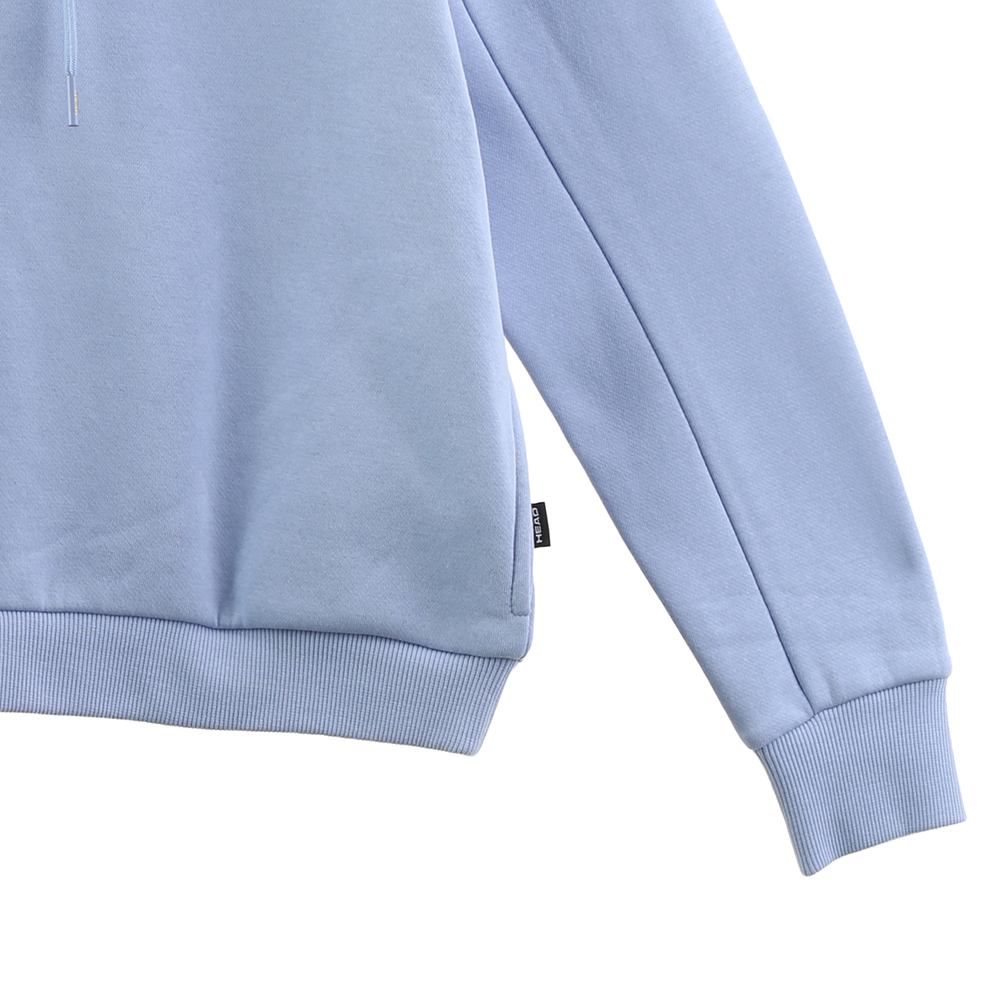
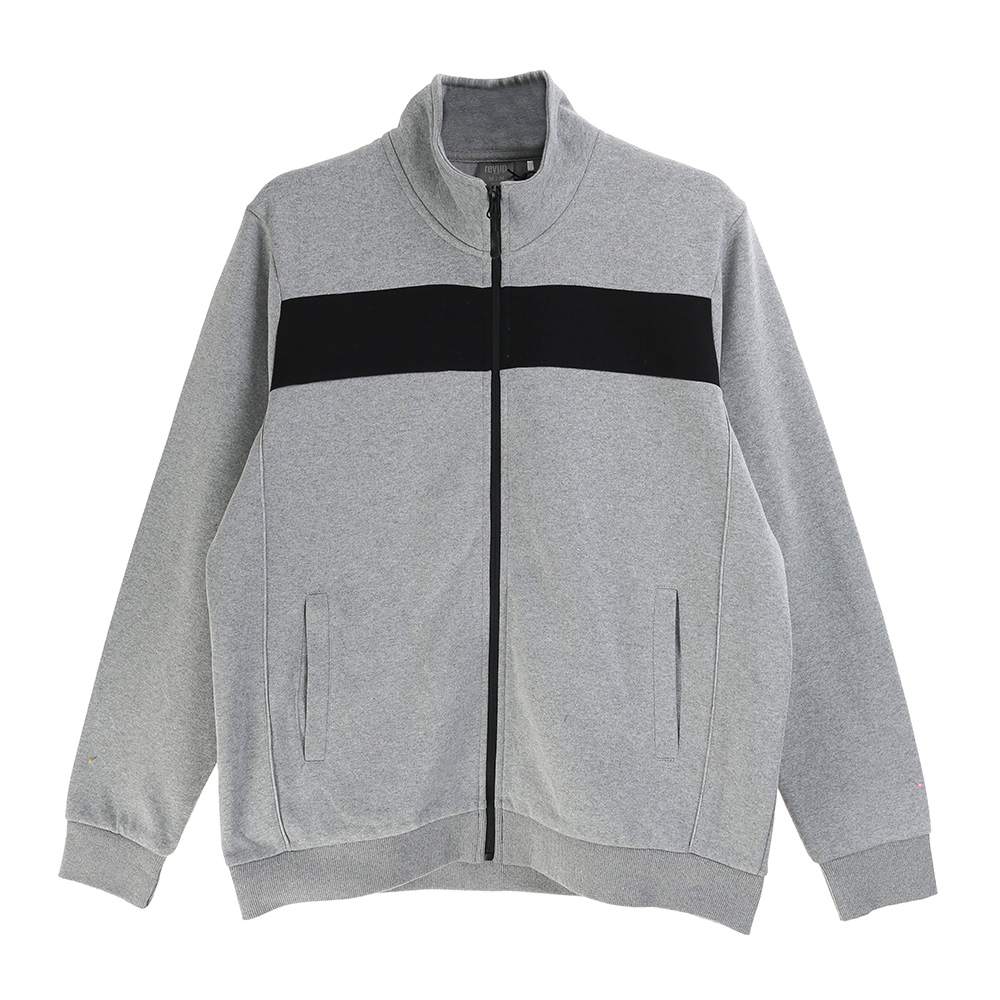
A tracksuit is also a two-piece set, but it consists of a zip-up jacket and matching tracksuit bottoms. It was originally designed for athletes to wear before and after competitions to keep their muscles warm. Today, tracksuits are worn for both sports and everyday athleisure style.
Key Features
| Feature | Description |
|---|---|
| Materials | Lightweight, breathable synthetics like polyester and nylon |
| Design | Zip-front jacket, elastic waist pants, often with signature stripes |
| Fit | Athletic tapered cut, with stretch for full range of motion |
| Function | Moisture-wicking, quick-drying, and wind-resistant |
Materials and Athletic Performance
Tracksuits are engineered for performance:
- Polyester: Lightweight, quick-drying, and excellent at wicking sweat
- Nylon: Durable, stretchy, and wind-resistant
- Spandex blends: Add stretch for unrestricted movement
- Specialized fabrics: For cold weather, fleece-lined tracksuits provide warmth without bulk
Traditional tracksuits have a slim, athletic fit that hugs the body without restricting movement, though modern casual styles also come in relaxed cuts.
When to Wear a Tracksuit
Tracksuits excel in active situations:
- Pre and post-workout warm-ups and cool-downs
- Jogging, walking, and gym sessions
- Outdoor activities and sports
- Casual athleisure outfits
Tip: Always choose tracksuits with moisture-wicking fabric to stay dry and comfortable during exercise.
Key Differences Between a Sweatsuit and a Tracksuit
| Aspect | Sweatsuit | Tracksuit |
|---|---|---|
| Primary Materials | Thick cotton, fleece | Lightweight polyester, nylon |
| Texture | Soft, plush, fuzzy | Smooth, sleek, lightweight |
| Fit | Loose, relaxed, roomy | Athletic, tapered, close-fitting |
| Core Function | Warmth, comfort, relaxation | Breathability, movement, sweat control |
| Best For | Lounging, travel, cold days | Exercise, jogging, active days |
| Ideal Seasons | Fall, winter | Spring, summer, early fall |
| Style | Minimal, neutral colors, simple designs | Bold colors, stripes, sporty details |
| Sweat Absorption | Absorbs sweat but dries slowly | Wicks sweat away and dries quickly |
How to choose the right clothes
Match to Your Activity
The most important factor is what you’ll be doing:
- Choose a sweatsuit if: You plan to relax at home, run errands, or stay warm indoors
- Choose a tracksuit if: You’re going for a jog, hitting the gym, or doing any physical activity
Consider the Weather
- Cold weather: A fleece sweatsuit will keep you warm and cozy
- Warm weather: A lightweight polyester tracksuit will keep you cool and dry
- Mild weather: A cotton-blend sweatsuit or thin tracksuit both work well
Style Tips
Both can be styled to look fashionable beyond their basic use:
- Sweatsuit hack: Neutral sweatsuit + white sneakers + leather jacket = effortless casual chic
- Tracksuit hack: Black tracksuit + chunky sneakers + baseball cap = modern streetwear vibe
For a polished look, stick to neutral colors like black, navy, grey, and olive. Avoid large logos or bright patterns if you want a more refined appearance.
Conclusion
Sweatsuits and tracksuits are both essential wardrobe staples, but they serve different purposes. A sweatsuit is your go-to for comfort and relaxation, while a tracksuit is designed for activity and performance. Having both in your closet ensures you’re prepared for any occasion.
Whether you’re developing a comfort-focused sweatsuit collection or a performance-driven tracksuit line, understanding the differences in fabric, fit, and functionality is essential. NBJM works with apparel brands and retailers worldwide to develop customized tracksuits and sweatsuits tailored to different markets and consumer needs.
FAQ
What is the main difference between a sweatsuit and a tracksuit?
Sweatsuits are made from thick, soft fabrics for warmth and relaxation. Tracksuits use lightweight, breathable materials designed for movement and exercise.
Can you wear a tracksuit for lounging at home?
Absolutely. Tracksuits are light and comfortable for relaxing. However, sweatsuits are warmer and cozier, making them better for cold days.
Are fleece tracksuits good for sports?
Fleece tracksuits are great for warming up before sports or for outdoor activities in cool weather. For intense exercise, choose a lighter, moisture-wicking tracksuit to avoid overheating.
How do you care for sweatsuits and tracksuits?
Always check the care label. Sweatsuits should be washed in cold water on a gentle cycle. Tracksuits made from synthetics dry quickly and should be tumble dried on low heat. Avoid bleach to preserve colors.
Can I wear a sweatsuit or tracksuit to work?
Only in very casual workplaces. Opt for neutral colors and pair with structured shoes like loafers to elevate the look. Avoid bright colors or large athletic logos.
Which one is better for travel?
Both are excellent for travel. Sweatsuits are warmer and cozier for long flights, while tracksuits are lighter and more breathable for warm destinations.