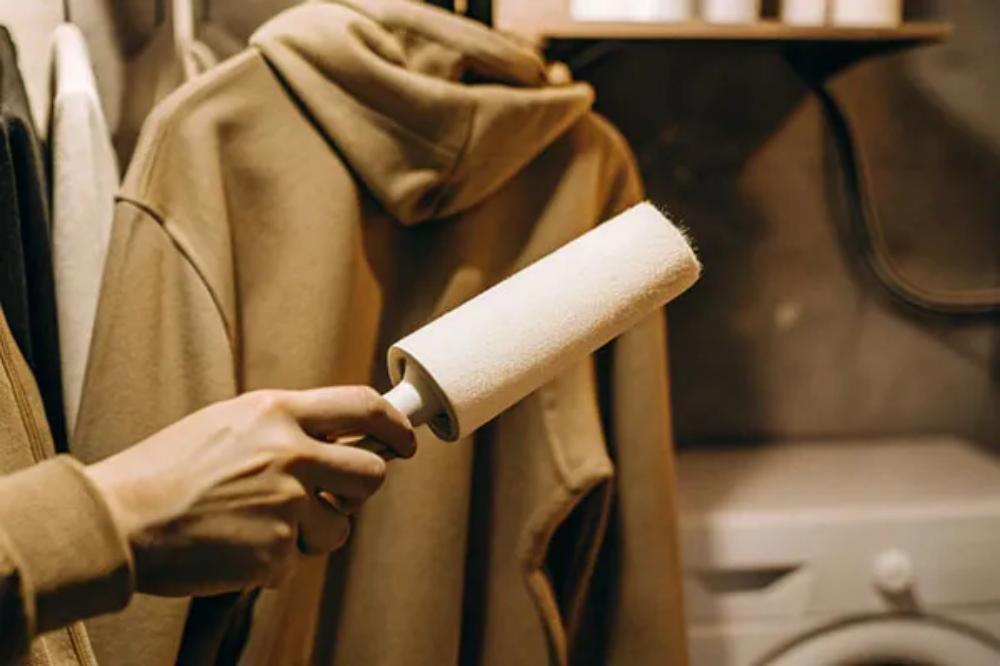
The main difference between fleece and brushed fleece is inside feel. Brushed fleece has a soft, fluffy inside. This makes it warmer and keeps heat in better. Regular fleece has a loopback inside. It feels lighter and lets air pass through more easily. Picking one changes how comfy and happy you feel. The table below shows how these features change warmth, feel, and use.
| Feature | Brushed Fleece | Unbrushed Fleece |
|---|---|---|
| Inner Surface | Fluffy, soft, warm | Loopback texture |
| Warmth | Higher insulation | More breathable |
| Texture | Smooth outer, fuzzy in | Raw/streetwear aesthetic |
| Weight feel | Feels heavier | Slightly lighter |
| Common usage | Winter hoodies, lounge | Streetwear, transition |
Key Takeaways
- Brushed fleece is soft and fluffy inside. It is warmer than regular fleece. Regular fleece has a looped texture.
- Pick brushed fleece if you want to stay warm in winter. Regular fleece is better for outdoor sports. It lets air move through it.
- Fleece is light and dries fast. It is strong and lasts a long time. People like to use it for jackets, hoodies, and blankets.
- Wash fleece in cold water to keep it soft. Let it air dry to stop pilling.
- Knowing the differences in fleece helps you choose the right fabric. This makes sure you are comfortable and happy.
Fleece Fabric Overview
What Is Fleece?
Fleece is a well-liked fabric. Factories make it by knitting fibers. Most fleece uses polyester. Some fleece has cotton or spandex blends. These blends help the fabric stretch more. Fleece feels soft and keeps you warm. People wear fleece in cold weather. It holds heat close to your body. The fuzzy surface makes tiny air pockets. These pockets trap warmth. Fleece does not soak up much water. This helps for outdoor clothes.
Common types of fleece include:
- Cotton or cotton blended fleece
- Polyester fleece
- Microfleece
- Polar fleece
- French terry fleece
- Sherpa fleece
- Slub fleece
- Lycra spandex fleece
Common Features of Fleece Fabrics
Fleece fabrics have many good qualities. The table below lists the main features:
| Characteristic | Description |
|---|---|
| Softness | Fleece has a soft inside. It feels very comfy. |
| Warmth | Fleece traps warm air. It keeps you warm in cold weather. |
| Lightweight | Fleece is lighter than other warm fabrics. You can carry it easily. |
| Breathability | Fleece lets sweat dry fast. It keeps you dry when you move. |
| Moisture-wicking capabilities | Fleece pulls sweat away from your skin. You stay comfy when you play or run. |
| Durability | Fleece is made from strong fibers. It does not wear out fast and keeps its shape after washing. |
| Versatility | Fleece works for many things. You can use it for winter clothes, sports gear, or home items. |
Fleece is different from other fake fabrics. It is warm, light, and lets air pass through. It dries fast and is good for cold or wet days.
Practical Uses of Fleece Fabrics
People use fleece in lots of ways. You see fleece in jackets, hoodies, and hats. It keeps you warm and cozy. Blankets and throws use fleece for softness. Sports brands like fleece because it dries quickly. Sherpa and microfleece are used in winter coats and pajamas. Fleece is also in robes, gloves, and pet beds. It costs less and is easy to wash. Families and people who love the outdoors choose fleece often.
Brushed Fleece Explained
How Brushed Fleece Gets Its Texture
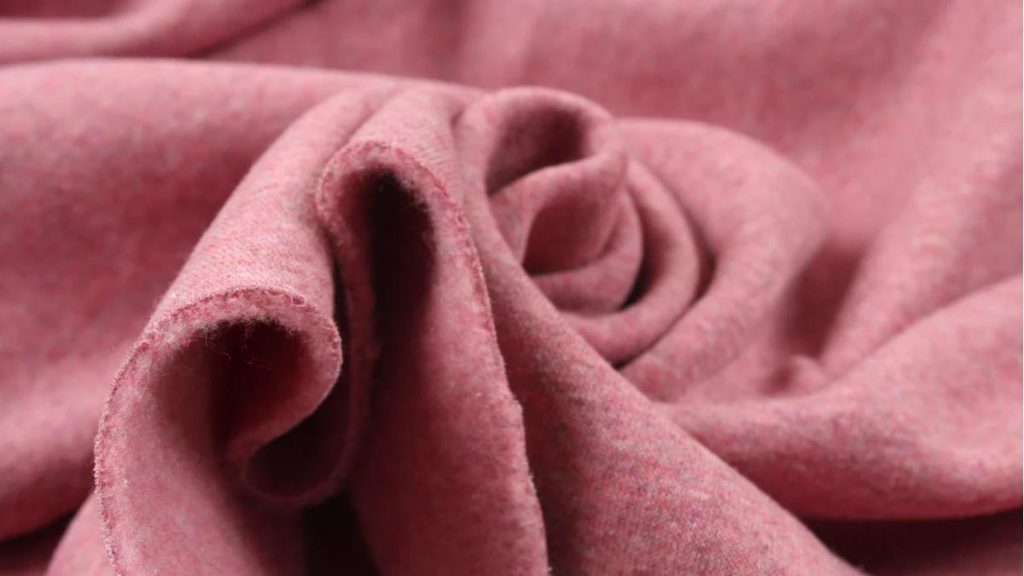
Manufacturers use a few steps to make brushed fleece soft. First, workers make the fabric by knitting or weaving yarn. They can use different ways to do this. Next, the fabric is cleaned. Sometimes, it is also dyed to add color. In the last step, special machines with wire bristles brush the fabric. These bristles pull up loose fibers. This makes the fabric feel fluffy and soft.
- Fabric Preparation: Yarn is knitted or woven into fabric.
- Pre-treatment: The fabric is cleaned and sometimes dyed.
- Brushing Process: Wire bristles pull up fibers for a soft feel.
The brushing process also uses napping and shearing. These steps change the fabric’s surface. This makes brushed fleece stronger. The raised fibers help brushed fleece keep heat in and last longer.
Texture and Feel
Brushed fleece is known for being soft and plush. Many people say it feels cozy and nice. The smooth surface makes it comfy to wear or snuggle. This fabric feels warmer than regular fleece. Brushing gives brushed fleece a fancy feel. Regular fleece can feel rough and may pill after washing. Brushed fleece stays smooth and soft for a long time.
Tip: Brushed fleece is great for people who want extra warmth and a soft feel in their clothes or blankets.
Top Uses for Brushed Fleece
Brushed fleece is used in many clothes and accessories. The table below shows where it is often used.
| Application Category | Description |
|---|---|
| Athletic Wear | Good for hoodies and joggers |
| Loungewear | Great for comfy clothes |
| Sleepwear | Used a lot in sleep clothes |
| Children’s Garments | Often used in kids’ clothes |
| Jacket Lining | Works well as lining material |
| High-Volume Production | Saves money for big production runs |
Designers pick brushed fleece for things that need to be warm and comfy. Parents like it for kids’ clothes because it is gentle on skin. Sports brands use it in hoodies and joggers to make them cozier. Many people like brushed fleece in blankets and sleepwear for cold nights.
Difference Between Fleece Types
Texture Comparison
Fleece and brushed fleece feel different when you touch them. Regular fleece has loops on the inside. This makes it feel thick and heavy. Brushed fleece has a soft, fuzzy inside. Machines brush the fibers to make it plush and warm. Many people think brushed fleece feels lighter and cozier. The table below shows how their textures are not the same:
| Feature | Regular Fleece | Brushed Fleece |
|---|---|---|
| Underside Texture | Looped underside | Soft, fuzzy texture |
| Feel | Denser and heavier | Softer and lighter |
| Overall Characteristics | Provides durability and structure | Plush and warm feel |
People pick regular fleece if they want strong fabric. People choose brushed fleece for a soft and cozy feel. You can tell the difference by touching both types.
Warmth and Insulation
Fleece is popular because it keeps you warm. The type you pick changes how much heat it holds. Regular fleece traps air in its loops. This helps your body stay warm. Brushed fleece is even warmer. Brushing lifts the fibers and makes more air pockets. These pockets hold extra heat. Brushed fleece feels warmer in cold weather. Many hoodies and blankets use brushed fleece for this reason.
Note: Brushed fleece is good for people who need more warmth in winter.
Underside Structure
The inside of fleece types is not the same. Regular fleece has loops on the inside. This makes it strong and helps it last longer. Brushed fleece has a fuzzy, raised inside. Brushing changes the loops into a soft surface. This makes brushed fleece gentle on your skin. The way the underside is made changes how each fabric feels and works.
Weight and Durability
Fleece types are different in weight and how long they last. Regular fleece is heavier and feels sturdy. It does not fade and keeps its shape after washing. Many people use regular fleece for jackets and outdoor clothes because it lasts longer. Brushed fleece is lighter and softer. It is comfy but may not last as long. Some people say brushed fleece can pill or wear out faster. The table below shows the good and bad sides:
| Feature | Fleece | Brushed Fleece |
|---|---|---|
| Advantages | Durable, warm, stable, resistant to fading | Soft, cozy, warm, comfortable |
| Disadvantages | Can be more expensive due to manufacturing | May not be as durable as regular fleece |
Choosing between fleece and brushed fleece depends on what you need. Regular fleece is good for outdoor fun. Brushed fleece is better for relaxing at home. Knowing these differences helps you pick the best fabric.
Fleece vs. Brushed Fleece Composition
Materials Used
Manufacturers use different materials to make fleece and brushed fleece. Polyester is the most common because it is strong and cheap. Cotton is often mixed in to make the fabric softer and let air through. Some companies use bamboo or hemp because they are better for the planet. Recycled polyester is popular for people who care about the environment. Sometimes, organic cotton and wool are used in special fleece items. Rayon can be added to make the fabric look brighter and shinier.
| Material | Description |
|---|---|
| Polyester | Derived from plastic, commonly used in fleece. |
| Cotton | Natural fiber, often blended with polyester. |
| Bamboo | Sustainable alternative for fleece production. |
| Hemp | Another sustainable option for fleece fabrics. |
| Recycled Polyester | Eco-friendly alternative made from recycled materials. |
| Organic Cotton | Grown without synthetic pesticides, used in fleece. |
| Wool | Occasionally blended for texture and warmth. |
| Rayon | Sometimes mixed for added vibrance. |
Note: Recycled polyester uses less energy than new polyester and helps reduce waste.
Blends and Variations
Fleece and brushed fleece often mix materials to get the best feel and price. The most popular mix is polyester and cotton together. This blend makes the fabric strong and soft at the same time. Some blends have more polyester to last longer. Others have more cotton to let your skin breathe. Special blends may use bamboo or hemp for a greener choice.
| Blend Ratio | Description |
|---|---|
| 65% Polyester, 35% Cotton | Most common blend, offering a balance of durability and comfort. |
| 60% Polyester, 40% Cotton | Combines benefits of both materials, balancing durability and comfort. |
| 50% Polyester, 50% Cotton | Increased softness with better breathability but slightly reduced durability. |
| 80% Polyester, 20% Cotton | Prioritizes strength and affordability, often used in industrial applications. |
Making fleece can hurt the environment. Factories use chemicals that are not safe for people or nature. Dyeing the fabric uses lots of water and can make rivers dirty. Washing fleece can send tiny plastic pieces into the ocean. These can harm fish and other animals. Using recycled fleece saves energy and cuts down on trash.
- The first step uses chemicals that can be bad for health and nature.
- Dyeing the fabric uses lots of water and can pollute lakes and rivers.
- Washing fleece lets out small fibers that may end up in the sea.
- Recycled fleece saves energy and makes less waste.
Choosing the Right Fleece
Comfort and Climate
Picking the best fabric depends on comfort, weather, and what you do. People in cold places like brushed fleece because it feels soft and keeps them warm. If you want something lighter, regular fleece is a good choice. It holds heat but does not feel as fluffy. The table below shows how each type works for different weather and uses:
| Feature | Fleece | Brushed Fleece |
|---|---|---|
| Warmth | Keeps heat in well | Soft and warm, nice for relaxing |
| Softness | Not as soft as brushed fleece | Extra soft for more comfort |
| Intended Use | Great for winter clothes | Good for casual wear and relaxing |
Outdoor fun like hiking or camping needs fabric that is warm and lets air through. Regular fleece is nice for slow activities like walking in the park or sitting by a fire. Jackets with stretchy parts help you move better when hiking. Light and medium fleece are good for layering and wearing all year. Thick fleece like sherpa is best for relaxing at home.
Price is important too. Brushed fleece costs about $2.25 to $2.70 for each yard if you buy a lot. Regular fleece costs between $2.00 and $3.50 for each yard. Buying more at once makes each yard cheaper. This helps if you need a lot of brushed fleece for big projects.
Fleece and Brushed Fleece Care Tips
Taking care of your clothes helps them stay soft and look new. Wash fleece in a net bag to stop it from pilling. After washing, use a soft brush to make it smooth and look better.
- Do not use strong chemicals like bleach or fabric softener. These can hurt the fabric and fade the color.
- Use gentle soap to keep fleece bright and soft.
- Wash in cold water on a gentle cycle so it does not shrink or get flat.
- Let fleece air dry to keep it soft and colorful. Do not put it in direct sunlight.
Tip: Taking good care of fleece and brushed fleece helps them last longer and stay comfy.
Fleece and brushed fleece have different good points. Brushed fleece is very soft and keeps you warm. It is great for wearing when you want to feel cozy. Regular fleece lets air move through and lasts longer. This makes it better for people who are active. The table below shows what makes each type special:
| Type of Fleece | Characteristics | Benefits |
|---|---|---|
| Fleece | Many kinds, like polar or printed | Works for many styles and needs |
| Brushed Fleece | Super soft and warm | Best for comfort in cold weather |
| Printed Fleece | Looks cool and feels nice | Good for fashion and home use |
- Brushed fabrics help you stay warm and comfy in winter.
- Non-brushed fabrics are good for sports and summer days.
- Learning these things helps you choose the best fabric.
Some people think fleece is always made from polyester or is not good quality. But fleece comes in lots of types and can be very soft. Both fleece and brushed fleece help you stay warm and feel good. The best one for you depends on your style and how you want to use it.
FAQ
What makes brushed fleece warmer than regular fleece?
Brushed fleece traps more air because machines raise the fibers. This extra air acts as insulation. The fabric keeps heat close to the body. People feel warmer when they wear brushed fleece in cold weather.
Can you wear fleece in warm weather?
People can wear lightweight fleece in mild weather. Fleece lets air move through the fabric. This helps the body stay cool. Thin fleece works well for spring or fall. Heavy fleece feels too warm for summer.
Does brushed fleece pill more than regular fleece?
Brushed fleece may pill faster. The raised fibers rub together during washing. Small balls of fiber form on the surface. Regular fleece with looped fibers usually resists pilling better.
Is fleece always made from polyester?
Most fleece uses polyester. Some fleece blends use cotton, bamboo, or recycled fibers. Polyester makes fleece strong and easy to wash. Cotton blends feel softer and let skin breathe.
How should you wash fleece to keep it soft?
Wash fleece in cold water on a gentle cycle. Use mild soap. Avoid bleach and fabric softener. Air dry the fabric to keep it fluffy. A mesh laundry bag helps prevent pilling.