Fleece apparel is a soft, man-made fabric that keeps you warm without being heavy. Many people appreciate fleece apparel because it retains heat and feels comfortable against the skin. Fleece apparel has a unique structure that traps air, helping your body stay warm in cold conditions. Additionally, fleece apparel dries quickly and does not absorb much water, making it ideal for outdoor activities. Unlike wool, fleece apparel repels water, ensuring it remains dry even in wet weather. Fleece apparel is popular for winter and sports because it wicks away sweat and feels lightweight. People often choose fleece apparel for hiking, running, or simply relaxing at home.
Key Takeaways
- Fleece is a soft and light fabric. It is made from polyester. Fleece keeps you warm but is not heavy. It is great for outdoor fun and daily use.
- Fleece dries fast and pulls sweat away from your skin. This makes it good for sports and being active. It helps you stay dry and comfy when you exercise.
- There are different kinds of fleece, like polar fleece and microfleece. Each type gives different warmth and lets air through in its own way. Pick the right fleece for your activity and the weather.
- Taking care of fleece is simple. Wash it gently in cold water. Let it air dry to keep it soft and in shape. Do not use bleach or fabric softeners.
- Recycled fleece is good for the planet. It helps cut down on waste and pollution. Choosing recycled fleece helps the earth and keeps you warm.
What is Fleece?
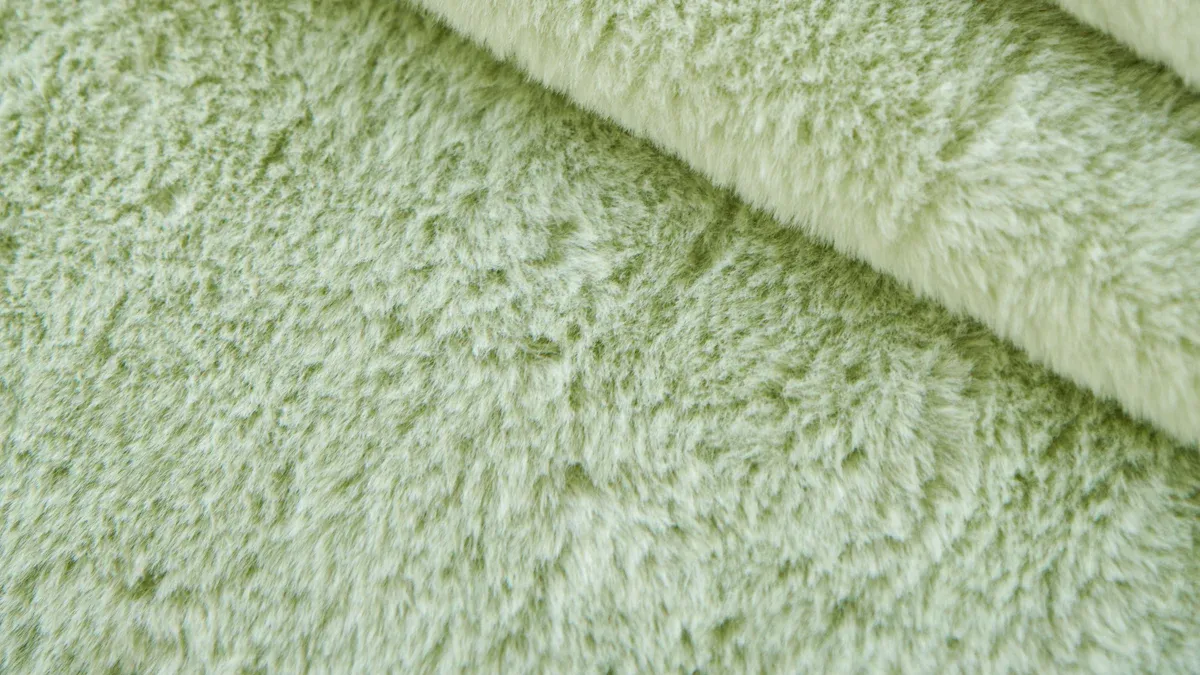
Comprehensive Definition and Explanation of Fleece in Apparel
Fleece in apparel is a soft and warm fabric. People use it for jackets, sweaters, and blankets. Many ask what makes fleece so comfortable. Fleece is not made from wool, even though it looks similar. Manufacturers make fleece from polyester, which is a man-made fiber from plastic. Sometimes, they mix polyester with cotton, spandex, or rayon. This changes how the fabric feels and stretches.
- Fleece copies the softness and warmth of wool. It is popular for sportswear and outdoor clothes.
- The fabric feels soft, cozy, and fuzzy, like sheep fur.
- Fleece is light and comfy, so you can wear it for a long time.
- It dries fast and lets sweat escape, which is good for sports.
Factories use a process called napping to make fleece. A machine brushes the polyester fabric to lift tiny fibers. This makes the fabric fuzzy. After brushing, the fabric is cut so the fibers are even. This gives fleece its soft feel.
Fleece fabric comes from different sources. Most fleece uses polyester, but some use wool or hemp. These natural fibers change how fleece feels. Polyester fleece starts as small PET chips. The chips melt into a thick liquid. The liquid goes through a spinneret to make fibers. Workers spin, stretch, and crinkle the fibers before drying. This makes fleece fluffy and warm.
Tip: Fleece is loved because it keeps you warm but is not heavy. It also does not soak up water and dries quickly. This makes it great for outdoor fun.
Historical Origins and Evolution of Fleece in Apparel
Fleece in apparel started in the late 1900s. In 1979, Malden Mills made Polar Fleece. This was a new fabric that was not wool. Polar Fleece solved problems like wool being heavy and hard to wash. Outdoor fans liked Polar Fleece because it was warm but light.
- In the 1970s, Malden Mills made Polar Fleece from polyester. This changed outdoor clothing.
- In the 1980s, thicker fleece came out. It was warmer and softer. Brands like Patagonia and The North Face made fleece famous.
- By the early 2000s, fleece jackets were everywhere. People wore them for hiking and also for daily life.
Fleece fabric helped the clothing industry a lot. It is light and lets air move through, so athletes and adventurers like it. Fleece dries fast and stays warm, even when wet. Designers use fleece for outdoor gear and everyday clothes.
Fleece changed how people dress for cold weather. Before fleece, most people wore wool for warmth. Wool could feel itchy and heavy. Fleece is soft, light, and easy to clean. Now, fleece is found in closets all over the world.
Fleece Fabric: Key Properties
Insulation
Fleece fabric is great at keeping you warm. Its fibers trap air inside. This trapped air helps hold your body heat. It also stops cold air from getting in. The table below shows how fleece keeps you warm:
| Principle/Characteristic | Explanation |
|---|---|
| Thermal Insulation Principle | Fleece holds heat by trapping air. Air does not let heat escape easily, so you stay warm. |
| Fiber Characteristics | Polyester fibers are packed close together. This locks in air and makes a warm layer. |
| Finishing Process | Napping and combing make fleece fluffy. Fluffy fleece holds more air and keeps you warmer. |
| Moisture-proof Advantage | Polyester keeps you warm even when it is wet. It works better than wool in damp weather. |
Fleece fabric keeps you warm even when it is wet outside. Polyester does not soak up water. This keeps fleece light and dry after rain or snow. Many fleece clothes use this design to help you stay warm outdoors or at home.
Note: Fleece fabric gives you warmth but is not heavy like wool. People like it for winter jackets, blankets, and sportswear.
Moisture-Wicking
Fleece fabric moves sweat away from your skin. When you sweat, fleece pulls the moisture off your body. It spreads the sweat out so it dries fast. Polyester is the main fiber in most fleece. It does this job better than cotton. Cotton holds water and stays wet. Fleece dries quickly and keeps you comfy.
Fleece is good for hiking, running, and sports. Its design helps move sweat away in many ways:
- Some fleece uses three threads to move sweat better.
- Fleece lets sweat escape easily.
- The yarn type changes how well fleece moves sweat.
Grid fleece has a special pattern. This pattern lets air move through faster. It helps sweat dry quickly when you exercise hard.
Breathability
Fleece fabric lets air flow through it. This helps keep your body cool and stops you from getting too hot. How much air passes through depends on how thick the fleece is. Thin fleece lets more air in. Thick fleece keeps you warmer.
- Fleece lets heat and sweat escape in warm weather.
- Grid fleece has a pattern that helps air and sweat move out.
- But fleece can let wind and water in, so it may not be as comfy in cold or wet weather.
Fleece feels soft against your skin. Its breathability makes it good for many places and activities.
Durability
Fleece fabric is strong and lasts a long time. Polyester fibers do not break down easily. Fleece does not shrink or lose its shape after washing. Many fleece clothes last for years, even if you wear them a lot.
Tests show fleece does not pill or wear out fast. In these tests, fleece is tumbled with balls to see how it holds up. Fleece does well, so it is good for active people.
Tip: Wash fleece inside out and use low heat to keep it soft and looking new.
Fleece fabric is soft, warm, and tough. These features make it great for jackets, blankets, and sportswear. There are different kinds of fleece, but all share these good qualities. That is why fleece is loved around the world.
Types of Fleece Apparel
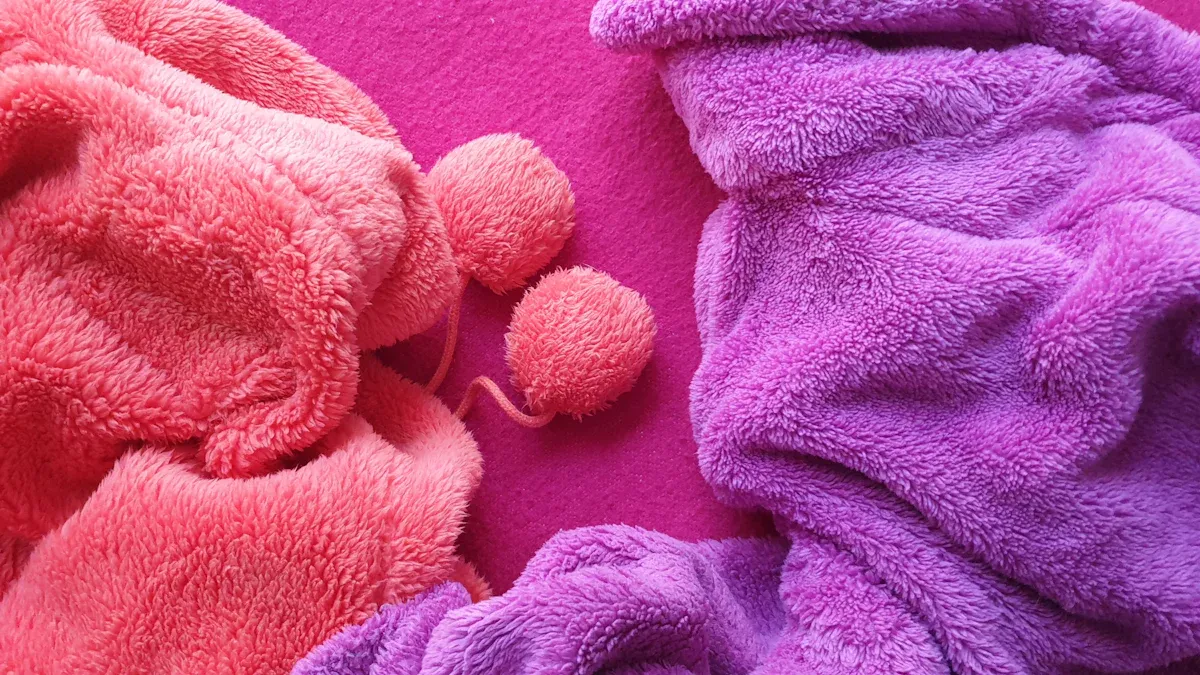
Polar Fleece
Polar fleece is a top pick for cold days. It feels soft and keeps you warm. The fabric is light, so it is easy to wear. People use polar fleece for jackets, hats, and pants. It traps air to help your body stay warm. Polar fleece comes in different weights. These weights are called micro, 100, 200, and 300. Each weight gives a different amount of warmth.
| Characteristic/Use | Description |
|---|---|
| Warmth | Light, soft, and warm. Good for cold weather. |
| Variants | Micro, 100, 200, and 300 weights for more or less warmth. |
| Applications | Used for jackets, hats, pants, sweaters, and blankets. |
| Insulating Properties | Traps air to keep you warmer. |
| Durability | Stays soft and keeps its shape after many uses. |
Polar fleece is great for outdoor clothes and gym wear. It is also used for blankets at home. Kids and adults like it because it lasts a long time.
Microfleece
Microfleece is the lightest fleece you can find. It weighs less than 200 GSM. This makes it easy to move in and lets air pass through. People wear microfleece for sports or as a base layer. It does not keep you as warm as polar fleece. But it feels soft and dries fast. Microfleece is good for baby clothes. It is gentle and easy to clean.
| Weight Range | Polar Fleece | Microfleece |
|---|---|---|
| 200-400 GSM | Yes | No |
| 100-200 GSM | Sometimes | Yes |
Microfleece is best for layering and sports. It is also great for babies because it is soft and lets skin breathe.
French Terry
French terry fleece looks different from other fleece. One side has tiny loops. The other side is smooth. This makes French terry light and lets air move through. It is good for layering and for active clothes.
- French terry moves sweat away from your skin.
- The fabric stretches so you can move easily.
- It feels soft and stays comfy after many washes.
- French terry is strong and keeps its shape.
French terry is used for sweatshirts, joggers, and light jackets.
Softshell Fleece
Softshell fleece is warm and keeps out bad weather. The outside has a coating that stops water and snow. Inside, the fleece lining keeps you cozy. Softshell fleece is perfect for hiking and biking.
- Softshell fleece gives warmth and lets air flow.
- The fabric keeps out light rain and snow.
- It handles sweat well when you are active.
- Softshell fleece is tough and lasts a long time.
Softshell fleece is good for people who need to stay dry and warm outside.
Tip: Microfleece and French terry are best for sports and comfort. Polar fleece and softshell fleece are better for cold and wet weather. Microfleece is safe and soft for babies.
Fleece Apparel: Everyday Uses
Everyday Wear
Fleece apparel is a top pick for comfort every day. Many people wear fleece jackets, pullovers, and pants at home. Some wear fleece when they go out to do errands. The fabric feels soft and cozy. It is great for winter loungewear. Fleece keeps you warm but does not feel heavy. You can move easily in fleece. It dries fast after you wash it. This helps busy families save time. Fleece is also good for cold mornings or evenings.
Athletic Clothing
Athletes like fleece because it helps them perform well. Studies show fleece has many good features:
- Fleece holds body heat and keeps you warm in winter.
- The fabric moves sweat away so athletes stay dry.
- Fleece does not wear out fast, even with lots of use.
These things help athletes do their best in cold weather. Many brands make fleece clothes for running, cycling, and team sports. Fleece layers fit under other clothes. This gives warmth and lets you move easily.
Outdoor Gear
Fleece is important for outdoor gear in winter. Hikers, campers, and skiers use fleece for warmth and comfort. The table below shows how fleece helps keep you safe and comfy in tough weather:
| Feature | Benefit |
|---|---|
| Warmth | Keeps you warm in cold weather. |
| Breathability | Lets sweat out so you do not get too hot. |
| Layering | You can wear fleece with other clothes for more warmth. |
| Hoods | Gives extra warmth and blocks wind and cold. |
| Thumb Loops | Keeps sleeves in place and covers your hands. |
| Pockets | Warms your hands and holds your things. |
Fleece clothes work well when the weather changes. This makes them a smart choice for outdoor fun.
Baby Clothes
Parents choose fleece for baby clothes in winter. Fleece is light and warm, so babies feel good outside. The fabric is easy to clean. This helps parents with messes every day. Fleece is good for winter loungewear and playtime. Parents should not use fleece for sleepwear. It can make babies too hot. Fleece is still a safe and smart pick for cold weather trips.
Fleece vs Other Fabrics
Wool Comparison
Fleece and wool both help you stay warm. Fleece feels lighter than wool. It also dries faster and does not itch. Wool comes from sheep. Fleece is made from polyester. Both trap air to keep you warm.
We should not compare fleece and wool too closely. There are many things that make them different. Still, they look almost the same. A 200 weight fleece keeps you as warm as a knitted wool hat when dry. When fleece gets wet, it does not keep heat as well. This is normal. Both lose a lot of warmth when wet. They even keep you less warm than an empty container with no insulation.
- Fleece gives about 0.09 clo/oz./yd² of warmth.
- Non-woven insulations give about 0.42 clo/oz./yd².
- Fleece is not as warm for its weight as other insulations.
Wool stays warm when it is damp. Fleece dries much faster than wool. People pick fleece for outdoor fun because it is easy to wash. It also does not shrink.
Cotton Comparison
Cotton feels soft and natural on your skin. Many people wear cotton for comfort. Fleece keeps you warmer in cold weather. Cotton soaks up water and dries slowly. Fleece does not soak up much water and dries fast. This makes fleece better for sports and outdoor use. Cotton feels heavy when it is wet. Fleece stays light even after rain or snow. People often pick fleece for jackets and blankets. Fleece holds heat better than cotton.
Unique Benefits
Fleece has many good points over other fabrics. It lasts a long time and does not pill easily. You can wash fleece in a machine and it dries fast. Fleece costs less than wool and is easy to find. The fabric traps heat but does not feel bulky. Fleece is light and lets air move through. This keeps you comfy for a long time. It also moves sweat away from your skin to keep you dry.
| Benefit | Description |
|---|---|
| Durability and Longevity | Made to last because it is synthetic and resists pilling. |
| Ease of Care | Easy to wash in a machine and dries fast. |
| Affordability | Costs less and is easier to find than wool. |
| Warmth and Insulation | Holds heat close to your body without being bulky. |
| Lightweight and Breathable | Very light, so you stay comfy for hours. |
| Moisture-Wicking Properties | Moves sweat away to keep you dry during activities. |
Fleece is great for sportswear. It is warm, lets air in, and is easy to care for. People who want comfort and good performance often choose fleece instead of other fabrics.
Best Fleece Clothing & Care
Choosing Fleece Apparel
Picking the right fleece clothes depends on where you live and what you do. You should think about how warm, light, or thick you want your fleece to be. Thick fleece is best for cold days. Thin fleece is good for running or hiking because it lets air move. Microfleece is soft and works well for sports. If you go outside a lot, light fleece is easier to carry. Heavy fleece is not good for warm places or working inside. Pockets and thumb loops make fleece more useful. Jackets with these features keep your hands warm and help you wear layers. Some brands make fleece from recycled stuff. If you care about nature, you can pick these eco-friendly clothes.
| Feature | Benefit |
|---|---|
| Thickness | More warmth for cold climates |
| Breathability | Comfort during activewear |
| Weight | Easier movement for hiking and sports |
| Practical Details | Pockets and thumb loops for convenience |
| Sustainability | Eco-friendly apparel choices |
Essential Care and Maintenance Tips for Fleece Apparel
Taking care of fleece helps it stay soft and last longer. Use gentle soap to keep the color and feel nice. Do not use bleach or fabric softener because they can hurt the fleece. Turn fleece inside out before washing to stop fuzz balls. Wash fleece by itself so it does not rub against rough things.
Tip: Let fleece air dry to keep its shape and stop shrinking.
Here are easy steps to clean fleece:
- Wash fleece by hand in cold water with gentle soap.
- Rinse well to get all the soap out.
- Lay it flat to dry so it keeps its shape.
You can also wash fleece in a machine on a gentle cycle with cold water. Do not use a dryer, even on low heat, because it can change the shape of jackets and other fleece clothes. These tips help your fleece stay nice for a long time. If you follow them, your fleece will be comfy, strong, and clean for every season.
Sustainability and Eco-Friendly Innovations in Fleece Apparel
Environmental Impact of Fleece Apparel
Making fleece uses lots of energy and water. Factories need these to change plastic into soft fabric. This process also makes greenhouse gases. Most fleece comes from materials that cannot be replaced fast. Washing fleece clothes can release tiny plastic fibers. These microplastics go into rivers and oceans. They pollute water and harm fish and other animals. Many scientists worry about this problem. People who care about nature try to find ways to help.
| Impact Type | Description |
|---|---|
| Energy Use | High during production |
| Water Consumption | Needs a lot for making and cleaning fleece |
| Greenhouse Gases | Made during the process |
| Microplastics | Come off in washing and pollute water |
Note: Picking eco-friendly fleece helps cut pollution and saves resources.
The Rise and Benefits of Recycled Fleece in Sustainable Apparel
Many companies now make recycled fleece to help the earth. In the last ten years, more people want clothes that are good for nature. Brands use old plastic bottles to make new fleece jackets. New machines can turn plastic into soft fleece fabric. People like these jackets because they help stop waste.
- More people buy fleece jackets for outdoor fun.
- Recycled fleece uses old plastic and gives it new life.
- Making recycled fleece needs less energy and water.
- It lowers the carbon footprint and keeps plastic out of dumps.
- Recycled fleece helps reuse things instead of throwing them away.
- Using recycled fleece means less oil and fewer fossil fuels.
Recycled fleece helps protect nature. It saves resources and keeps trash out of landfills. People who pick recycled fleece help make the planet cleaner.
Fleece apparel keeps you warm and feels soft. It is also strong and lasts a long time. People wear fleece for many things every day. They use it for sports and outdoor clothes too. Fleece dries fast and is simple to wash. You should pick fleece that is thick or thin enough for you. Look for features that fit what you need. Wash fleece gently so it stays nice longer. Many companies now make fleece from recycled materials. This helps take care of the earth.
Picking eco-friendly fleece helps keep air and water clean. You can use fleece and help nature at the same time.
FAQ
What makes fleece jackets popular for winter wear?
Fleece jackets keep people warm because they trap air and hold body heat. The fabric feels soft and light. Many choose fleece jackets and hoodies for cold days since they dry quickly and resist water.
Can you use fleece in sportswear for outdoor activities?
Yes. Fleece in sportswear works well for outdoor activities. The fabric moves sweat away from the skin and dries fast. Many athletes wear fleece jackets during training or hiking because the material stays comfortable and light.
Are fleece blankets good for people with allergies?
Fleece blankets resist dust mites and mold. The fabric does not hold allergens like some natural fibers. People with allergies often choose fleece clothing and bedding for comfort and easy care.
How does fleece act as a moisture repellant?
Fleece acts as a moisture repellant because polyester fibers do not absorb water. The fabric keeps rain and sweat away from the skin. This feature helps fleece jackets stay dry and comfortable during outdoor use.
What is the best way to wash fleece jackets?
Wash fleece jackets in cold water with mild soap. Turn them inside out before washing. Avoid bleach and fabric softeners. Air dry the jackets to keep their shape and softness.