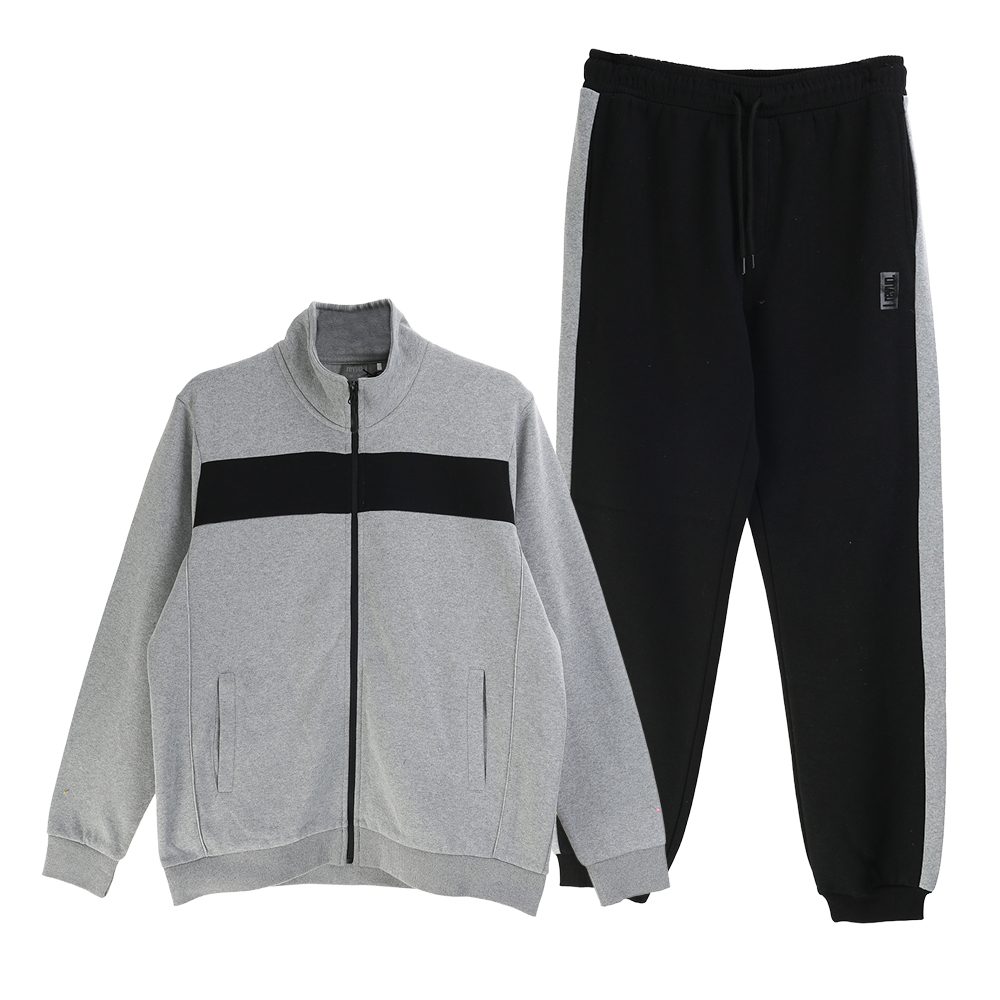
Yes. Polyester is one of the best fabrics for tracksuits because it is durable, lightweight, moisture-wicking, and easy to maintain. It dries quickly, retains its shape after repeated washing, and performs well during sports and everyday wear. While it may not be as naturally breathable as cotton, its combination of comfort, durability, and performance makes polyester the most widely used fabric for modern tracksuits.
Key Takeaways
- Polyester tracksuits are highly durable and abrasion-resistant, standing up to frequent workouts and repeated washes.
- The fiber wicks sweat away from the skin and dries quickly, keeping wearers dry and comfortable during physical activity.
- Polyester retains its shape well, resists wrinkles and requires minimal care, saving time on laundry and upkeep.
- Recycled polyester tracksuits deliver the same performance as virgin polyester while reducing plastic waste and carbon footprint.
- Blending polyester with spandex adds stretch for unrestricted movement, making it ideal for dynamic sports.
Core Benefits of Polyester Tracksuits
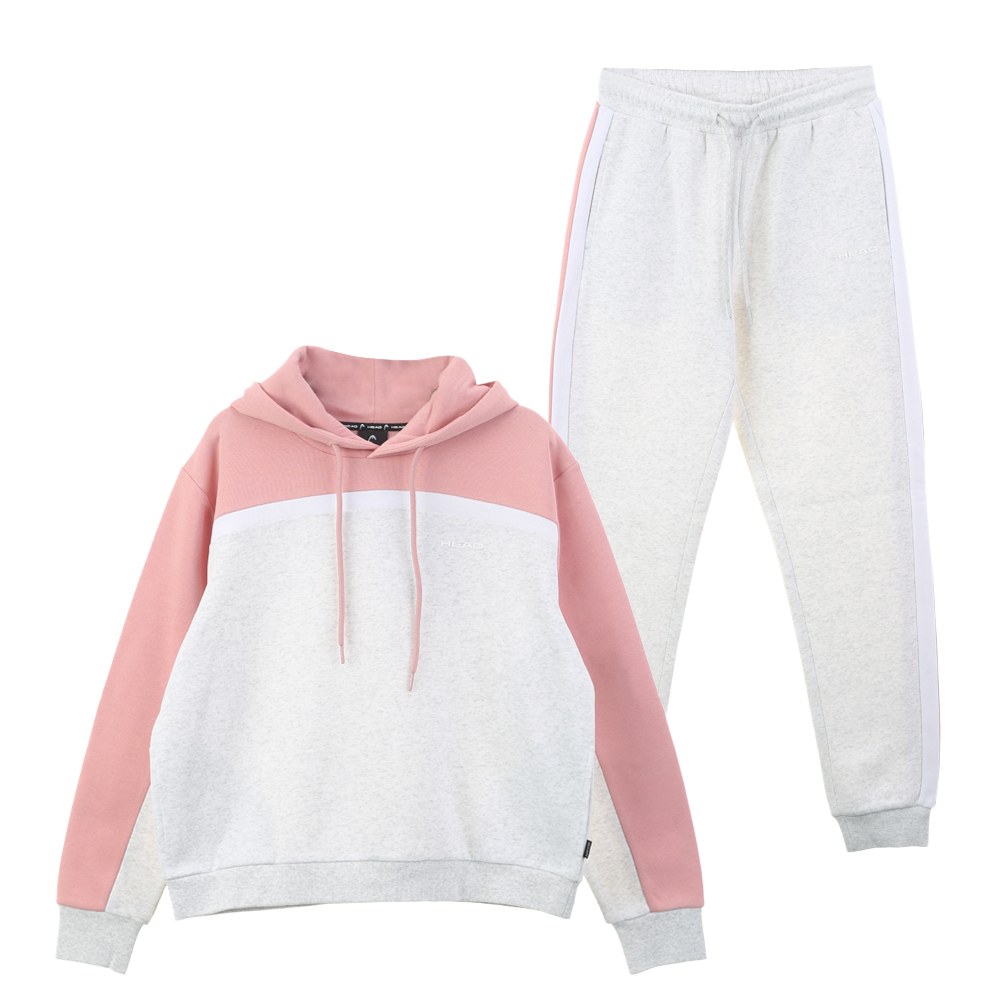
Moisture-Wicking & Quick-Drying Performance
Polyester is inherently hydrophobic, meaning it does not absorb water. Instead, it pulls sweat away from the skin and spreads it across the fabric surface for fast evaporation. This keeps the garment lightweight and dry even during heavy sweating, unlike cotton which becomes heavy and soggy when wet.
This performance is verified by standardized textile tests including AATCC TM 197 for wicking ability and AATCC 201 / ISO 17617 for drying rate, confirming polyester outperforms natural fibers for active use.
Durability & Shape Retention
Polyester fibers have high tensile strength and excellent abrasion resistance, so tracksuits hold up well to frequent training, stretching and repeated washing. They resist shrinking, fading and wrinkling far better than cotton, maintaining a neat appearance over months of use. Color pigments bond well to polyester fibers, so prints and dyed colors stay bright even after dozens of washes.
Comfort & Flexible Mobility
Lightweight polyester feels smooth against the skin and moves naturally with the body. Most performance tracksuits blend polyester with a small percentage of spandex (typically 2–5%) to add 4-way stretch, improving fit and allowing full range of motion for dynamic movements like squats, sprints and stretches.
NBJM’s fleece polyester tracksuits add a soft brushed interior for warmth without extra bulk, suitable for cooler weather training.
Low-Maintenance Care
Polyester tracksuits are easy to care for: they can be machine washed on a cool cycle and air-dry quickly, with little to no ironing needed. The fabric resists wrinkling during wear and storage, making it convenient for travel, away games and daily use.
Potential Drawbacks of Polyester Tracksuits
Limited Breathability
Dense, solid polyester is less air-permeable than natural fibers like cotton, which can feel warm in very hot, humid conditions. However, polyester outperforms nylon in breathability, and mesh-paneled polyester tracksuits resolve this issue for high-intensity use. For maximum airflow, choose styles with mesh inserts or open-knit construction.
Heat Sensitivity
Polyester is a thermoplastic fiber, meaning it can melt or warp if exposed to high heat. Avoid ironing on high settings, using hot tumble dryers or placing the garment near direct heat sources. For longest life, wash on cool to warm settings and line-dry or use low-heat tumble dry.
Environmental Impact of Virgin Polyester
Standard virgin polyester is made from petroleum, requires significant energy to produce and does not biodegrade in landfills. However, this issue is largely addressed by recycled polyester (rPET), which is made from post-consumer plastic waste. rPET cuts production energy use by around 50% compared to virgin fiber and keeps plastic out of landfills and oceans.
Polyester vs. Other Common Tracksuit Fabrics
Polyester vs. Cotton
| Feature | Polyester | Cotton |
|---|---|---|
| Moisture management | Wicks sweat, dries quickly, stays light | Absorbs sweat, feels heavy when wet |
| Durability | High abrasion resistance, long-lasting | Prone to fading, shrinking and wear |
| Care | Wrinkle-resistant, fast-drying | Wrinkles easily, may shrink |
| Feel | Smooth, synthetic texture | Soft, natural hand feel |
| Best for | High-intensity sports, frequent training | Low-intensity casual wear, cool environments |
Polyester vs. Nylon
Both are synthetic performance fibers, but they have key differences:
- Nylon has slightly higher abrasion resistance and a softer, silkier hand feel.
- Polyester dries faster, has better color retention and is typically more cost-effective.
- For tracksuits, polyester is the more common choice for team uniforms and everyday training due to its superior shape retention and lower cost.
Polyester Blends
Blending polyester with other fibers balances performance and comfort:
- Polyester + spandex: Adds stretch for a closer, more flexible fit — the standard for modern performance tracksuits.
- Polyester + cotton: Combines cotton’s softness with polyester’s durability, popular for casual lifestyle tracksuits.
- Recycled polyester (rPET): Matches virgin polyester performance with a lower environmental impact, used by NBJM for eco-friendly activewear lines.
When Polyester Tracksuits Are the Best Choice
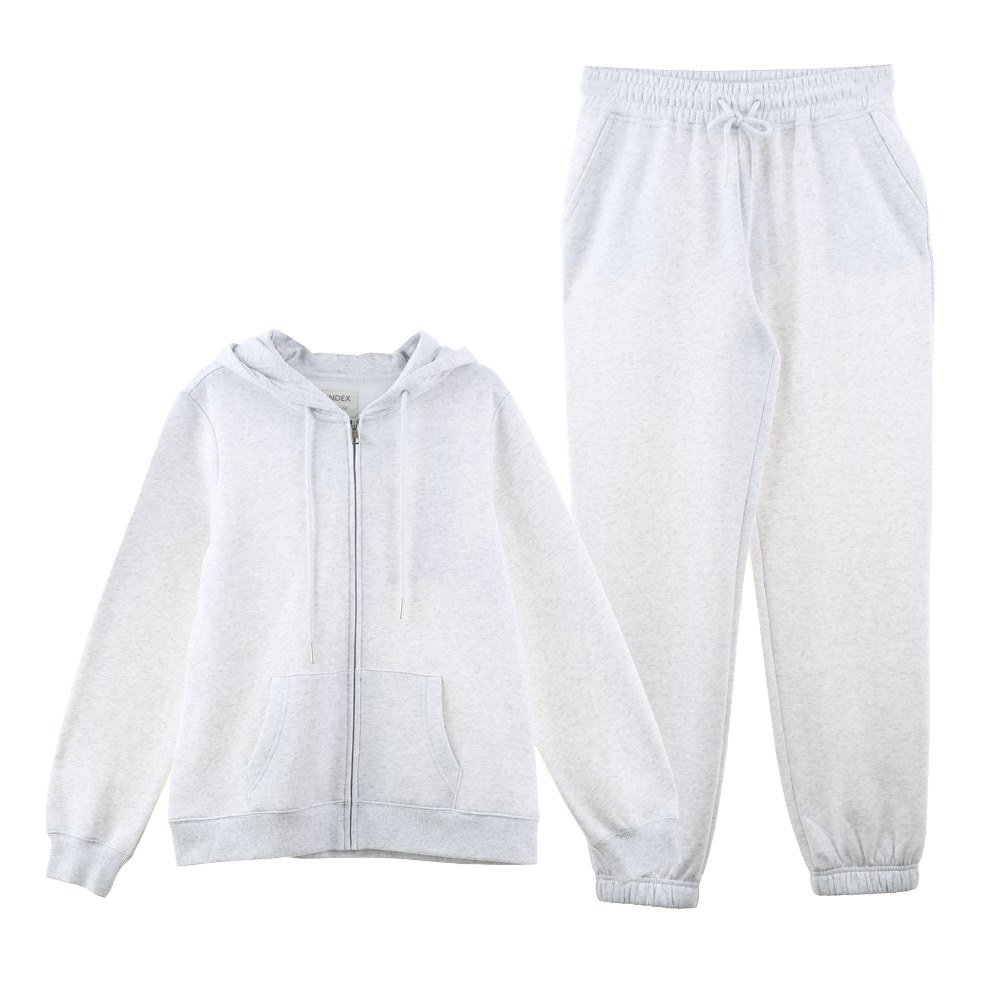
Sports & Active Training
Polyester is the default fabric for team tracksuits and training wear. Its quick-drying and durable properties hold up to daily practice, outdoor training and frequent washing. Many styles include added functional features like UV protection and water repellency via fabric finishes, making them suitable for outdoor sports.
NBJM offers custom polyester tracksuits for teams and brands, with flexible design options for different sports and seasonal weights.
Casual Everyday Wear
Polyester tracksuits work well for casual athleisure wear, errands, light walks and lounge use. They stay neat throughout the day, resist wrinkling and come in a wide range of styles and colors. Recycled polyester options let wearers choose a more sustainable option without sacrificing comfort or style.
Variable Weather Conditions
Polyester tracksuits adapt well to changing weather: they block light wind and drizzle, dry quickly if they get wet, and are available in lightweight versions for summer and fleece-lined versions for winter. This versatility makes them a year-round wardrobe staple for active people.
FAQ
What makes polyester good for sports tracksuits?
Polyester wicks sweat away from the skin and dries rapidly, keeping athletes comfortable during activity. It is also highly durable, retains its shape after repeated washes and allows flexible movement when blended with spandex.
Are polyester tracksuits easy to clean?
Yes. Most polyester tracksuits can be machine washed on a cool or warm cycle and air-dry quickly. The fabric naturally resists wrinkles and holds its shape, so ironing is rarely needed.
Are polyester tracksuits bad for the environment?
Virgin polyester has a higher environmental footprint than natural fibers, but recycled polyester (rPET) significantly reduces plastic waste and production emissions. NBJM uses recycled polyester in its fleece tracksuits to lower environmental impact.
Can you wear polyester tracksuits in hot weather?
Yes, lightweight and mesh-paneled polyester tracksuits work well for warm weather, thanks to their moisture-wicking and quick-drying properties. For very hot climates, choose thin, open-weave styles over heavy fleece versions.
How do polyester tracksuits compare to cotton tracksuits?
Polyester dries much faster, lasts longer and holds its shape better than cotton, making it superior for sports and active use. Cotton feels softer and more breathable at rest, but becomes heavy and uncomfortable when saturated with sweat.