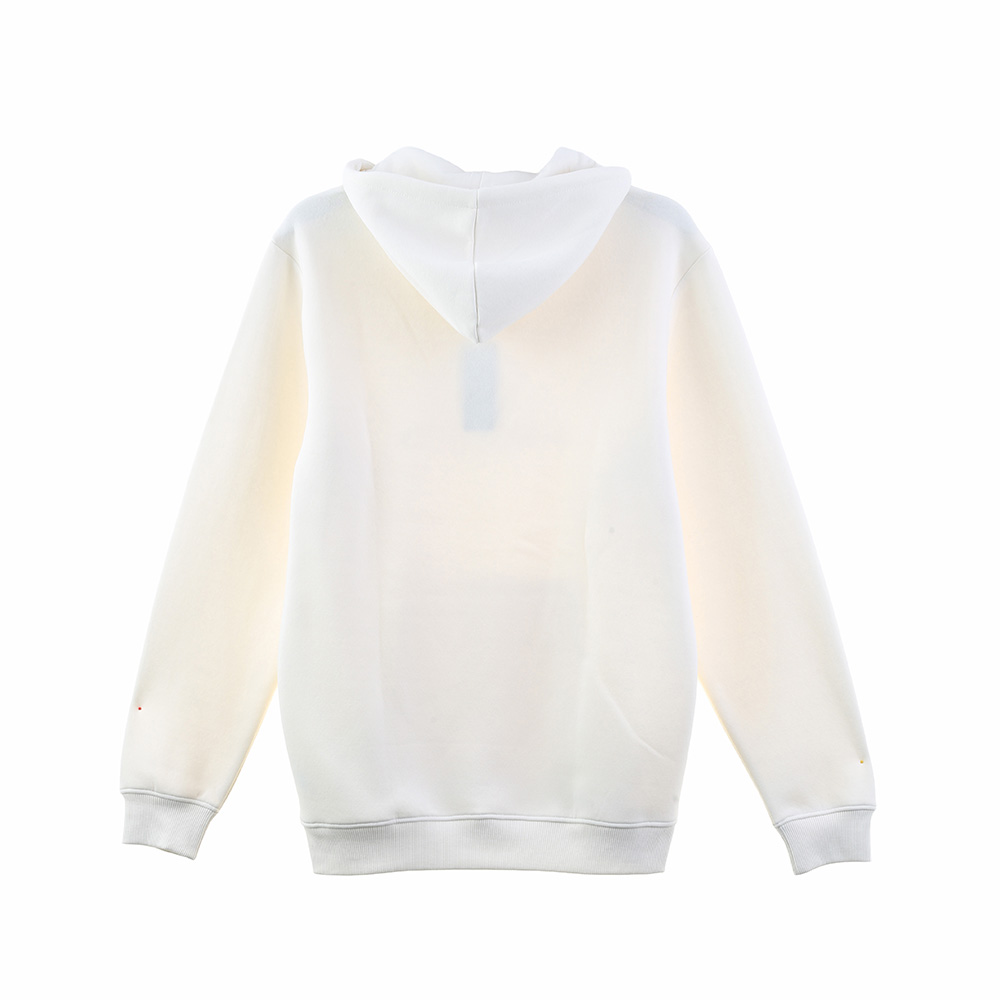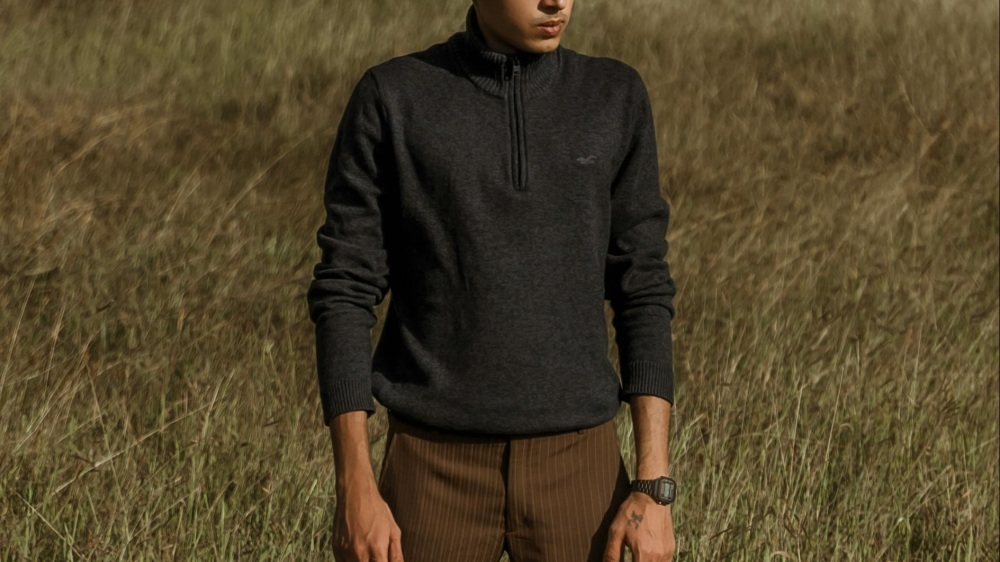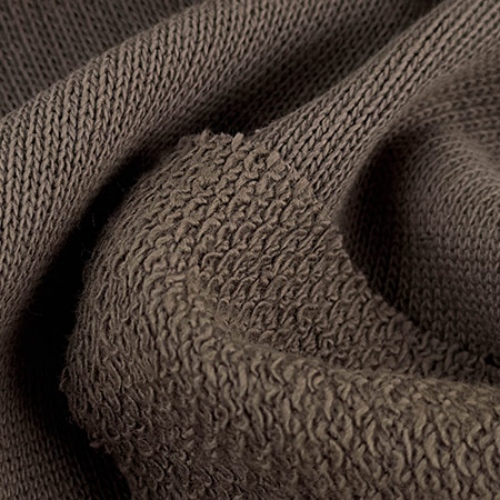
Yes, French terry is an excellent fabric for hoodies, offering a balanced combination of comfort, breathability and everyday versatility. Featuring a smooth jersey exterior and a soft looped interior, French terry provides the cozy feel of a sweatshirt without the heavy warmth and bulk of fleece. It helps manage moisture, feels comfortable against the skin and holds up well with proper care, making it ideal for casual wear, travel, lounging and light activities throughout the year.
Key Takeaways
- French terry hoodies offer a balance of softness, breathability, and lightweight warmth, making them suitable for year-round casual wear.
- The loop-backed knit structure improves airflow and moisture management, providing better comfort than regular cotton fabrics.
- French terry is lighter and more breathable than fleece, while fleece provides better insulation for cold-weather use.
- Cotton-rich French terry delivers comfort and durability, while blended fabrics improve stretch, shrink resistance, and easy care.
- French terry hoodies are ideal for mild to cool climates, layering, travel, and everyday activities, but may need extra insulation in extreme cold.
Core Qualities That Make French Terry Great for Hoodies
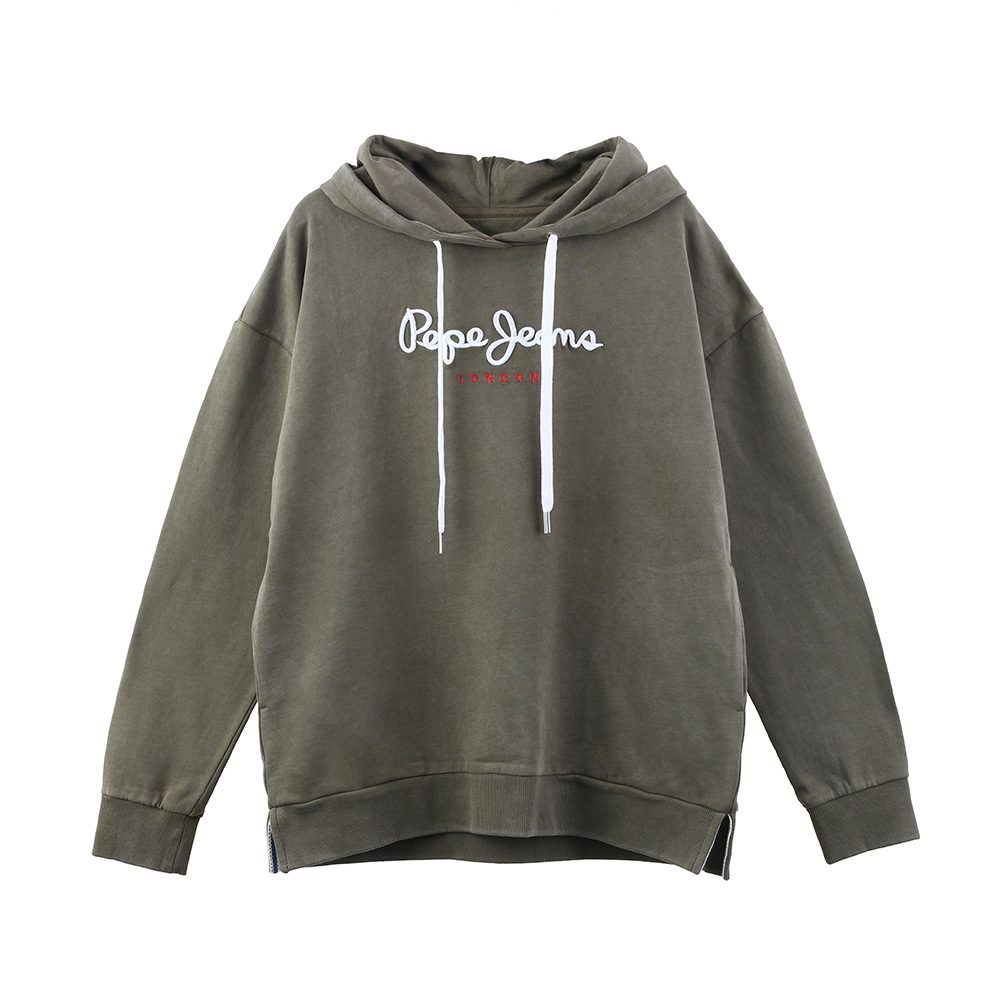
French terry’s unique knit structure gives it a set of performance traits that stand out for hoodie design.
Comfort and Softness
French terry’s dual-sided construction is the foundation of its comfort: the face of the fabric is a smooth, flat jersey knit, while the inside features unbrushed fabric loops that feel soft against the skin. Unlike heavy brushed fleece, it has a lightweight, non-restrictive feel that stays comfortable for hours of wear.
High-quality French terry retains its softness wash after wash, and many brands (including NBJM) offer customization options such as fabric weight, organic cotton, and eco-friendly blends to match different comfort and style preferences.
Breathability and Moisture-Wicking
The looped interior of French terry creates small air pockets that promote steady airflow, making the fabric far more breathable than standard fleece. These loops also pull moisture away from the skin and allow it to evaporate quickly, keeping the wearer dry during light activity or warm weather.
Independent textile research supports these performance benefits:
- Moisture-wicking properties can improve exercise comfort by up to 25% (Journal of Textile Studies)
- The fabric’s temperature-regulating design reduces sweat buildup by roughly 30% (Textile Research Journal)
This sets French terry apart from regular cotton, which absorbs moisture but does not wick it away, leaving the wearer feeling damp.
Lightweight and Year-Round Wear
French terry provides mild warmth without feeling heavy, making it usable across multiple seasons. Most hoodie-weight French terry falls in the 280–320 GSM range, which delivers enough insulation for cool days but remains light enough for layering.
| Weight Class | GSM Range | Best For |
|---|---|---|
| Mid-Weight | 280–320 | Everyday hoodies, sweatshirts, year-round layering |
| Heavyweight | 300–400+ | Streetwear, oversized hoodies, cooler climates |
It performs best in mild conditions and works well as a middle layer under jackets in fall and early spring, or worn alone on mild winter days.
Durability and Easy Care
French terry’s tight knit structure makes it naturally resistant to stretching, sagging, and pilling compared to fleece and lighter jersey fabrics. It holds its shape and soft hand feel through dozens of washes, making it a low-maintenance option for daily wear.
French Terry vs. Other Hoodie Fabrics
To understand if French terry is right for you, it helps to compare it to the most common hoodie fabric alternatives.
French Terry vs. Fleece
This is the most common comparison for hoodie shoppers. While both are comfortable, they are designed for very different use cases:
| Feature | French Terry | Fleece |
|---|---|---|
| Construction | Loop-backed knit, typically cotton or cotton blend | Brushed inner pile, often polyester or cotton-poly blend |
| Feel & Texture | Smooth exterior, soft loop interior; lightweight | Plush, fuzzy interior; thicker and heavier |
| Thermal Performance | Mild warmth, highly breathable | Superior heat retention, traps air close to the body |
| Breathability | Excellent airflow, resists overheating | Low breathability, can feel clammy during activity |
| Durability | Resists pilling, retains shape well | Prone to pilling with friction, lower-quality versions wear out faster |
| Best Use Case | Spring/fall, year-round layering, casual wear, light exercise | Winter, cold weather, sedentary lounging |
In controlled testing at 65°F (18°C), a 280 GSM fleece hoodie retained more body heat than a 350 GSM French terry hoodie — but French terry stayed more comfortable during movement.
French Terry vs. Synthetic Blends
- 100% cotton French terry delivers the softest, most breathable feel and excellent moisture absorption. It is gentle on skin and ages well, developing a comfortable broken-in feel over time.
- Synthetic blend French terry (cotton + polyester/spandex) offers extra stretch and wrinkle resistance, and is less prone to shrinking. The tradeoff is slightly reduced breathability and a less natural feel against skin.
For most everyday hoodies, a cotton-rich blend strikes the best balance of comfort, durability, and easy care.
French Terry vs. Regular Cotton
Regular cotton hoodies use a flat jersey or fleece knit without the looped back structure. While they are soft, they lack French terry’s moisture-wicking ability, temperature regulation, and structured drape. French terry is also more durable than lightweight cotton jersey and less prone to stretching out at the cuffs and hem.
Pros and Limitations of French Terry Hoodies
Key Benefits
- Balanced breathability and mild warmth for 3+ seasons of wear
- Soft, non-bulky feel suitable for all-day casual wear and light activity
- Good shape retention and low pilling compared to fleece
- Simple care routine with no special washing requirements
- Versatile style that works for loungewear, streetwear, and athleisure
Notable Limitations
- Not warm enough for very cold winter weather on its own
- 100% cotton French terry will typically shrink 5–10% after the first few washes if not cared for properly
- The looped interior can develop minor pilling over time with heavy friction
- Heavier GSM styles (400+ GSM) may feel too warm for hot summer days
Who Should Choose a French Terry Hoodie?
Best Activities and Lifestyles
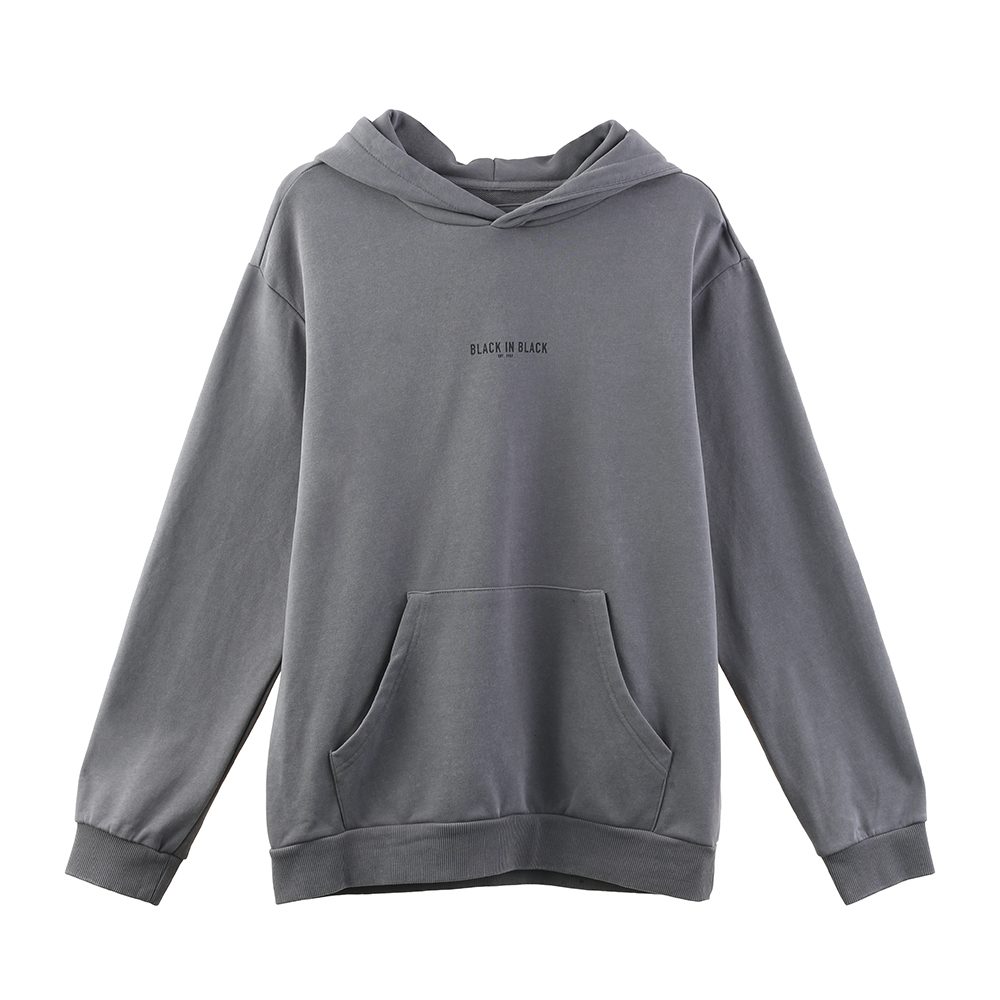
French terry hoodies are ideal for:
- Everyday casual wear, errands, and working from home
- Pre- and post-workout layering, yoga, walking, and light exercise
- Travel and commuting, where temperature changes are common
- Anyone who prefers a structured, non-bulky hoodie silhouette
They are less ideal for intense high-sweat workouts (where performance synthetics perform better) or extended time in freezing winter temperatures.
Ideal Climate and Temperature Range
French terry performs best in mild to cool conditions. It is most comfortable at temperatures between 60–80°F (15–27°C).
| Temperature (°F) | Temperature (°C) | Climate Suitability |
|---|---|---|
| 60–80 | 15–27 | Mild climates, spring, fall, layered winter wear |
For people living in moderate climates, a mid-weight French terry hoodie is one of the most versatile wardrobe pieces you can own.
FAQ
Is French terry or fleece better for hoodies?
It depends on your needs. French terry is better for year-round wear, breathability, and everyday versatility. Fleece is better for cold weather and maximum warmth. For most people, French terry is the more practical all-around hoodie fabric.
Do French terry hoodies shrink?
100% cotton French terry hoodies typically shrink 5–10% after the first few washes. Washing in cold water and air drying flat will minimize shrinkage significantly. Cotton-blend styles shrink much less.
Can you wear French terry hoodies in winter?
French terry works in winter as a layering piece under a jacket, but it is not warm enough to replace a heavy fleece or winter sweatshirt on its own. It excels in fall, spring, and mild winter days.
What is 480 GSM French terry?
480 GSM is a heavyweight French terry, designed for premium structured sweatshirts and oversized hoodies. It offers more warmth and durability than mid-weight options, with a substantial, high-quality hand feel. It is popular for streetwear and premium apparel lines.
Are French terry hoodies good for working out?
They are excellent for warm-ups, cool-downs, yoga, and light activity, thanks to their breathability and moisture-wicking properties. For high-intensity, heavy-sweat workouts, performance synthetic fabrics are usually a better choice.
How do you wash a French terry hoodie?
Wash on cold, gentle cycle with like colors, and air dry flat. Avoid high heat and fabric softeners to preserve softness, shape, and color.
Final Thoughts
French terry is one of the best all-around fabrics for hoodies, striking a rare balance of comfort, breathability, durability, and style. It may not be the warmest option for deep winter, but for everyday wear, mild climates, and year-round layering, it outperforms most alternatives.
Whether you’re shopping for casual loungewear, athleisure, or custom apparel, a well-made French terry hoodie is a versatile wardrobe staple that will hold up for years.